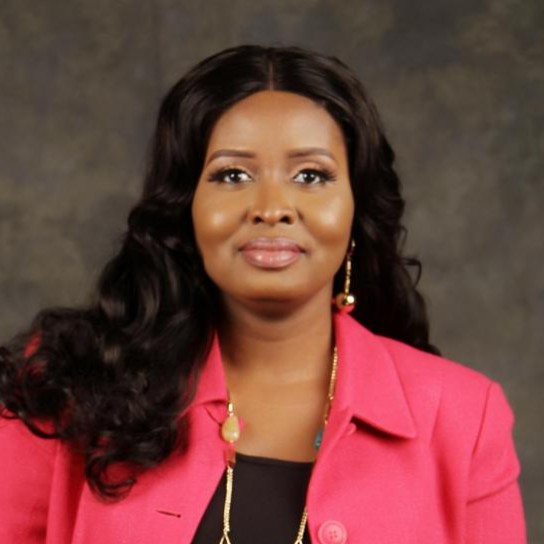
 Dr. Asmau Benzies Leo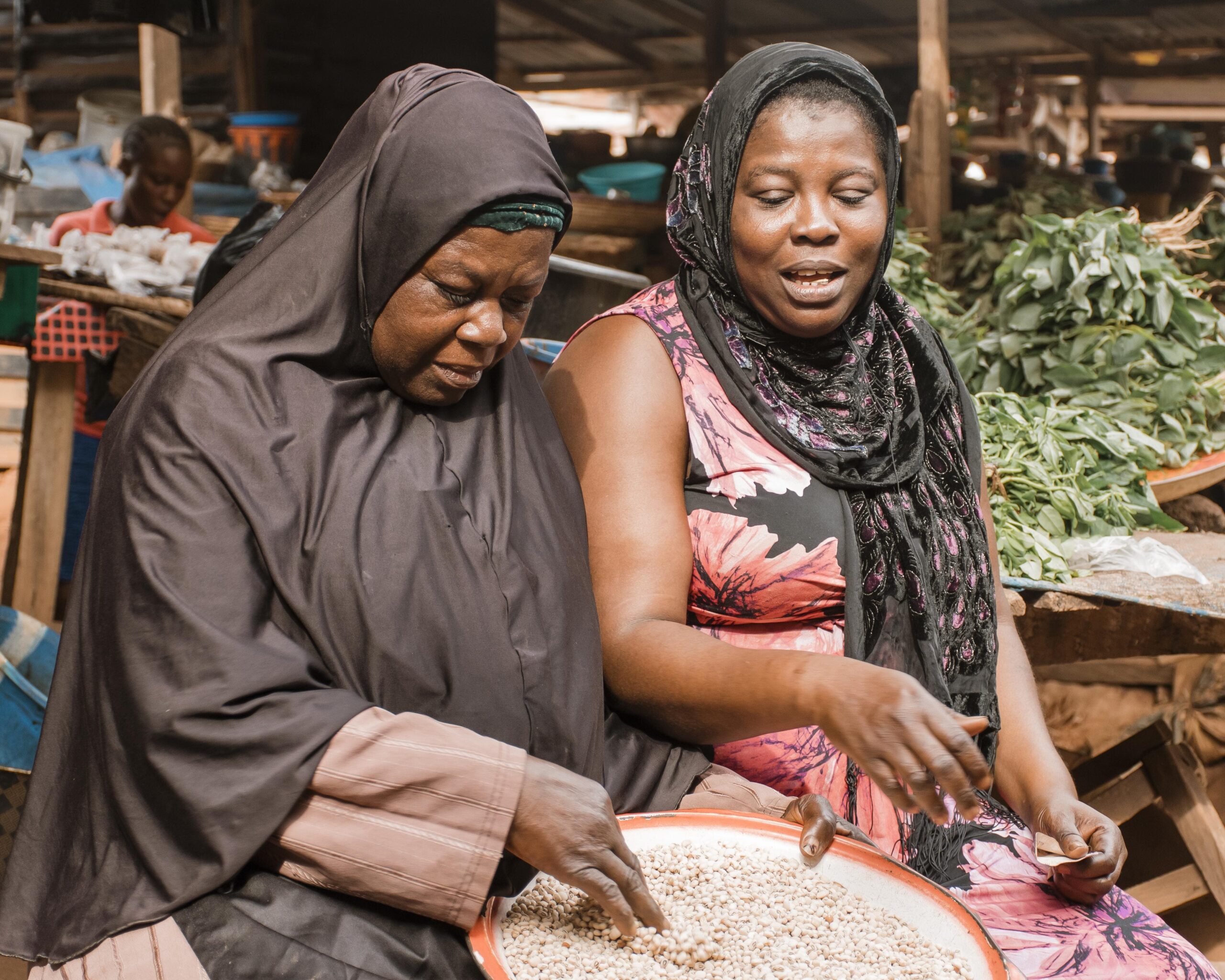
Across Nigeria, women are the backbone of the economy yet they remain among the least protected. From market traders and smallholder farmers to home-based entrepreneurs and unpaid caregivers, women dominate the informal sector that sustains households and communities. Despite this indispensable role, their labour is largely invisible in policy design, leaving millions exposed to economic shocks, insecurity, and poverty.
Women constitute a significant share of informal workers, operating without contracts, insurance, pensions, or access to affordable credit. When inflation rises, markets close due to insecurity, disaster or emergencies occur disrupting livelihoods, women absorb the losses first. Many rely on daily earnings to feed families, pay school fees, and access healthcare. A single disruption, be it illness, displacement, or market closures, can reverse years of hard work overnight.
The burden is compounded by unpaid care work. Women shoulder caregiving for children, the elderly, and the sick, labour that fuels the economy but goes uncounted. This unpaid work limits time for income generation, skills acquisition, and participation in decision making spaces. Yet national economic indicators rarely reflect this reality.
Financial exclusion also deepens these gaps. Informal women workers face barriers to bank loans, insurance, and digital finance, pushing them toward predatory lenders. Without protection, they are locked in cycles of vulnerability, even as their productivity keeps local economies alive.
What then is the Solution?
Protecting women in the informal economy is both an economic and social imperative. Government and private sector actors must expand gender-responsive social protection; health insurance, pensions, and shock-responsive safety nets tailored to informal workers. Access to affordable credit and insurance should be simplified through cooperative models and digital platforms. Recognising and valuing unpaid care work in national planning is critical, alongside investments in childcare and community services.
When women are protected, economies are stronger. Visibility, dignity, and protection for women’s work should not be optional rather they should be essential for sustainable national growth.
Dr. Asmau Benzies Leo is a development practitioner with extensive national and international expertise in gender equality, peace-building, governance, and humanitarian action. She holds a PhD in Public Governance and Leadership, a Master’s degree in Conflict Management and Peace Studies, and executive certifications from leading institutions including Howard University, Harvard University and Glasgow Caledonian University. As Executive Director of the Centre for Non-violence and Gender Advocacy in Nigeria (CENGAIN), she has led ground-breaking advocacy initiatives on women’s political participation, gender-based violence prevention, and security sector reform across multiple World Bank, UN and EU-supported projects.
Latest Edition of IWA Magazine
September 29, 2026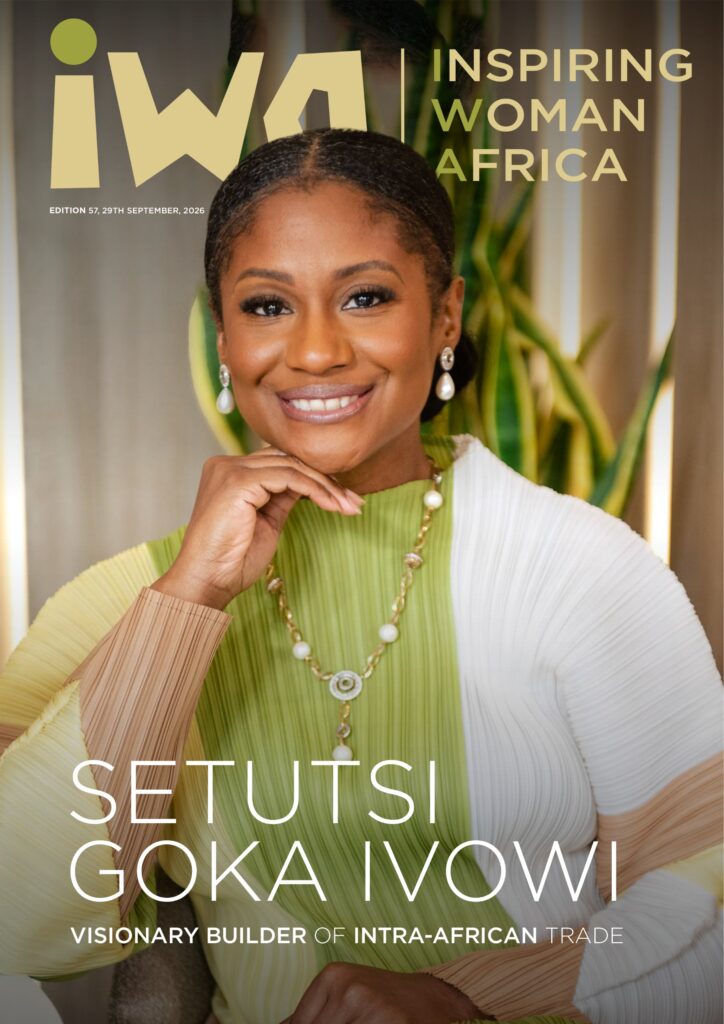
SETUTSI GOKA IVOWI, Visionary Builder of Intra‑African Trade
Latest Posts
-
 Sep 29, 2026 UNGA81: What is the Agenda for Women?
 -
 Sep 29, 2026 Three Roads to Wealth. Same Destination
 -
 Sep 29, 2026 When Will Abuse, Violence Against Women Stop?