 Dr. Asmau Benzies Leo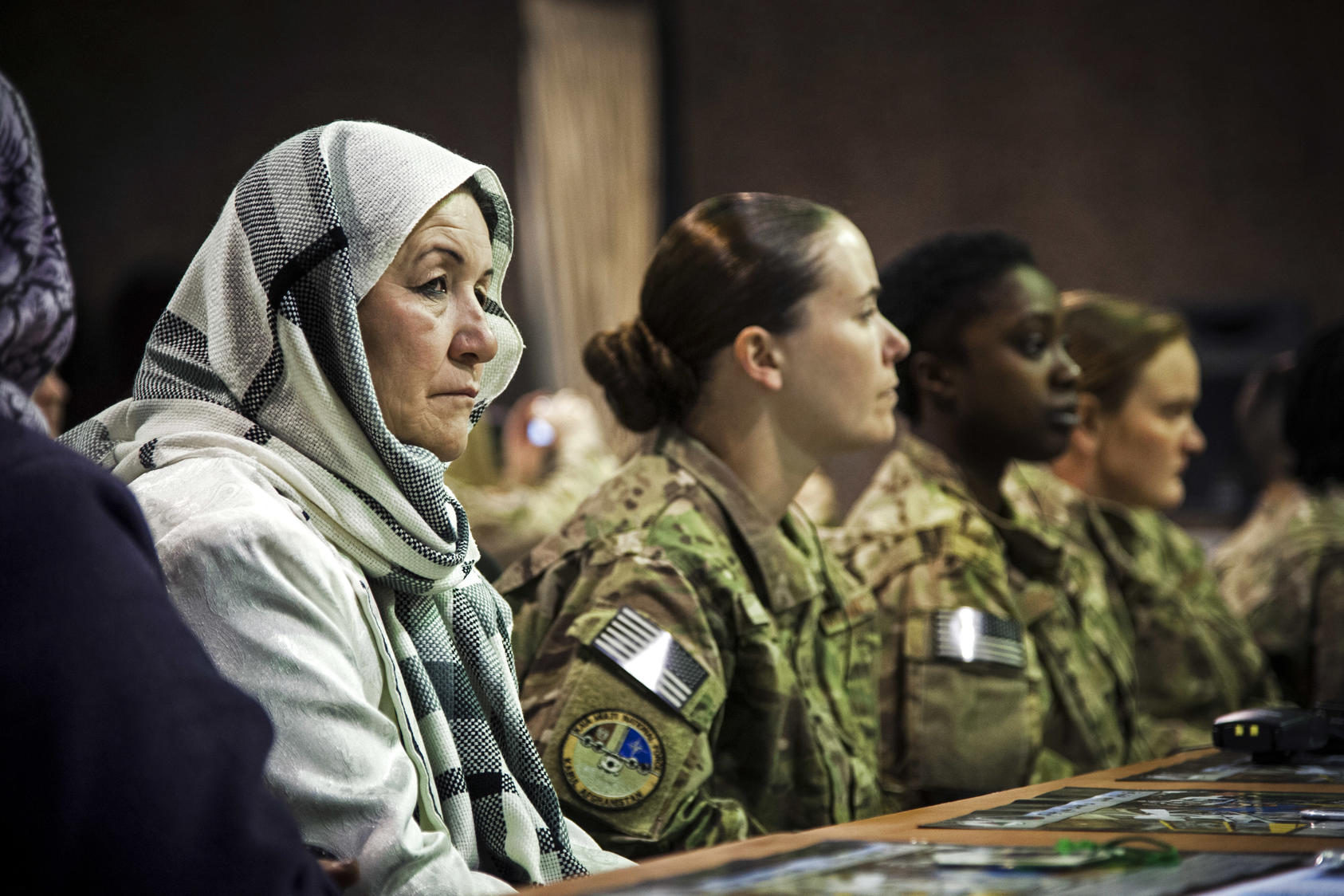
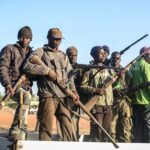
Nigeria’s deepening security cooperation with the United States comes at a defining moment. The evolving mandate of U.S. military engagement in Nigeria is not a combat takeover, but a strategic partnership focused on training, intelligence sharing, technical support, and strengthening operational capacity of Nigerian forces. This intervention is designed to enhance Nigeria’s ability to confront terrorism, insurgency, and organized banditry, particularly in the North East, North Central and North West where groups such as Boko Haram and Islamic State of West Africa Province (ISWAP) and Lakurawa continue to destabilise communities.
The partnership is needed because Nigeria’s security crisis is no longer isolated or conventional. Terror networks have become more adaptive, recruitment patterns more localised, and criminal economies more entrenched? Military training, surveillance support, logistics coordination, and professionalisation of forces are critical components of these responses. However, security threats in Nigeria are not purely military problems, they are social, economic, and governance challenges. That is where the conversation must shift.
However, if this partnership is to produce sustainable outcomes, it must be deliberately aligned with the Women, Peace and Security (WPS) framework established under the United Nations Security Council Resolution 1325 and subsequent resolutions. The WPS Agenda rests on four pillars: Participation, Protection, Prevention, and Relief & Recovery. These pillars provide a strategic lens through which Nigeria–U.S. security cooperation can move beyond tactical gains toward long-term stabilisation.
The uncomfortable truth is that troop support and tactical superiority alone cannot defeat an insurgency that feeds on poverty, exclusion, mistrust, and weak community resilience. Sustainable security must be rooted in people, and in Nigeria’s context, women are central to this foundation.
At the national level, women must move from symbolic inclusion to strategic leadership. Women in parliament, defence institutions, civil society, academia, and intelligence spaces can influence policy direction, budgeting priorities, and oversight systems. Their participation strengthens accountability and ensures that counterterrorism strategies do not inadvertently alienate civilian populations. Women experts in cybersecurity and countering violent extremism can also support intelligence analysis, especially as extremist recruitment increasingly shifts to digital platforms.
At the institutional level, integrating more women into the armed forces, police, and peace-building structures enhances operational effectiveness. Female officers often improve community engagement, facilitate access to women survivors of violence, and reduce tensions during security operations. Their presence builds trust which is an essential ingredient in intelligence gathering.
At the community level, the argument is even stronger. Women are embedded in markets, faith groups, parent associations, and informal mediation spaces. They are often the first to detect signs of radicalisation or suspicious movements. Yet these informal early warning systems rarely connect to formal security frameworks. Therefore investing in women-led early warning networks, community mediation platforms, and economic resilience programmes should be integrated as a core security strategy by the US-Nigerian Government.
The Nigeria–U.S. alliance must also institutionalise women’s participation within joint training frameworks, embed gender-sensitive operations and civilian protection modules, fund grassroots women’s organisations working on preventing extremism, and strengthen survivor-centered accountability mechanisms. Economic empowerment initiatives targeting women and girls in high risk regions must equally align directly with counterterrorism efforts, thereby reducing the vulnerabilities armed groups usually exploit.
Since the mandate of U.S. military support in Nigeria is about strengthening Nigeria’s capacity to secure its territory and its people, we should ensure that this partnership translates into lasting stability, strengthening communities as well as combat units. Women should not be left behind or seen as passive victims of insecurity, but rather as negotiators, intelligence conduits, stabilisers, and builders of social cohesion.
If this partnership is to succeed, it must move beyond hardware and troop deployment to embrace a broader security architecture, one that recognises women not just as beneficiaries of peace, but also as architects of national development.
These partnerships must also reflect the reality that security is not sustained by force alone but by legitimacy, trust, and inclusive governance. Also, aligning military cooperation with the WPS framework will help transforms the partnership from a narrow counterterrorism arrangement into a comprehensive stabilisation strategy.
In conclusion, Nigerian women must not be perceived as peripheral beneficiaries of any security arrangement, but as indispensable agents of prevention, protection, and community peace-building, hence embedding the Women, Peace and Security Agenda at the heart of the Nigeria–U.S. cooperation must be a normative commitment and a strategic necessity for a durable and national stability.
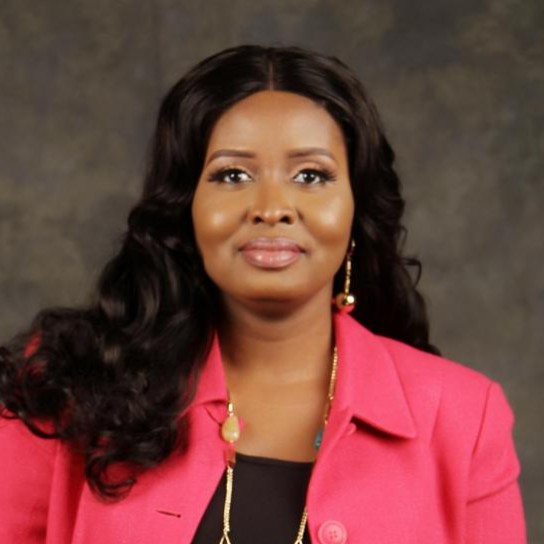
Dr. Asmau Benzies Leo is a development practitioner with extensive national and international expertise in gender equality, peace-building, governance, and humanitarian action. She holds a PhD in Public Governance and Leadership, a Master’s degree in Conflict Management and Peace Studies, and executive certifications from leading institutions including Howard University, Harvard University and Glasgow Caledonian University. As Executive Director of the Centre for Non-violence and Gender Advocacy in Nigeria (CENGAIN), she has led ground-breaking advocacy initiatives on women’s political participation, gender-based violence prevention, and security sector reform across multiple World Bank, UN and EU-supported projects.
The IWA Series 15 Conference is Here
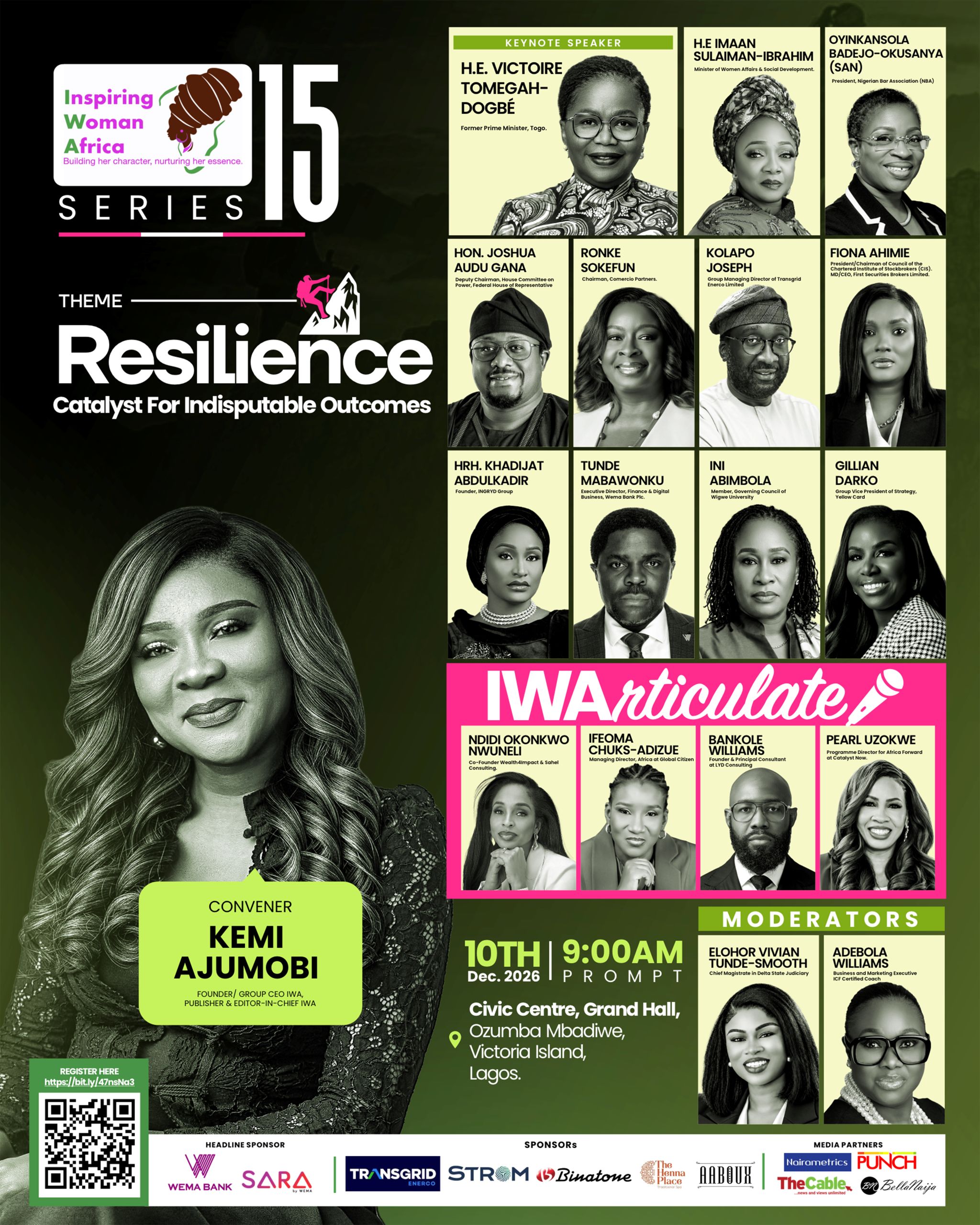
Click To Register
Latest Edition of IWA Magazine
October 20, 2026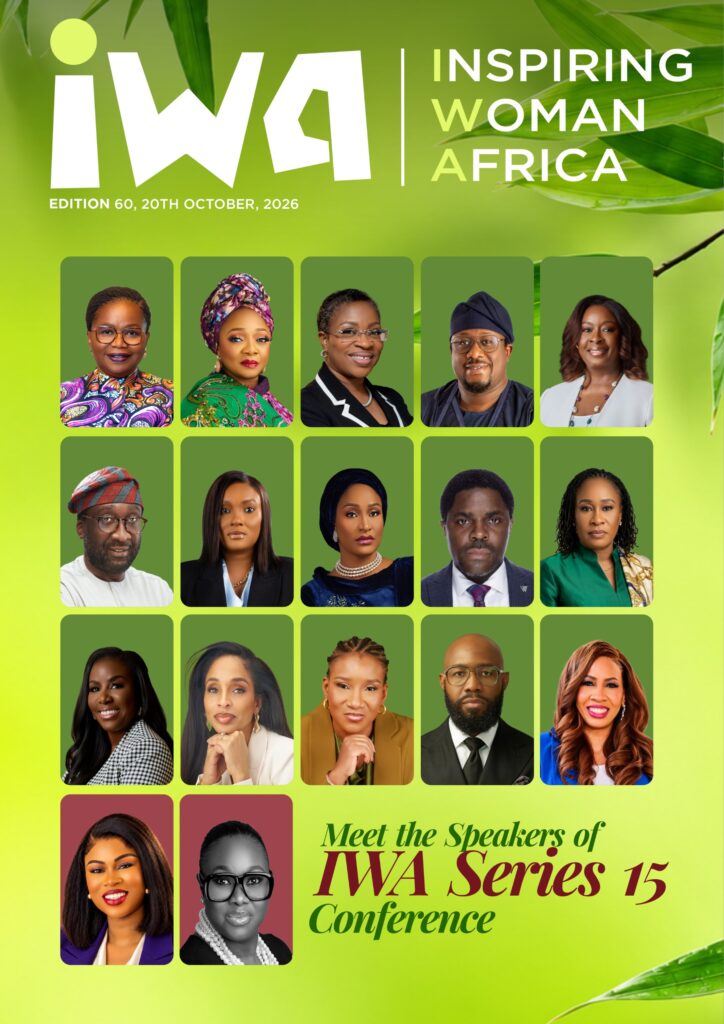
Meet the Speakers of IWA Series 15 Conference
Latest Posts
-
 Oct 20, 2026 Hard Conversations: The Skill No One Puts on a CV
 -
 Oct 20, 2026 5 Africa Women Listed as 2026 Forbes Icons
 -
 Oct 20, 2026 You Are Wealthier Than You Think