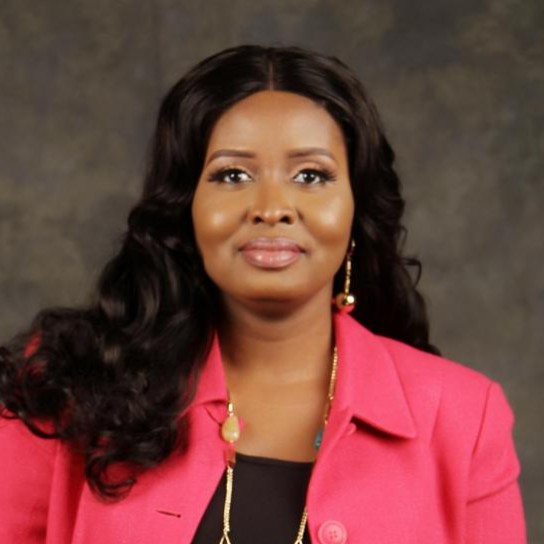
 Dr. Asmau Benzies Leo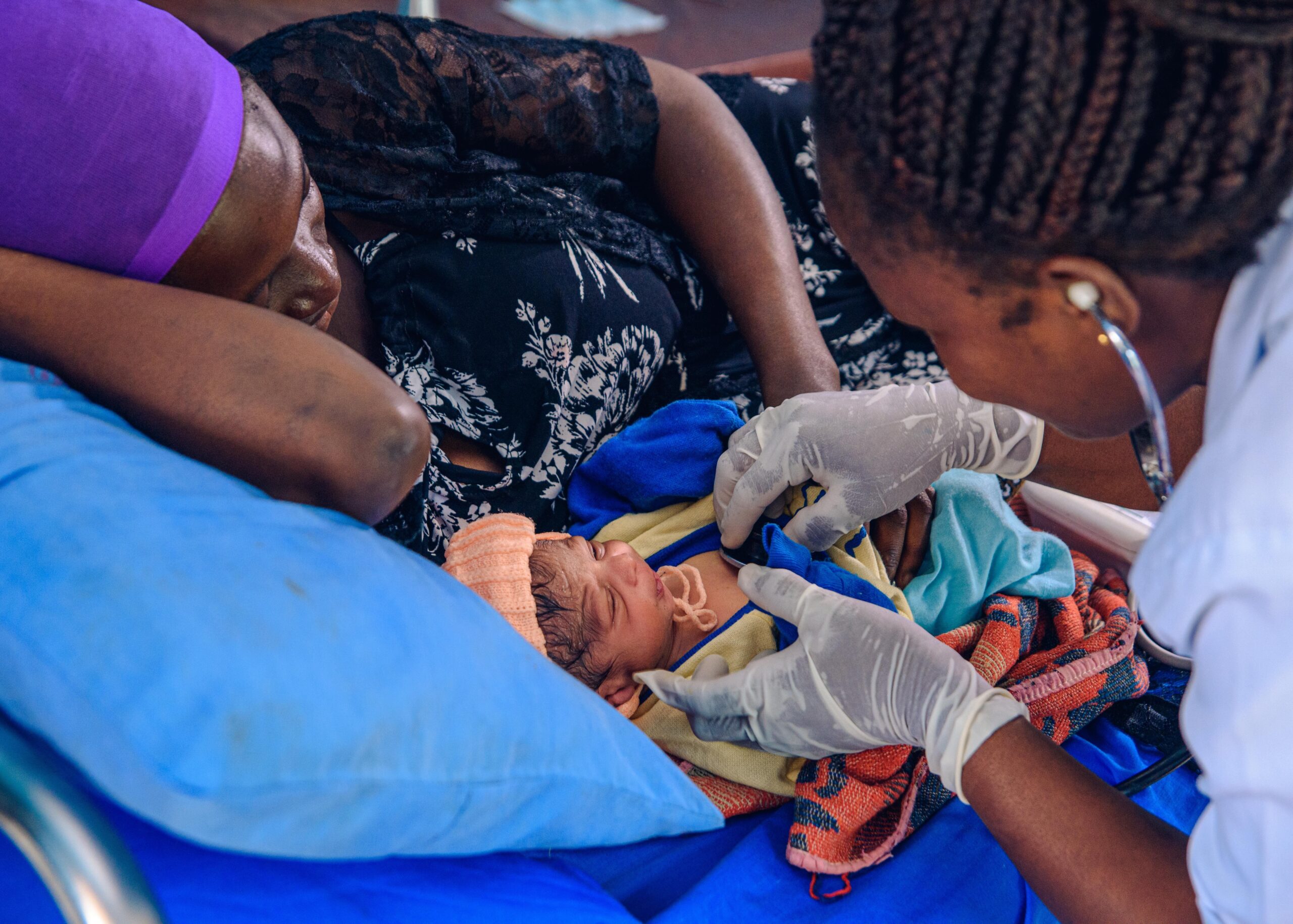
Maternal health remains one of the clearest measures of a nation’s development and the effectiveness of its healthcare system. In Nigeria, the picture is sobering. Despite policy commitments and intermittent improvements, the country continues to rank among the most dangerous places in the world for a woman to give birth. The recent viral video from Enugu State, showing a public hospital in a state of severe neglect has once again forced national attention onto a crisis that has long been normalised.
The video, reportedly recorded by a student nurse, exposed a facility lacking electricity, water, and essential medical supplies, conditions that are not just unacceptable, but life threatening. For pregnant women, such environments significantly increase the risk of complications and death. Rather than being an isolated failure, the Enugu incident reflects a deeper, systemic problem: a health system that is underfunded, overstretched, and often unable to provide even basic maternal care.
Globally, maternal mortality has declined over the past two decades. According to UNICEF, the global maternal mortality ratio dropped from 328 deaths per 100,000 live births in 2000 to 197 in 2023. Yet Nigeria’s situation stands in stark contrast. The country’s maternal mortality ratio remains alarmingly high at about 993 deaths per 100,000 live births, far above the global average and the Sustainable Development Goal target of 70. (World Bank Gender Data Portal)
In global rankings, Nigeria consistently appears among the worst performing countries. Some estimates place it among the top three countries with the highest maternal mortality rates globally. In fact, Nigeria contributes a disproportionately high share of global maternal deaths, between 14% and nearly 28% depending on the dataset, despite accounting for only about 2.6% of the world’s population. This means that roughly one out of every four maternal deaths worldwide occurs in Nigeria. Even more starkly, reports suggest that a woman dies from pregnancy-related causes every 7 minutes in the country.
The scale of the crisis becomes clearer when viewed in absolute numbers. In 2023 alone, Nigeria recorded an estimated 75,000 maternal deaths nearly a third of the global total. And in 2025, over 20,000 maternal, neonatal, and under-five deaths were recorded within just nine months. These are not abstract statistics; they represent thousands of women lost during what should be one of life’s most hopeful moments.
Several structural factors drive this crisis. First is the persistent weakness of primary healthcare systems. Many facilities, like the one exposed in Enugu and other primary health care centers in rural communities in Nigeria lack basic infrastructure, skilled personnel, and essential supplies.
Second is the shortage of skilled birth attendants, historically, less than half of births in Nigeria have been attended by trained professionals.
Thirdly, there are deep inequalities: women in rural, conflict-affected, and northern regions face significantly higher risks, with some areas recording mortality rates several times higher than others.
There are, however, signs of incremental progress. Recent reports indicate improvements in skilled birth attendance and a reduction in facility-based maternal deaths, suggesting that targeted interventions can yield results when properly implemented. But these gains remain uneven and fragile, often undermined by systemic inefficiencies and inconsistent funding.
What must be done to strengthen Nigeria’s healthcare system and improve maternal outcomes?
First, government must prioritise investment in primary healthcare infrastructure. Every community should have access to functional, well-equipped health centres with reliable electricity, water, and essential medical supplies.
Second, there is an urgent need to expand and retain the health workforce, particularly midwives and skilled birth attendants. Incentives must be provided for deployment to underserved and high-risk areas.
Third, health financing reforms are critical. Expanding health insurance coverage, especially for maternal and child health can reduce out-of-pocket costs and encourage timely access to care.
Fourth, accountability and transparency must be strengthened. The Enugu incident highlights the dangers of silencing those who expose system failures. Whistleblowers should be protected, and facility performance should be routinely monitored.
Fifth, government must strengthen referral systems and emergency response mechanisms especially for maternal and newborn health. Timely access to emergency obstetric care can mean the difference between life and death.
Finally, community engagement and education must be deepened. Women need access to accurate information, while communities must be empowered to demand quality healthcare services.
Instances like the Enugu incident should not be dismissed as another fleeting moment of outrage. Instead, it should serve as a stark reminder that behind every statistic is a human life, and that the failure of the health system is, ultimately, a failure of responsibility. If Nigeria is to reverse its global standing in maternal health, it must move from policy promises to sustained, systemic action.
Dr. Asmau Benzies Leo is a development practitioner with extensive national and international expertise in gender equality, peace-building, governance, and humanitarian action. She holds a PhD in Public Governance and Leadership, a Master’s degree in Conflict Management and Peace Studies, and executive certifications from leading institutions including Howard University, Harvard University and Glasgow Caledonian University. As Executive Director of the Centre for Non-violence and Gender Advocacy in Nigeria (CENGAIN), she has led ground-breaking advocacy initiatives on women’s political participation, gender-based violence prevention, and security sector reform across multiple World Bank, UN and EU-supported projects.
Latest Edition of IWA Magazine
September 22, 2026
Damilola Ogunbiyi, Leading Global Push For Sustainable Energy Access
Latest Posts
-
 Sep 22, 2026 Stop Measuring Your Life With Someone Else’s Ruler