 Wola Joseph-Condotti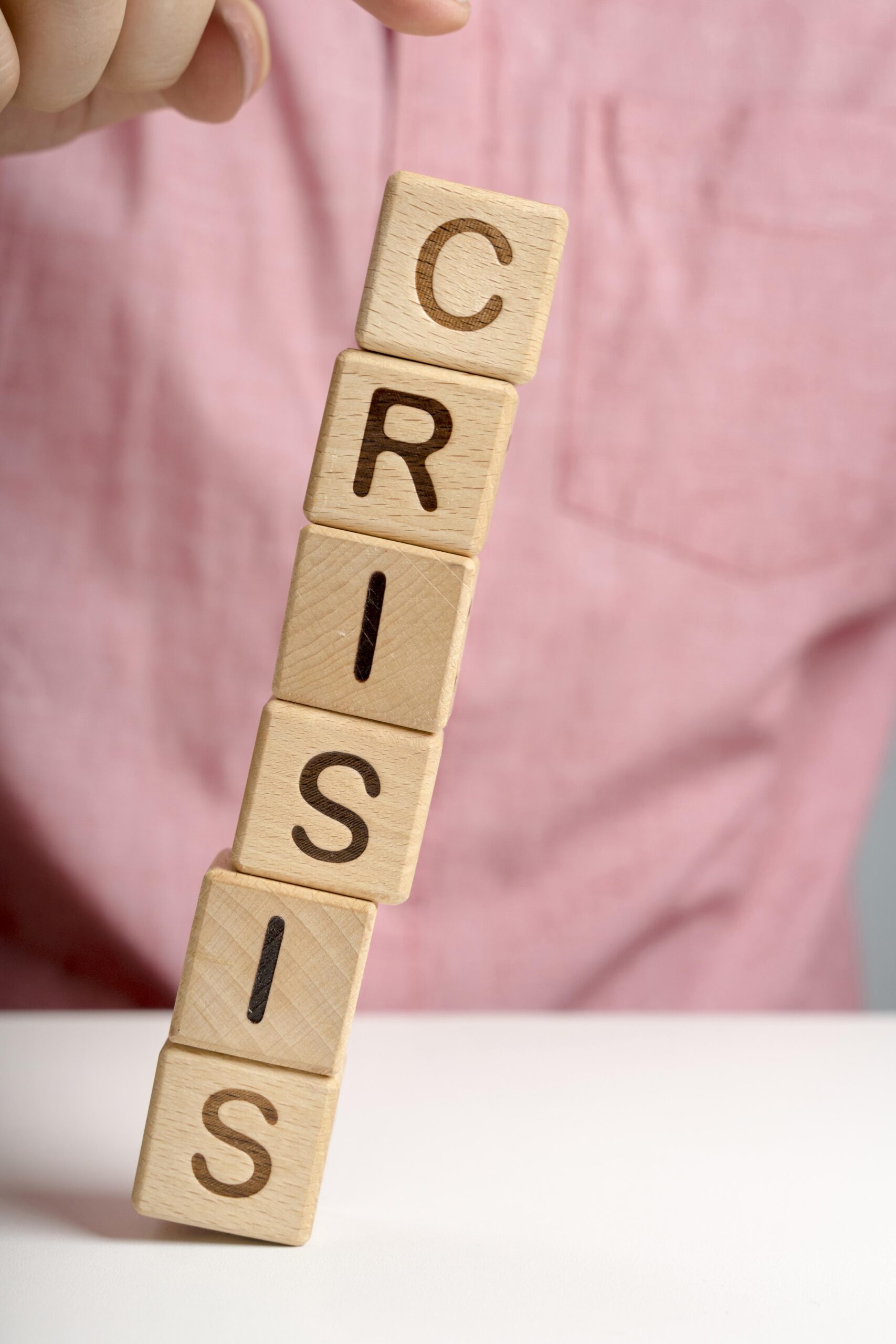
A few years ago, leadership was about setting vision, driving results, and occasionally managing disruptions.
Today, disruption is the baseline.
We no longer lead in a world punctuated by isolated crises. We lead in a world shaped by permanent volatility. Economies are unpredictable. Social norms are shifting. Digital acceleration is relentless. Global headlines are dizzying.
We are living and leading through what scholars now call the “perma-crisis.”
The New Leadership Exhaustion
There is a toll to this new reality. It is not just the demands of decisions, but the emotional clutter that comes with them. Crisis fatigue is real. And it is silent.
You may still show up. Perform. Deliver. But underneath, there is a weariness that accumulates not from failure, but from the unending pressure to stay composed, strategic, optimistic, and ahead of every storm.
As leaders (especially female executives) many of us are holding space for everyone else’s emotions, even while suppressing our own.
And this constant state of alertness can start to fray even the most resilient among us.
The Power of Anchoring
So how do you lead when the winds never stop blowing?
You anchor.
You find the steady place in your life that holds you, grounds you, and keeps you from drifting into anxiety or cynicism.
For some, that anchor is faith. A deep belief that we are not at the mercy of chaos, but under the guidance of divine purpose.
For others, it is routine. A morning walk, a structured day, a sacred pause.
For all of us, it must include values because when the external world is uncertain, only our internal compass can ensure we still lead with integrity.
Becoming a Non-Anxious Presence
In times of crisis, teams do not just follow strategy, they mirror energy.
When a leader is frantic, the team spirals. When a leader is anchored, the team stabilizes. Your ability to be a non-anxious presence (someone who acknowledges uncertainty without being consumed by it) is one of the greatest leadership gifts you can offer in this era.
And that steadiness is not something you conjure. It is cultivated.
In the quiet. In prayer. In reflection. In intentional, internal work that is not visible on the performance dashboards but is felt in the atmosphere you carry.
Lessons from the Word
In the Bible, Joseph led through multiple perma-crises. Family betrayal, false accusations, imprisonment, famine. Yet his response was never reactive. It was rooted. Strategic. Spirit-led.
How? Because his identity was not tethered to external stability. It was grounded in God’s calling over his life. Joseph did not just survive the crisis. He became the solution.
That is the call for many of us today. To lead not just with competence but with clarity and calm in a world that desperately needs it.
Holding Two Truths
Leadership in a perma-crisis world requires holding two truths at once:
That things are not okay and we must make hard decisions with incomplete information.
That we can still be okay because we are rooted in something deeper than the chaos around us.
Both can be true. You can be tired, and still show up with grace. You can feel stretched, and still speak with wisdom. You can be uncertain, and still lead with conviction.
Final Thoughts
We are not going back to “normal.” But perhaps that is not the goal.
Perhaps this is an invitation to a new kind of leadership one that does not crumble under pressure but rises with perspective.
So pause. Breathe. Anchor.
Because in a world of relentless noise, the leaders who will endure are not just the smartest or the fastest.
They are the ones who are deeply rooted in faith, in values, in purpose. And from that place, they lead with a strength the world cannot shake.
Wola Joseph-Condotti is the CEO of Eko Electricity Distribution Company (EKEDC). She is a Harvard-trained lawyer and passionate advocate for faith-driven leadership, gender equity, and energy transition in Africa, she writes from the intersection of power, purpose, and personal growth.
The IWA Series 15 Conference is Here
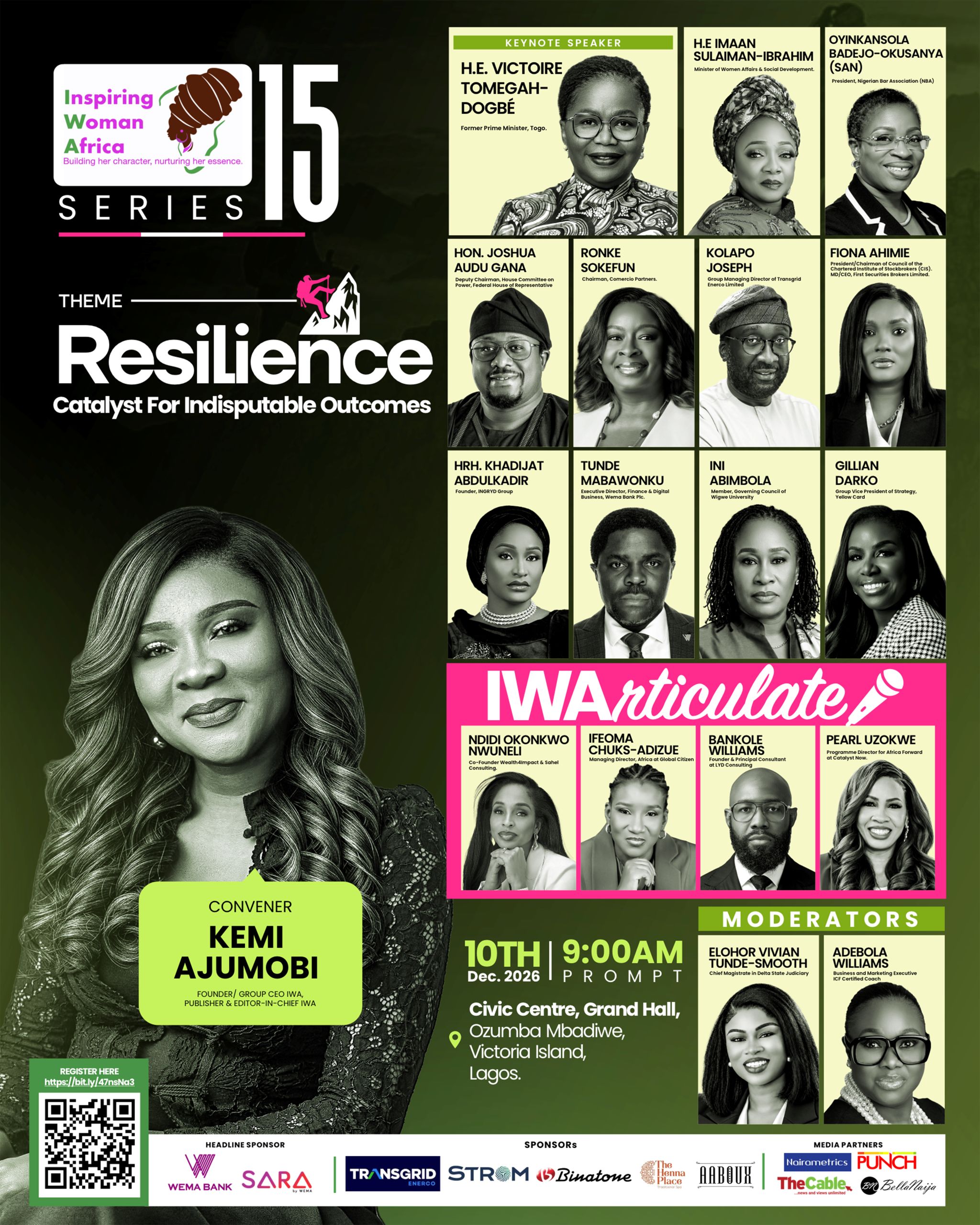
Click To Register
Latest Edition of IWA Magazine
October 20, 2026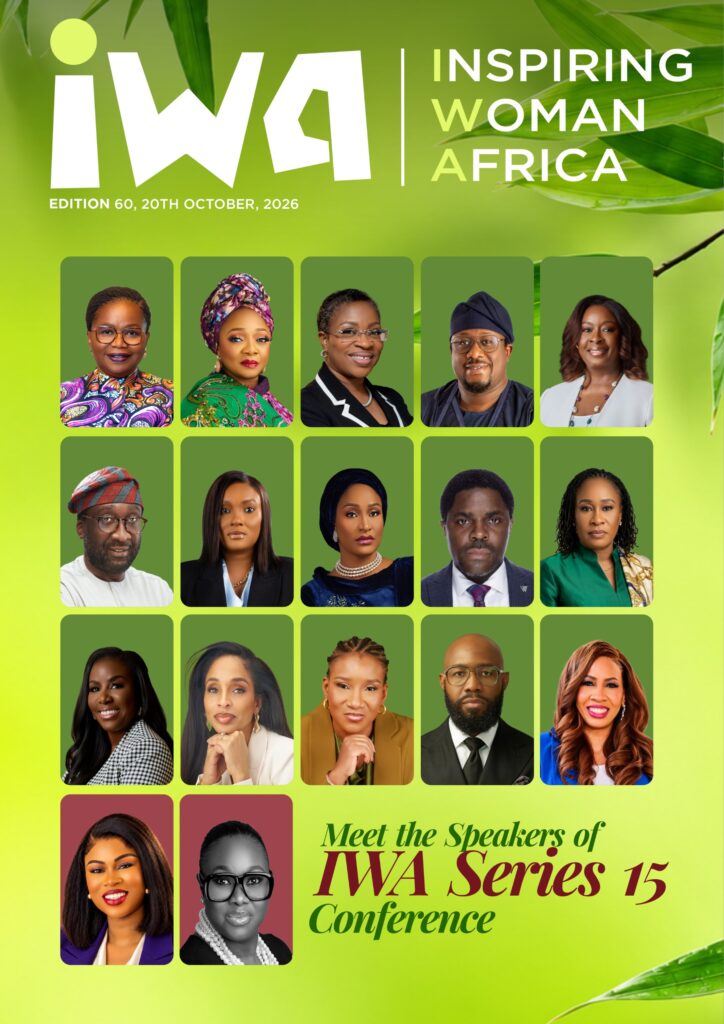
Meet the Speakers of IWA Series 15 Conference
Latest Posts
-
 Oct 20, 2026 Hard Conversations: The Skill No One Puts on a CV
 -
 Oct 20, 2026 5 Africa Women Listed as 2026 Forbes Icons
 -
 Oct 20, 2026 You Are Wealthier Than You Think