 Sola Adesakin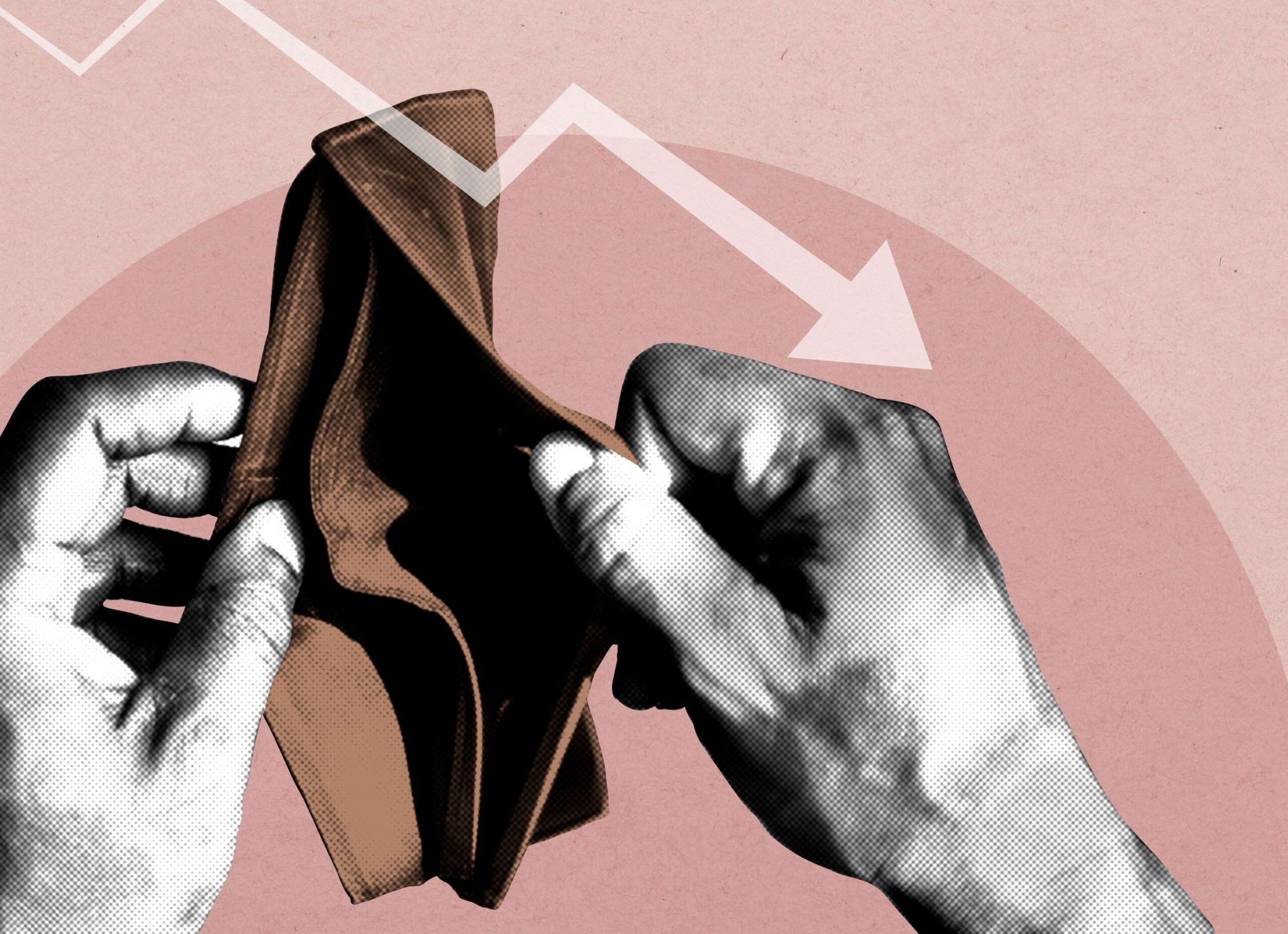
The car is impressive. The apartment is lovely. The net worth is a different story entirely.
There is a particular kind of financial vulnerability that does not look like vulnerability at all. The woman living it has a good job, possibly a great one. Her wardrobe is assembled carefully. She eats at the right places. She shows up to every occasion looking exactly like someone who has figured things out. And she has, in many ways. She has figured out how to earn. What she has not figured out is how to keep.
High-income broke is not a new phenomenon, but it is a growing one, and in Nigeria, it has some specific textures worth naming. The pressure to display prosperity, to show that your education and effort have produced visible results, is enormous. It is cultural, it is social, and it is, in many cases, completely disconnected from what is actually happening in your bank account.
Let us be precise about what high-income broke means. It does not mean you are struggling in an obvious way. It means your income is high, your expenses are higher, and your assets are either minimal or non-existent. Your cash flow looks healthy on salary day and is uncomfortable by the third week. You have no investment portfolio, or a negligible one. Your savings, if they exist, would cover perhaps two months of your current lifestyle. And if your income stopped tomorrow, the architecture of your life would begin to collapse within 90 days.
That is not financial security. That is financial performance.
How does someone arrive here? Usually through a series of individually reasonable decisions that were never evaluated against each other. The apartment was a reasonable upgrade when the promotion came through. The car was a reasonable next step. The lifestyle that came with the new social circle felt like a natural evolution. No single decision was reckless. But they compound, and at some point, income becomes a treadmill rather than a launchpad.
The diagnostic question is simple: if you stopped working today, how long could you sustain your current life without borrowing? Six months is a minimum baseline. Twelve months is where stability begins. Beyond that, you are building genuine financial independence. Most people in the high-income broke category cannot honestly answer six months.
Getting out requires two things happening at the same time. First, a serious look at the gap between your income and your actual cost of living, not what you spend on necessities, but what your lifestyle actually costs each month in total. This number needs to be faced clearly, without rationalisation. Second, a commitment to directing a portion of every inflow, before lifestyle absorbs it, toward assets that will exist whether or not you are working. Equities, real estate, a diversified investment portfolio, a pension that you actively monitor rather than ignore.
The size of your income is not the problem. The structure around it is. A woman earning N500,000 a month with a savings rate of 20 percent and a growing investment portfolio is wealthier in any meaningful sense than a woman earning N2 million a month whose net worth is negative. Income is not wealth. Assets are wealth. The difference between the two is what you do in the space between earning and spending.
There is also something worth saying about social pressure, because it is real and it is not trivial. The expectation that a successful woman will live in a certain way, drive a certain car, dress at a certain level, contribute a certain amount to family needs, those expectations do not pause while you are trying to build a financial foundation. Navigating them requires clarity about what you are actually building, and the ability to hold that vision even when visibility is the more immediately rewarding option.
The car can be impressive later, when it is paid for by dividends. For now, the most powerful thing you can do is build a net worth that matches the life you project. Not to impress anyone. Simply because the performance, eventually, becomes exhausting, and the only thing that replaces it with something solid is wealth that is real.
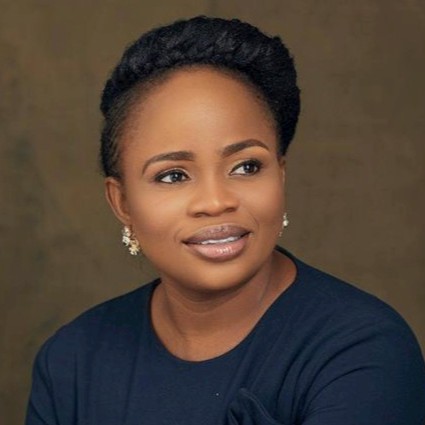
Sola Adesakin is a highly respected wealth coach and chartered accountant with over two decades of transformative impact in the finance industry. As the visionary founder of Smart Stewards Financial Advisory Limited and Smart Stewards Advisory LLC, she has revolutionized the financial wellbeing of countless individuals and businesses across 40 countries. Her methodical approach to ‘make-manage-multiply’ money principles has elevated many from financial stress to prosperity, and mediocrity to exceptional achievement.
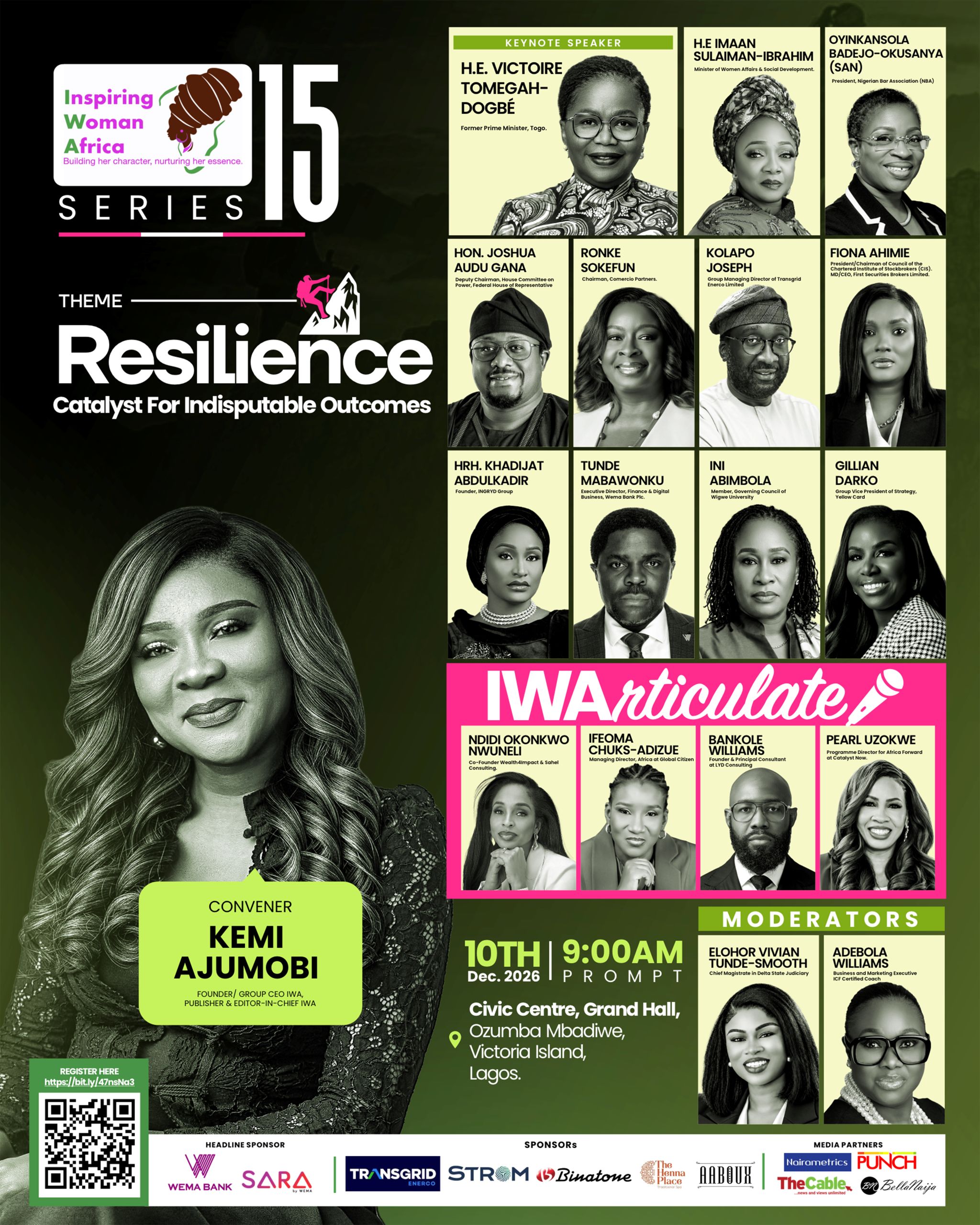
The IWA Series 15 Conference is Here
Click To Register
Latest Edition of IWA Magazine
October 20, 2026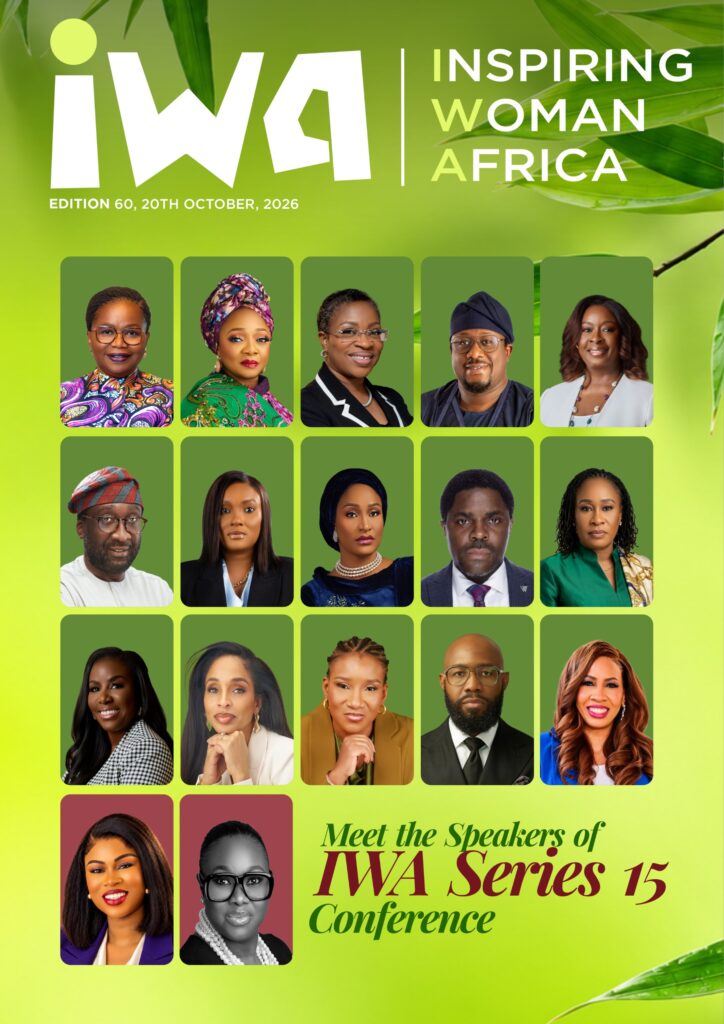
Meet the Speakers of IWA Series 15 Conference
Latest Posts
-
 Oct 20, 2026 Hard Conversations: The Skill No One Puts on a CV
 -
 Oct 20, 2026 5 Africa Women Listed as 2026 Forbes Icons
 -
 Oct 20, 2026 You Are Wealthier Than You Think