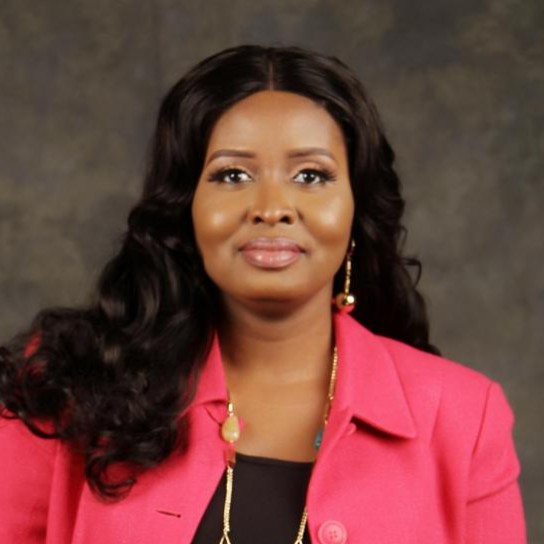
 Dr. Asmau Benzies Leo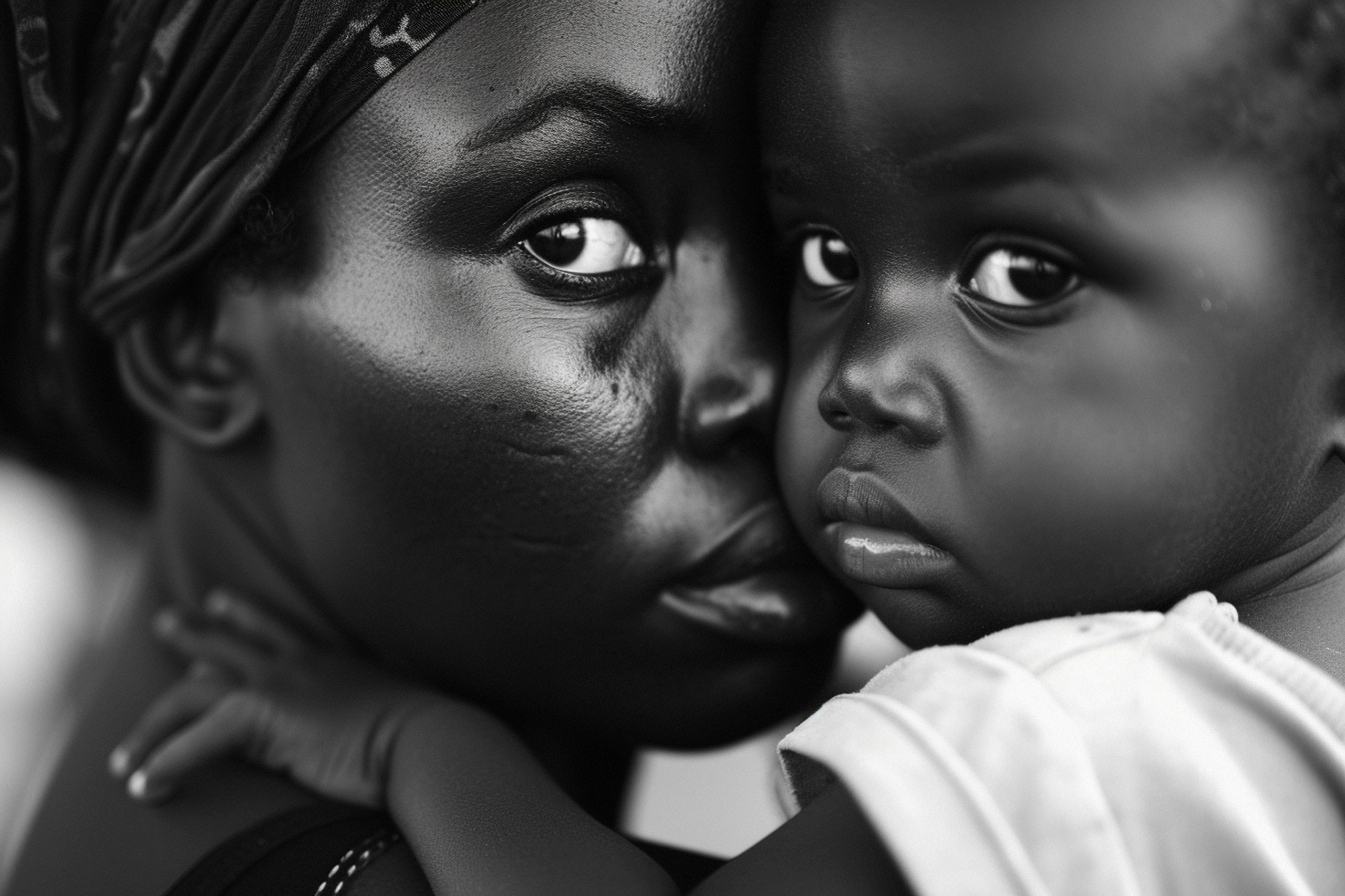
The tragedy currently unfolding in the forests of northeastern Nigeria and the rural heartlands of the Middle Belt is not merely a sequence of isolated crimes, but the manifestation of a chilling political economy. Here, women and children are being hunted and captured to be traded as commodities in a cycle of violence that has evolved to defy decades of military intervention. The recent, harrowing abduction of over 416 women and children from Ngoshe in Borno State, following a brutal insurgent assault that displaced over 12,000 people alongside the massacre and mass kidnappings of over 170 persons in Kwara State, underscores a terrifying reality: mass abduction has been industrialized into a lucrative enterprise and a primary weapon of war.
These victims are far more than statistics; they are mothers torn from their families and daughters robbed of their futures. In Borno, the abduction of the Ngoshe residents and many such occurrences are emblematic of the long running insurgency driven by ISWAP and Boko Haram factions. Victims are often displayed in propaganda videos, a tactic designed to exert maximum psychological pressure on the government. More disturbingly, the demand for astronomical ransoms, accompanied by threats to “share” or permanently “disappear” the captives, reveals a brutal system where women are treated as spoils of war, objects to be distributed or exploited to reward fighters.
This crisis has now breached its traditional geographical boundaries. The violence in Kwara State equally reflects a disturbing expansion of terror into regions once considered safe.
In February 2026, the Kaiama massacre saw 170 people killed and dozens of women abducted, signaling that the lines between ideological insurgency and criminal banditry have blurred into a single, predatory force.
Whether motivated by extremism or greed, the perpetrators target the most vulnerable because they are the most effective bargaining chips in a ransom economy. When these ransoms are paid, they provide the resources for armed groups to rearm; when they are not, the victims face the unimaginable horrors of forced marriage, sexual slavery, and lifelong trauma.
The persistence of these abductions signals a profound protection crisis. While the Nigerian government has intensified military operations, such as the recent “Operation Savannah Shield” and secured occasional rescues, the efforts remain insufficient against the scale of the threat. The convergence of extremist insurgency, organised crime, and weak governance has created an environment where human lives are effectively monetised. To break this cycle, the approach must shift from reactive military strikes to a holistic strategy that prioritises community based early warning systems, disrupts the financial flow of the ransom economy, and integrates gender sensitive protection measures specifically designed to shield women and children.
Ultimately, the mass kidnappings in Ngoshe, Kwara, and even the recent raids on orphanages in Kogi state are indictments of a system that has struggled to protect its most vulnerable citizens. To ignore the gendered nature of this violence is to normalise the commodification of human beings. Acting decisively is the only way to affirm that women and children are not currency in a war economy, but citizens deserving of safety, dignity, and justice. Their lives must never again be the subject of a negotiation.
Recommendations:
To end this cycle of horror, Nigeria must adopt a holistic and decisive approach through the following:
1. Strengthen Community Protection Systems:
Establish well-trained, accountable local security networks with early warning systems in vulnerable areas.
2. Disrupt the Ransom Economy
Develop clear policies that deter ransom payments while providing alternative rescue and negotiation frameworks.
3.Enhance Intelligence and Surveillance:
Invest in technology driven intelligence, including drones and community based informants, to track and prevent attacks.
4. Prioritise Women-Centered Protection Strategies:
Integrate gender sensitive approaches into security planning, including safe shelters and rapid response units for women and children.
5. Rehabilitation and Reintegration:
Provide comprehensive psychosocial support, education, and economic opportunities for survivors.
6. Regional and International Collaboration:
Strengthen cross-border security cooperation to dismantle transnational networks enabling these crimes.
In conclusion, to ignore this crisis is to normalise the commodification of human lives. To act decisively is to affirm that women and children are not currency in a war economy, they are citizens deserving of dignity, safety, and justice. Their lives must never again be negotiated on the basis of insecurity.
Dr. Asmau Benzies Leo is a development practitioner with extensive national and international expertise in gender equality, peace-building, governance, and humanitarian action. She holds a PhD in Public Governance and Leadership, a Master’s degree in Conflict Management and Peace Studies, and executive certifications from leading institutions including Howard University, Harvard University and Glasgow Caledonian University. As Executive Director of the Centre for Non-violence and Gender Advocacy in Nigeria (CENGAIN), she has led ground-breaking advocacy initiatives on women’s political participation, gender-based violence prevention, and security sector reform across multiple World Bank, UN and EU-supported projects.
The IWA Series 15 Conference is Here
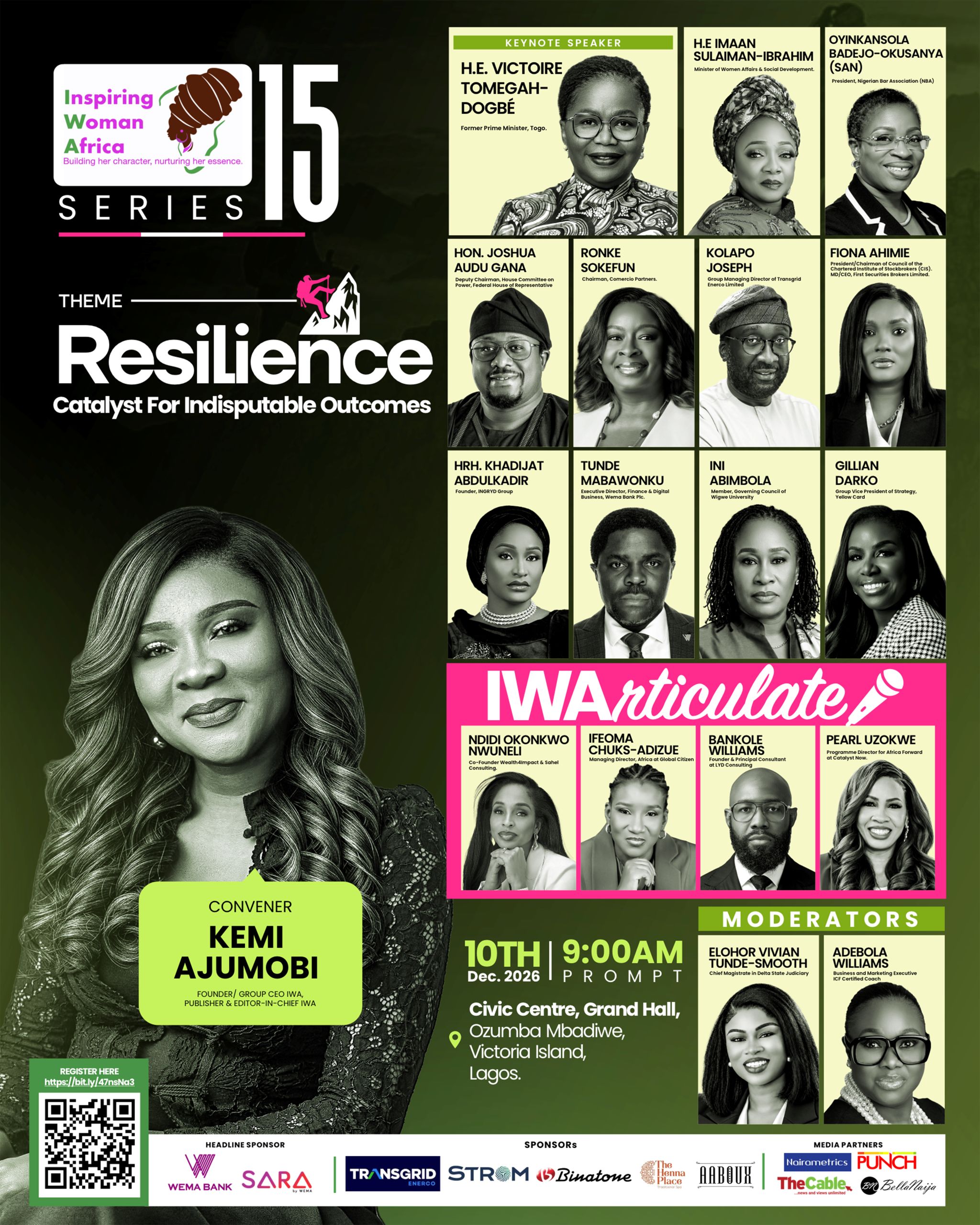
Click To Register
Latest Edition of IWA Magazine
October 20, 2026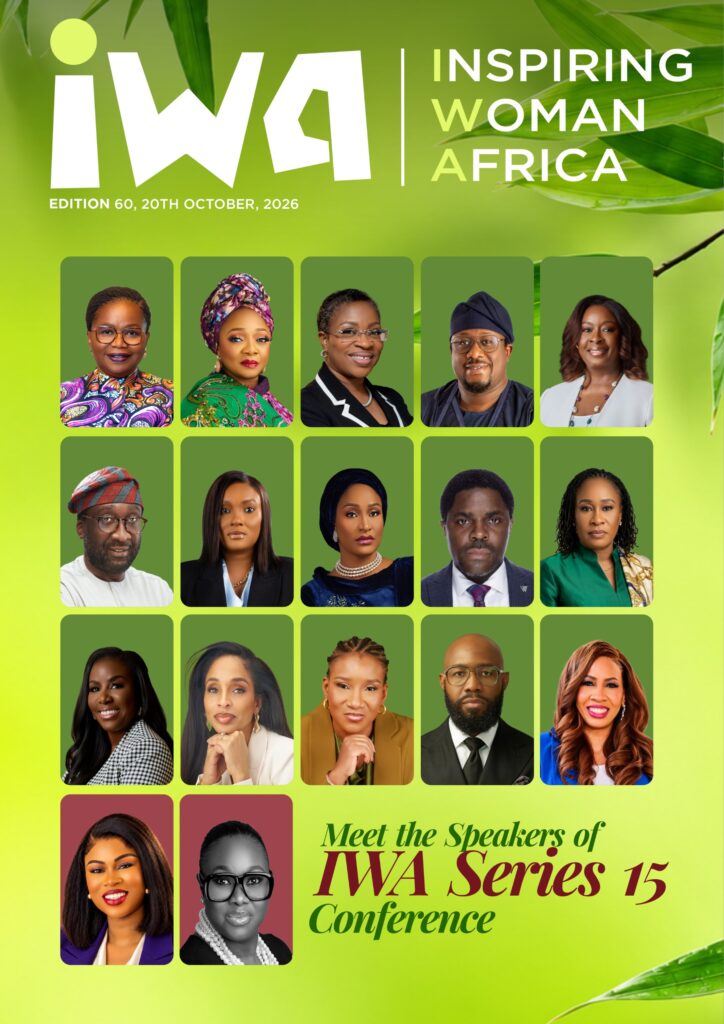
Meet the Speakers of IWA Series 15 Conference
Latest Posts
-
 Oct 20, 2026 Hard Conversations: The Skill No One Puts on a CV
 -
 Oct 20, 2026 5 Africa Women Listed as 2026 Forbes Icons
 -
 Oct 20, 2026 You Are Wealthier Than You Think