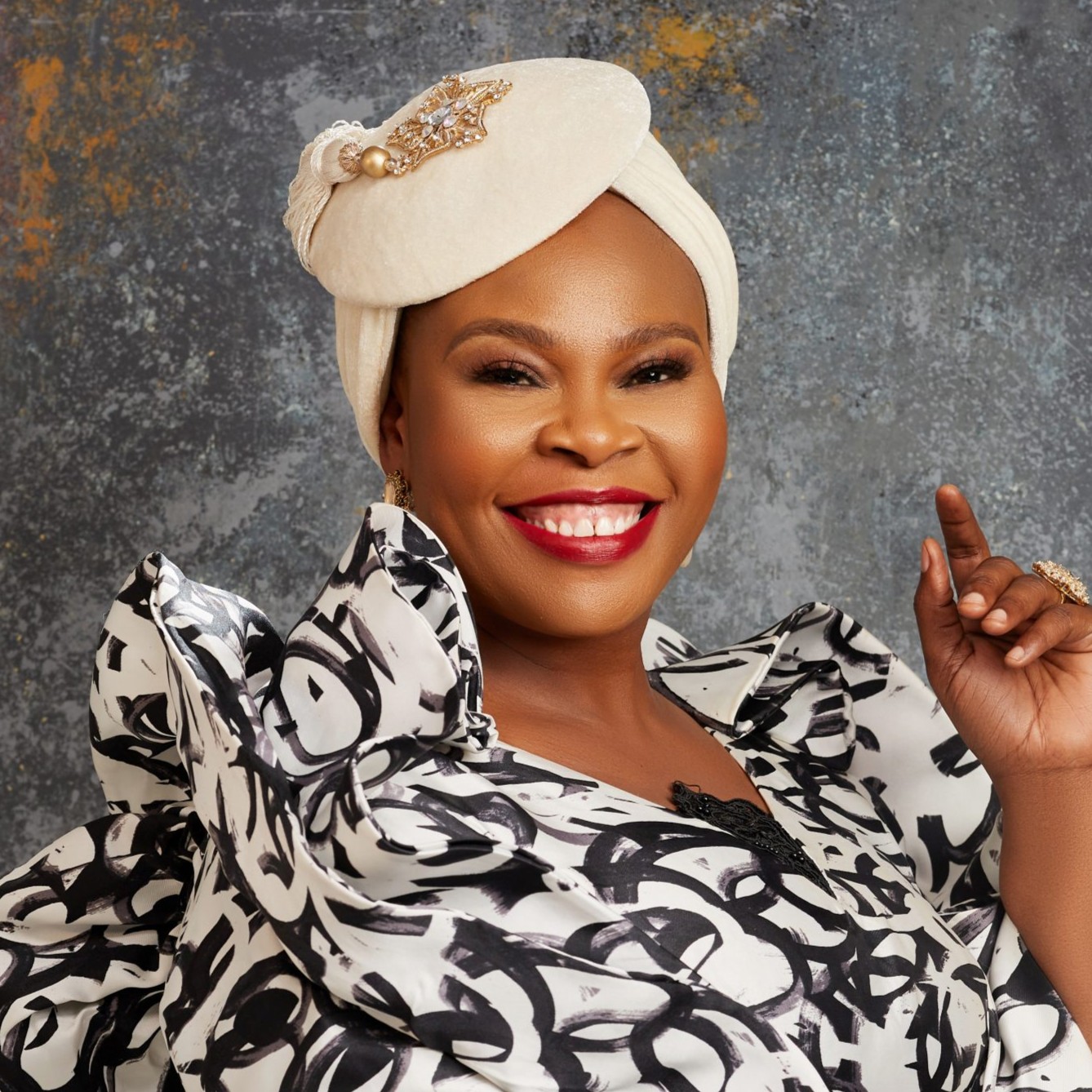
 Dr. Maymunah Yusuf Kadiri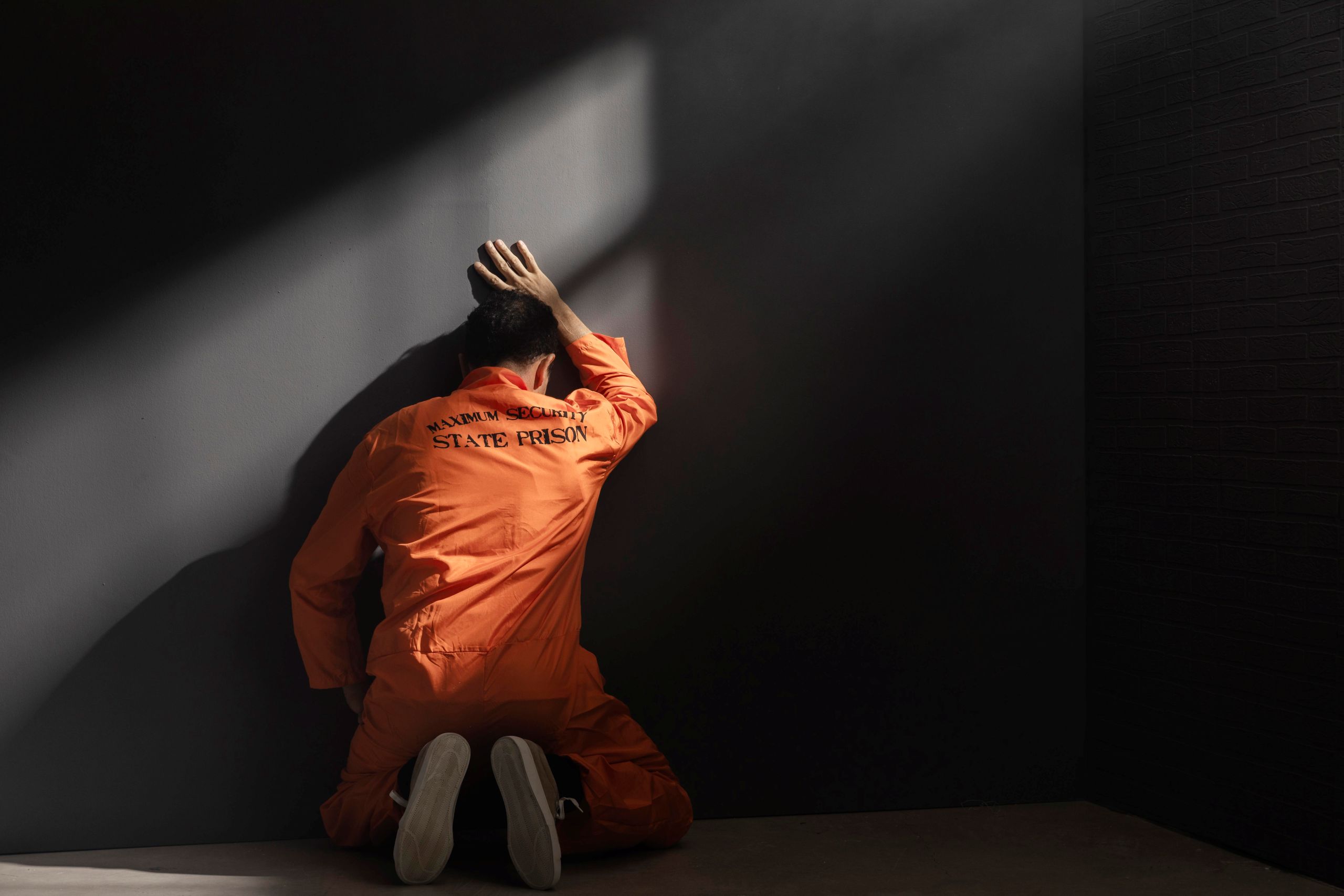
The Federal Executive Council approved an amendment to the National Mental Health Act to decriminalise attempted suicide, finally ending the colonial-era provisions that for decades treated psychological distress as a criminal offence. Section 327 of the Criminal Code Act and Section 231 of the Penal Code, archaic laws inherited from British colonial rule have long punished people already suffering the deepest pain imaginable, subjecting survivors to up to one year in prison, fines, or both.
Today, we shift from prosecution to compassion. From handcuffs to healing.
This is personal to me. Not just as a Psychiatrist , but as someone who has spent nearly two decades on the frontlines of this fight.
But let us be honest: this victory came at a terrible cost. The World Health Organisation estimates that Nigeria loses more than 7,000 lives to suicide annually, with a staggering 300,000 attempts each year. Other sources suggest the figure may be closer to 16,000 deaths annually and many more go unreported due to stigma and fear of prosecution. Over 450,000 Nigerians require psychosocial support every year. Behind each number is a story of silent suffering—a child, a parent, a colleague criminalised simply for being ill.
From our helplines at HowBodi in 2025, over 2,000 suicidal ideations were recorded across all states in Nigeria, and more than 500 potential suicide attempts were averted. Yet we continue to face a severe shortage of mental health professionals, with fewer than 200 psychiatrists serving over 200 million people.
Nigeria is not alone in this journey. Across the globe, nations are waking up to the truth: suicide is a public health issue, not a crime.
In the last two decades, countries including India, Guyana, Ghana, Pakistan, and Malaysia have successfully decriminalised attempted suicide. Pakistan repealed Section 325 of its Penal Code in 2022, with its Senate declaring that “suicide was not a criminal offence but a mental illness.” Ghana followed suit in 2023 with its Criminal Offences Amendment Act. Kenya’s High Court decriminalised attempted suicide in January 2025, declaring Section 226 of the Penal Code unconstitutional. Rwanda led the way on the African continent as early as 2018.
Yet, as of 2024, approximately 23 countries still criminalise suicidal acts. Nigeria was among them, a status we are now determined to shed.
Globally, suicide remains the third leading cause of death among young people aged 15–29. The World Health Organisation reports that the African region now has the highest suicide rate globally, at 11 deaths per 100,000 people, compared to the global average of 9. The male suicide rate in Africa is the highest of any region, at 18 per 100,000.
Critics may ask: “Won’t decriminalisation encourage more suicide attempts?”
The evidence points firmly in the opposite direction. A systematic review demonstrated that criminalisation of attempted suicide is associated with increased rates of suicide, particularly in low- and middle-income countries. Countries that criminalise attempted suicide do not have consistently lower suicide rates compared to the global average. What criminalisation does achieve is simple and devastating: it keeps survivors from seeking help.
As Minister of Health Professor Ali Pate rightly observed, the existing legal framework “discourages help-seeking behaviour” and creates a fundamental inconsistency with the National Mental Health Act 2021, which already provides for supportive care, protection, and treatment for people at risk of self-harm. He drew a powerful analogy: treating someone who attempts suicide as a criminal “is like getting somebody who has tuberculosis and saying, ‘Why did you have tuberculosis?'”
But we must be clear: decriminalisation is not the finish line, it is the starting block. Minister of Health Professor Ali Pate has set an ambitious target: reducing suicide deaths and attempts by 15 percent by 2030. This will require far more than legislative change.
It demands massive investment in mental health infrastructure, including training more psychiatrists, psychologists, and community health workers. It requires public awareness campaigns that challenge stigma and teach Nigerians to recognise the warning signs of suicide. It necessitates accessible and affordable care, through platforms like HowBodi, which bring therapy and psychosocial support directly to people’s phones. And it calls for community-led interventions, engaging faith leaders, teachers, and employers to become gatekeepers of mental well-being.
I have been building these systems for years—through The Mental Health Conference, Pinnacle Health Radio, Pinnacle Medical Services’ 30-bedded inpatient hospital, Employee Assistance Programmes managing over 32 companies with more than three million employees, and HowBodi, telemedicine platform making mental health care accessible to underserved communities. I have used films, conversation cards, board games, and community engagement to normalise the very conversations we have avoided for generations. And I have never been prouder of my country than I am today.
But we cannot do it alone. Government, private sector, and civil society must work hand in hand.
To every Nigerian who has felt the cold grip of despair: your pain is not a crime. You are not weak. You are not cursed. You are human. And now, your country is finally recognising that the only appropriate response to suffering is care, not punishment.
To the National Assembly: I urge you to pass this amendment swiftly. Do not let bureaucratic inertia delay what is fundamentally a matter of life and death. The current legislators have a tenure that ends in December 2026. We cannot afford to start this journey from zero.
And to every Nigerian reading this: start talking. Normalise the uncomfortable conversations. Keep raising your voices, sharing resources and calling on the National Assembly to decriminalise attempted suicide in Nigeria. We need all hands on deck to achieve this. We can do it. It is a MOVEMENT.
Ask your colleague how they truly are. Check on your friend who has been quiet lately. One conversation could save a life.
This is our moment. The gong has sounded. Now, let us listen and let us heal.
About Author
Maymunah Yusuf Kadiri
Dr. MAYMUNAH YUSUF KADIRI (aka DR. MAY) popularly referred to as “The Celebrity Shrink,” is a multiple award winning Mental Health Physician, Advocate & Coach. She is the convener of “The Mental Health Conference” and the Medical Director and Psychiatrist-In-Chief at Pinnacle Medical Services, Dr. Kadiri is a dynamic Consultant Neuro-Psychiatrist and a Fellow of the National Post Graduate Medical College of Nigeria (FMCPsych) with almost 20 years’ experience as a practicing Physician.
Latest Edition of IWA Magazine
October 14, 2026
TIWLC 2026: Ibukun Awosika Led Women To Lose Fear
Latest Posts
-
 Oct 14, 2026 PARTICIPANTS AT TIWLC 2026 DAY 1
 -
 Oct 14, 2026 The Four Numbers That Define Your Financial Life