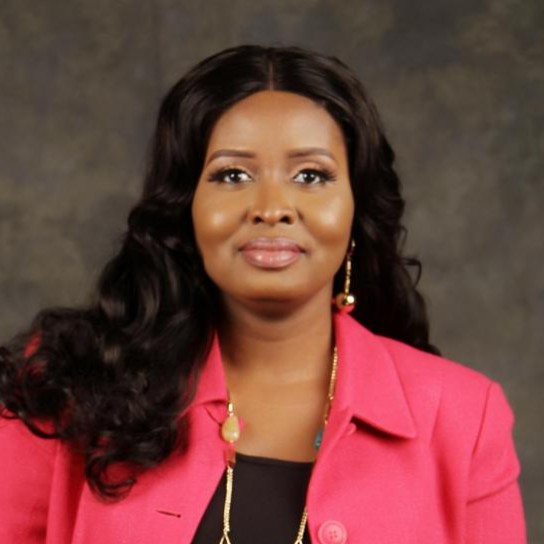
 Dr. Asmau Benzies Leo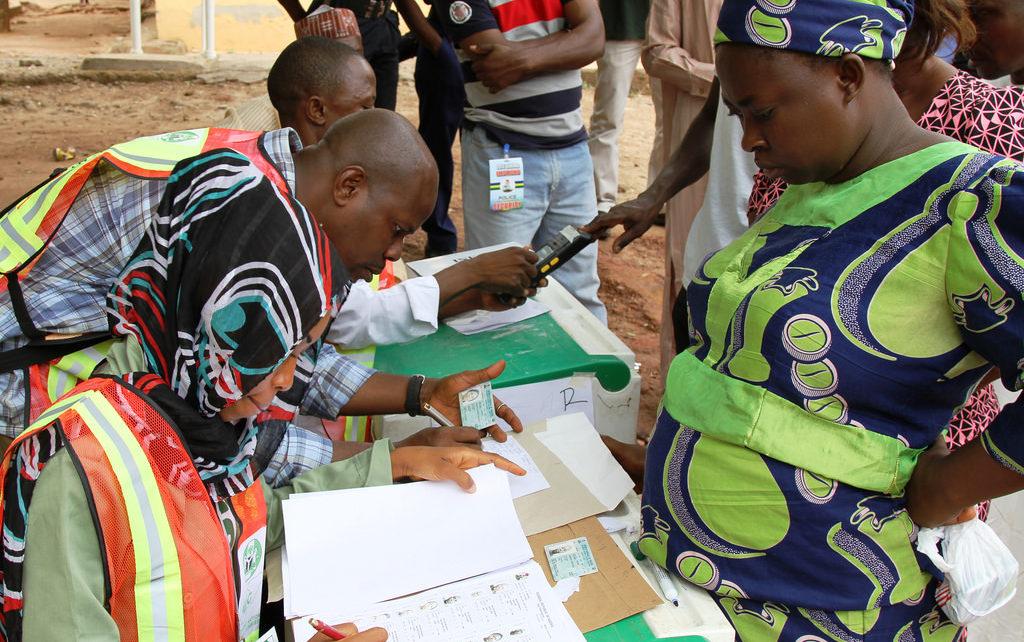
Nigeria’s democracy is once again at a defining crossroad as the National Assembly debates amendments to the Electoral Act ahead of the 2027 general elections. What might seem like routine legislative harmonisation has evolved into a national reckoning about electoral integrity and for Nigerian women, about political survival and representation.
At the heart of the debate is the question of electronic transmission of election results. After the controversies surrounding the 2023 elections, many Nigerians are demanding for a stronger safeguards to preventing electoral manipulation during collation. Coalition of Civil society organisations including women groups and activists have expressed deep concern in the Nigerian Senate’s position which appeared to weaken the mandatory real-time electronic transmission provision.
Conflicting interpretations have raised concerns on Senate’s initial disapproval of real-time transmission. Another question that came up is whether the Senate did merely retain discretionary powers for INEC? Or did it replace the word “transmit” with “transfer” and quietly remove the “real-time” qualifier? This lack of clarity ignited public distrust and triggered protests, including the now symbolic “Occupy NASS” demonstrations, where citizens including women’s groups are demanding transparency, accountability, and alignment with democratic best practices.
Women organisations have argued that electronic transmission is not a technological luxury, but a democratic necessity. Female candidates often lack the political machinery and financial resources to defend contested results in prolonged legal battles. Real-time transmission from polling units to a public portal creates an immediate digital record, reducing opportunities for tampering during manual collation. Importantly, advocates clarify that this does not mean electronic voting, but rather the prompt uploading of results already publicly announced at polling units.
Another contentious issue is the proposal for downloadable voter cards. In 2023, millions of registered voters failed to collect their Permanent Voter Cards (PVCs), effectively disenfranchising them. For instance most Women, rural dwellers, persons with disabilities, and young voters were disproportionately affected. Allowing secure downloadable PVCs could expand participation and dismantle structural barriers that limit inclusion.
Electoral timelines have also sparked debate. Proposals to shorten statutory deadlines, such as the 360 day notice period for elections by INEC have also raised concerns about inadequate preparation and legal uncertainty. Civil society groups insist that compressing timelines increases logistical risks and undermines electoral credibility.
Perhaps most troubling is the provision restricting the review of disputed results solely to reports filed by INEC officials. Critics warn that excluding candidates, political parties, and accredited observers from initiating review processes weakens accountability and risks administrative capture.
In response to mounting pressure from citizens and the Occupy NASS protest, the Senate then convened an emergency plenary and subsequently established a “conference committee” to liaise with their counterparts from the House of Representatives. This committee has been tasked with reviewing and harmonising contentious provisions, including electronic transmission, downloadable voter cards, electoral timelines, and review procedures. The move signals acknowledgment that Nigerians are closely watching and demanding reforms that reflect public interest rather than partisan compromise.
For women, this debate transcends procedure. Electoral integrity determines whether women can contest, win, and serve without being sidelined by manipulation or exclusion.
As Nigeria approaches 2027, the harmonised Electoral Act will serve as a litmus test of whether democratic institutions are ready to prioritise transparency, accountability, and inclusion. For Nigerian women, the struggle continues not only for seats at the table, but for a system that protects their right to occupy them.
Dr. Asmau Benzies Leo is a development practitioner with extensive national and international expertise in gender equality, peace-building, governance, and humanitarian action. She holds a PhD in Public Governance and Leadership, a Master’s degree in Conflict Management and Peace Studies, and executive certifications from leading institutions including Howard University, Harvard University and Glasgow Caledonian University. As Executive Director of the Centre for Non-violence and Gender Advocacy in Nigeria (CENGAIN), she has led ground-breaking advocacy initiatives on women’s political participation, gender-based violence prevention, and security sector reform across multiple World Bank, UN and EU-supported projects.
Latest Edition of IWA Magazine
February 17, 2026