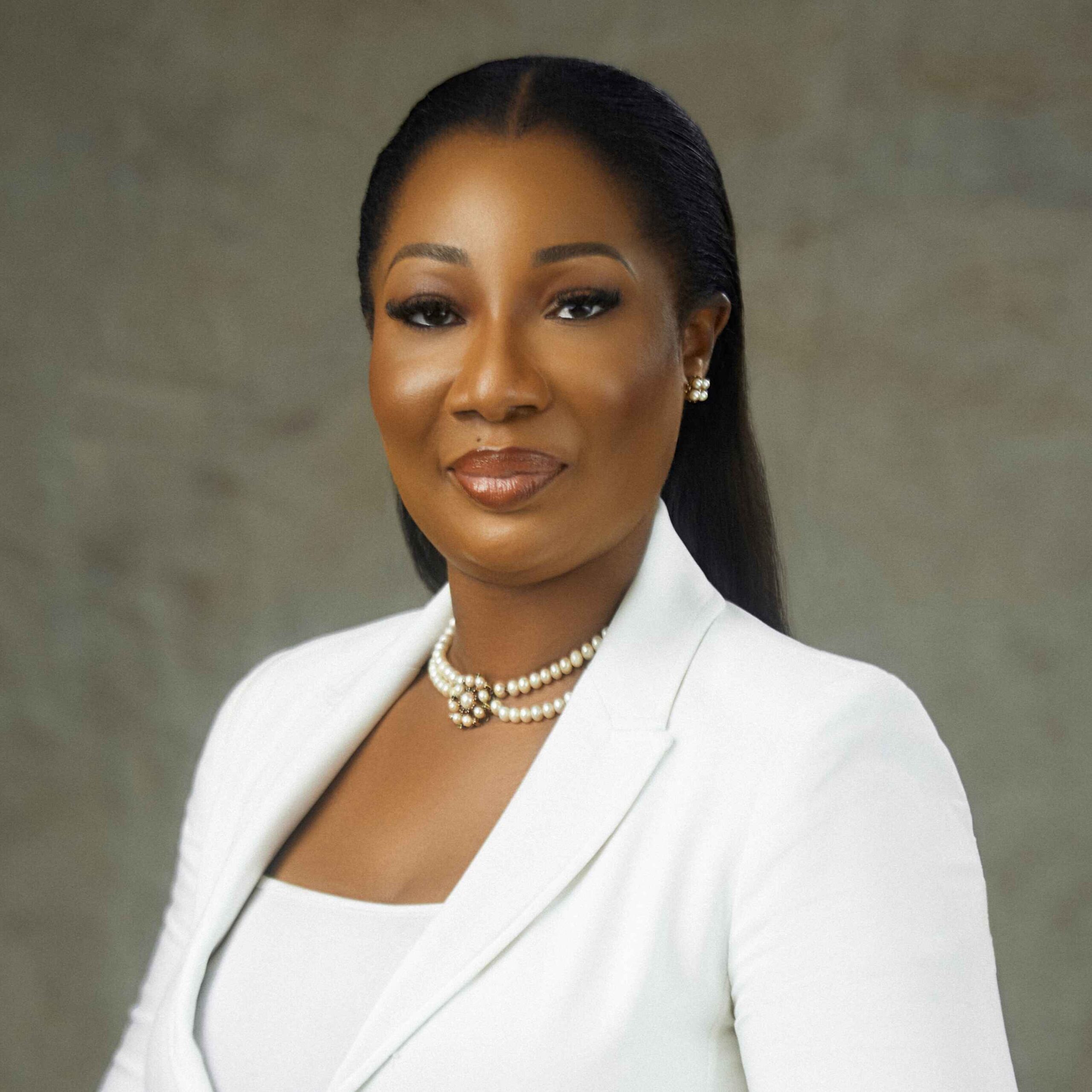
 Wola Joseph-Condotti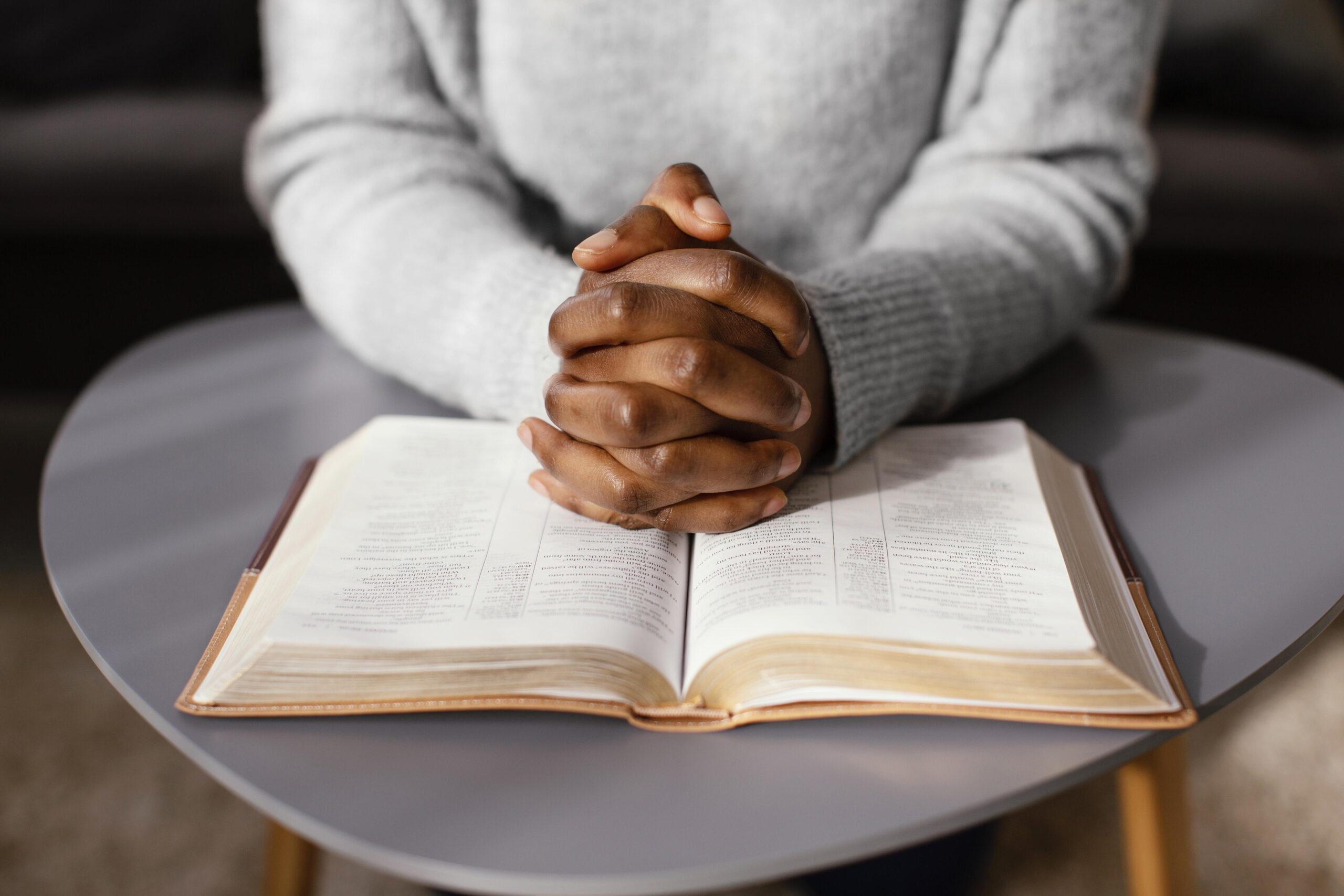
There is a quiet assumption in many professional spaces that faith should be parked at the door of the boardroom. That belief and business must stay separate. That conviction must give way to calculation. That in high-stakes corporate leadership, spirituality is too soft a tool.
I believe otherwise.
In fact, I have come to see faith not just as a personal compass, but as an executive advantage. Not in a preachy, performative way but as a foundation for wise, values-based leadership.
Because let us be honest: many of us operate in industries that are volatile, ambiguous, and demanding. Data isn’t always enough. Analysis can not always explain. And sometimes, the difference between a right decision and a risky one is not intellect but discernment.
The Myth of Compartmentalisation
Faith is not a title. It is a root system.
You can not water it only on Sunday and expect it to bear fruit in Monday’s strategy session. For those of us called to both Kingdom and career, leadership is not a secular assignment. It is a divine deployment.
I love how Ibukun Awosika once put it: “We are Christians in the marketplace. Our business is not separate from our faith. It is the place where our faith is to be lived out.”
That quote has guided me through some of my most difficult decisions—when I had to choose between what was easy and what was right. When I had to lead with integrity in an environment that rewarded compromis. When I had to carry my values into a room that did not always recognize them.
Purpose Beyond Profit
Faith-based leadership does not mean quoting scriptures in board meetings. It means carrying divine principles into human systems:
Honouring people even when performance is poor. Making decisions that consider legacy, not just quarterly gains. Refusing to play politics with people’s lives or livelihoods. Upholding truth even when it costs you visibility or contracts
In the book of Daniel, we meet a young Hebrew man who rose to the highest ranks of Babylonian government not because he compromised his faith, but because he lived it with wisdom, excellence, and consistency.
He was a man of prayer and a man of policy. And both flowed from the same source. That is the model.
Faith in High Places
The higher you rise, the lonelier leadership can feel. Decisions get weightier. The stakes grow higher. The scrutiny intensifies.
And in those moments, faith becomes more than a belief system. It becomes your secret place. There are days I have walked into meetings praying under my breath. Days I have received divine nudges to speak up or stay silent. Moments when I knew a door opened not because of my CV, but because of God’s favour.
Faith has steadied me when the numbers did not. It has softened me when ambition tried to harden me. It has reminded me that I am not just building empires, I am building eternity.
Final Thoughts
To every executive woman of faith navigating the boardroom, the bank floor, the policy roundtable, the tech lab, know this:
You were not called to separate your faith from your field. You were called to merge them with wisdom.
Let your decisions be spirit-led. Let your excellence be God-honouring. Let your values be unshakable.
Because when faith enters the field, transformation happens.
Not just in outcomes.
But in cultures.
In lives.
In legacies.
We do not lead to prove ourselves.
We lead because we are sent.
And where God sends, He equips.
Wola Joseph-Condotti is the CEO of Eko Electricity Distribution Company (EKEDC). She is a Harvard-trained lawyer and passionate advocate for faith-driven leadership, gender equity, and energy transition in Africa, she writes from the intersection of power, purpose, and personal growth.
Latest Edition of IWA Magazine
February 17, 2026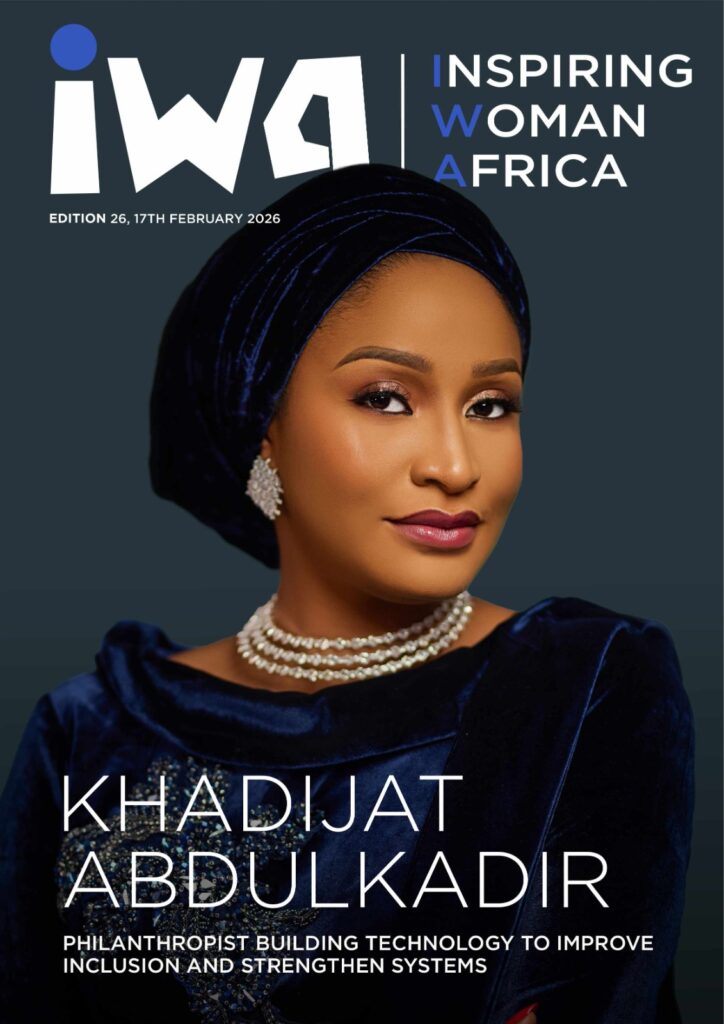
KHADIJAT ABDULKADIR, Philanthropist Building Technology to Improve Inclusion and Strengthen Systems
Latest Posts
-
 Feb 17, 2026 5 Important Conversations Before ‘I do’