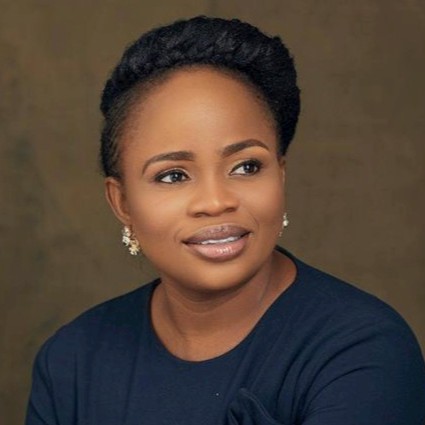
 Sola Adesakin
There is a popular belief that the solution to every financial challenge is “more money.” As though a bigger income magically wipes away spending issues, eliminates debt, or creates wealth. But if we’re being honest, more money only amplifies whatever habits already exist.
You can’t out-earn poor money habits. A bigger income with bad discipline only creates a bigger mess. More money won’t fix what discipline won’t face. If your habits leak, your wealth will leak too.
This is one of the most important financial realities people often learn too late, especially toward the end of the year when they begin reviewing how the last 12 months have gone. The season of resolutions is typically filled with requests for more; more income, more opportunities, more investment returns, more financial breakthroughs. But here’s the truth: don’t just pray or work for more… prepare for more.
Preparation is what ensures that when money comes, it stays, grows, and compounds. The real question is not “How much more can I earn?” but “How ready am I to handle more when it comes?”
As you review the year and prepare for a stronger 2026, here are four things you should do to strengthen your financial foundation, or as I call it, digging your financial trenches.
1. Build a spending plan, not a guessing plan
Most people don’t overspend because they want to; they overspend because they don’t plan. A spending plan gives your money an assignment before it arrives. When you don’t tell your money where to go, it will follow your impulses instead.
As you close out the year, create a clear monthly money plan for 2026:
– What are your fixed costs?
– What are your flexible lifestyle expenses?
– What can you reduce, negotiate, or eliminate?
– What percentage of your income goes to investment first, not last?
Financial clarity is financial peace.
2. Automate your savings and investments
If you rely on willpower alone, your money will disappear before you remember your goals. Automate. Let technology help your discipline.
The trick is simple:
Set up automatic deposits into your investment or savings accounts at the beginning of the month, not the end. Treat investments like bills; mandatory, non-negotiable, and paid early.
This is how you dig trenches that protect your future.
3. Create a “no-leak” policy for debt and lifestyle pressure
Your financial progress will always be slower if you are constantly patching holes. Debt, impulsive spending, emotional shopping, and lifestyle pressure are the biggest leakages.
This season, commit to:
– Reducing debt intentionally
– Saying “no” without guilt
– Avoiding comparison spending
– Tracking your small expenses (they are the biggest thieves)
Wealth doesn’t only grow by addition; it grows by protection.
4. Invest consistently — whether in bull or bear seasons
Your financial future depends far more on consistency than on perfect timing. The more you invest, the more trenches you dig around your long-term security.
Invest when the markets look exciting.
Invest when they look boring.
Invest when they look confusing.
Just keep investing.
You are not investing for today’s noise; you are investing for tomorrow’s stability.
Money is a multiplier.
It multiplies discipline, and it multiplies disorder.
Before you ask for more, strengthen the habits that will hold more.
Before you chase bigger income, build bigger capacity.
Before you expect financial growth, develop financial roots.
As the year winds down, choose habits that help your money stay, grow, and work for you. Dig your trenches now. Your future self and your future wealth will thank you.
Sola Adesakin is a highly respected wealth coach and chartered accountant with over two decades of transformative impact in the finance industry. As the visionary founder of Smart Stewards Financial Advisory Limited and Smart Stewards Advisory LLC, she has revolutionized the financial wellbeing of countless individuals and businesses across 40 countries. Her methodical approach to ‘make-manage-multiply’ money principles has elevated many from financial stress to prosperity, and mediocrity to exceptional achievement.
Latest Edition of IWA Magazine
February 24, 2026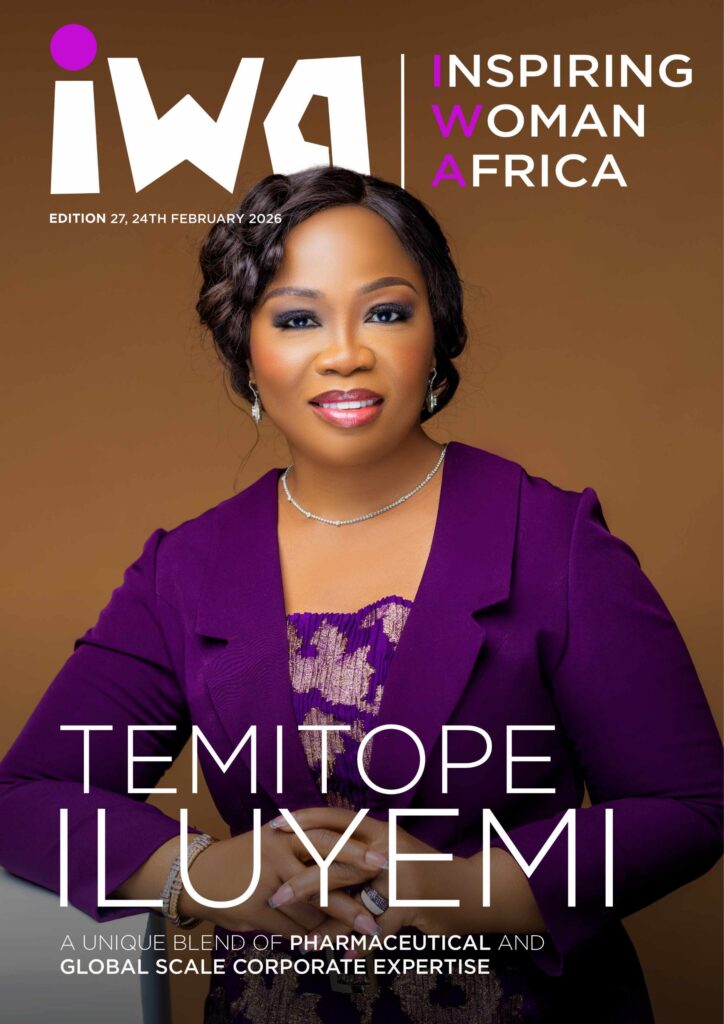
TEMITOPE ILUYEMI, a Unique Blend of Pharmaceutical and Global Scale Corporate Expertise
Latest Posts
-
 Feb 24, 2026 Busie Matsiko
 -
 Feb 24, 2026 Seven Money Moves to Make Today