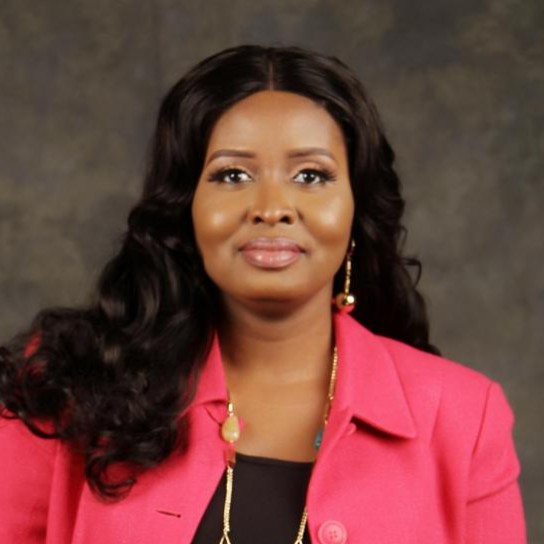
 Dr. Asmau Benzies Leo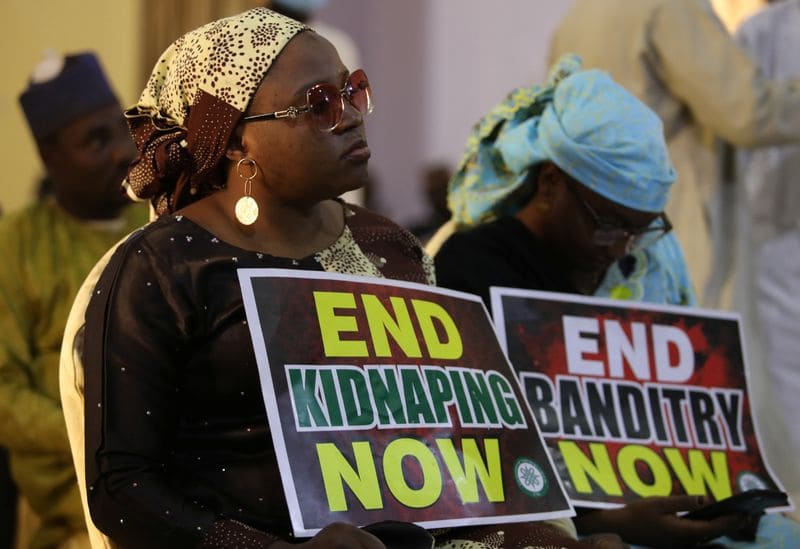
As Nigerians step into 2026, one truth remains unavoidable: insecurity in Nigeria is not gender neutral. From banditry affected communities in the Northwest to displacement camps in the Northeast and climate stressed regions across the Middle Belt, women and girls are not merely collateral victims of violence they are deliberately targeted, disproportionately affected, and often left without protection or justice.
The Hidden Cost of Insecurity
Recent trends paint a grim picture. By mid-2025, conflict related violence had claimed thousands of lives, surpassing figures recorded in the previous year. For women, these statistics translate into layered and enduring harm. Mass abductions; many involving women and girls which continues to result in forced marriages, sexual violence, and long term psychological trauma. Economically, insecurity has devastated women’s livelihoods. Women constitute nearly 60% of Nigeria’s rural agricultural workforce. When armed violence forces communities off their land, women lose not only income but autonomy, food security, and dignity.
At the same time, insecurity is evolving. As 2026 begins, technology facilitated gender based violence; cyberstalking, online harassment, and digital exploitation, has emerged as a new and growing threat, particularly for young women and girls.
From Victims to Leaders
Encouragingly, the narrative is beginning to shift. Evidence consistently shows that peace processes are more durable when women are meaningfully involved. The Nigeria’s Third National Action Plan on Women, Peace and Security which was launched by Mr. President in December, 2025 reflects this understanding. This will be implemented through the strengthening of institutional responses such as gender desks offices within security agencies and improving coordination on prevention and response to violence against women and girls.
The Path Forward
To build lasting peace, Nigeria must invest in community based protection systems led by women, strengthen survivor centred justice and accountability for GBV/ sexual exploitation and abuse and prioritise girls’ education as a long term security strategy.
True national security cannot exist without human security. Therefore in 2026, women must not only be protected but they must be empowered to lead Nigeria’s journey toward sustainable peace and security.
Dr. Asmau Benzies Leo is a development practitioner with extensive national and international expertise in gender equality, peace-building, governance, and humanitarian action. She holds a PhD in Public Governance and Leadership, a Master’s degree in Conflict Management and Peace Studies, and executive certifications from leading institutions including Howard University, Harvard University and Glasgow Caledonian University. As Executive Director of the Centre for Non-violence and Gender Advocacy in Nigeria (CENGAIN), she has led ground-breaking advocacy initiatives on women’s political participation, gender-based violence prevention, and security sector reform across multiple World Bank, UN and EU-supported projects.
Latest Edition of IWA Magazine
February 24, 2026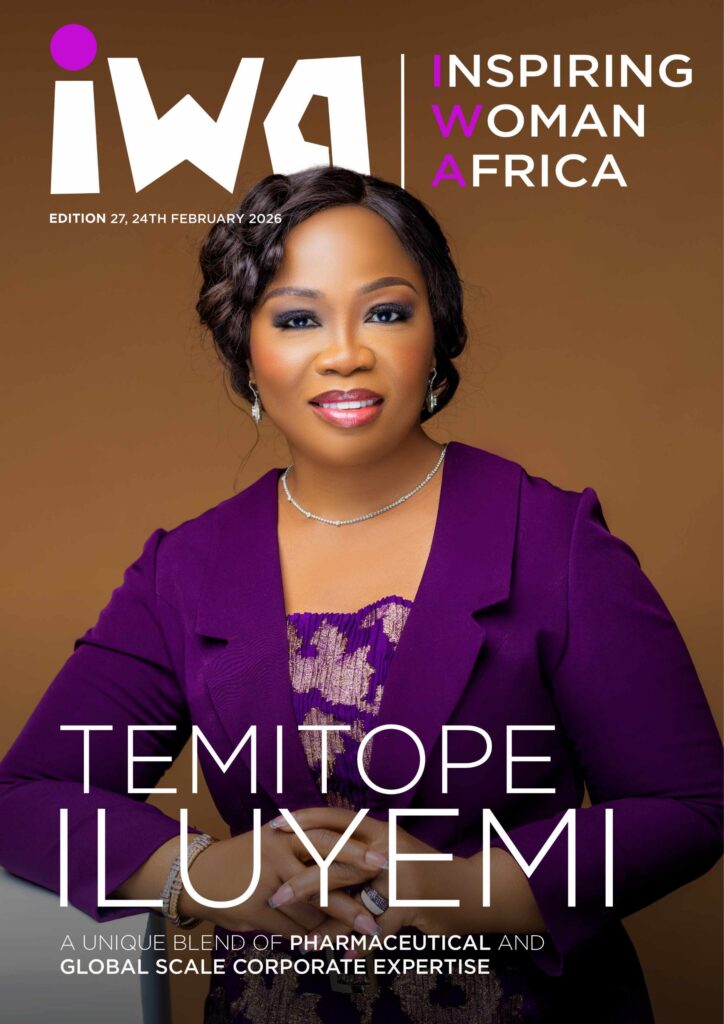
TEMITOPE ILUYEMI, a Unique Blend of Pharmaceutical and Global Scale Corporate Expertise
Latest Posts
-
 Feb 24, 2026 Busie Matsiko
 -
 Feb 24, 2026 Seven Money Moves to Make Today