 Kemi Ajumobi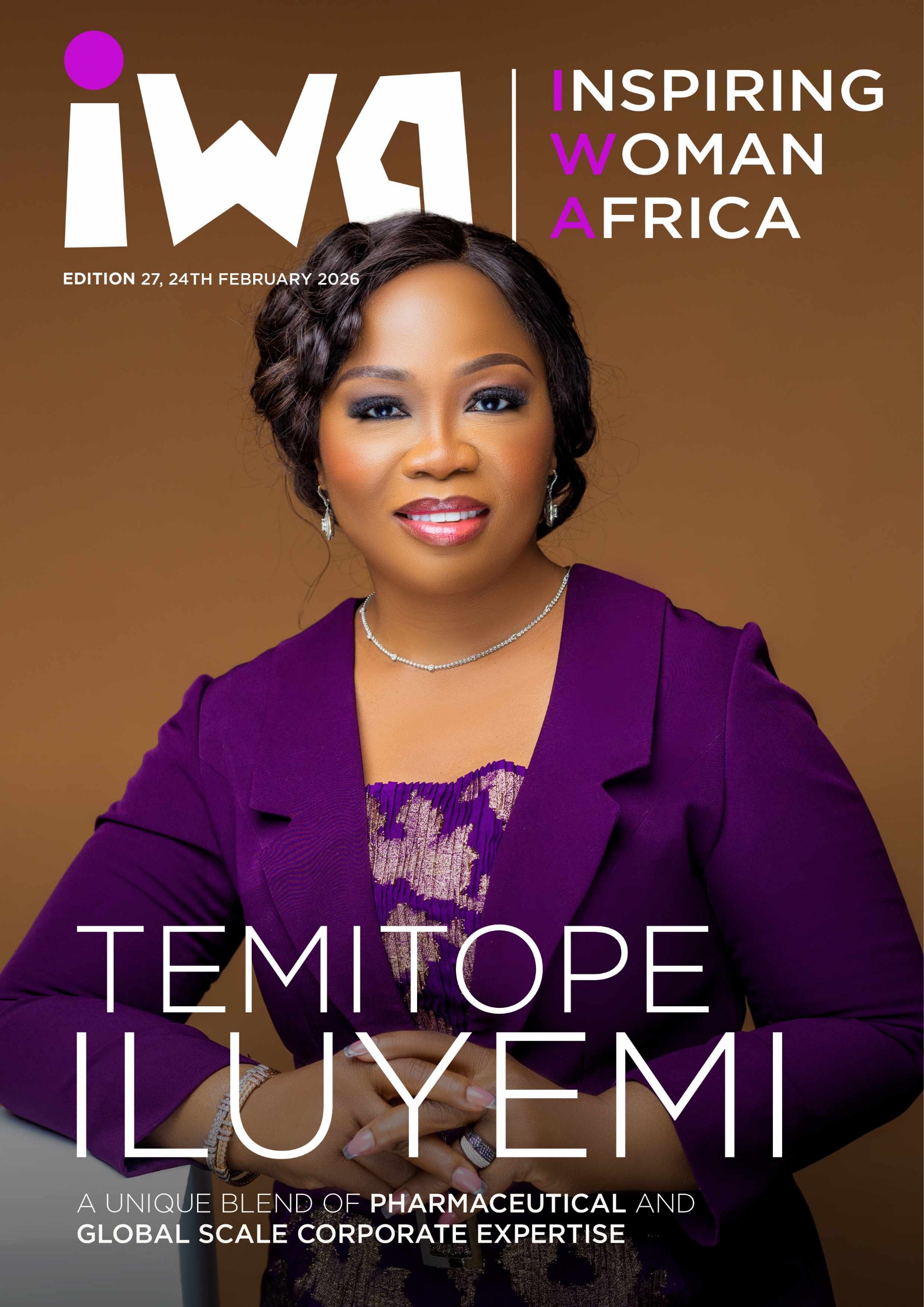
Temitope Iluyemi is a transformative global leader with over 25 years of experience driving sustainable business growth across 45+ countries.
Temitope began her career as a pharmacist, she broke barriers as the first woman in sales in her region for a leading blue-chip multinational, eventually rising to her most recent role as Managing Director of emerging markets.
During her over two decades career with P&G, she excelled in a breadth of leadership roles spanning across commercial and corporate functions (General management, Sales, Market strategy, Supply Network operations, External relations, and Government Relations).
In this period, having lived and worked across three continents (Africa, Middle East and the USA), Temitope has mastered the art of leading through uncertainty—a skill she defines as the “courage to outgrow your successes.”
Temitope serves on global business and advisory boards and consults for governments on national development. Iluyemi is enthusiastic about business development, governance, regional integration and is a strong gender parity advocate, passionate about people and national development.
Temitope Iluyemi is recognised both locally and internationally, including, Top 100 corporate women in Africa, and she is a Fellow of the Aspen Global leadership network USA (a network of about 3000 distinguished global leaders around the world). She currently lives with her family in Dubai, UAE.
What initially drew you to a career in pharmacy, and how that background has influenced your journey into sales and management?
Growing up, excellence was non-negotiable in my home. Like many African families in that era, parents envisioned their children as doctors, lawyers, or engineers. I excelled in both arts and science subjects and was top of my class, so studying medicine seemed inevitable. (Three of my siblings graduated as doctors). However, my path shifted when I moved in with my aunt and uncle when my parents travelled on an international assignment. I loved everything about my aunt- she was a brilliant Pharmacist and one of the early Directors at PZ Cussons and deeply respected. She was smart and to me, was a master of both natural and chemical solutions for any ailment, and, quite frankly, made the best jollof rice I’d ever tasted! She was the embodiment of a “kickass” career trajectory wrapped in a gentle nature. Her leadership in a multinational gave me the “permission” to believe I could do the same. It taught me early on, the importance of mentorship and that representation matters.
Pharmacy is a broad profession which includes Sales (Medical reps), Compounding (Manufacturing), Ethics (Governance) and clinical pharmacy among others, so it also provided me the flexibility to “become” whatever I wanted to be. Pharmacy gave me the analytical foundation and gave me my entry point into business leadership- but her mentorship gave me the vision to lead and have impact.
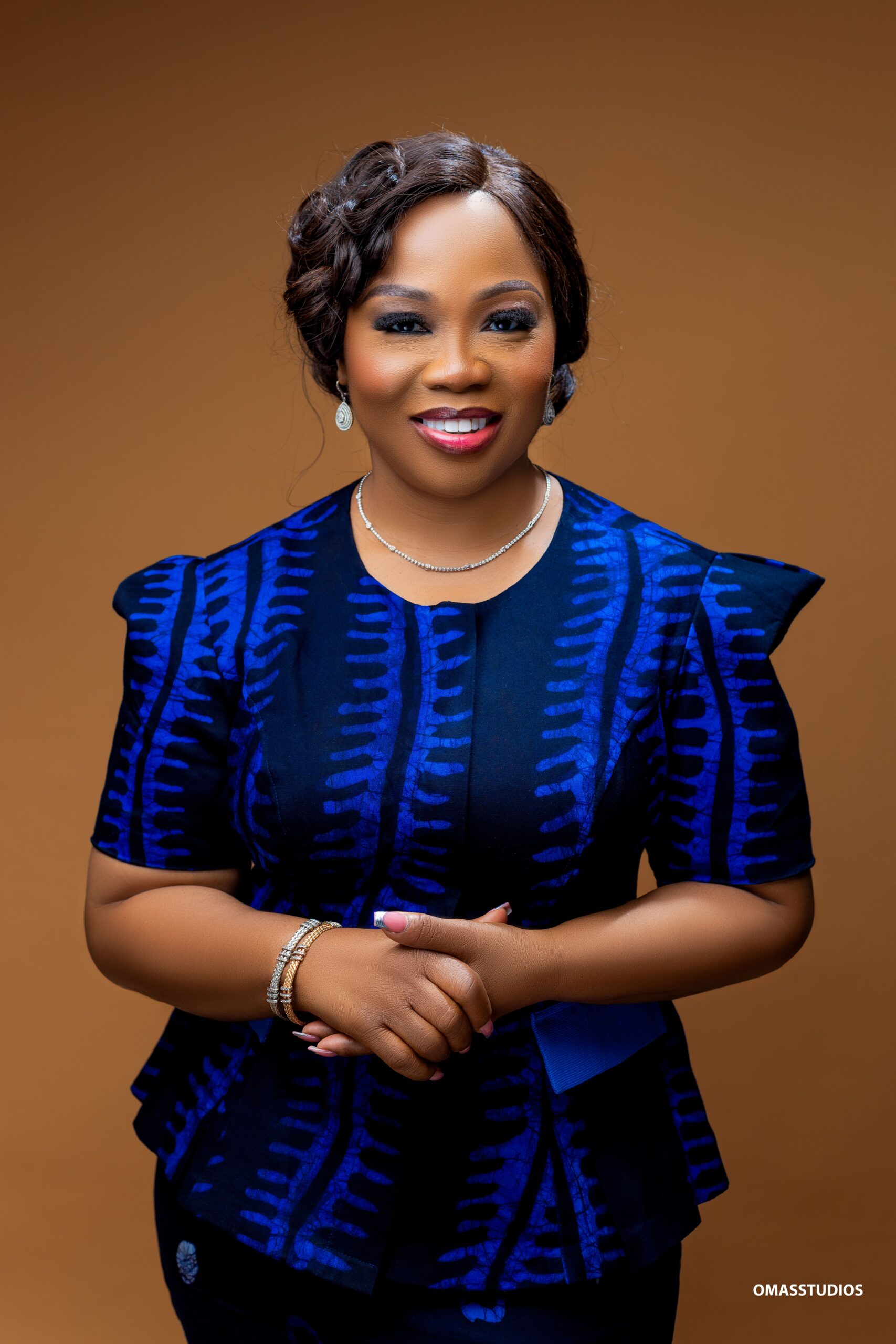
Key challenges faced as the first woman in sales in your work region, and how did you overcome them
I’ve always loved the “new and different.” I didn’t fully appreciate the significance of being the first female sales hire in West Africa when I started, I simply focused on the work. Naturally, the boys underestimated me, while trying to be supportive in their own way, so I didn’t complain; I simply applied myself. I didn’t even realise I was topping the charts until I won an all-expenses-paid trip to Ghana for best sales performance. Within a year, I went from the smallest accounts to managing the largest distributor operations (40% of the business). My secret? Resilience and a background in “selling” fashion and crockery in my school days long before the corporate world. I learnt that sometimes, you have to let others make their mistakes while you show up collaboratively and consistently become a brand yourself.
Over your 25 years at P&G, what leadership role has been the most transformative for you, and why?
I had the privilege of having diverse experiences over my career in P&G and each assignment stretched me and grew me in new and different ways. However, the shift from sales to supply chain was pivotal. I moved from driving selling strategies to architecting the business’s backbone during a massive expansion in sub-Saharan Africa. I had to “lead, learn, and build” all at once. It was eye-opening to see the “magic” the supply chain team (The largest organisation in the company) performed to make our launches possible. For the first time, I saw the complexity behind product launches — logistics, regulation, manufacturing constraints — the invisible architecture behind commercial success. It turned me from a commercial operator into a business architect. Later, moving into External Relations was another sharp pivot—shifting from commercial to corporate policy. It broadened my mind to see how influencing policy across continents can drive massive commercial results
How has your experience living and working across different continents shaped your approach to business management?
One of my key lessons has been the power of local influence. You need to take the time to understand the norms and culture of a place to execute successfully. Operating across Africa, the United States, and the Middle East taught me that strategy without cultural intelligence fails. Working across Africa taught me local agility and an entrepreneurial mindset—viewing supply chains not as admin, but as strategic bottlenecks to be optimised. In the U.S., I added a layer of sophisticated policy advocacy, shifting from managing internal teams to influencing congressional and administrative policies affecting trade and regional integration.
Finally, as Managing Director for Emerging Markets in Dubai, I synthesised all of this to reverse a multi-year decline into top and bottom-line growth. I can now move seamlessly from the open markets to the factory floor, and from government ministries to the corporate boardroom. I have developed into a global diplomatic architect — balancing corporate discipline with local reality. Global strategy only works when translated locally.
You’ve mentioned “the courage to outgrow your successes.” Can you elaborate on what this means to you in a practical sense?
Every major shift in my career required letting go of an identity that was already working. It means being willing to drop a title you’ve mastered to become a student again. When I was asked to move from a high-visibility commercial role to Policy and Communications, I was hesitant. Commercial results are fast and data-based; policy is a long game. I was this celebrated commercial leader who was about to go into a role where I had less control. Sales performance is visible and measurable; policy influence is slow and uncertain. I worried about my new KPIs and perception of success. But curiosity won. I asked myself my favorite question: what’s the worst thing that can happen? The answer is always: I win or I learn.
By letting go of my “celebrated commercial leader” persona, I became a well-rounded business expert, paving way for me into executive leadership across emerging markets. Broadly in life, you have to be brave enough to leave the room where you are the smartest person and start learning again.
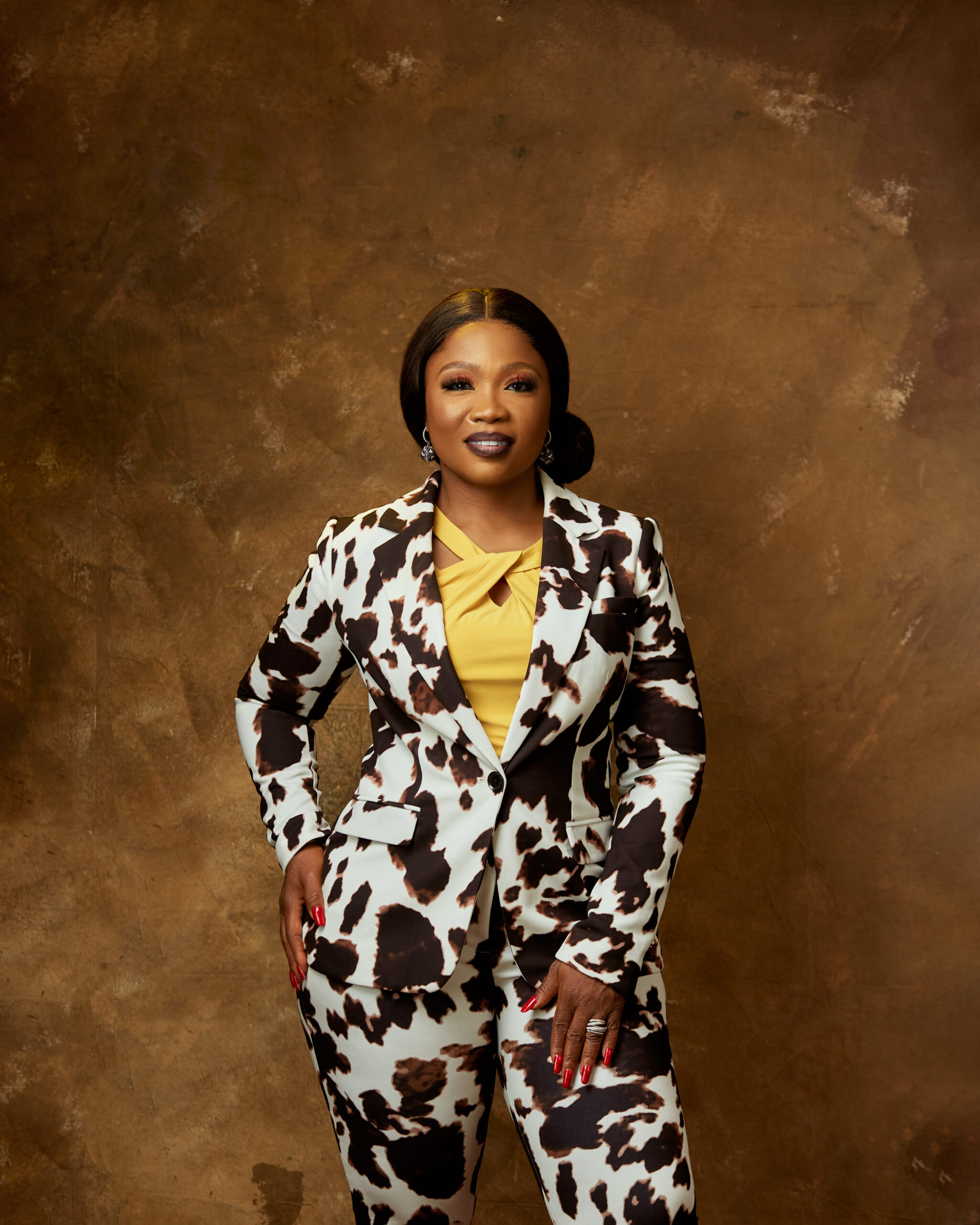
Share a specific instance where you had to lead a team through a major challenge? What was the outcome, and what did you learn from it?
In over two decades, I had my fair share of major challenges along with my teams. One of such occurred in East Africa, we once faced a product crisis fuelled by non-factual allegations in the media, taken up by parliamentarians. It threatened our entire brand equity. In those moments, you need “Head, Hands, and Heart.” (Data, execution and empathy.) We stayed calm, leveraged independent certifications, and applied deep empathy. By listening to understand—not just to respond—and collaborating with our intercontinental networks, we resolved the issue with zero damage to our brand equity. My rule? Always be prepared.
How do you see the role of private sector leaders in shaping public policy?
My broad experience has taught me that to be truly successful in emerging markets, it is critical for private sector leaders to shape public policy along with public sector leaders. You may ask why. While many public sector leaders are excellent at putting together policies aimed at driving the economy, the direct experience of business people who experience the day-to-day impact of Government policy are best placed to advise and their input must be taken into policy development. The private sector must contribute data and structure to policy conversations — not for special treatment, but for effective implementation. The best outcomes happen when public intent meets practical execution.
As a strong advocate for gender parity, what steps do you think companies can take to create more balanced leadership teams?
It takes institutional will and courage. We need to ask ourselves, why is there still a wide gender disparity in the boardroom? What is stopping us from having women ready at all levels? Do we have the right supporting policies for the various life stages that women go through? (In my opinion, Motherhood is the conduit for future talents for companies, we should consider it a service to national economic development).
Having a balanced leadership team is not just a moral imperative, it’s economic one. The McKinsey study states that advancing women’s equality can add $12Trillion to global growth- this highlights a staggering economic opportunity we are leaving on the table. In addition, women bring a strong natural intuition into the boardrooms. The real question isn’t capability — men and women graduate in similar numbers — it’s retention through life stages. Companies must intentionally support transitions such as motherhood and reintegration into work. However, in 2026, Women are no longer waiting for seats at the table. We are building the tables.
Living in Dubai…share your experience and why Dubai?
Dubai offers rare operational efficiency: security, connectivity, and a business-friendly tax structure. Its geographic centrality makes global management practical, and the infrastructure allows families and businesses to function with predictability. For international operations, stability is a strategic advantage.

Since leaving P&G, what have you been up to and what are you looking forward to?
After ending my last role in January following a rewarding career at Procter Gamble, I am full of gratitude to God for my experiences and the opportunities to lead in a global company. I am reinventing myself! I’m currently diving into AI certifications and language studies. I’ve launched an advisory firm focused on market access and impact investing and looking at different opportunities. I’ve always thrived in seasons of change, and I’m excited to add value at the intersection of business and policy.
Why is diversity important on Boards?
What would be a killer to any board is to focus on a single gender or homogenous board as you will be missing 50% of the perspective and market opportunities for your business. e.g. Globally, women control or influence between 70% and 80% of all consumer spending. In the U.S. (91% when it comes to real estate purchases). Also, in addition to base board responsibilities, there are many other advantages to having women on boards. Research published in 2025 and 2026 highlights that women often act as a “governance stabiliser,” improving board dynamics and mitigating systemic risks. Between 2019 and late 2024, companies with at least 30% women on their boards saw cumulative returns 18.9% higher than those with all-male boards.
Competence is key. Can you elaborate on this fact and how it has been part of your forte through the years till date?
Competence is the price of entry, however, I will like to add that excellence is key. To build a career, you would be proud of, you need to have an excellence mindset. This mindset creates transformative leaders who don’t just deliver expectations but deliver them excellently and define new standards of excellence. Throughout my career, I have often accepted overlooked roles and transformed them into strategic growth platforms.
What is the greatest lesson life has taught you?
People will always be your greatest assets and also be your greatest challenges. I learnt something about people as a young manager which proved to be true for over two decades. You can train anyone a skill, make them competent at their jobs, however you can never teach attitude. Give me average skilled people and a can-do attitude any day and we will build exceptional outcomes.
Day never to forget and why?
I have seen many dramatic days fighting fires and resolving crisis, so I can pick from many. However, it’s all part of a das job. If you ask me about the day I’ll never forget, it’s the day I became a mother after a long wait. Need I say more?
Advice to every female executive out there feeling overwhelmed about their next move
Give yourself a break. Develop a strategy and consistently get back to it no matter how often you fall off – It’s Okay, permit yourself to breathe and trust that everything will come together. With experience, I believe more in consistency, collaboration and communication as key drivers to growth – not constant urgency. My strategy to avoid burnout is, you need to detach and engage effectively.

Concluding words
I’m truly grateful for my unique experiences and a beautiful career in a great company where I learnt a lot, was given the freedom to build from scratch, express myself through so many (seemingly unrelated) roles, my exposure to different cultures and a global network. Mentorship shaped me, and I’m committed to paying it forward — especially for women building leadership paths. I’m excited about my next chapter to create more value and uplift standards in Africa, the Middle East and beyond.