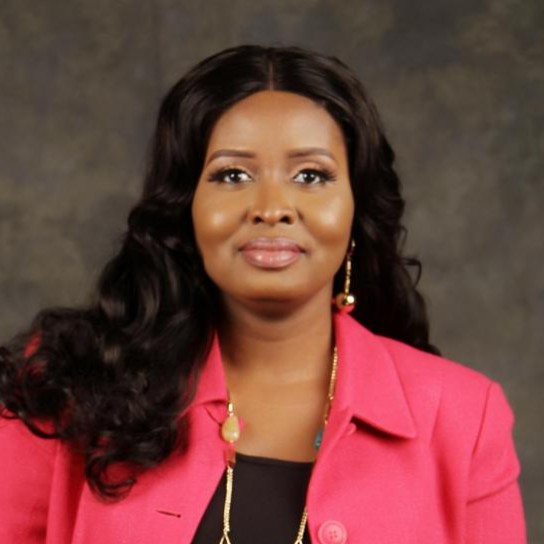
 Dr. Asmau Benzies Leo
Every year, thousands of young Nigerians leave the comfort and familiarity of their homes to participate in the National Youth Service Corps (NYSC), a programme designed to promote national unity, integration and development. They travel across unfamiliar states, learn new languages, adapt to different cultures and contribute their skills to communities far removed from their families. Yet, for many, this journey of patriotism increasingly comes with an unsettling question: Is Nigeria adequately protecting the young citizens it asks to serve?
The growing insecurity across parts of the country has transformed the NYSC experience from an opportunity for national integration into a source of anxiety for corps members and their families. Reports of kidnappings, violent attacks, communal conflicts, banditry and other security threats raise fundamental questions about the government’s responsibility to safeguard young Nigerians undertaking a national assignment.
The original promise of national service
Established in 1973 by General Yakubu Gowon’s military administration in the aftermath of the Nigerian Civil War, the NYSC was conceived as an instrument for national reconciliation, reconstruction and integration. Its objectives included rebuilding trust among Nigerians, bridging ethnic and cultural divisions, promoting intercommunal understanding and mobilising graduate manpower for national development.
The programme reflected a compelling post-war vision: that young Nigerians, by living and working outside their states of origin, could develop mutual understanding and strengthen the bonds of citizenship. Over five decades later, that vision remains relevant. Nigeria continues to grapple with ethnic suspicion, religious divisions, regional inequalities and political tensions. The NYSC can still foster solidarity and expose young people to the country’s diversity.
However, national integration cannot be sustained by asking young people to cross geographical and cultural boundaries without adequately addressing the dangers they may encounter. The obligation to serve must be matched by the state’s obligation to protect.
Is the NYSC still relevant in today’s Nigeria?
The answer is yes, but with important qualifications. Nigeria still needs institutions that promote national cohesion, volunteerism, professional development and service to underserved communities. Corps members contribute significantly to education, healthcare, agriculture, public administration and community development, particularly in areas where skilled personnel are scarce.
Nevertheless, relevance should not be measured solely by the programme’s historical purpose or the number of graduates mobilised annually. It must also be assessed against present day realities, institutional effectiveness and the welfare of participants.
A national service programme that fails to respond adequately to evolving security threats risks undermining the very unity it was created to promote. Compulsory deployment to a high-risk location without credible threat assessment, effective emergency communication or reliable evacuation arrangements can expose young citizens to preventable harm.
The argument, therefore, is not that the NYSC should be abolished, but that its operating model must evolve. National service should be an instrument of nation-building, not an expectation that young people must endure avoidable danger in the name of patriotism.
Why female corps members require particular attention
While all corps members deserve protection, female corps members may face additional risks, including sexual harassment, sexual and gender-based violence, exploitation, stalking and unsafe accommodation. These risks can be heightened by isolation, limited local support networks, insecure transport and power imbalances involving employers, landlords or community members.
Security planning must therefore recognise that exposure to danger is not always gender-neutral. Female corps members should not be blamed for travelling, accepting legitimate placements or participating in community activities. Responsibility rests primarily with institutions and individuals who create, enable or fail to address unsafe conditions.
At the same time, practical security awareness training can help corps members make informed decisions, recognise warning signs and seek assistance before situations escalate.
What governments and the NYSC must do
First, the Federal Government and NYSC management should institutionalise regular, evidence-based security assessments before deployment and throughout service. Deployments to areas facing credible, serious threats should be reconsidered, deferred or redirected. Security classifications must be reviewed frequently rather than treated as permanent administrative decisions.
Second, state governments, security agencies and host institutions should establish clear communication channels, designated emergency contacts and coordinated response mechanisms for corps members. These arrangements must include emergency planning, early warning and early response, rapid reporting, welfare checks and evacuation plans, where necessary.
Third, accommodation and primary places of assignment should meet minimum safety standards. Female corps members must have access to secure accommodation, confidential complaints mechanisms, gender-sensitive safeguarding services and reliable referral pathways for survivors of violence.
Fourth, the government should strengthen insurance to cover corps members, psychosocial support and compensation arrangements for corps members harmed in the course of legitimate service. Security incidents must be documented transparently, investigated promptly and addressed through institutional accountability.
The NYSC should also review its deployment and redeployment procedures to ensure that genuine security concerns receive timely, fair and consistent consideration.
What corps members and families can do
Corps members should remain alert without living in constant fear. They should research their destinations, share accommodation and travel details with trusted contacts, use reputable transport services, avoid unnecessary journeys through high-risk routes and maintain regular communication with family members. They should know the locations of nearby police stations, hospitals and designated NYSC officials, and report threats promptly.
Female corps members should prioritise secure accommodation, exercise caution when accepting private invitations or transport from unfamiliar individuals, establish trusted local support networks and report harassment without fear of stigma or retaliation. These precautions are not substitutes for institutional protection; they are additional safeguards.
Families, meanwhile, should maintain regular but non-intrusive contact, learn the official NYSC reporting channels and take credible security warnings seriously. They should encourage their children/wards to report difficulties early rather than conceal them for fear of appearing weak or jeopardising their service year.
Patriotism must not become a death sentence
The NYSC remains a potentially valuable national institution, but its legitimacy depends on its ability to protect the young people whose labour and patriotism sustain it. National unity cannot be built on silence about insecurity, nor can national development be justified at the expense of preventable loss of life.
Nigeria must move beyond celebrating corps members as symbols of patriotism to treating them as citizens whose rights, dignity and safety are non-negotiable.
The ultimate test of the NYSC is not simply whether graduates serve in unfamiliar communities. It is whether the nation creates the conditions that allow them to serve, learn and contribute without unreasonable fear for their lives.
A country that calls its young people to serve must also demonstrate that their lives are worth protecting.
About Author
Asmau Benzies Leo
Dr. Asmau Benzies Leo is a development practitioner with extensive national and international expertise in gender equality, peace-building, governance, and humanitarian action. She holds a PhD in Public Governance and Leadership, a Master’s degree in Conflict Management and Peace Studies, and executive certifications from leading institutions including Howard University, Harvard University and Glasgow Caledonian University. As Executive Director of the Centre for Non-violence and Gender Advocacy in Nigeria (CENGAIN), she has led ground-breaking advocacy initiatives on women’s political participation, gender-based violence prevention, and security sector reform across multiple World Bank, UN and EU-supported projects.
Latest Edition of IWA Magazine
October 14, 2026
TIWLC 2026: Ibukun Awosika Led Women To Lose Fear
Latest Posts
-
 Oct 14, 2026 The Four Numbers That Define Your Financial Life