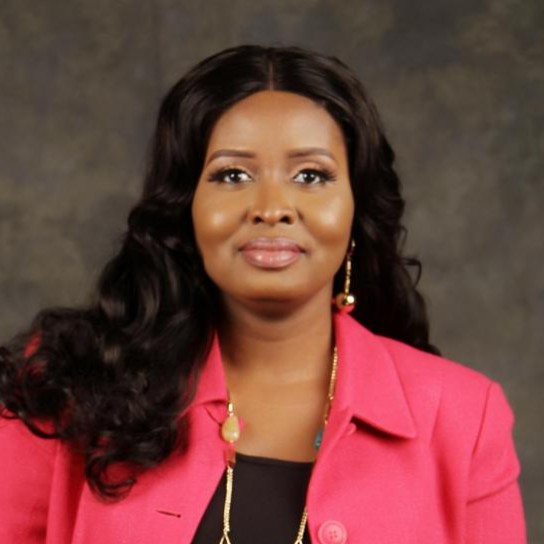
 Dr. Asmau Benzies Leo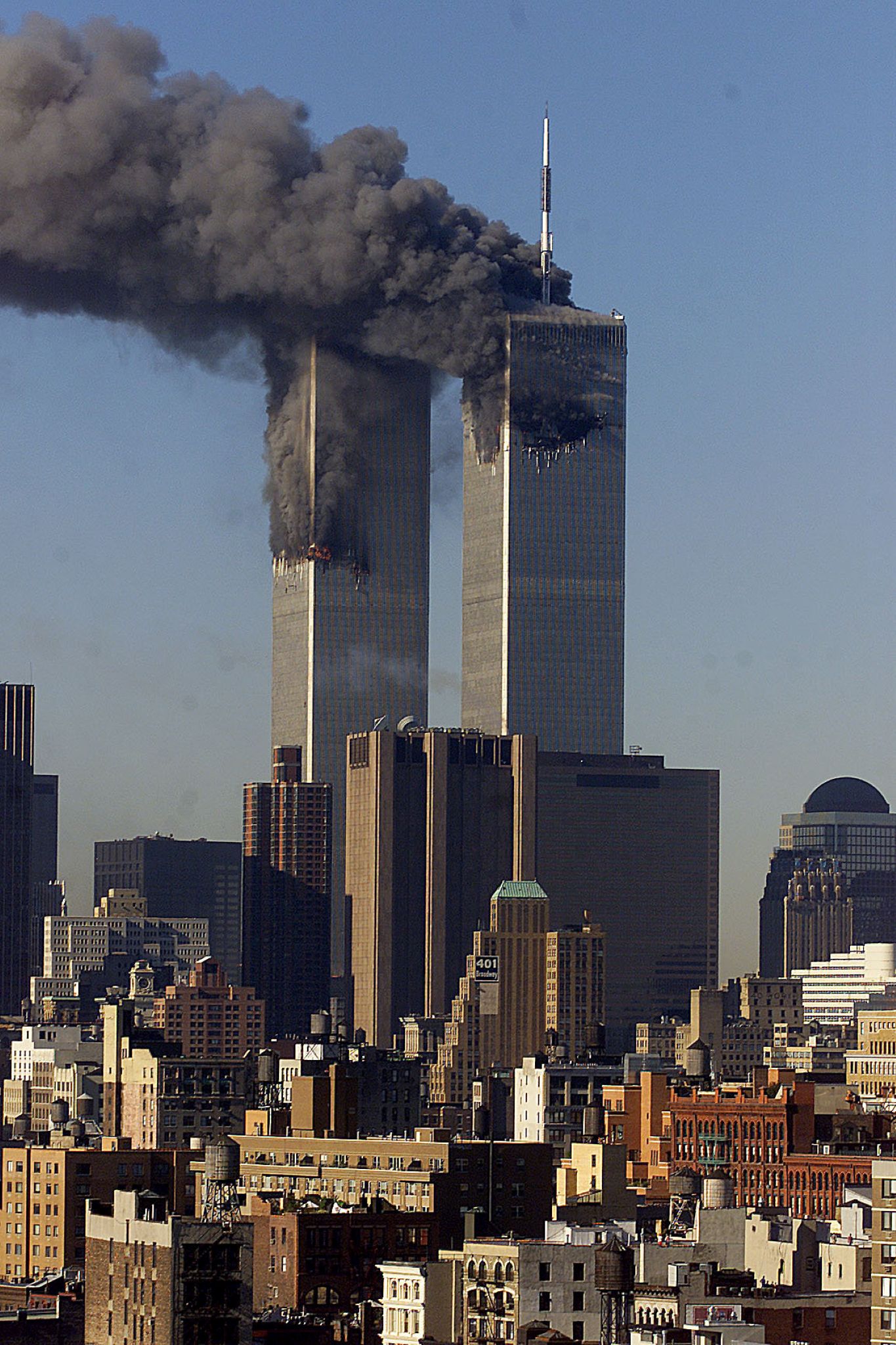
Twenty five years ago, on 11 September 2001, the world watched in disbelief as the United States came under the most devastating terrorist attack in its history. Nearly 3,000 people were killed when hijacked commercial aircraft struck the World Trade Center in New York, the Pentagon, and a field in Pennsylvania. A quarter of a century later, 9/11 remains more than an anniversary. It has become a defining moment in modern international security and a reminder of how profoundly terrorism can alter societies, families, foreign policy and global geopolitics.
The immediate consequences were profound. The United States fundamentally reorganised its national security architecture, including the creation of the Department of Homeland Security, greater intelligence coordination, strengthened border and aviation security, and expanded counter-terrorism capabilities. The 9/11 Commission itself stressed the importance of information sharing, inter-agency coordination, congressional oversight and international cooperation.
But the consequences did not stop at America’s borders. The attacks transformed the geopolitical order. The United States launched military operations in Afghanistan and, later, Iraq. Counter-terrorism became a central feature of international diplomacy and security cooperation. NATO invoked collective defence for the first time in response to an attack on a member state. Governments across the world strengthened counter-terrorism legislation, intelligence systems and border controls.
Perhaps the most important geopolitical lesson is that military force alone cannot resolve the conditions that give rise to extremism. Poverty, weak governance, corruption, marginalisation and unresolved political grievances remain fertile ground for radicalisation, whether in the mountains of Afghanistan or the forests of the Sahel. Security responses that ignore these root causes tend to suppress violence temporarily while allowing it to metastasise elsewhere.
Perhaps the least visible legacy of 9/11 is the human and psychosocial cost.
For families who lost parents, spouses, children, siblings and friends, 11 September did not end when the buildings fell. Grief continued through anniversaries, disrupted family structures, financial difficulties and the psychological consequences of sudden and violent bereavement. First responders and survivors also faced long-term health consequences associated with exposure to the toxic environment at Ground Zero. Twenty-five years later, 9/11-related illnesses continue to claim lives.
This experience has broader relevance for countries affected by terrorism and violent conflict. The World Health Organisation notes that almost everyone affected by an emergency experiences psychological distress, while a significant minority develop conditions such as depression, anxiety or post-traumatic stress disorder. Emergencies can also produce family separation, displacement, loss of livelihoods, social isolation and harmful coping mechanisms.
This is particularly important for Nigeria.
Nigeria’s experience with terrorism, particularly since the emergence of Boko Haram in 2009, demonstrates that insecurity is not simply a military problem. Terrorism, banditry, kidnapping, communal violence and violent extremism have disrupted livelihoods, displaced families, weakened social cohesion and affected the psychological wellbeing of millions. Nigeria has consequently developed increasingly comprehensive counter-terrorism and prevention frameworks, including the National Counter Terrorism Centre and a policy framework for preventing and countering violent extremism based on whole-of-government and whole-of-society approaches.
One important lesson from the African experience is that violence cannot be understood only through ideology. UNDP’s “Journey to Extremism in Africa”research, which included respondents from Nigeria and seven other African countries, found that economic opportunity, governance, social exclusion and experiences with state institutions can influence pathways into violent extremist groups. Its 2023 study emphasised the importance of prevention, disengagement, reintegration and addressing underlying grievances.
For Nigeria, therefore, the lesson from 9/11 is clear: national security must extend beyond the battlefield.
Future preparedness requires strong intelligence and early-warning systems; secure borders and critical infrastructure; effective policing and judicial institutions; responsible use of technology and artificial intelligence; and stronger international cooperation against terrorism financing, arms trafficking and transnational criminal networks. Nigeria’s current counter-terrorism planning similarly emphasises intelligence coordination, prosecution, resilience, strategic communication and prevention.
But security must also be human-centred. Governments must invest in education, employment, social protection, community resilience and meaningful opportunities for young people. Women and communities should not be viewed merely as victims of insecurity; they are critical actors in early warning, prevention, peacebuilding and community resilience.
Mental health and psychosocial support must become an integral component of national security and humanitarian preparedness not an afterthought. Families affected by terrorism, displacement and conflict require sustained support long after the headlines disappear. WHO guidance increasingly emphasises community-based and coordinated psychosocial support as part of emergency preparedness and recovery.
The final lesson from 9/11 is perhaps the most important: terrorism seeks to generate fear beyond the immediate victims. A resilient society must therefore resist both complacency and collective fear. It must protect its citizens without abandoning the rule of law, human rights, inclusion and social cohesion.
Twenty five years after 9/11, the world is safer in some respects, but not free from terrorism or violent extremism. The threat has evolved from centrally organised attacks to decentralised networks, lone actors, online radicalisation, cyber-enabled threats and locally rooted conflicts.
From New York to Maiduguri, from Kabul to communities across the Sahel, the message is the same: prevention is cheaper than recovery, resilience is stronger than fear, and security is sustainable only when people feel protected, included and valued.
The appropriate way to remember 9/11 is therefore not simply to remember how people died. It is to build societies in which fewer families experience such loss, where grievances are addressed before they become violence, where communities become partners in security, and where national security protects not only territories but human life, dignity, wellbeing and peace.
About Author
Asmau Benzies Leo
Dr. Asmau Benzies Leo is a development practitioner with extensive national and international expertise in gender equality, peace-building, governance, and humanitarian action. She holds a PhD in Public Governance and Leadership, a Master’s degree in Conflict Management and Peace Studies, and executive certifications from leading institutions including Howard University, Harvard University and Glasgow Caledonian University. As Executive Director of the Centre for Non-violence and Gender Advocacy in Nigeria (CENGAIN), she has led ground-breaking advocacy initiatives on women’s political participation, gender-based violence prevention, and security sector reform across multiple World Bank, UN and EU-supported projects.
Latest Edition of IWA Magazine
September 22, 2026
Damilola Ogunbiyi, Leading Global Push For Sustainable Energy Access
Latest Posts
-
 Sep 22, 2026 Stop Measuring Your Life With Someone Else’s Ruler