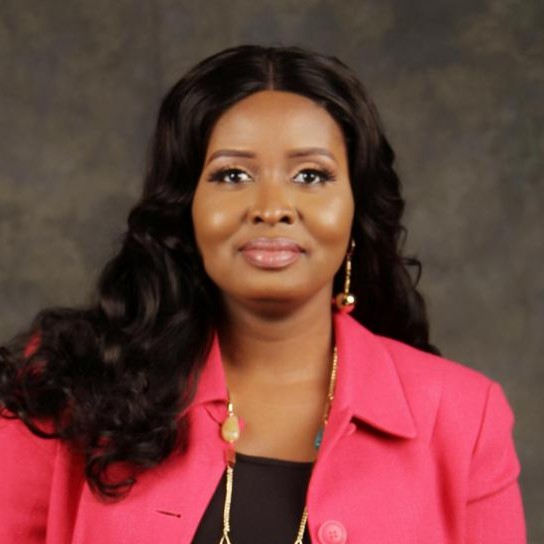
 Dr. Asmau Benzies Leo
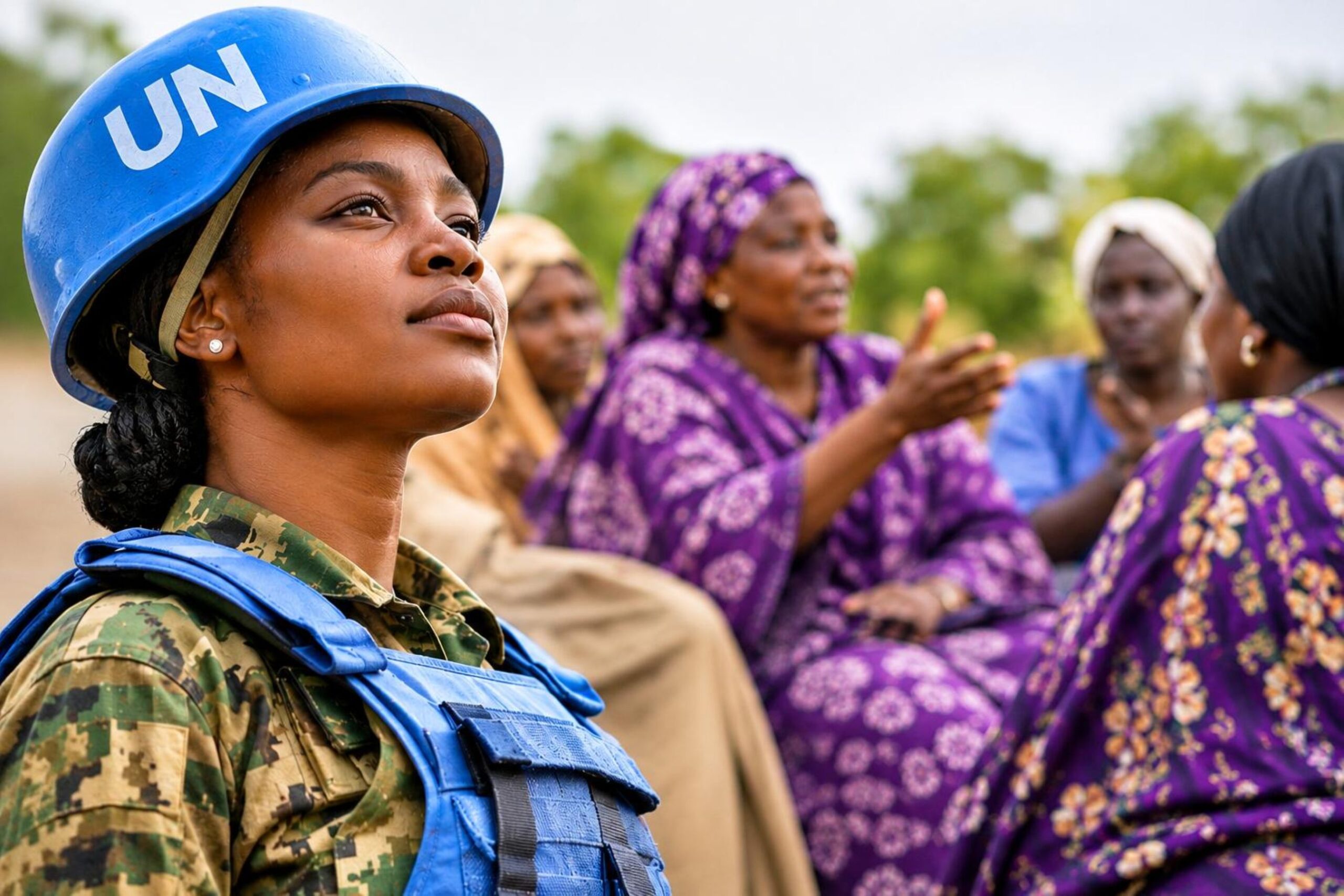
On 31 October 2000, the United Nations Security Council adopted Resolution 1325, marking a historic turning point in the global recognition of women’s indispensable role in peace and security. For the first time, the international community formally acknowledged that sustainable peace cannot be achieved without women’s full and meaningful participation in conflict prevention, peace negotiations, peacebuilding and post-conflict reconstruction. Twenty six years later, the Women, Peace and Security (WPS) agenda remains one of the most transformative frameworks for advancing gender equality, human security and inclusive governance. Yet, its promise remains largely unfulfilled.
The adoption of UNSCR 1325 was more than a diplomatic milestone; it challenged deeply entrenched assumptions about power, security and women’s place in decision making. It shifted the global narrative from viewing women primarily as victims of armed conflict to recognising them as agents of change, negotiators, mediators, peacebuilders and leaders. Subsequent additional UN Security Council resolutions further strengthened this framework by addressing conflict-related sexual violence, women’s participation in peace processes and accountability for violations.
Over the past two decades, the WPS agenda has inspired national action plans, regional frameworks, institutional reforms and grassroots peacebuilding initiatives across continents. The African Union’s Continental Results Framework, regional commitments and national implementation processes have provided important platforms for advancing women’s participation in peace and security governance. Across conflict-affected societies, women-led organisations have mediated community disputes, supported survivors of violence, facilitated dialogue and sustained local peacebuilding initiatives, often under extremely challenging circumstances. However, the global security landscape presents a troubling contradiction. Armed conflicts, political instability, violent extremism, displacement, climate-related insecurity and emerging technological threats continue to deepen vulnerabilities. Women and girls bear disproportionate consequences, including sexual and gender-based violence, economic exclusion, loss of livelihoods and restricted access to essential services. More concerning is the persistent exclusion of women from formal peace negotiations and security decision-making. According to UN Women, women constituted only five per cent of negotiators across 57 peace processes reviewed in 2025. This is a sobering indication that international commitments have not translated into equitable representation.
In Nigeria, the relevance of the WPS agenda is particularly evident. The prolonged insurgency in the North East, banditry and communal conflicts across several regions have exposed women and girls to displacement, abduction, sexual violence and economic insecurity. Yet, Nigerian women continue to demonstrate extraordinary resilience and leadership through community mediation, early warning systems, humanitarian response and grassroots peace initiatives. Their contributions must extend beyond informal community interventions to meaningful representation in national security institutions, peace negotiations, governance structures and decisions affecting their communities.
The challenge, therefore, is not simply to increase women’s representation but to transform the structures that determine who exercises power, whose voices are heard and whose security matters. Gender responsive security sector governance must become central to national security reforms. This requires strengthening institutional accountability, increasing women’s representation in the military, police and other security institutions, addressing sexual exploitation and abuse, and ensuring that security policies respond to the differentiated needs of women, men, girls and boys as in the case of the Armed Forces Gender Policy, the Nigerian Police Force Gender Policy and Nigerian Security and Civil Defense Corps.
Equally urgent is the question of financing. Women led and community based peacebuilding organisations remain chronically underfunded despite their frontline contributions. UN Women reports that funding supporting women’s rights organisations in highly fragile and conflict-affected contexts declined from $215.4 million in 2023 to $167.9 million in 2024. UN Women. Governments and development partners must move beyond short-term project support towards predictable, flexible and sustainable financing that strengthens women’s organisations and institutional capacity.
As the world commemorates 26 years of UNSCR 1325, the priority must be implementation, accountability and measurable results. National Action Plans must be adequately funded, supported by clear monitoring frameworks and integrated into national development, climate, humanitarian and security policies. Governments, the United Nations, regional institutions like the AU, ECOWAS and civil society organizations must also ensure that women from marginalised and conflict-affected communities participate meaningfully in decisions about peace and security.
It is important to note that peace cannot be sustainable when half of the population remains excluded from shaping it. The success of the WPS agenda should not be measured by the number of resolutions adopted, conferences convened or declarations issued, but by the lives protected, conflicts prevented, institutions transformed and women empowered to influence decisions.
Twenty six years after UNSCR 1325, the world must move beyond recognising women’s contributions to actively redistributing the power, resources and opportunities required for them to lead. Women must not simply have a seat at the peace table; they must help shape the table, define its priorities and determine the future of peace. This is not a concession to gender equality. It is an indispensable condition for a safer, more just and peaceful world.
About Author
Asmau Benzies Leo
Dr. Asmau Benzies Leo is a development practitioner with extensive national and international expertise in gender equality, peace-building, governance, and humanitarian action. She holds a PhD in Public Governance and Leadership, a Master’s degree in Conflict Management and Peace Studies, and executive certifications from leading institutions including Howard University, Harvard University and Glasgow Caledonian University. As Executive Director of the Centre for Non-violence and Gender Advocacy in Nigeria (CENGAIN), she has led ground-breaking advocacy initiatives on women’s political participation, gender-based violence prevention, and security sector reform across multiple World Bank, UN and EU-supported projects.
The IWA Series 15 Conference is Here
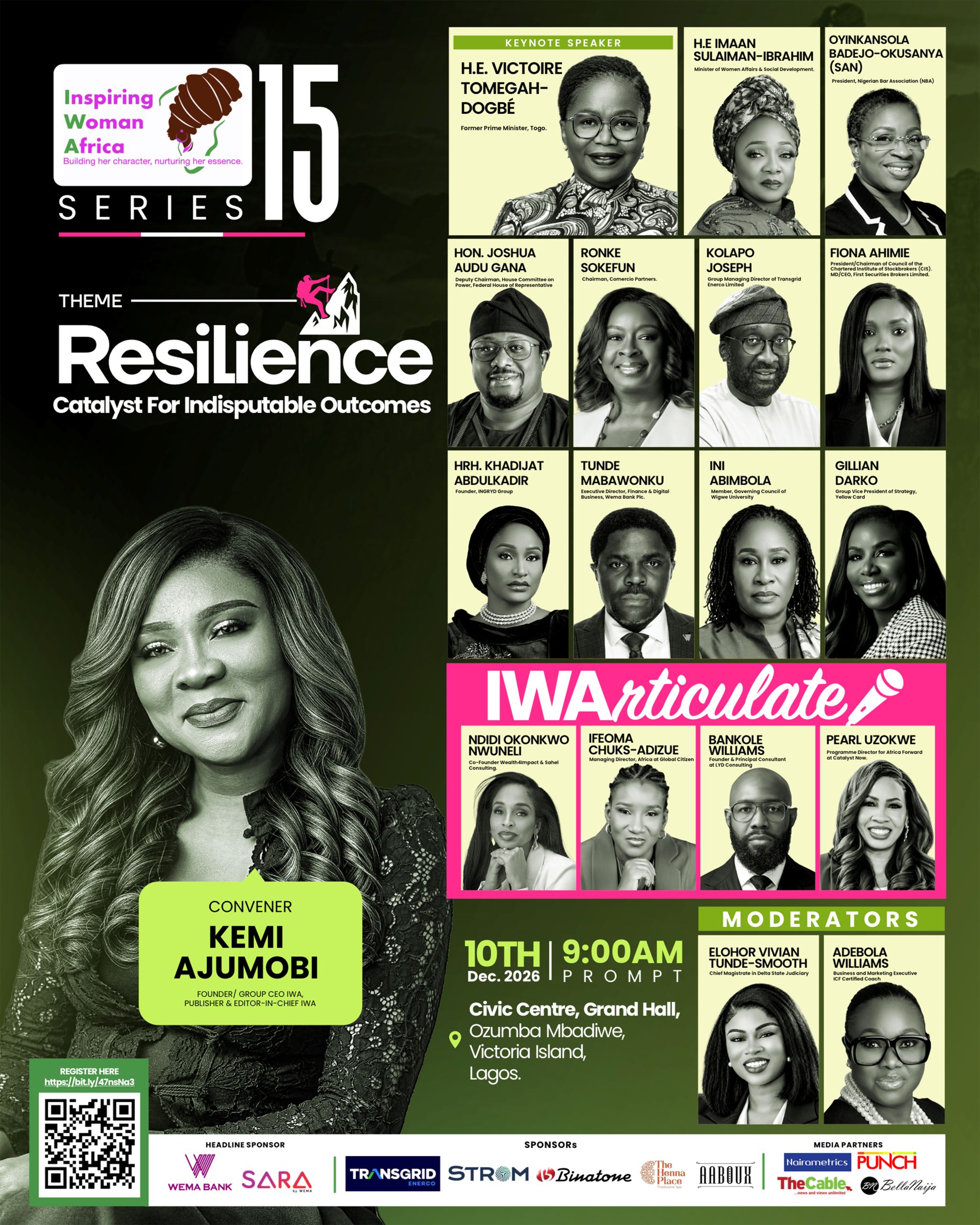
Click To Register
Latest Edition of IWA Magazine
November 10, 2026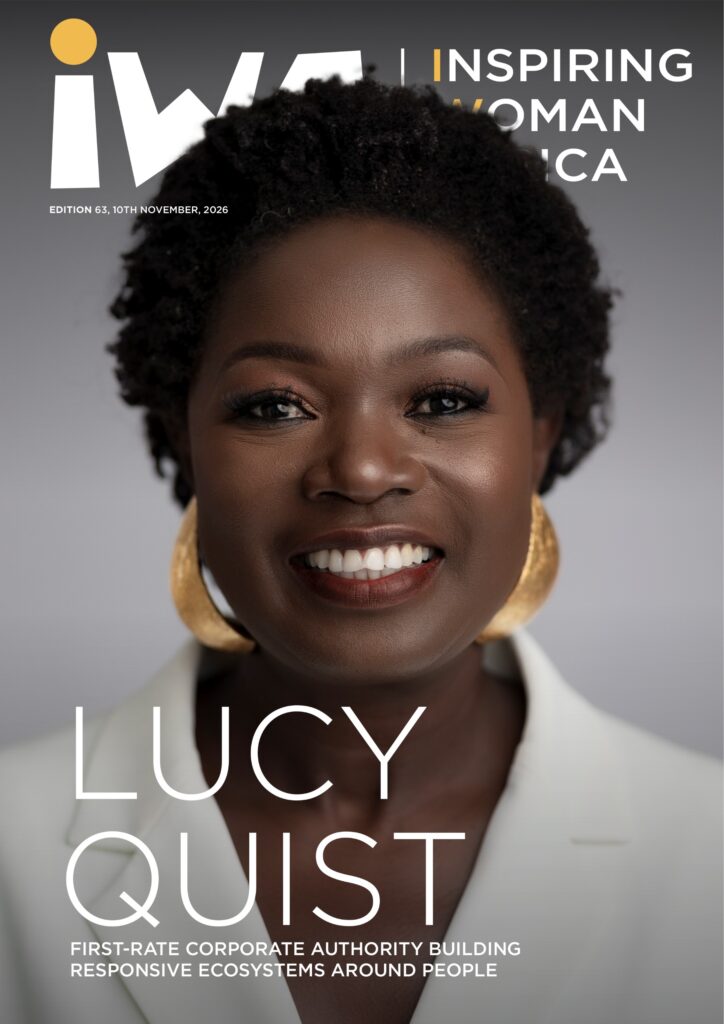
LUCY QUIST, First-rate Corporate Authority Building Responsive Ecosystems Around People
Latest Posts
-
 Nov 10, 2026 Earning More and Getting Poorer