 Dr. Asmau Benzies Leo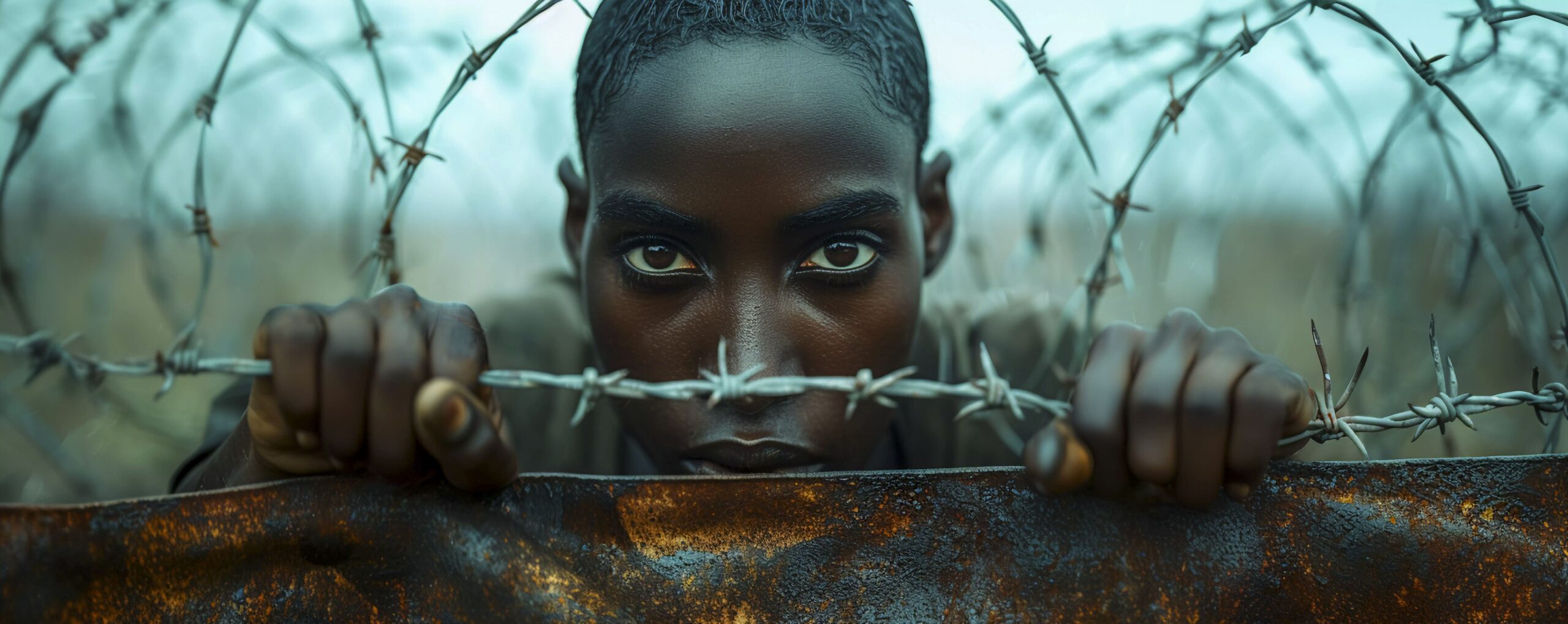
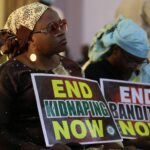
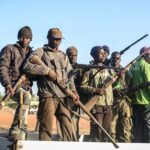
Nigeria continues to grapple with protracted insecurity driven by insurgency in the North East and widespread banditry across the North West and parts of the country. Over the past decade, thousands of women and children have been abducted, held in captivity, and subjected to various forms of gender based violence (GBV), including sexual violence, forced marriage, exploitation, and psychological abuse. While rescue efforts and military operations have led to the release of some survivors, the long-term impact of captivity on their mental health and social wellbeing remains profound and insufficiently addressed both at the family, community, and institutional levels.
Survivors returning from captivity often experience severe psychological distress. Many have endured repeated trauma, including witnessing killings, experiencing sexual violence, or being forced into roles within armed groups. As a result, conditions such as post-traumatic stress disorder (PTSD), depression, anxiety, and emotional withdrawal are common. Children, in particular, may exhibit developmental delays, behavioral challenges, or difficulties reintegrating into their families or formal education systems. Women and girls may also face stigma from their communities, especially those who return with children born in captivity, further compounding their trauma.
Despite these realities, access to structured and sustained mental health and psychosocial support (MHPSS) services in Nigeria remains limited, particularly in conflict-affected rural areas. Existing services are often provided by humanitarian actors, non-governmental organisations, and a few government-led initiatives. However, these interventions are frequently short-term, underfunded, and not sufficiently integrated into the broader health and social protection systems.
Effective MHPSS for GBV survivors must go beyond immediate psychological first aid to a holistic intervention which requires a layered approach that includes community-based support, specialised mental health care, and long-term rehabilitation strategies. At the community level, the provision of safe spaces for women and children are critical. These spaces will provide an environment where survivors can share experiences, receive counseling, and rebuild social connections. Trained community volunteers and social workers are also needed to play a vital role in identifying vulnerable individuals and providing basic psychosocial support services.
At the clinical level, there is a need to expand access to trained mental health professionals who can provide trauma-informed care. This includes counseling, psychiatric services, and referral systems for severe cases. Integrating mental health services into primary healthcare facilities in affected LGAs is critically needed, this will significantly improve accessibility and survivor centred approach to service provision. Mobile clinics and outreach services can also help reach remote communities where survivors may otherwise be unable to access care.
Equally important is addressing the social dimensions of recovery. Survivors often return to communities that may not fully understand or accept their experiences. Stigma, discrimination, and rejection, especially for women associated with insurgent groups or who have been kidnapped for a long period of time can hinder reintegration efforts. Community sensitisation and awareness campaigns are therefore essential to promote acceptance, reduce stigma, and foster supportive environments for survivors.
For children, reintegration into the educational system is a key component of recovery. Accelerated learning programmes, bridging classes, and psychosocial support within schools can help children regain a sense of normalcy and purpose. Teachers and guidance and counselors should also be trained to recognise signs of trauma and provide appropriate support within the classroom setting.
Economic empowerment is another critical pillar of rehabilitation. Many survivors return with limited means of livelihood, increasing their vulnerability to further exploitation or abuse. Skills acquisition programmes, vocational training, and access to micro-grants can help survivors rebuild their lives and regain independence. These interventions should be tailored to the specific needs of women and adolescent girls, taking into account cultural and contextual factors.
To strengthen rehabilitation and reintegration efforts, several recommendations are essential. First, the Nigerian government must prioritise the integration of MHPSS services into national and state-level health systems, ensuring sustainable funding and capacity building. Second, there is a need for standardised guidelines and protocols for supporting GBV survivors from captivity, aligned with international best practices.
Third, coordination among stakeholders including government agencies, humanitarian organisations, and community leaders must be improved to ensure a holistic and survivor-centered approach. Data collection and evidence generation should also be strengthened to inform policy and programne design while ensuring confidentiality and ethical standards are highly prioritised.
Fourth, community-based reintegration programmes should actively involve traditional and religious leaders, who play a significant role in shaping community attitudes. Their engagement can help facilitate acceptance and reduce stigma against survivors.
Finally, survivors themselves must be included in the design and implementation of programmes that affect them. Their voices, experiences, and resilience are critical to developing effective and contextually appropriate solutions.
In conclusion, addressing the mental health and psychosocial needs of GBV survivors emerging from captivity in Nigeria is both a humanitarian imperative and a critical component of peacebuilding and recovery. Without comprehensive support systems, survivors risk being left behind, trapped in cycles of trauma and marginalisation. By investing in holistic, survivor-centered approaches that combine mental health care, social support, and economic empowerment, Nigeria can pave the way for meaningful rehabilitation and reintegration, restoring dignity and hope to some of its most vulnerable citizens.
About Author
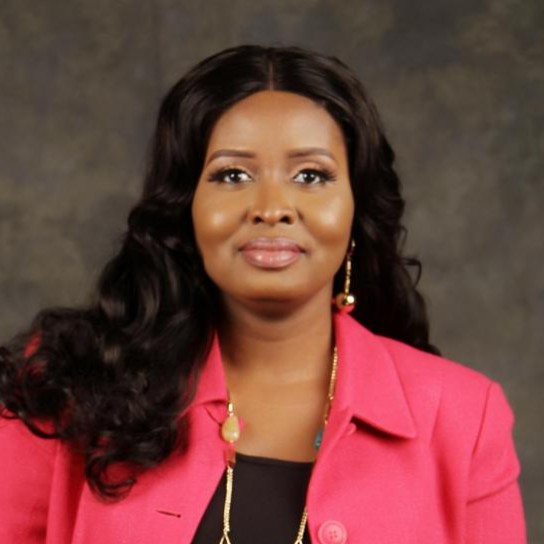
Asmau Benzies Leo
Dr. Asmau Benzies Leo is a development practitioner with extensive national and international expertise in gender equality, peace-building, governance, and humanitarian action. She holds a PhD in Public Governance and Leadership, a Master’s degree in Conflict Management and Peace Studies, and executive certifications from leading institutions including Howard University, Harvard University and Glasgow Caledonian University. As Executive Director of the Centre for Non-violence and Gender Advocacy in Nigeria (CENGAIN), she has led ground-breaking advocacy initiatives on women’s political participation, gender-based violence prevention, and security sector reform across multiple World Bank, UN and EU-supported projects.
The IWA Series 15 Conference is Here
Click To Register
Latest Edition of IWA Magazine
October 20, 2026
Meet the Speakers of IWA Series 15 Conference
Latest Posts
-
 Oct 20, 2026 Hard Conversations: The Skill No One Puts on a CV
 -
 Oct 20, 2026 5 Africa Women Listed as 2026 Forbes Icons
 -
 Oct 20, 2026 You Are Wealthier Than You Think