 Dr. Asmau Benzies Leo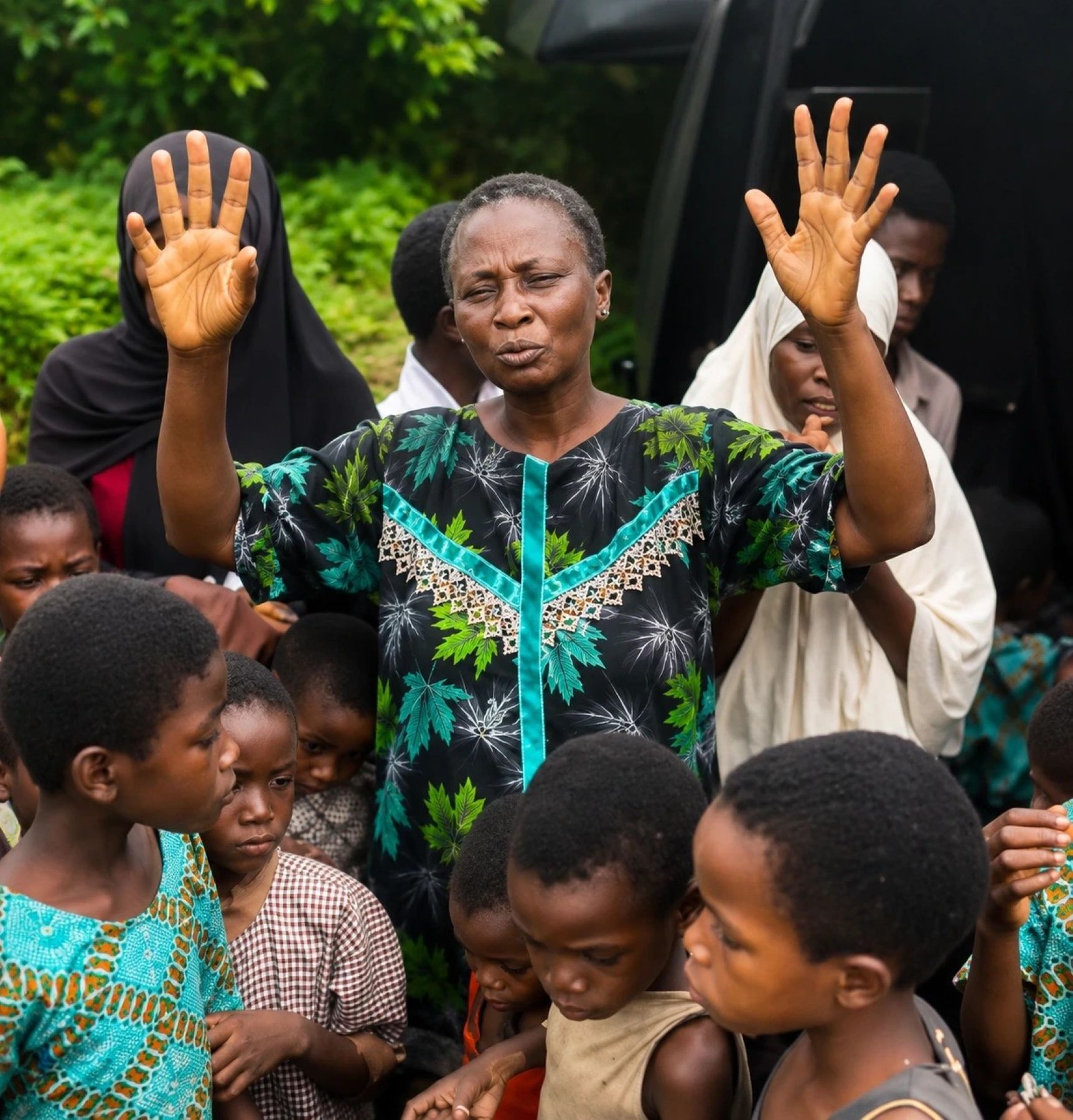
The recent release of the abducted school children in Oyo State has brought a collective sigh of relief across Nigeria. Families have been reunited, communities have expressed gratitude, and the nation has once again demonstrated resilience in the face of tragedy. Yet, beneath the relief lies a sobering reality: the incident is not an isolated one, and the delay in response raises urgent questions about the effectiveness of our early warning and early response systems.
This episode must not simply end as another “successful rescue.” It should serve as a turning point for reflection, reform, and renewed commitment to protecting Nigeria’s most vulnerable, our children.
At the heart of this crisis is the failure of early warning systems. In many communities, there are often signs before such attacks occur, unusual movements, rising insecurity, local intelligence, and community level anxieties. However, these signals are either ignored, underreported, or not acted upon with the urgency they deserve. Early warning is only as effective as the response it triggers. When communities raise alarms and authorities fail to act swiftly, the consequences can be devastating.
The delay in action during such incidents often allows perpetrators to consolidate their operations, move victims across locations, and prolong captivity. Time, in these situations, is not neutral, it is a weapon that strengthens the captors and weakens the chances of a swift and safe rescue. Each passing hour deepens trauma, increases fear, and heightens the risks to the victims’ lives.
For the children and women involved, the consequences go far beyond the period of captivity. Abduction is not just a physical violation; it is a profound psychological assault. Survivors often carry invisible scars long after their release. Many may develop Post-Traumatic Stress Disorder (PTSD), anxiety disorders, depression, and severe emotional distress. Symptoms can include nightmares, flashbacks, withdrawal, difficulty concentrating, and a persistent sense of fear.
For children, the impact is even more complex. Their cognitive and emotional development is still in progress, making them particularly vulnerable to long-term psychological disruption. The classroom, once a place of safety and learning, may become associated with fear and danger. This can lead to school avoidance, declining academic performance, and, in some cases, permanent withdrawal from education. The ripple effects extend to families and communities, where trust in public institutions begins to erode.
Women and girls face additional layers of trauma, particularly in contexts where gender based violence may occur during captivity. The stigma associated with such experiences can lead to silence, isolation, and limited access to support services. Without deliberate and sustained psychosocial interventions, these survivors risk being left behind even after they are physically freed.
The long-term societal cost of such incidents cannot be overstated. A generation of children growing up in fear undermines national development. Education is disrupted, human capital is weakened, and communities become trapped in cycles of insecurity and vulnerability.
To prevent recurrence, Nigeria must move from reactive to proactive security strategies, particularly in the protection of schools. The Safe Schools Initiative must be strengthened and expanded beyond policy statements into actionable, well-funded programs at federal, state, and local levels.
First, there is a need to institutionalise community-based early warning systems. Local communities are often the first to detect threats. Establishing structured communication channels between communities, security agencies, and local authorities can ensure that intelligence is not lost. This includes hotlines, rapid reporting mechanisms, and community security committees trained to identify and escalate risks.
Second, early response mechanisms must be significantly improved. Security agencies should have rapid deployment units specifically trained and equipped to respond to school-related threats. Delays caused by bureaucratic bottlenecks, poor coordination, or lack of resources must be eliminated. Response protocols should be clear, time-bound, and regularly tested through simulations and drills.
Third, schools themselves must be made more secure. This includes raising perimeter fencing, controlled entry points, trained security personnel, and the use of technology such as surveillance systems where feasible. School administrators and teachers should be trained in emergency preparedness, including evacuation procedures and crisis management.
Fourth, there must be sustained investment in intelligence gathering and inter-agency collaboration. Security threats are increasingly complex and require coordinated responses across military, police, intelligence services, and civil authorities. Information sharing should be seamless and driven by a shared commitment to protecting lives.
Fifth, psychosocial support services must be integrated into the response framework. Rescue should not mark the end of intervention. Survivors especially children and women require long-term counseling, trauma care, and reintegration support. Schools should have access to trained counselors, and communities should be sensitised to support survivors without stigma.
Finally, accountability is essential. Where delays or failures in response occur, they must be investigated, and lessons must be institutionalised. Without accountability, the same mistakes will continue to be repeated.
The release of the Oyo school children is not only a moment of relief, but also a moment of reckoning. Nigeria cannot afford to normalise abductions or celebrate delayed rescues as victories. The true measure of success is prevention from its occurrence.
Protecting our schools is not just a security issue, it is also a moral obligation and a national priority. If we fail to act decisively now, we risk raising a generation shaped more by fear than by opportunity. The time to strengthen early warning, ensure rapid response, and secure our schools is now.
About Author
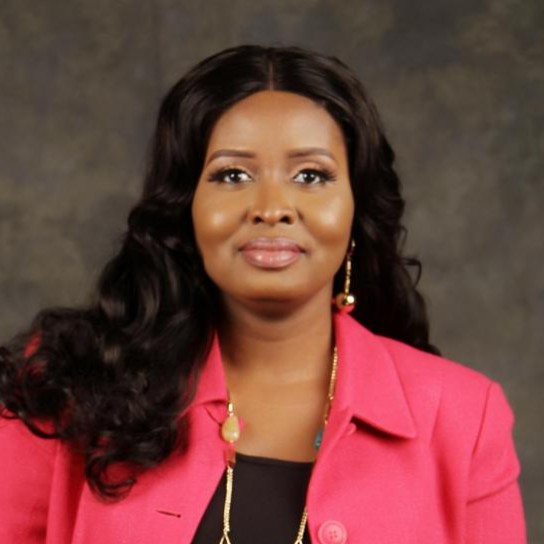
Asmau Benzies Leo
Dr. Asmau Benzies Leo is a development practitioner with extensive national and international expertise in gender equality, peace-building, governance, and humanitarian action. She holds a PhD in Public Governance and Leadership, a Master’s degree in Conflict Management and Peace Studies, and executive certifications from leading institutions including Howard University, Harvard University and Glasgow Caledonian University. As Executive Director of the Centre for Non-violence and Gender Advocacy in Nigeria (CENGAIN), she has led ground-breaking advocacy initiatives on women’s political participation, gender-based violence prevention, and security sector reform across multiple World Bank, UN and EU-supported projects.
The IWA Series 15 Conference is Here
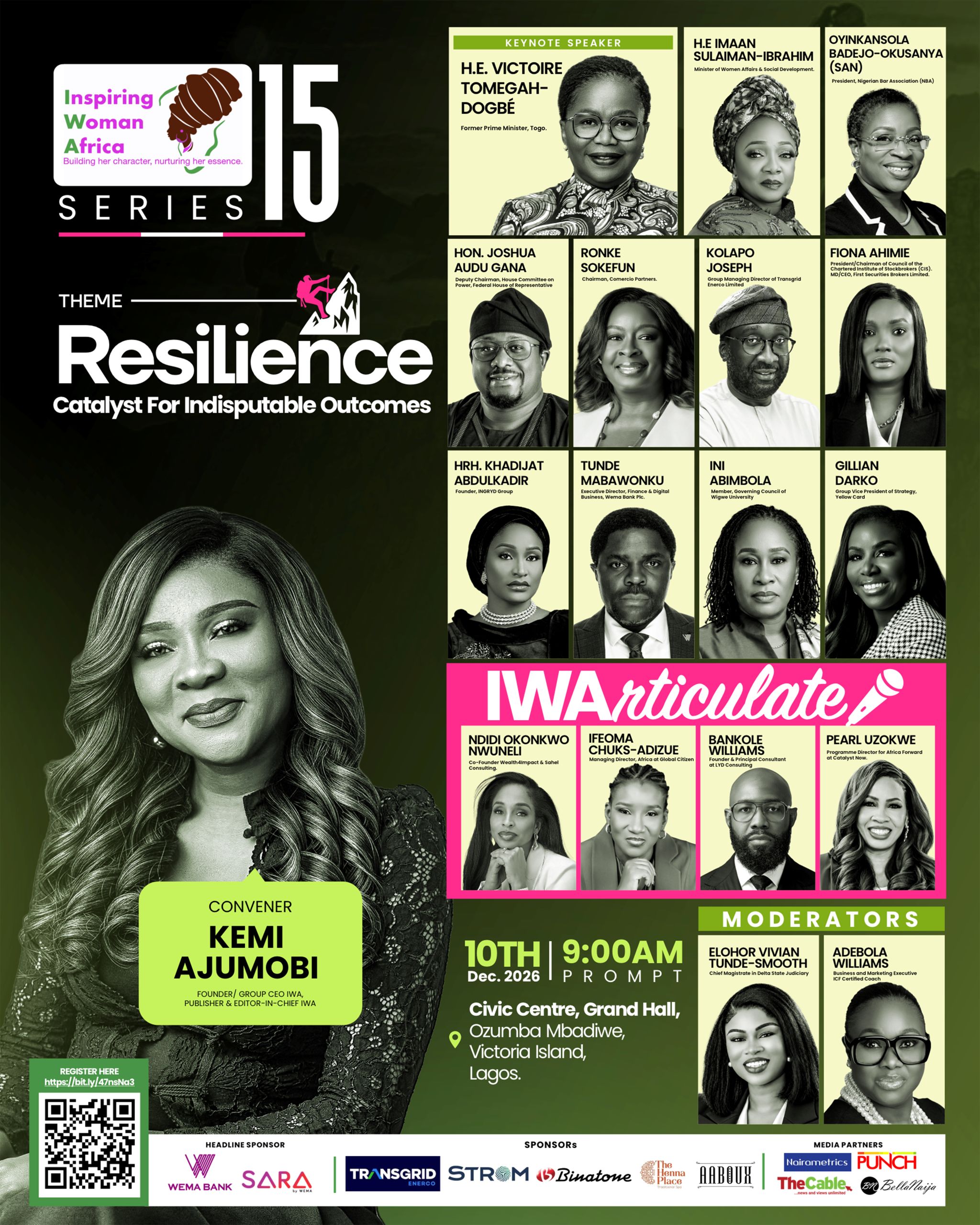
Click To Register
Latest Edition of IWA Magazine
October 20, 2026
Meet the Speakers of IWA Series 15 Conference
Latest Posts
-
 Oct 20, 2026 Hard Conversations: The Skill No One Puts on a CV
 -
 Oct 20, 2026 5 Africa Women Listed as 2026 Forbes Icons
 -
 Oct 20, 2026 You Are Wealthier Than You Think