IWA Team
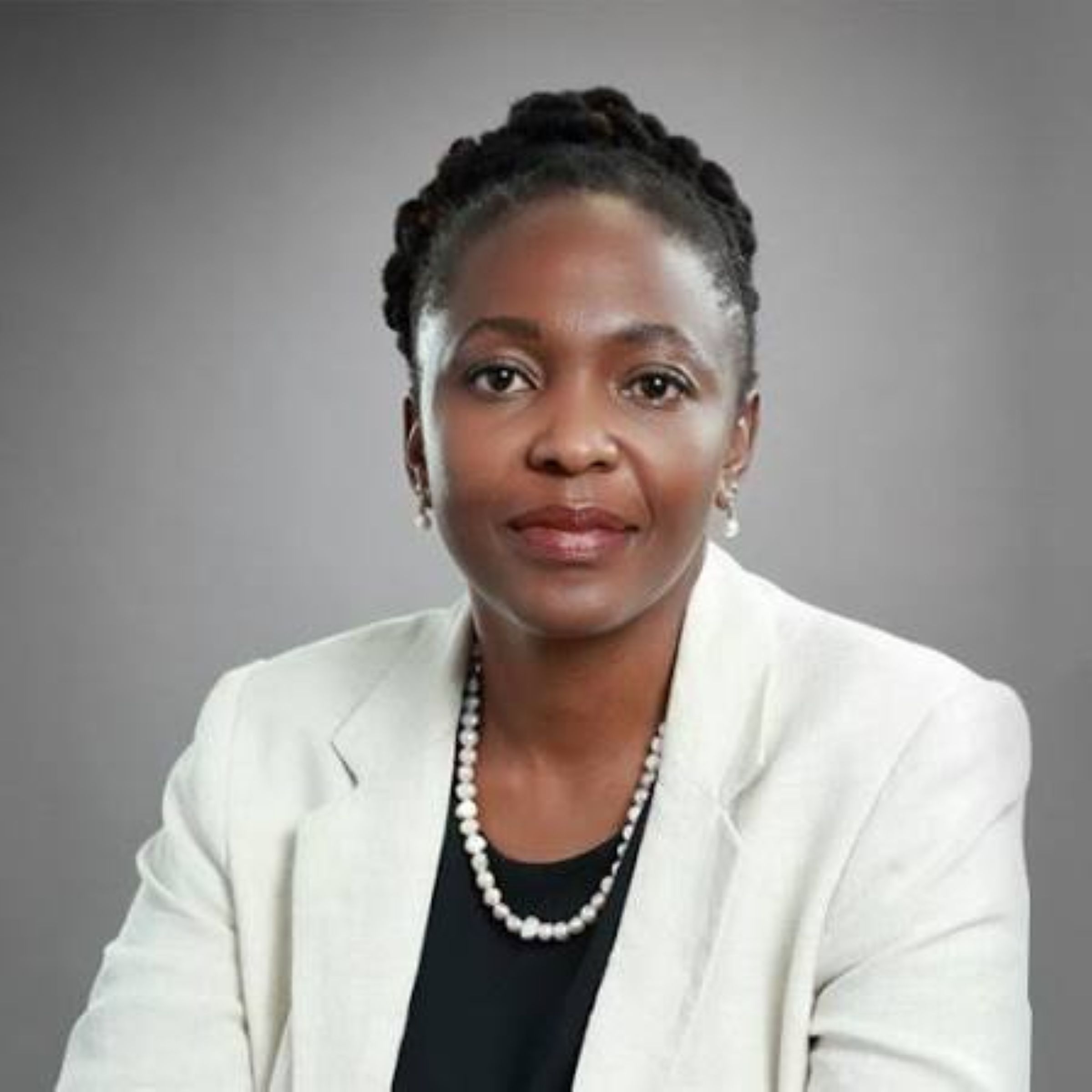
Taelo Mojapelo
CEO, bp Southern Africa (bpSA)
Taelo Mojapelo leads bp Southern Africa (bpSA) as CEO, bringing a strong track record in both commercial results and day-to-day operations. Her career has been shaped by experience across the African continent, complemented by rigorous academic training in fields spanning business and engineering.
She holds an MBA from GIBS, a postgraduate degree in Environmental Engineering from the University of Cambridge, and a BSc Honours in Chemical Technology from the University of Natal. Taelo is also a Certified Supply Chain Professional (CSCP) and a Certified Director with the Institute of Directors South Africa.
Her board and governance experience includes serving as a Non-Executive Director for the South African Mint Company and the South African Bank Note Company, and previously supporting the Wits Business School’s African Energy Leadership Centre advisory work.
A recognised leader in her field, Taelo received the 2023 Standard Bank Top Women Business Leader of the Year award. She is particularly focused on driving purposeful transformation and advancing diversity, equity, and inclusion—creating support and momentum for women in executive roles, as well as for black and women-owned businesses. She also co-authored bpSA’s white paper, “Creating responsible business within the context of diversity, equity, and inclusion.”
For Taelo, leadership means more than performance—it’s about contributing to communities and strengthening the pipeline of future talent.
She speaks highly of her organisation and maintains that they support women’s progress. According to her “We are deliberate about equipping women for leadership positions by sponsoring customiaed leadership programmes for employees, with an emphasis on women.: She further adds that “Beyond corporate leadership roles, the inclusion of women within the supply chain remains a key pillar of women empowerment.”
Having said this, she insists that gender bias is real. According to Taelo, while women have the same ability to lead as their male counterparts, it is widely reported that women have to work twice as hard to receive the same recognition. “This is further amplified in Africa where cultural norms intersect with the corporate environment resulting in unconscious biases regarding people’s expectations of the role of a leader, and their expectations of the role of a woman.”
Author

The IWA Series 15 Conference is Here
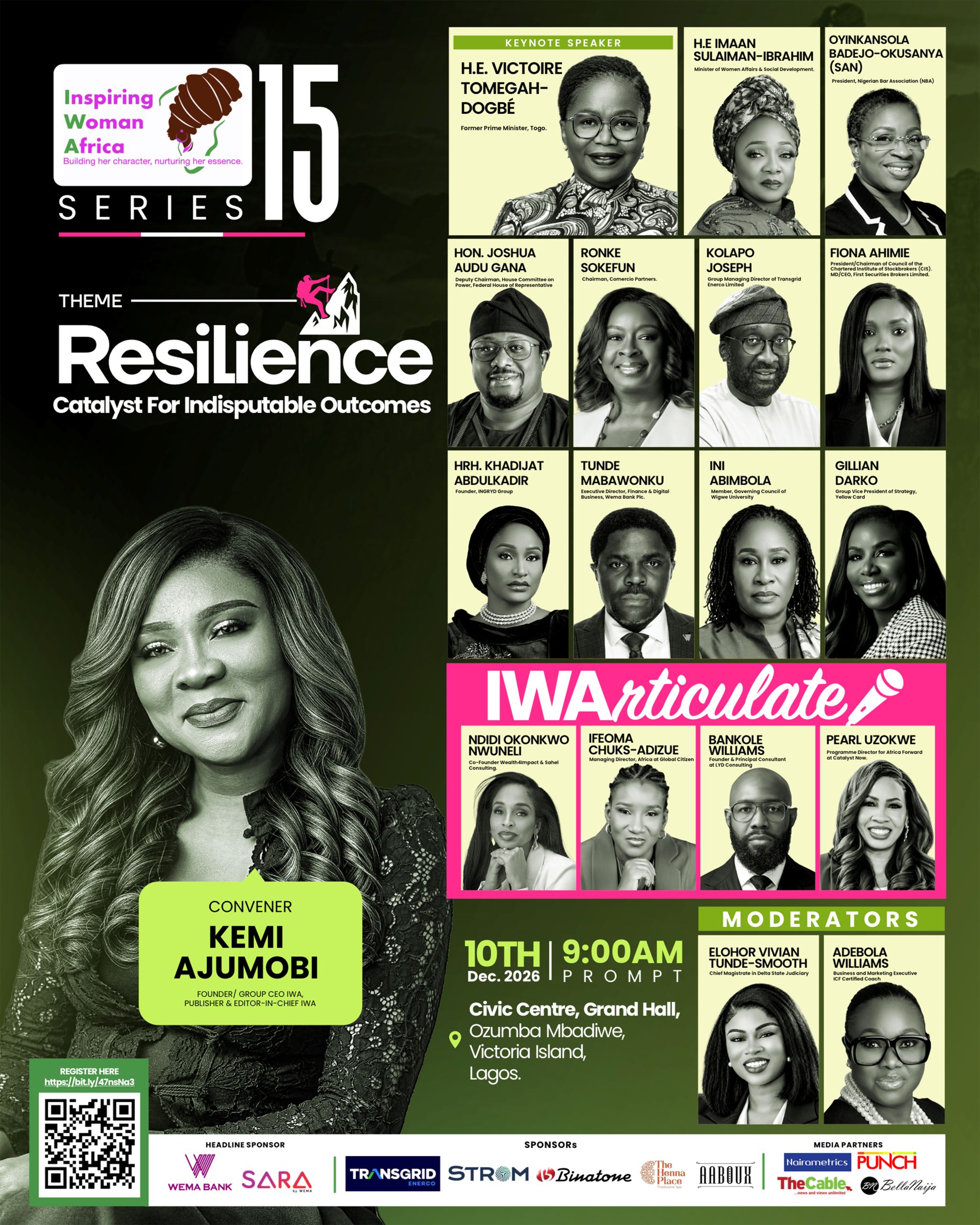
Click To Register
Latest Edition of IWA Magazine
October 20, 2026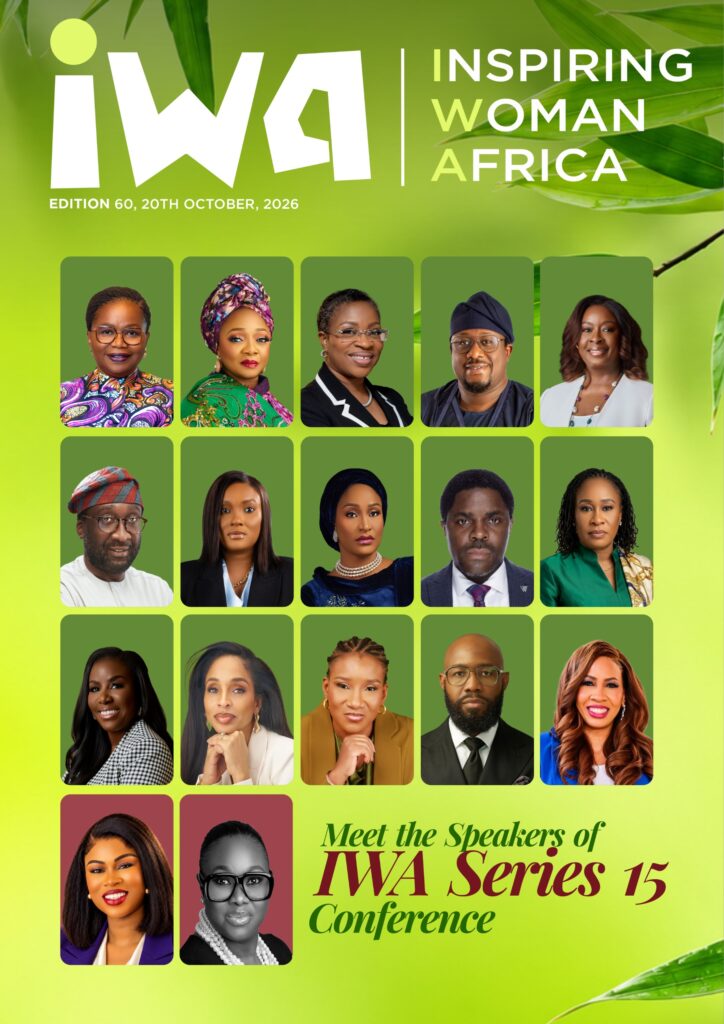
Meet the Speakers of IWA Series 15 Conference
Latest Posts
-
 Oct 20, 2026 Hard Conversations: The Skill No One Puts on a CV
-
 Oct 20, 2026 5 Africa Women Listed as 2026 Forbes Icons
-
 Oct 20, 2026 You Are Wealthier Than You Think