 Sola Adesakin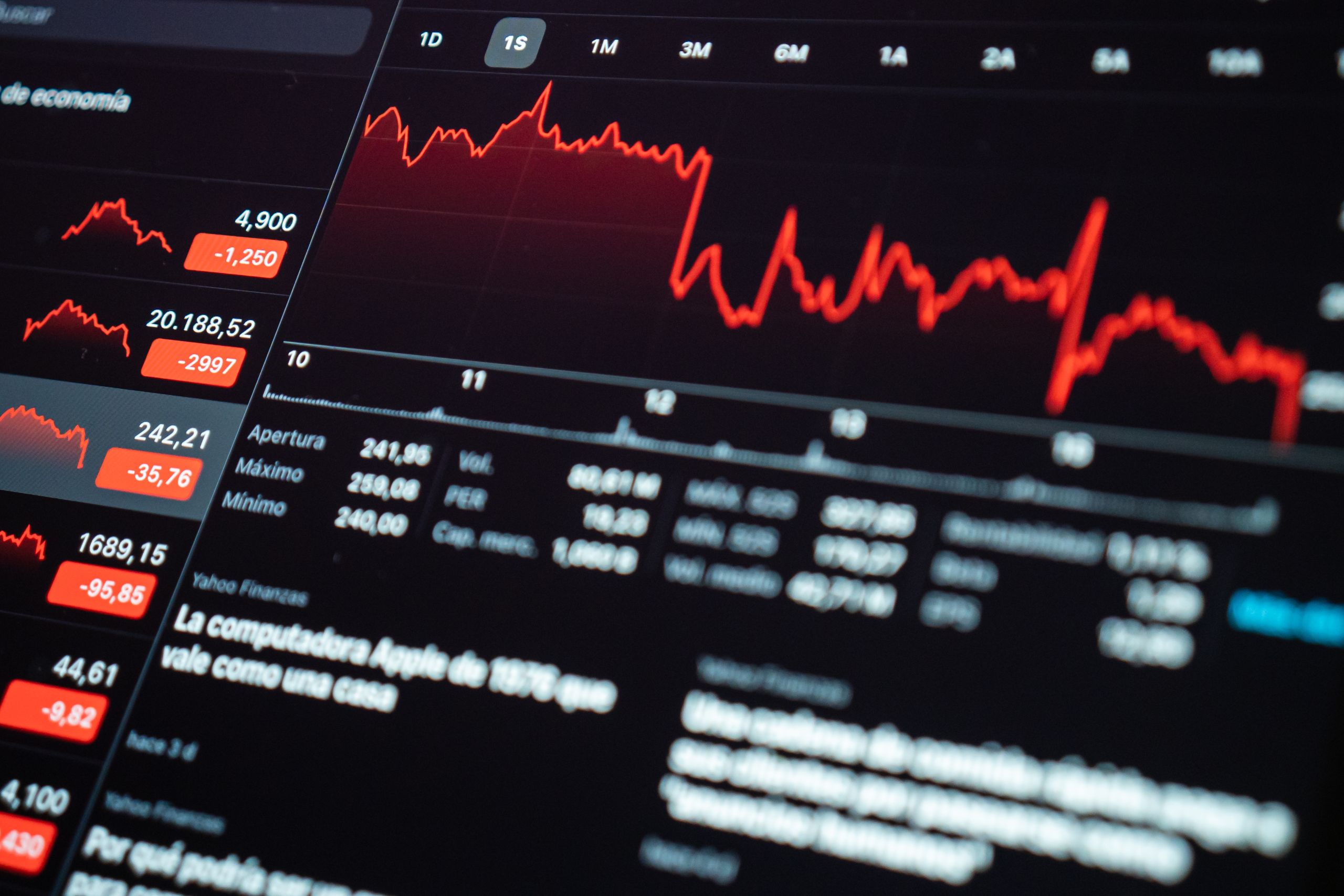
There is a pattern that repeats itself in every market cycle without fail. When stocks are rising and everyone around you seems to be making money, the conversation gets loud. Group chats fill up with screenshots. Colleagues who never mentioned investing before are suddenly sharing tips. The entry point feels obvious and the upside feels certain. That is precisely when the risk is highest and the opportunity is smallest.
And then the market shifts. Prices correct. The noise dies down. The group chat goes quiet. And most people, having arrived late and bought high, either panic-sell at a loss or swear off the market entirely and wait for the next cycle of noise to bring them back.
The investor who builds real wealth is doing something different the whole time. She is studying when it is quiet, positioning when it feels uncertain, and holding when everyone else is either euphoric or afraid. She understands something that takes most people years to learn: the market rewards preparation, not reaction.
Right now is one of those quiet, uncertain moments. And it is worth paying attention to.
The US market has been navigating a period of significant volatility. Trade policy uncertainty, interest rate decisions from the Federal Reserve, and gelatinous consumer confidence have created a market that swings sharply on news cycles. The S&P 500 has seen corrections that rattled short-term investors but have historically represented exactly the kind of entry points that long-term investors look back on with gratitude. When fear is in the air and prices are down, quality companies are on sale. That is not a crisis for the prepared investor. It is a window.
Closer to home, the Nigerian Exchange has its own dynamics. The NGX All-Share Index has shown resilience in pockets, particularly in financial services, consumer goods, and energy stocks, even as broader macroeconomic pressures, currency volatility, and inflation have created a complicated environment for retail investors. But complicated is not the same as closed. The NGX has produced some of the strongest real returns in Africa for investors who understood what they were buying and held with patience.
The question is not whether the market is perfect right now. It never is. The question is whether you are building the knowledge and position to benefit when clarity returns. And it always returns.
Here are five things you can do right now to enter the market intelligently
1. Start with financial education, not a brokerage account. Before you put a naira or a dollar into any stock, spend four weeks reading. Understand what a stock actually represents, an ownership stake in a real business. Learn what a price-to-earnings ratio tells you about value. Understand the difference between a blue-chip stock and a speculative one. The NGX investor protection fund and the SEC Nigeria both publish free retail investor education resources. For US markets, resources from Morningstar and the US SEC investor education portal are credible starting points. Knowledge is your first position.
2. Open a regulated brokerage account and start small. In Nigeria, regulated stockbrokers registered with the SEC allow you to buy NGX-listed stocks directly. For US market access, platforms operating legally in Nigeria allow dollar-denominated investment in American equities. Start with an amount you can afford to leave untouched for three to five years minimum. The figure matters less than the habit.
3. Buy quality, not momentum. In a bearish or uncertain market, the instinct is to look for the stock that will bounce fastest. Resist it. Focus on companies with strong earnings histories, low debt, and businesses you genuinely understand. On the NGX, companies in banking, consumer staples, and energy with consistent dividend histories have rewarded patient investors. On the US side, diversified index funds tracking the S&P 500 remain one of the most evidence-backed entry points for new investors.
4. Invest consistently, not occasionally. Set a fixed amount to invest every month regardless of what the market is doing. This approach, called naira or dollar cost averaging, means you automatically buy more shares when prices are low and fewer when they are high. Over time it reduces your average cost and removes the paralysing question of whether today is the right day to invest. It is always the right day if you are investing for the long term.
5. Define your time horizon before you define your stocks. The single biggest mistake new investors make is investing long-term money with short-term emotions. Before you buy anything, write down when you will need this money and what it is for. If the answer is less than three years, the stock market is the wrong vehicle. If it is five years or more, short-term volatility is noise, not a signal.
The market will get loud again. Prices will rise, the screenshots will return, and everyone will have a tip. By then, the prepared investor will already be positioned.
Study now. The quiet period is the gift.
About Author
Sola Adesakin
Sola Adesakin is a highly respected wealth coach and chartered accountant with over two decades of transformative impact in the finance industry. As the visionary founder of Smart Stewards Financial Advisory Limited and Smart Stewards Advisory LLC, she has revolutionized the financial wellbeing of countless individuals and businesses across 40 countries. Her methodical approach to ‘make-manage-multiply’ money principles has elevated many from financial stress to prosperity, and mediocrity to exceptional achievement.
The IWA Series 15 Conference is Here

Click To Register
Latest Edition of IWA Magazine
October 20, 2026
Meet the Speakers of IWA Series 15 Conference
Latest Posts
-
 Oct 20, 2026 Hard Conversations: The Skill No One Puts on a CV
 -
 Oct 20, 2026 5 Africa Women Listed as 2026 Forbes Icons
 -
 Oct 20, 2026 You Are Wealthier Than You Think