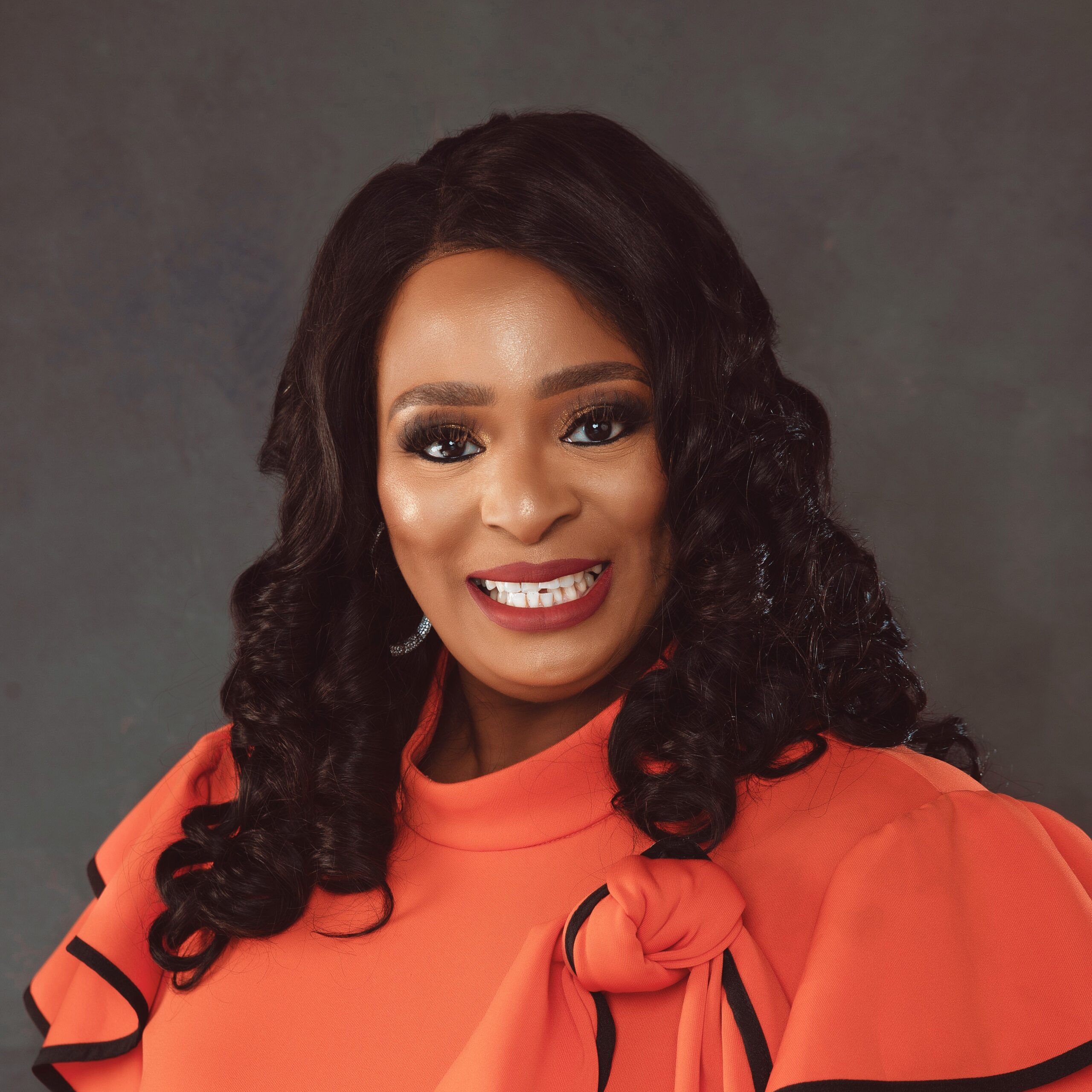
 Chinyere Okorocha

I have been the only woman in the room more times than I can remember.
In boardrooms. At partnership meetings. Around negotiating tables. At industry meetings. In conversations where important decisions were being made and, occasionally, where I looked around and realised that every other voice at the table was male.
When you are younger, being the only woman in the room can feel intimidating.
You wonder whether you belong there. You are conscious of how you speak, how much you speak, whether you are being too assertive—or not assertive enough. You may even feel an unspoken pressure to prove that your presence in that room is justified.
After more than three decades in professional life, however, I have come to see those rooms differently.
There can be a privilege in being the only woman in the room.
Not because women should be satisfied with being the only ones there. Far from it. But because access brings opportunity, visibility and, importantly, responsibility.
First, recognise that you belong there
One of the biggest mistakes we can make is to enter important rooms behaving as though someone has done us a favour by inviting us.
I learnt this over the years.
If I had been invited to a meeting because of my expertise, experience or position, then I had something to contribute. I did not need to shrink myself or wait until someone gave me permission to have an opinion.
Women sometimes enter rooms carrying their qualifications in one hand and their self-doubt in the other.
Please put the self-doubt down.
Prepare thoroughly. Know your subject. Listen carefully. But when you have something valuable to contribute, speak.
There have been meetings in my career where I have initially sat quietly, listening to the conversation around the table. Then a subject would come up that fell squarely within my expertise. I would make my contribution and suddenly the dynamic would change. People listened differently.
That taught me something important: your confidence should come from the value you bring, not from the number of people in the room who look like you.
Don’t underestimate the power of being different
Being the only woman can sometimes mean that you bring a perspective nobody else has considered.
That is not a weakness. It can be your advantage.
Women bring different experiences to leadership, business, policy, law and decision-making. We may ask different questions. We may notice implications that others have overlooked. We may approach people, risk, relationships and outcomes through a different lens.
Your job is not to become “one of the boys” so that you can fit comfortably into the room.
Your job is to bring your full professional value into it.
I have learnt not to dilute my perspective simply because it differs from everyone else’s. Sometimes the most useful contribution in a room is the one that causes everyone to stop and say, “I hadn’t thought about it that way.”
But visibility comes with responsibility
There is another side to being the only woman in the room.
People notice you.
That can feel like pressure, but it also gives you an opportunity.
Over the years, as I progressed in my career and gained greater access to leadership spaces, I became increasingly conscious that my success could not simply be about me.
I wanted to know: Who else am I bringing into the room?
This has shaped much of my work mentoring women throughout my career and, eventually, my decision to establish the Heels & Ladders Career Mentorship Club.
Because there is little point celebrating that we have broken the glass ceiling if we pull the ladder up behind us.
Recommend another woman.
Mention her name when opportunities are being discussed.
Invite younger women into conversations they would not ordinarily have access to.
Share information.
Sponsor, don’t just mentor.
And when you have influence over who sits around the table, use it.
Learn the room—but don’t lose yourself
Every room has a language.
There are power dynamics, personalities and unwritten rules. Part of career maturity is learning to read them.
Who actually makes the decisions? Who influences the decision-maker? When should you speak? When is it wiser to listen? Which conversations happen before the meeting rather than during it?
I wish someone had explained some of this to me much earlier in my career.
Competence is important, but navigating a career also requires emotional intelligence, relationships, strategic visibility and an understanding of how organisations really work.
Learn these things.
But don’t confuse learning the room with changing who you are to fit into it.
You can be warm and still be authoritative.
You can be feminine and formidable.
You can disagree without becoming disagreeable.
And you do not have to adopt someone else’s leadership style to prove that you deserve your seat.
Make sure you are not the last
Today, when I find myself as the only woman—or one of very few women—in an important room, I no longer think only about the significance of my own presence.
I think about the women coming behind me.
Perhaps that is one of the greatest privileges of getting further along in your career. You begin to realise that some doors were opened for you so that you could hold them open for somebody else.
So, if you are currently the only woman in the room, don’t shrink.
Sit up.
Speak up.
Do your homework.
Bring your perspective.
Build relationships.
Let your competence be evident.
And then, when you have earned influence in that room, use some of it to create space for another woman.
Being the only woman in the room may sometimes be a privilege.
But the real achievement is ensuring that, because you were there, you will not remain the only one for long.
From her point of view, that is what progress looks like.
About Author
Chinyere Okorocha
With over three decades of experience as a trailblazer in the legal profession, Chinyere Okorocha has established herself as a leading voice in law, leadership, and career growth for women. As a partner in one of the most prestigious law firms in the country, she has not only navigated the complexities of a competitive industry but has consistently broken barriers to become a sought-after leader, mentor, and advocate for women in the workplace. A devoted wife and proud mother of three, her career development platform, Heels & Ladders, is dedicated to mentoring and guiding women who aspire to redefine success, achieve career mastery, and lead with purpose.
The IWA Series 15 Conference is Here
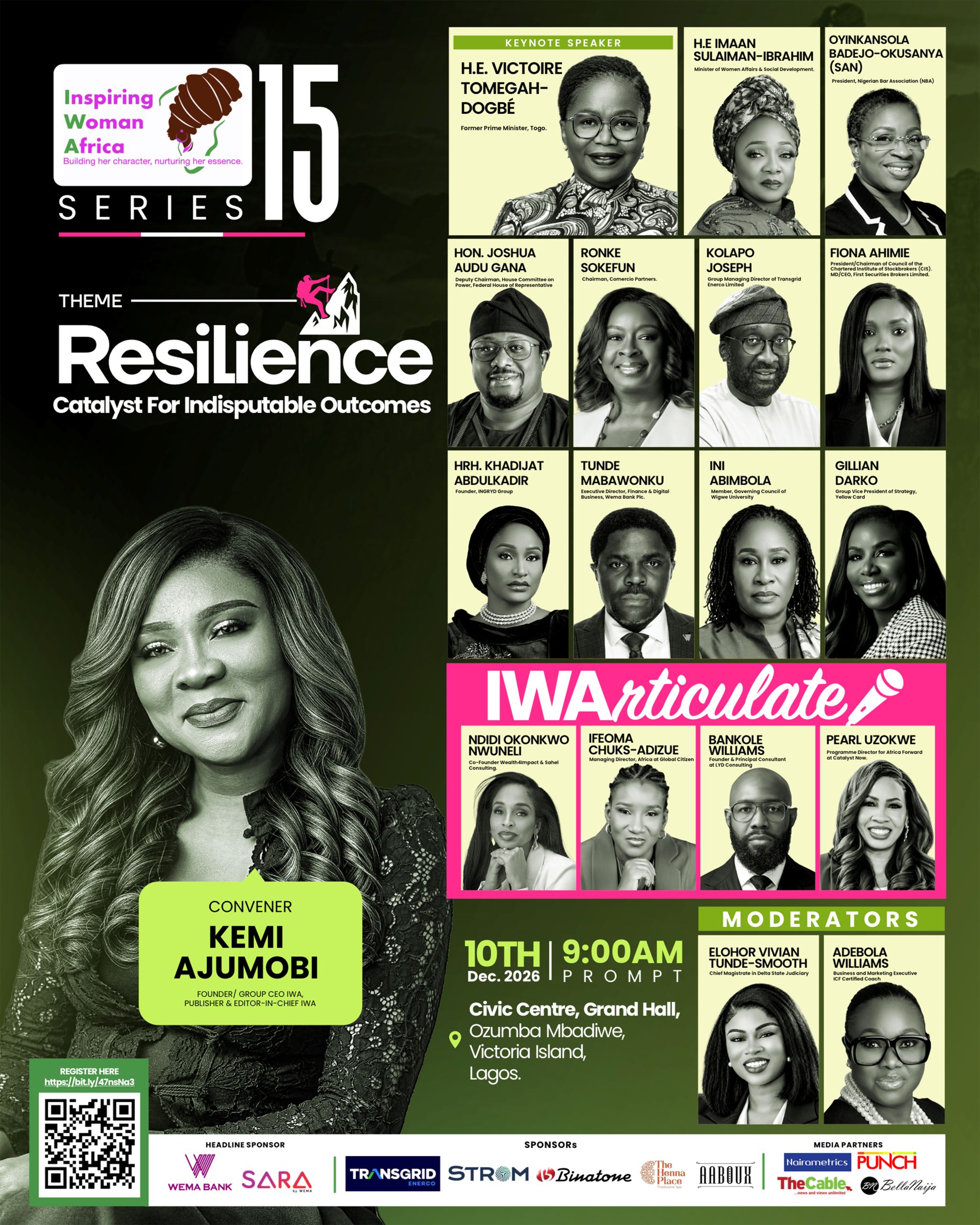
Click To Register
Latest Edition of IWA Magazine
October 27, 2026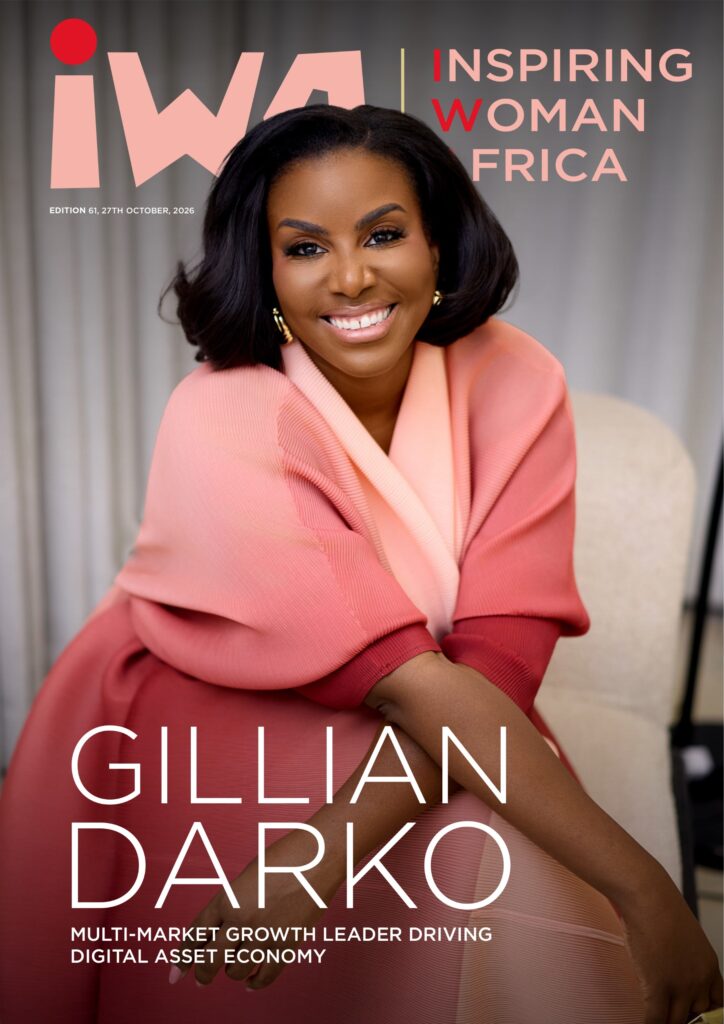
GILLIAN DARKO: Multi-market Growth Leader Driving Digital Asset Economy
Latest Posts
-
 Oct 27, 2026 Your Money Is Wasting. You Just Cannot See It.
-
 Oct 27, 2026 LUÍS FILIPE RODRIGUES LÉLIS
-
 Oct 27, 2026 Marie-Chantal Kaninda