 Zainab Aderounmu
Nigeria’s nationalist history is often told through the voices of men, while the women who equally reshaped history by organizing, protesting and dismantling colonial structures, are often reduced to footnotes or glossed over. Take madam Fúnmiláyọ̀ Ransome-Kuti, a classic example, who is primarily known as the first woman to drive a car, rather than celebrated for being a ruthless organiser and political leader.
However, this woman and many others valiantly fought for women’s rights and dismantled systemic barriers. Beyond independence, their fearless resistance laid the foundation for women’s structures and advocacy today.
One such woman in Nigerian history is Malama Ladi Diana Shehu. She was a teacher, broadcaster, journalist, voluntary social worker, and political activist. She essentially pioneered the writing of the Women’s page in the Nigerian Citizen the forerunner of NewNigerian Newspaper, expounding issues like the total emancipation of women from cultural bondage, and the right of women to education especially in the North. She was also a pioneer in producing and presenting women and children’s programs both on the NBC and RTK wavelengths. When we think of women’s journalism today, we can spotlight Malama Diana as one who laid the groundwork.
Beyond that, she was also politically active, working closely with Mallam Aminu Kano. Serving as the national general secretary of the Northern Elements Progressive Union (NEPU) women’s wing, she insisted on voting rights for women to be constitutionally guaranteed enabling them participate fully politically.
Another is Wuraola Esan, the first female member of the Nigerian Senate in the First Republic, appointed by the Western Region under Awolowo’s Action Group party. But she didn’t just arrive there by chance; she earned it.
In the 1950s, she actively participated in politics as a member of the women’s wing of Action Group (AG), and6 co-founded the National Council of Women Societies, deeply involved in community political activities. Throughout her life, she fought for women and girls’ rights to education, establishing the Ibadan People’s Girls Grammar School in Molete.
In an uncommon move for women at the time, Aderonke Kale joined the Nigerian army in 1972 rising steadily through the ranks to become brigadier-general in 1990 and major-general in 1994, making her the first woman to achieve these ranks.
A woman of many firsts, she commanded a military hospital and became the first female commandant of the Nigerian Army Medical Corps (NAMC). Sadly, Nigeria hasn’t had many female major-generals since Aderonke Kale.
These women didn’t just participate in history; they were at the center of it. And to preserve their legacies isn’t frivolous or nostalgic, it’s an act of intellectual justice.
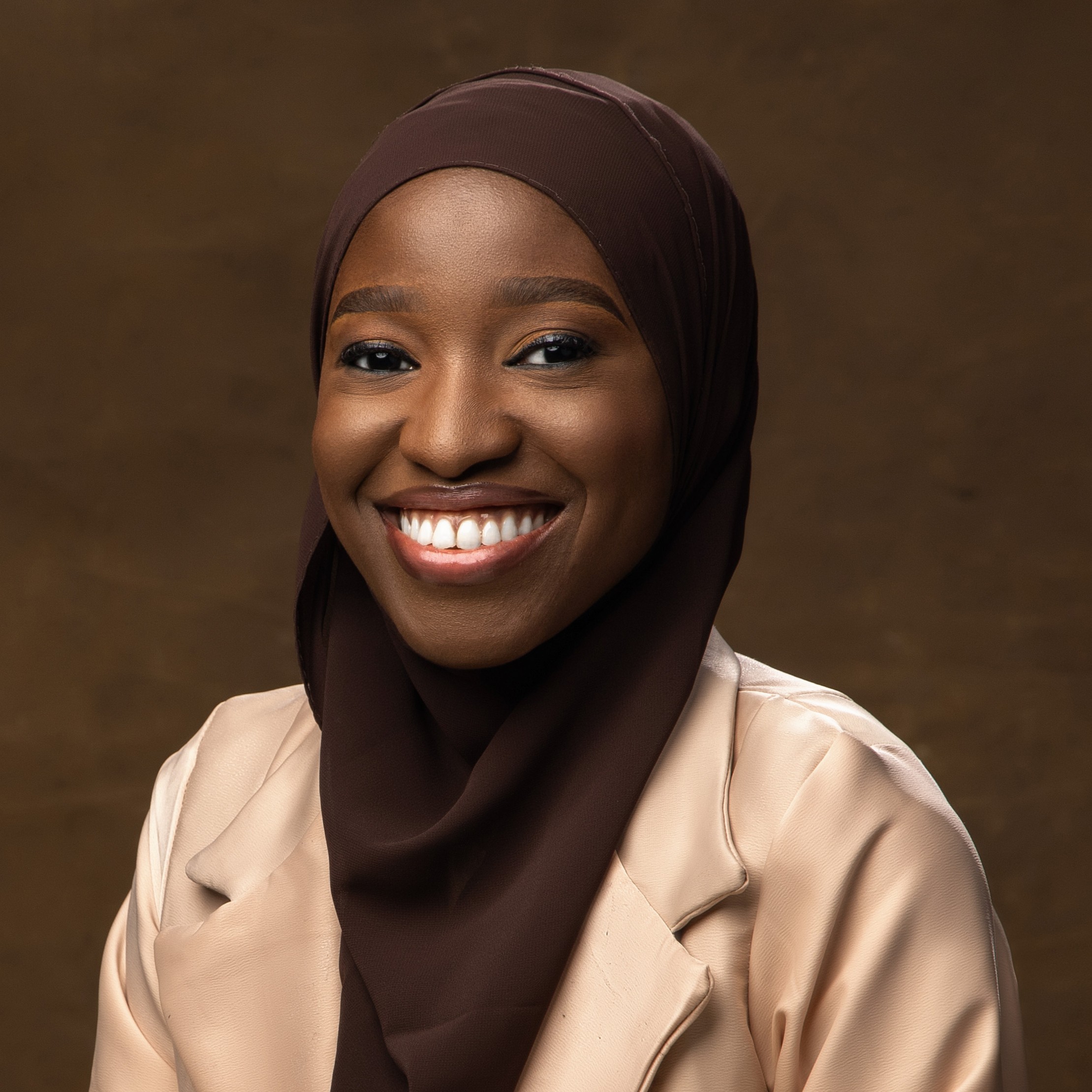
Zainab ADEROUNMU A. W. is a First Class graduate of English Language and the Overall Best Graduating Student from the Lagos State University, Lagos Nigeria. She’s a professional Master of Ceremonies, known as The Hijabi Compere , a public speaking coach and Communications Professional. She is currently a Youth advisor to the European Union where she doubles as the Spokesperson and Head of Communications & PR for the Youth Sounding Board.
Latest Edition of IWA Magazine
March 3, 2026