 Kemi Ajumobi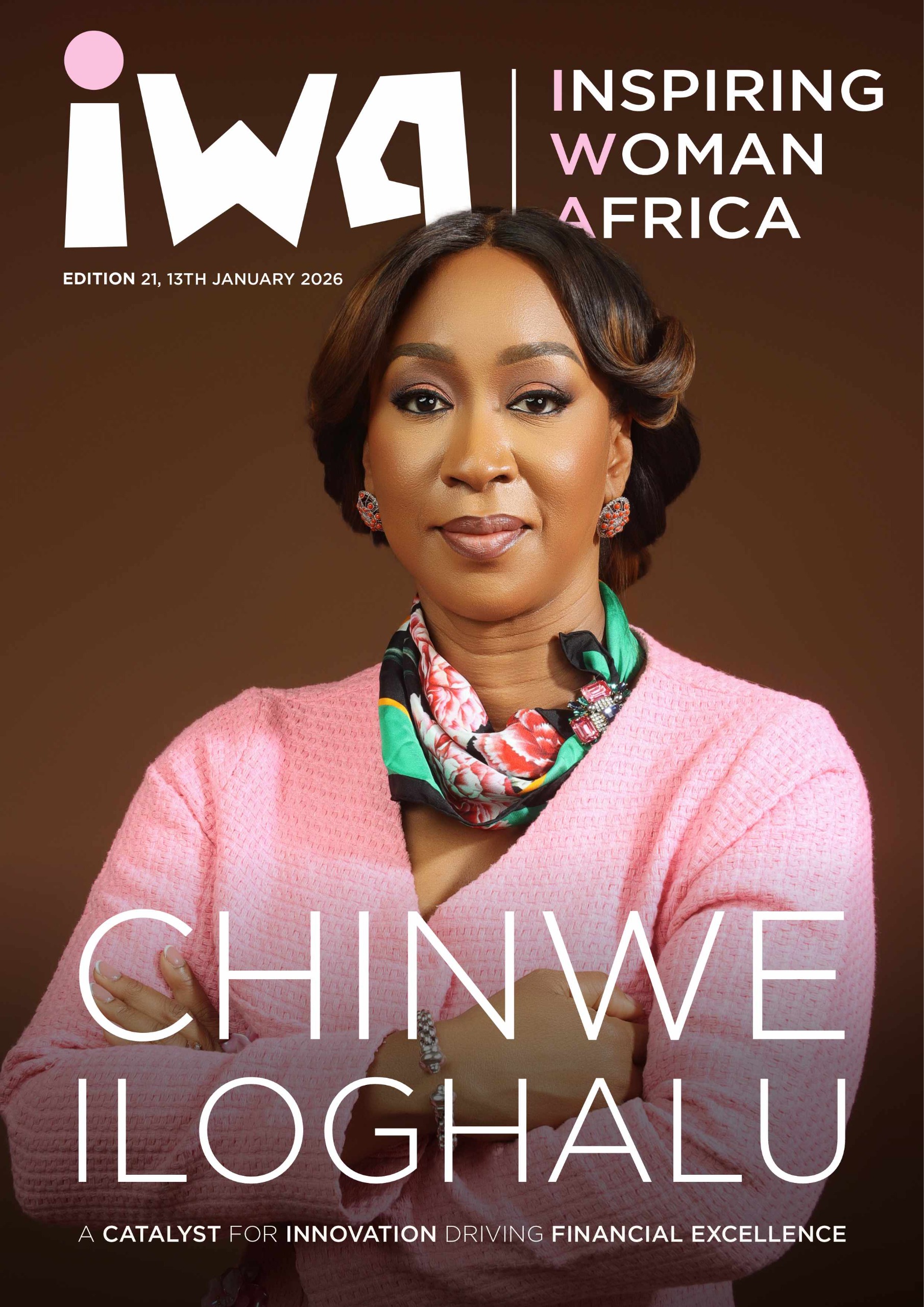
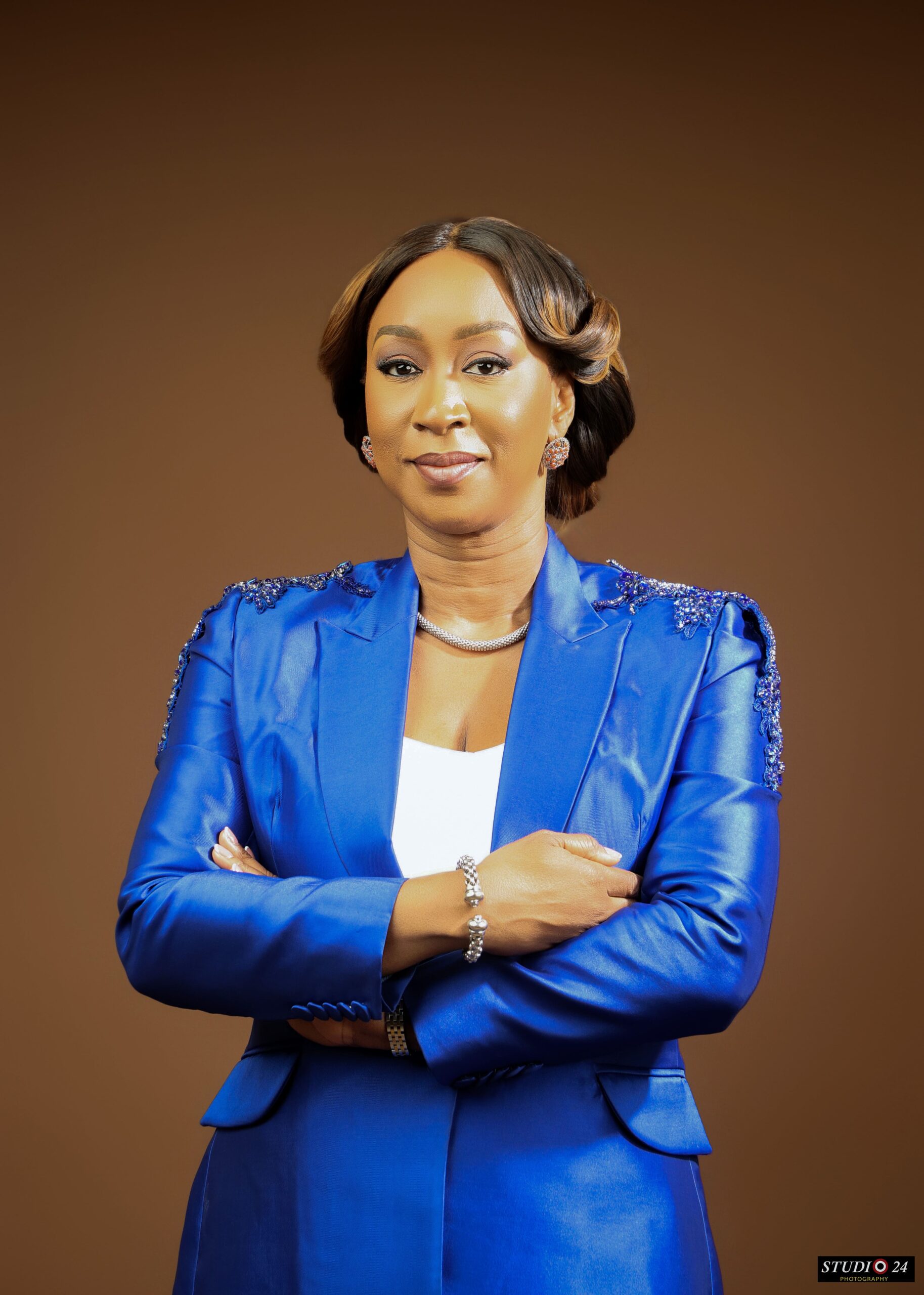
Chinwe Iloghalu was until recently, the Acting MD/CEO of NOVA Bank. Prior to her appointment, Chinwe had served (and returns) as Executive Director, now leading Institutional & Corporate Banking at NOVA Bank. She also served as the Executive Director, Lagos & Corporate Bank at Polaris Bank.
She is a consummate professional of over 27 years’ experience with several awards in recognition for her contribution to the growth of the organisations where she has worked including Equatorial Trust Bank, Ecobank Nigeria Plc., Zenith Bank Plc, Fidelity Bank Plc, and Polaris Bank.
Chinwe has core-banking experience in diverse areas of banking including Operations, Marketing, Credit, Retail, Consumer, Corporate, and Commercial Banking, and has been involved in the structuring of transactions in various sectors including Oil & Gas, Manufacturing, Telecommunication, Power, Infrastructure, Aviation, Real estate, Agric & Exports, Fintech, Public Sector, amongst others.
She has attended executive management programs at Said Business School, University of Oxford, The Wharton School of the University of Pennsylvania, Emeritus Institute of Management, Lagos Business School, Columbia Business School, London Business School, London School of Business and Finance, and Harvard Business School, amongst others.
Chinwe holds a Bachelor of Science (B.Sc.) degree in Industrial Chemistry from the University of Benin, an MBA from Esut Business School, and a Master of Sciences (M.Sc.) degree in Marketing Communications from the School of Media and Communication, Pan-Atlantic University.
She is a Fellow of The Institute of Credit Administration, Honorary Senior Member of the Chartered Institute of Bankers of Nigeria, Member of notable professional bodies including the Nigerian Institute of Management, and the Nigerian Institute of Public Relations, amongst others.
Chinwe brings a fresh perspective to banking relationships by building strong networks, leveraging business connections, and creating value, which brings to bear the delivery of maximum results.
Banking career and leadership influence
My inspiration to pursue a career in banking stemmed from a deep fascination with the industry’s pivotal role in economic stability and growth, combined with the challenging, dynamic environment it offers. This journey has shaped a leadership style that is a blend of transformational and collaborative approaches, centered on empowerment, strategic thinking, and continuous learning.
Pivotal career moment and influence on your professional development
A pivotal moment in my career was transitioning from a non-market facing role to market-facing. This shift gave me direct interactions with customers, allowing me to proffer and provide solutions tailored to their needs. It expanded my knowledge of their businesses, ultimately enhancing my ability to serve them better. This experience has been instrumental in shaping my customer-centric leadership approach
Approaching decision-making in your leadership role, especially during challenging times
I approach decision-making with a blend of data-driven insights, empathy, and stakeholder perspectives. In challenging times, I prioritise clear communication, collaborative problem-solving, and swift action. I lean on my team’s expertise and stay focused on our purpose.
Emerging trends in the banking and finance industry that you believe will shape its future in Nigeria
• Digital Transformation: Nigerian banks are going digital, with a focus on mobile banking, AI-driven services, and contactless payments. This shift is expected to increase financial inclusion and improve customer experience.
• Open Banking and Fintech Collaborations
• Artificial Intelligence (AI) and Machine Learning (ML): AI and ML are being used to enhance customer service, detect fraud, and improve risk management.
• Regulatory Reforms and Recapitalization: The Central Bank of Nigeria is pushing for recapitalization, which is expected to strengthen the banking sector and increase resilience.
• Sustainable Finance and ESG: Nigerian banks are focusing on Environmental, Social, and Governance (ESG) financing, with investments in renewable energy and green infrastructure expected to grow.
• Cryptocurrency and Blockchain: The CBN has been working on a regulatory framework for cryptocurrency, which is expected to provide a better structure, boost adoption and innovation in the sector.
• Contactless Payments: Contactless payments are becoming more popular, driven by NFC technology and QR codes. This trend is expected to reduce cash usage and improve transaction efficiency.
• Digital Lending and BNPL: Digital lending and Buy Now, Pay Later (BNPL) services are gaining traction, with fintechs leveraging AI and alternative data to offer credit to underserved populations.
Approaching mentorship and talent development within your organisation, especially for women in banking
As a Leader, I prioritise mentorship and talent development, with a focus on empowering women in banking. I believe every woman has immense potential, and I encourage female professionals and leaders, starting from those within my immediate space – the banking sector, to embrace continuous learning, courage, and collaboration as key habits for achieving long-term career success and breaking through professional barriers. I lend my voice and approval to the recognition, development, and promotion of tailored programmes within the bank – whether it be sponsorships or credit programs that help women unlock their potentials. I’m committed to building a pipeline of future women leaders, and I’m passionate about driving this impact personally.

Advice to people desiring to build a career in banking
Have faith in yourself, put in the effort, and don’t hesitate to take calculated risks. Surround yourself with mentors, and nurture valuable connections.
You emphasise building strong networks in your role. What strategies do you use to foster and maintain these connections?
Consistency (regular, reliable engagement) and value addition (offering help, insights, support) are key to maintaining strong networks, as they build trust, credibility, and foster a culture of reciprocity, turning simple contacts into mutually beneficial, long-term relationships and opportunities.
What role does relationship-building play in the success of a bank?
Personally, my leadership style is deeply rooted in authentic engagement with my teams and clients. I strongly believe in the power of relationships in driving business growth. My ability to spearhead complex transactions in diverse sectors such as oil and gas, agric & exports, manufacturing, infrastructure, construction, healthcare hospitality, pharmaceuticals, and fintech is built on relationships I have nurtured over time and my expertise and dynamic approach to banking. I believe this approach helps leaders in driving growth and success in the banking sector.
Banking industry contributing to the broader economic development of Nigeria
The banking industry will drive Nigeria’s development by ensuring financial stability, promoting inclusion (especially for SMEs via fintech), attracting investment through monetary policy reforms, and boosting capital markets, ultimately creating a robust system for sustainable growth, even while balancing inflation control with credit access.
Evolving leadership style and what leadership you prioritise
My leadership style has evolved to be more collaborative and empathetic, focusing on empowering teams and driving innovation. I prioritise principles like servant leadership, transparency, and accountability. Leading by example and fostering a culture of trust and open communication have become essential to my approach. Adaptability and decisiveness are also key in navigating today’s fast-paced banking landscape.
Banking system leveraging digital onboarding, data analytics, or AI to improve client experience and efficiency
Banks use digital onboarding, data analytics, and AI for seamless sign-ups, hyper-personalised services (like tailored loans/savings), predictive fraud detection, and 24/7 support via chatbots, boosting efficiency by automating tasks (RPA) and freeing staff for complex needs, while drastically improving customer satisfaction through speed, convenience, and relevant offers.
Women on boards
We’ve got a decent representation of women on boards globally and in Nigeria. Globally, women hold 11% of Fortune 500 CEO positions (55 women as of 2024). In Nigeria, initiatives like the Female Gender Sustainability Principles and the Central Bank’s 30% board and 40% senior management gender diversity guidance for banks are driving progress. We’ve seen women excel as board chairs, CEOs, and NEDs in banking and other sectors like energy and government. It’s fair to say that these women bring immense value on boards directly proportional to the overall performance of those companies.
I believe the low number of women on boards stems from internal challenges like self-sabotage, impostor syndrome, and work-life imbalance, as well as environmental hurdles such as unconscious biases, lack of leadership programmes, and insufficient sponsorship. To drive change, I’m committed to mentoring and sponsoring women, paying it forward, and sharing my experiences to amplify impact. I’ll prioritise strategic presence, create opportunities for others to succeed, and ensure my legacy inspires others to act – because silence isn’t humility, it’s giving away your legacy.
Outside of banking, what are you passionate about, and how do you balance your professional and personal life?
Outside banking, I’m passionate about volunteering for community and environmental causes. I balance work and life by maximising my work hours, protecting family time, and prioritising vacations with my loved ones. Flexibility is key – I adapt as needed to stay present in both worlds.
Recently, you were part of Inspiring Woman Africa Series 14, what is it about your experience you would love to share?
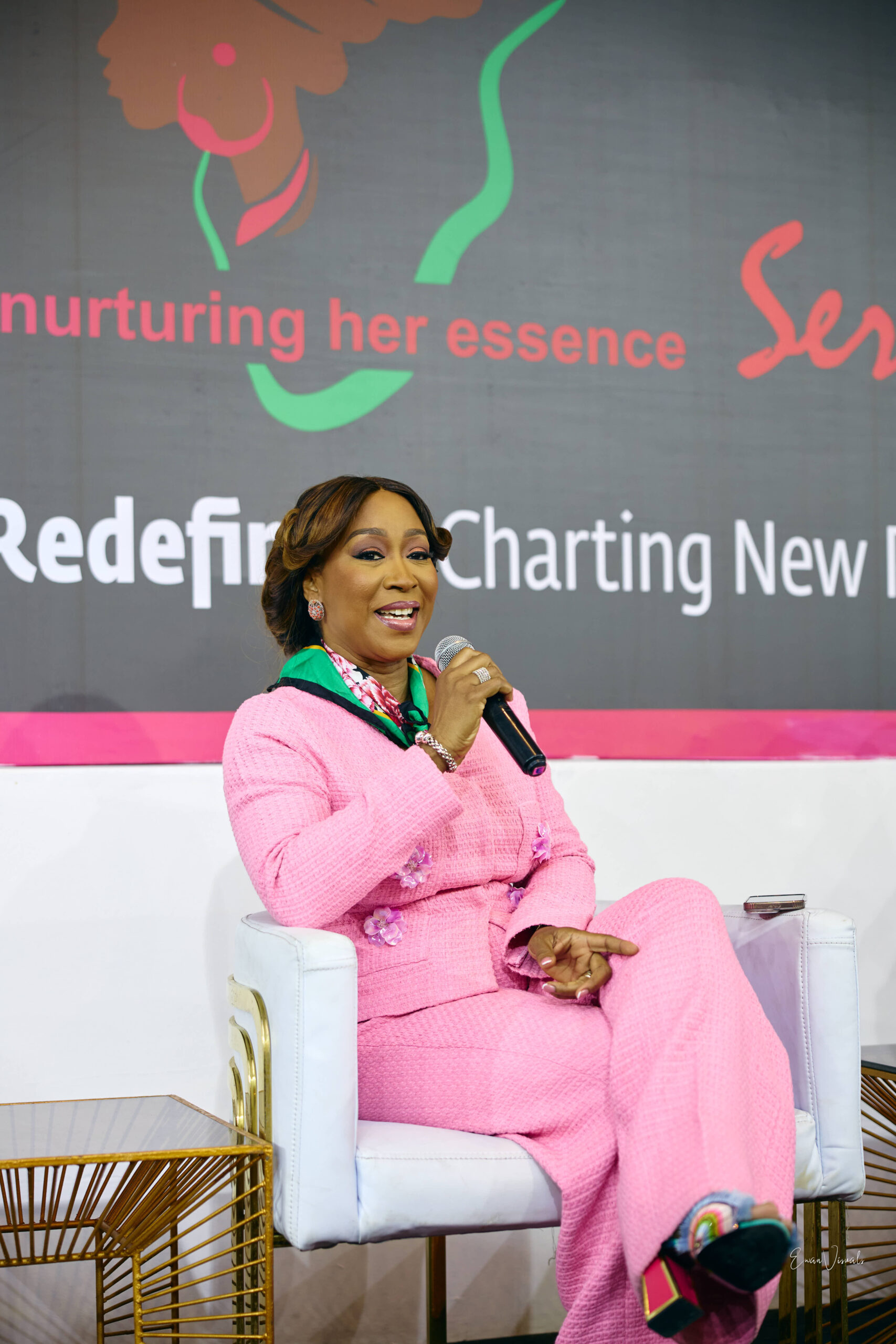
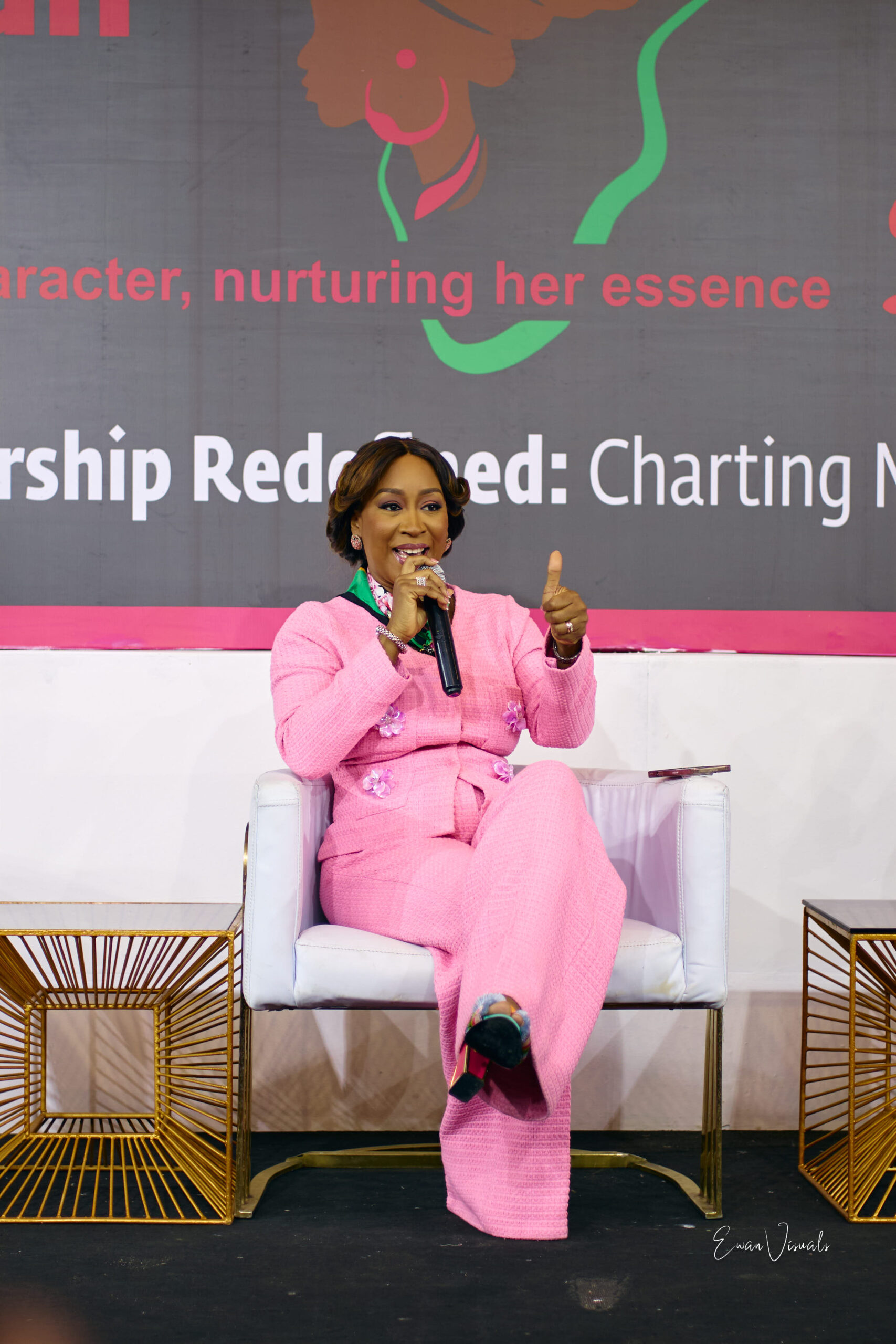
IWA Series 14 was a phenomenal experience! It was a great opportunity to network and exchange ideas with men and women from diverse fields such as entertainment, finance, telecommunications, energy and power, governance, legal, and more. Hearing their stories and challenges was truly eye-opening. But what stood out was meeting President Sahle-Work Zewde, Ethiopia’s first female president – her resilience and determination to break barriers really resonated with me. Kemi Ajumobi, the founder of IWA, demonstrated a level of passion and perseverance all through the event which was truly motivational. Overall, it was a truly remarkable experience.
Concluding words
I’m here today because I feel a deep obligation to “pay it forward.” I’m driven by a responsibility to inspire excellence and to give younger women the courage to forge their own paths and become the best versions of themselves. Our stories are opportunities for role‑modelling, motivating other women to pursue leadership roles and to challenge traditional norms and practices in careers and business. Platforms like this (IWA) instill confidence in women who are looking to walk their own paths more successfully. It doesn’t matter where you are—whether you’re just starting out, halfway through, or at the top—it’s never too late nor too early to begin again. Some women wait for the right time; others create it. Some wait for doors to open; others build their own. Some wait for permission; others grant it to themselves. Dear Inspirational Woman, you carry a light—never let it be dimmed. Arise and Shine: your time has come!