 Kemi Ajumobi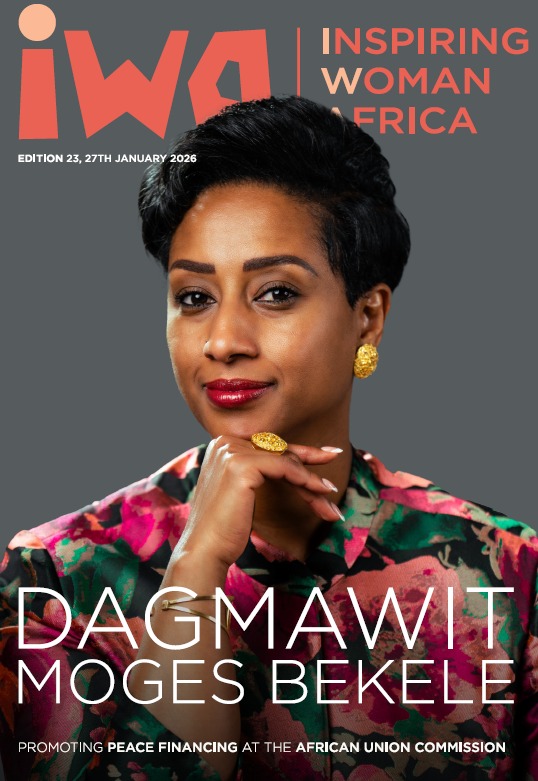
Dagmawit Moges Bekele is an African optimist — driven by purpose, grounded in service, and deeply committed to building systems that move the continent forward and deliver lasting impact. By day — and with immense pride, she leads the Peace Fund Secretariat at the African Union Commission, a role she wakes up every morning grateful to fulfill. Alongside a dedicated team, she is working to fully operationalise one of Africa’s most ambitious peace financing instruments. Their mission lies at the intersection of diplomacy, resource mobilisation, fund management, investment and institutional transformation — anchored in a powerful belief: Africa can, and must, own its peace and security agenda.
Previously, she had the honour of serving as Ethiopia’s Minister of Transport and Logistics, where she led transformative initiatives to modernise a sector vital to national development. Dagmawit also served as a cabinet member of the Federal Democratic Republic of Ethiopia and as a member of Parliament, bringing citizen-centered policymaking into the heart of governance.
She believes leadership should be human, that progress is born of community, and that Africa’s future belongs to those who dare to dream boldly and act practically. Across every stage of her career, she has been committed to cultivating excellence, learning continuously, and unlocking opportunity through meaningful collaboration.
She is a graduate of Public Administration and Development Management from Addis Ababa University, a Master’s degree holder in Public Management and Policy from Addis Ababa University.
Journey through the years
I was raised in a family where education, integrity, and service were core values. Growing up in a household of three sisters taught me empathy, collaboration, and resilience early on, while my parents instilled in us the belief that leadership is about responsibility and impact, not titles. Attending an all-girls school further shaped my confidence and sense of possibility, it was a space where leadership was actively encouraged, and where dedicated teachers played a formative role in shaping who I am today. Their mentorship, high expectations, and belief in my potential pushed me to think critically, lead with purpose, and aspire beyond perceived limits. I actively took on roles in school activities and student initiatives, drawn early to organising, leading, and serving others. These experiences led me to intentionally pursue public administration, driven by a curiosity about how policies and systems shape people’s daily lives. From local government to national leadership and now serving at a continental level, my journey has been guided by a consistent commitment to service. Every role I have held has reinforced the values I learned early on resilience, empathy, and discipline shaping me into a leader grounded in service and focused on creating meaningful, lasting impact.
Inspiration to pursue a career in public service and motivation for transition from roles in logistics to peace-building
My commitment to public service is rooted in a desire to build systems that drive sustainable development and improve lives. As Ethiopia’s first female Minister of Transport and Logistics, I led the development of key national policies that strengthened infrastructure, enhanced regional integration, and supported economic growth. This experience reinforced my belief that effective systems are not merely technical, they are foundational to stability and equity. Working in logistics and transport also revealed a deeper truth: development cannot be sustained without peace. While efficient infrastructure connects markets and communities, peace connects people to possibility. This realisation expanded my perspective beyond national systems to a continental responsibility and motivated my desire to serve beyond one country, but Africa as a whole. That conviction led me to the African Union Peace Fund, where I now serve at a continental level advancing African-led solutions to peace and security challenges. In this role, I draw on my experience in governance and systems reform to support a shared African vision, one in which peace is proactively financed, owned, and sustained by Africans themselves.
You believe that leadership should be human. Can you elaborate on what this means to you and how it influences your decision-making in your current role
For me, human-centered leadership is personal. It is rooted in empathy, integrity, and service, and it requires seeing people not as beneficiaries of policy, but as partners in shaping their own futures. It means listening before leading, understanding context, and recognising that behind every decision there are real lives, histories, and aspirations. My lived experiences across communities, sectors, and levels of governance; have reinforced my belief that leadership must be grounded in dignity and accountability, not authority alone. At the Peace Fund Secretariat, this approach translates into championing African ownership, working closely with Member States and stakeholders, and ensuring that peace interventions are inclusive and sustainable. Strategy is essential, but it is never enough on its own. Every decision has to be guided by a simple question: how will this improve people’s lives today while building lasting peace for the future?
How is the Peace Fund Secretariat’s initiative making a tangible impact in communities across Africa?
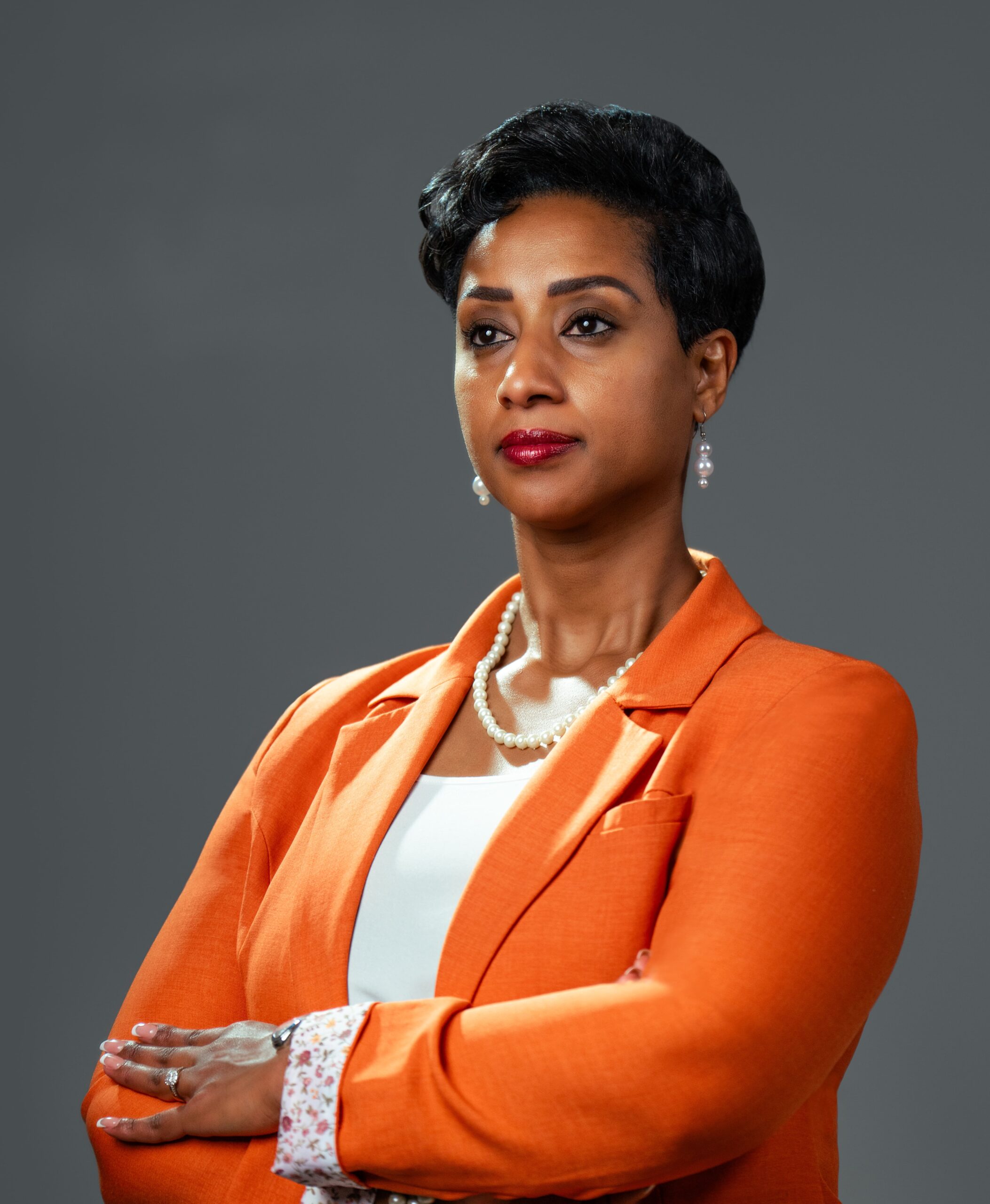
Since the revitalisation of the African Union Peace Fund, we have transformed it into a fully operational instrument delivering tangible impact on the ground. While the Fund mobilised only $25million between 1993 and 2018, its current balance now stands at over $415 million, demonstrating renewed commitment by Member States to African led peace financing. This progress has enabled concrete interventions across the continent. Over the past two and a half years, the Peace Fund has supported initiatives endorsed by the relevant policy organs, amounting to more than $39 million aimed at complementing ongoing efforts to promote peace and stability across Africa.
Notwithstanding these achievements, the need for enhanced resource availability to ensure predictable, adequate, and sustainable financing remains critical. In response, we have launched an innovative resource-mobilisation initiative focused on domestic resource mobilisation. This effort engages the African private sector, multilateral financial institutions, state owned enterprises, billionaires, citizens of our continent, and the African diaspora. Under this flagship initiative, we have so far secured commitments exceeding $219 million in support of the Peace Fund, to be made available over a period of three to five years through various financing modalities.
Key challenges you face in operationalising the Peace Fund, and how you are addressing them
One of the main challenges is mobilising sustainable and predictable resources to support continental peace initiatives. To address this, we are engaging with Member States, private sector partners, multilateral institutions, and the African diaspora to broaden our funding base. Additionally, ensuring robust governance, transparent operations, and accountability is critical to maintaining trust and demonstrating impact. By combining strategic resource mobilisation with capacity building and strong partnerships, we are overcoming these challenges while reinforcing African ownership of peace efforts.
What are you looking forward to in 2026?
In 2026, I am looking forward to consolidating the institutional and financial gains made by the African Union Peace Fund and translating them into visible, people-centered impact. This includes expanding strategic partnerships, engaging new stakeholders, and scaling successful pilot initiatives that strengthen conflict prevention, early response, and capacity building across the continent. I am particularly excited about deepening collaboration with regional economic communities, the private sector, and development actors. On a personal level, 2026 represents an opportunity to continue investing in leadership development, creating spaces for young Africans, especially women, to contribute meaningfully to shape the future of our continent.
What is your vision for Africa’s peace and security agenda in the nearest future, and how do you see the role of the African Union evolving in this regard?
My vision for Africa is to see a continent where peace and security are driven primarily by African leadership and African resources. The peace and security agenda should place greater emphasis on prevention, mediation, and reconciliation, ensuring that conflicts are addressed early and comprehensively rather than reactively. In this context, I see the African Union providing strategic direction, predictable financing, and coordinated support to Member States and regional mechanisms. By strengthening institutional resilience, inclusive leadership, and innovative peace financing, the AU can help bridge the gap between peace and development, foster stability, and reinforce a strong sense of continental ownership over Africa’s peace and security priorities.
How did your previous experience as Ethiopia’s Minister of Transport and Logistics shape your perspective on governance and development, especially in terms of infrastructure and its relation to peace?
Leading Ethiopia’s transport and logistics sector highlighted the critical role infrastructure plays in regional integration, and economic growth. Efficient transport systems reduce economic disparities, connect communities, and foster trade, key ingredients for peace. Managing complex logistics operations taught me the importance of strategic planning, stakeholder collaboration, and accountability, lessons that now inform my approach to continental peace-building. I understand that development and peace are interlinked, and investments in one reinforce the other.
In your work, how important are collaborations with NGOs, private sector entities, and other stakeholders in achieving set goals?
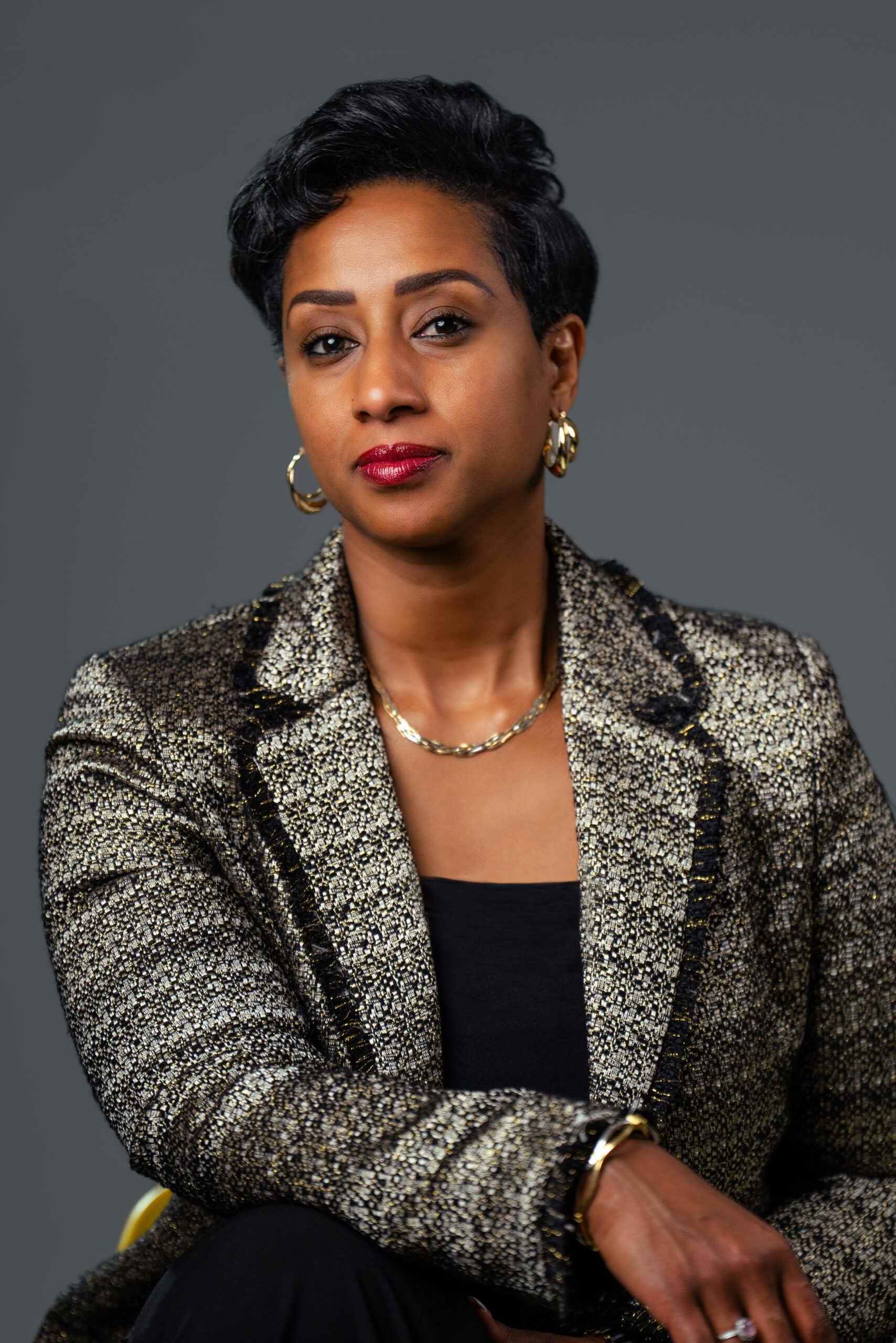
Collaborations are essential to achieving our goals. The Peace Fund’s impact depends on strong partnerships with governments, civil society, regional bodies, and the private sector. These collaborations bring additional resources, technical expertise, and different insights. To strengthen this, we are developing a clear resource mobilization and partnerships strategy to guide sustained and structured engagement. Our recent outreach efforts have demonstrated that inclusive, multi-stakeholder collaboration not only expands financing but also ensures that interventions are grounded in community realities and enjoy broad ownership. By working collectively, we amplify impact and deliver more sustainable, African-led peace outcomes.
Message for young Africans aspiring to be leaders in their communities and countries, especially in the realms of peace and governance
To young Africans who aspire to shape their communities and nations, I say: start where you are, with what you have. Serve others, listen with intention, and keep learning, even when the path feels uncertain or the challenges seem overwhelming. Be persistent, because meaningful change rarely happens overnight. Build bridges, nurture relationships, and surround yourself with those who challenge and inspire you. Never underestimate the power of your voice, your ideas, and your actions. Focus on impact, not recognition; when your efforts improve someone’s life, strengthen your community, or move your country forward, you are already creating greatness. Every small act of leadership sends ripples far beyond what you can see. I truly believe that, together, young Africans can shape a continent defined by hope, resilience, and progress.
Some significant challenges you faced during your tenure as Ethiopia’s Minister of Transport and Logistics, and how did you overcame them
As a female leader in a traditionally male-dominated sector, simply being at the table brought a perspective and determination that mattered. Managing Ethiopia’s transport and logistics sector, which serves over 100 million people, came with significant challenges: coordinating multiple agencies, modernising infrastructure, and ensuring equitable service delivery required strategic vision and persistent collaboration. I led transformative initiatives, including Ethiopia’s first National Transport Policy, the National Logistics Policy and Strategy, and frameworks such as the Non-Motorised Transport Strategy. I also helped establish critical institutions like the National Logistics Transformation Council, which strengthened governance, accountability, and service quality across the sector. By emphasising transparency, building institutional capacity, and fostering public-private partnerships, we successfully implemented sustainable policies and programmes that improved transport infrastructure and mobility. These efforts were recognised nationally and internationally, demonstrating the tangible impact of inclusive, strategic leadership—and that is how I overcame the challenges I faced.
Ensuring citizen-centered policymaking is integrated into your work at the African Union Commission
Citizen-centered policymaking requires engaging communities, understanding their priorities, and ensuring that interventions reflect their needs. At the Peace Fund Secretariat, we collaborate with Member States, RECs, and departments at the African Union Commission to co-design projects, monitor outcomes, and gather feedback. Transparent reporting, participatory decision-making, and capacity building ensure that our programs benefit citizens directly, fostering ownership, trust, and sustainable impact.
Women in leadership
Increasing women’s leadership starts with intentional action and belief, in ourselves and in one another. Women bring unique strengths, empathy, collaboration, resilience, and perspective that are essential for making meaningful change in any sector. We must be encouraged to step forward, take risks, and claim our achievements, even when spaces feel male-dominated. Institutions have a responsibility to remove barriers, provide mentorship, and create opportunities for women to grow into leadership roles. By supporting one another through networks, guidance, and sisterhood, women can rise together, transform organizations, and ensure that our voices shape decisions at every level. The future of leadership is stronger, fairer, and more impactful when women lead; and it starts with each of us stepping up today.
What is the greatest lesson life has taught you?
The greatest lesson life has taught me is that true leadership is rooted in service and humility. It is not about power or recognition; it’s about the positive difference you make in the lives of others. I’ve learned that serving others brings a deep sense of fulfillment that no title can match. Balancing professional responsibilities with personal life has reinforced the importance of staying grounded. My family and faith are my anchors; they remind me of what truly matters and give me the strength to persevere through challenges. Being humble, staying connected to your values, and prioritising relationships allows you to lead with authenticity and purpose. Leadership is a long journey, and the most meaningful measure of success is the lives you touch and the example you set for others.
A day never to forget and why?
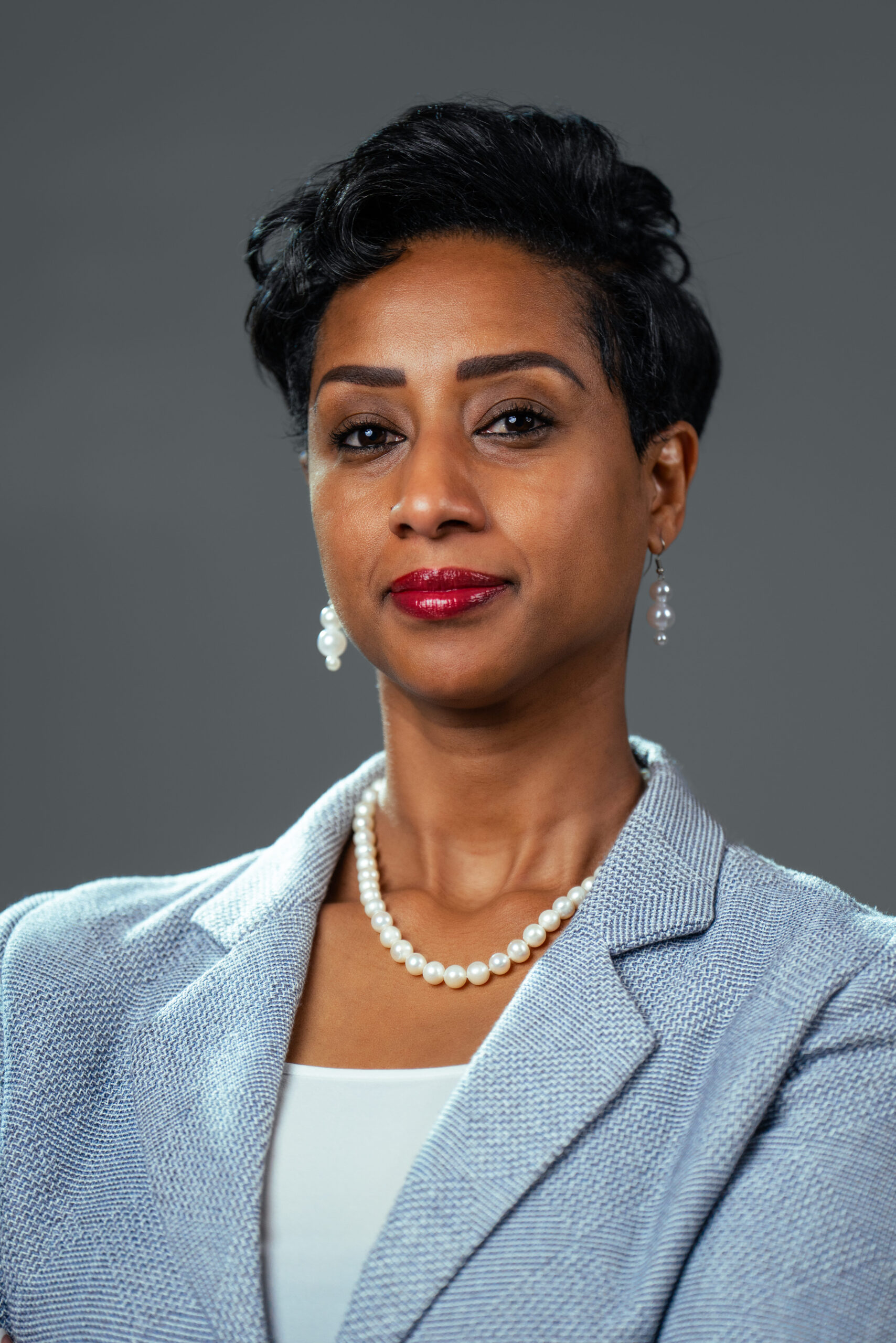
A day I will never forget is the day I gave birth to my first son. It was the day I became a mother and, in that moment, I felt every emotion at once: excitement, awe, fear, and an overwhelming sense of responsibility. I remember holding him for the first time, stunned that this tiny human who looked like me had come from within me. My world shifted instantly. Nothing before that moment compares to the depth of love, vulnerability, and purpose I felt. That day reshaped my understanding of strength and forever changed who I am, not just as a woman, but as a human being.
Concluding words
Thank you to IWA Magazine for this opportunity and for the incredible work you do in highlighting women’s leadership across Africa. To women everywhere, I say: believe in your voice, embrace your potential, and support one another, your leadership can transform communities, shape institutions, and drive lasting change. Together, we can create a future where women lead boldly, and Africa thrives through inclusive, courageous, and purposeful leadership.