 Kemi Ajumobi
 Nigerian professionals create app to solve postpartum depression in women
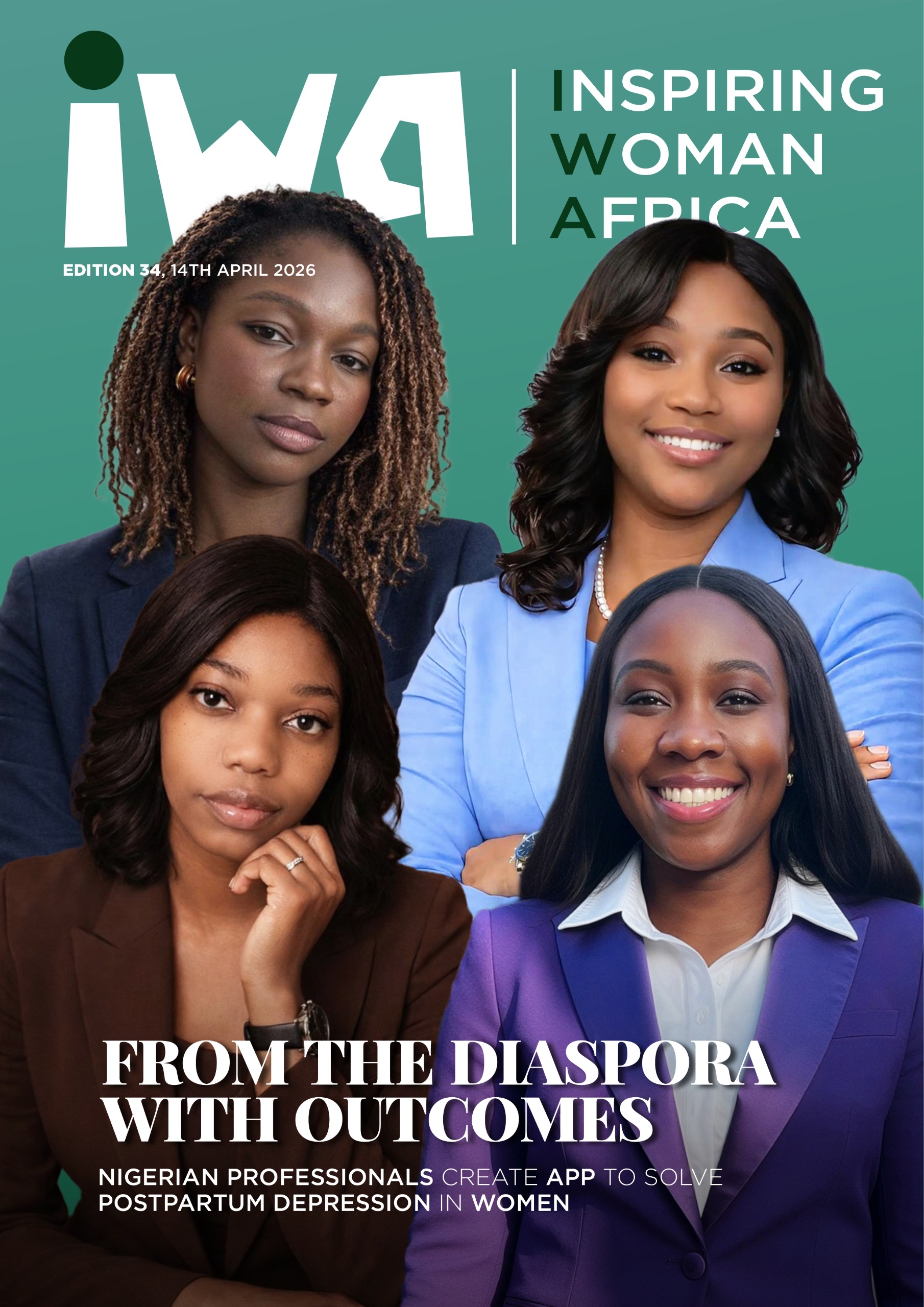
Adeola Dorcas Folorunso, MHA, MPH, MBA, CHE, FRSPH, FAPH

Adeola Dorcas Folorunso is a global health leader, humanitarian innovator, and advocate for equity and culturally responsive care. She began her career in Nigeria as a registered nurse in 2010, driven by a commitment to advancing health systems and improving outcomes for underserved populations.
She earned a Bachelor of Science in Nursing with distinction from the University of Saskatchewan, a Master of Health Administration with distinction from the University of Regina, and a Master’s in International Public Health from Liverpool John Moores University, UK, through a UNICAF scholarship, where her work focused on autism spectrum disorder among Nigerian children aged 2 to 17, addressing gaps in awareness, diagnosis, and care. She also holds an MBA from Universidad Isabel through a scholarship from the European Business School of Barcelona.
Adeola is the founder of MaterMental and co-founder of Thryve, a digital platform designed to screen, detect, connect, and educate women globally on postpartum depression. In 2023, she convened the Beyond Baby Blues Summit, engaging over 250 participants across Nigeria, the United Kingdom, and the United States to expand access to screening, education, and care.
Her work spans neurodiversity, maternal mental health, and community outreach, including large-scale programs supporting children with autism spectrum disorders in Nigeria and leading the Mission Feed 100 Children initiative in Uganda to address malnutrition. Her NGO is also a recipient of the 2026 IBRO-Dana Foundation Brain Awareness Grant, through which she co-led a three-day community and school-based initiative in Ibadan, Nigeria, addressing brain health, addiction, and substance abuse.
She was invited as a speaker by the Johns Hopkins Centre for Global Health in Maryland, USA, presenting on “Equity in Leadership: Women of Diverse Racial Backgrounds Shaping the Future of Global Health.” She is also a recipient of Marquis Who’s Who in America for her outstanding contributions to mental and global health.
Adeola holds an Honorary Doctorate in Humanities and Leadership, serves as a United Nations Ambassador for Peace, and is a Certified Health Executive (CHE) in Canada, Fellow of the Royal Society for Public Health (FRSPH, UK), and Fellow of the Academy of Public Health (FAPH).
She invites bold collaborations and engagements with individuals and organisations committed to advancing overall mental health and well-being, empowering communities, and creating lasting impact.
What motivated you to focus on postpartum depression specifically, and what role are you playing in the group?
My motivation stems from both clinical experience and a profound sensitivity to the silent burdens women often bear. As a healthcare practitioner, I have witnessed how postpartum depression is frequently overlooked, misunderstood, or dismissed at the very moment when a woman is expected to be joyful, resilient, and emotionally available.
What drew me in was not only the condition itself but also the silence surrounding it. In 2023, through my NGO Matermental, I hosted the Beyond Baby Blues: Addressing Postpartum Depression summit, which brought together over 250 participants across regions. The stories shared were honest, sobering, and deeply insightful. They exposed a critical gap between women’s lived experiences and what health systems and communities are prepared to recognise and respond to. This experience and the valuable experiences of my co-founders shaped the direction of this project.
In building Thryve, I ensured that my team and I engaged with women with lived experience of postpartum depression so that their realities could meaningfully inform the design. Their insights, combined with validated evidence-based tools such as the Edinburgh Postnatal Depression Scale, allowed us to create a solution that is clinically grounded, context-aware, and deeply humane.
My role is to ensure that what we build reflects both scientific integrity and the emotional realities of women so that care begins with recognition and respect.
How do stigma and cultural perceptions surrounding mental health affect women’s willingness to seek help for postpartum depression?
Stigma remains one of the most powerful barriers in maternal mental health. Many women experience symptoms they cannot name in environments where emotional distress is dismissed as a weakness, ingratitude, or simply a part of motherhood. In such contexts’, seeking help is not just difficult; it can feel unsafe. Consequently, many women remain silent until their symptoms worsen.
Thryve responds to this by creating a private, accessible, and culturally adaptable entry point for care. Through evidence-based screening, women can recognise their symptoms and take the first step toward support in a safe and non-judgmental space. It does not replace the need for care. This makes care accessible. In postpartum mental health, early recognition can significantly alter outcomes for both the mother and child.
What role does community and family support play in the mental health of postpartum women?
Community and family support are central to improving maternal mental health outcomes. Postpartum depression does not exist in isolation. The environment around a woman shapes whether she feels believed, supported and safe to express what she is experiencing. Supportive families can act as protective factors, reducing the risk of severe depression.
Conversely, dismissal, stigma, and lack of understanding can deepen distress and delay recovery. Therefore, maternal mental health must be approached beyond the individual level. It requires informed families, responsive communities, and shared responsibilities. When those closest to a woman understand that postpartum depression is a health condition rather than a personal failing, recovery becomes more attainable and sustainable.
How do you educate women about postpartum depression, especially in communities that may not recognise it as a medical issue?
Education begins with an understanding of how women interpret their experiences. Rather than relying solely on clinical language, we translated symptoms into relatable, everyday experiences. Women may not identify with diagnostic terms, but they recognise persistent sadness, emotional numbness, withdrawal, fear, or difficulty bonding with their babies.
We also work through trusted community structures, such as faith groups, peer networks, and local advocates, where messages are more likely to be received and accepted. However, through Thryve, women can access information privately, learn at their own pace, and engage in screening without fear of judgment.
Often, the most powerful moment is the simplest one, when a woman realises that what she is feeling is valid, recognised, and is shared by others.
Can you describe the partnerships or collaborations that have helped broaden your reach?
Collaboration has been fundamental to the strength and reach of the Thryve programme. The platform was developed by a multidisciplinary team across healthcare, neuroscience, pharmacy, and technology, reflecting the complexity of mental health in pregnant women. This diversity allowed us to design a solution that is both scientifically robust and practically applicable.
We also engaged organisations such as Postpartum Support International (PSI) in America and the Mentally Aware Nigeria Initiative (MANI) in Nigeria as trusted pathways for women who may require support beyond the screening. We consulted with experts such as Dr. Olukemi Olugbade, who offered helpful advice. This ensures that women are not left at the point of awareness but are guided toward meaningful care that meets their needs. These two organisations are accessible to many people. Over time, Thryve intends to expand its network to include experienced maternal mental health professionals as accessible resources and points of contact. We are also advancing telemedicine integration to improve timely access to professional support, particularly for women in underprivileged settings, through grants and partnerships. Our partnership approach is deliberate and systematic. It focuses on building a connected ecosystem where awareness leads to access and access leads to care.
What policy changes would you advocate for to improve mental health services for women, particularly during the perinatal period?
Improving maternal mental health requires structural commitment rather than fragmented attention. Routine perinatal mental health screening should be fully integrated into antenatal and postnatal care to ensure that every woman is consistently and early assessed. Mental health must be treated as a standard component of maternal care and not as an optional addition.
Access must also be considered. Financial barriers continue to limit care, making it essential for insurance systems and public health funding to fully include mental health services for mothers. There is also a need for sustained investment in digital health solutions that can extend their reach and reduce disparities, particularly in settings where specialist care is limited. Platforms such as Thryve can play a critical role when integrated within broader care systems.
Workforce capacity is equally important. Healthcare providers must be equipped with the skills to recognise, respond to, and manage maternal mental health conditions competently and empathetically.
At the policy level, the priority is clear. When maternal mental health is protected, families are strengthened, and societies benefit. When neglected, the impact is far-reaching and often invisible.
Conclusion
Grateful for the opportunity to advance this conversation. Postpartum depression remains a global and local priority, shaped by inequities that demand intentional action. We must continue to advocate for systems, policies, and communities that are inclusive, culturally responsive, and grounded in equity. Every woman deserves to be seen, supported, and given access to care without stigma or barriers.
Adeola Ogungbemi, Specialist Mental Health Pharmacist Based in the UK

Adeola Ogungbemi is a specialist mental health pharmacist based in the United Kingdom, with a diverse and internationally rooted career in healthcare. She began her professional journey in Nigeria, where she gained extensive experience working across both hospital and community pharmacy settings, building a broad clinical foundation across multiple specialties.
With a strong commitment to mental health, Adeola is a passionate advocate for the destigmatisation of mental health disorders. She actively promotes the importance of psychological wellbeing and works to advance more open, supportive conversations around mental health care. Adeola is a co-founder of Thryve, an evidence-based App aim at addressing postpartum depression without stigma.
Her professional interests also extend into public health, where she champions preventative medicine. Adeola believes that many chronic conditions can be mitigated through informed lifestyle choices and early intervention, a philosophy that underpins her work and outreach efforts.
She holds a master’s degree in public health and has contributed to a range of research initiatives focused on improving population health and wellbeing. Through her combined expertise in clinical practice and public health, Adeola continues to drive impact through education, advocacy, and a commitment to improving health outcomes at both individual and community levels.
Observation from experience practicing in Nigeria and the UK
As a specialist mental health pharmacist with experience practicing in both Nigeria and the UK, I’ve observed that mental health remains a significantly under-prioritised area of healthcare in many African countries, particularly in relation to conditions like postpartum depression. Having personally experienced childbirth in Nigeria, I’ve also seen first-hand the stigma surrounding postpartum mental health. Many women are either unaware of their symptoms or do not recognise them as a clinical condition, which often prevents them from seeking appropriate support. I’ve also come to understand how this can impact not just the mother, but the child as well. When a mother is struggling with her mental health, it can affect her ability to provide optimal care, which in turn influences early child development and overall wellbeing. Culturally, there is often an expectation for new mothers to be strong and resilient, with limited acknowledgment of the emotional and psychological challenges that come with the postpartum period. In some cases, this pressure can contribute to or worsen postpartum mental health difficulties. These gaps in awareness, identification, and support are what motivated me to be part of this project. I’m particularly passionate about contributing to improvements in maternal mental health by bringing both my clinical expertise and lived experience into the work. In this role, I support the team through clinical insight and ethical guidance, ensuring that the project maintains high standards while also being culturally sensitive and impactful.
Long-term goal of platform
The long-term goal of the digital platform is to improve awareness and provide accessible support for individuals experiencing conditions such as postpartum depression. The platform is designed to help users identify symptoms that might otherwise go unrecognised, enabling earlier intervention. By facilitating timely access to appropriate support and resources, it aims to improve both maternal and child health outcomes and potentially reduce the need for hospital admissions related to untreated postpartum mental health conditions. An important feature of the platform is the option for anonymity, which can help reduce stigma and encourage more individuals to seek support. This allows users to explore their symptoms, access guidance, and be signposted to relevant services in a way that feels safe and non-judgmental. Overall, the platform seeks to bridge gaps in awareness, early identification, and access to care, particularly in contexts where stigma or limited resources may otherwise prevent individuals from seeking help.
How will effectiveness of the platform be measured?
The effectiveness of the platform would be measured using a combination of engagement, clinical impact, and user experience metrics, particularly in relation to supporting individuals with postpartum depression. Firstly, we would look at user engagement this includes the volume of active users, frequency of use, and interaction with key features such as clinical consultations and resource downloads. These indicators help us understand how widely the platform is being used and whether users are accessing the support available. Secondly, a key objective is to improve awareness, particularly in hard-to-reach populations. This would be measured by assessing changes in awareness levels over time for example, through in-app surveys or community-based evaluations to determine whether more individuals can recognise symptoms and understand when to seek help. User feedback is also critical. We would evaluate user satisfaction and overall experience, with particular attention to individuals who may not be digitally confident, to ensure the platform remains accessible and user-friendly across different populations. Finally, from a longer-term perspective, we would aim to assess clinical impact such as a potential reduction in hospital admissions related to postpartum mental health conditions as an indicator of earlier intervention and improved support through the platform.
Advice to new mothers on postpartum depression
My first advice to new mothers would be to speak up and recognise that what they are feeling is real, valid, and treatable—especially when it comes to conditions like postpartum depression. No one should feel they have to go through this alone. It is also important for mothers to understand that they are not alone in their experience. Seeking help whether directly through a healthcare professional or indirectly through supportive tools such as digital platforms can be a powerful first step toward recovery. In addition, building small, manageable support routines, such as rest, connection, and self-care, can make a meaningful difference in overall wellbeing. Most importantly, I would emphasise that struggling during the postpartum period does not mean failure. These women are strong they have gone through one of the most significant physical and emotional transitions in life, and needing support is a natural part of that journey.
Role of healthcare providers in supporting women during this phase
Healthcare providers can play a vital role in supporting women during the postpartum period by delivering holistic care which includes clinical, emotional, and physical support, particularly for those experiencing conditions such as postpartum depression. This can be achieved by improving awareness, providing access to appropriate resources, and effectively signposting women to the support they need. Ensuring consistent follow-up is also essential, as it helps improve treatment outcomes and reduces the risk of complications associated with untreated postpartum mental health conditions. Finally, integrating mental health and wellbeing assessments into routine antenatal and postnatal care alongside physical check-ups can significantly enhance early identification. This allows for timely intervention, which ultimately leads to better outcomes for both mother and child. Overall, a proactive, integrated, and patient-centred approach is key to improving maternal mental health outcomes.
Conclusion
I hope to see these conversations being amplified in spaces where they can drive real change helping to reduce the stigma associated with conditions like postpartum depression and encouraging more individuals to seek support without fear of judgment or being perceived as weak. In addition, I would like to see greater investment in and deployment of resources that support both the physical and mental health of mothers and their children. This includes improving access to care, strengthening support systems, and ensuring that maternal mental health is recognised as a key component of overall healthcare. Ultimately, the goal is to create an environment where seeking help is normalised and supported, leading to better outcomes for families and communities as a whole.
Kehinde Olukayode, Software Engineer

Kehinde Olukayode is a software engineer and co-founder of Thryve, building at the intersection of technology and human experience.
She began her career developing payment applications, creating systems that power everyday financial transactions. Today, she builds platforms within a global investment bank that deliver financial research content to users around the world, with a focus on performance, reliability, and scale.
Originally trained in Applied Geophysics and later earning a master’s degree in computer science, Kehinde brings a blend of analytical precision and creative problem-solving to her work. She is particularly drawn to building technology that feels intuitive, thoughtful, and grounded in real human needs.
Alongside her work in finance, she is a strong advocate for women’s health and mental wellbeing, especially in areas where support is often delayed or overlooked. That perspective led her to co-found Thryve, where she brings a technical lens to a deeply human problem, translating clinical insight into something accessible, private, and easy to engage with.
Through her work, Kehinde is part of a generation of builders using technology not just to scale systems, but to create space for conversations that matter.
Motivation to focus on postpartum depression specifically and what role are you playing in the group?
My motivation to work on addressing postpartum depression came from recognising how often it goes undiagnosed, especially in parts of the world where mental health is heavily stigmatised.
In many cases, people don’t even realise what they’re experiencing is a medical condition. They’re often told to be happy or to push through it, which can delay or prevent them from seeking help.
You don’t have to be a healthcare professional to see there is little to no support available in many of these contexts and this was our motivation. We saw an opportunity to use technology to make that first step (awareness) more accessible and more private, especially for people who may not feel comfortable speaking up.
As a software engineer and co-founder, my role is to lead the technical development of the platform, translating clinical insight into a product experience that feels simple and supportive.
Technologies and frameworks used and how do they enhance user experience and accessibility for women seeking help for postpartum depression?
We built Thryve using React Native for the mobile application and PHP (Laravel) on the backend, supported by cloud infrastructure.
This setup allows us to deliver a consistent, high-quality experience across both iOS and Android, while maintaining a scalable and efficient backend.
Our choices are intentional, React Native enables us to build a smooth, responsive, and mobile-first interface, which is critical for users engaging with the platform.
Laravel allows us to rapidly develop and maintain secure, structured APIs that support the platform’s core functionality reliably.
The platform is designed to be lightweight and intuitive, ensuring performance on a variety of devices or environments with limited connectivity.
Thryve is built as an anonymous-first experience. We minimise barriers, allowing users to engage privately and comfortably, which is important when dealing with sensitive topics like mental health.
Beyond technical accessibility, we focus on emotional accessibility. (The experience is designed to feel simple, supportive, and non-clinical, while being grounded in validated screening approaches.)
Gathering feedback from users regarding platform’s functionality and effectiveness, and incorporating feedback into future updates or improvements
We gather feedback through an in-app form, which allows users to share their experiences and suggestions directly within the platform.
This is a key input in our product development process; reviewing and categorising feedback into themes such as usability, emotional tone, and feature requests.
We then prioritise changes based on frequency, impact, and sensitivity, given the nature of mental health. For example, we’ve refined survey wording to feel supportive, simplified user flows that created friction, and adjusted content based on user peculiarities.
With Thryve being an anonymous-first platform, we place emphasis on voluntary feedback to understand user needs without compromising privacy, while incorporating feedback from healthcare professionals to ensure our approach remains medically correct.
We validate improvements by monitoring engagement metrics such as completion rates, drop-off points, and engagement patterns, ensuring changes lead to an intuitive and supportive experience.
Given the sensitive nature of mental health data, what measures are in place to ensure the security and privacy of users’ information on your platform?
Privacy is a foundational component of Thryve, we minimise the collection of personally identifiable information. All data is encrypted in transit and at rest using industry-standard protocols.
Our systems utilise secure engineering practices, including controlled access, environment isolation, and audit logging. We apply strict data minimisation principles, collecting only what is necessary to deliver value to the user. Beyond technical safeguards, we prioritise user trust by ensuring that individuals can engage with the platform safely, privately, and without fear of stigma or exposure.
Platform’s interface with existing healthcare systems and providers to facilitate seamless referrals and support for users diagnosed with postpartum depression
Thryve is a bridge between self-awareness and professional care. Following screening, users are guided toward relevant support pathways, including mental health professionals, helplines, and local services where available.
We are exploring deeper integrations with healthcare providers to enable more seamless referral pathways. This includes the potential for structured handoffs to professionals and tools that support clinicians in understanding user needs and complaints, where appropriate. Our goal is to reduce the barriers to seeking help with postpartum depression.
Strategies implemented to ensure platform can scale effectively to reach larger audience, particularly in diverse cultural contexts, while maintaining its quality and impact
We have designed Thryve to scale both technically and contextually from the outset. Technically, we leverage cloud infrastructure and a modular backend architecture, which allows us scale reliably as usage grows without compromising performance.
We have also intentionally designed the platform to be lightweight and accessible, so it performs well across a range of devices and connectivity conditions, particularly in underserved regions.
Contextually, we are conscious that postpartum depression is experienced differently across cultures. Rather than taking a one-size-fits-all approach, we focus on making the platform adaptable in terms of tone, content, and support pathways. We are mindful of the stigma around mental health, and how its acceptance varies across cultures, this makes us attentive in our support models.
We work with healthcare professionals and domain experts to ensure what we are building remains clinically sound, while also being sensitive to different social and cultural contexts.
To maintain quality, we rely on a combination of user feedback, behavioural insights, and continuous iteration.
Ultimately, our approach to scaling is not just about reaching more users, but about ensuring the experience remains trustworthy, relevant, and genuinely supportive as we expand.
Nosarieme Abey, Ph.D. Biochemist, Neurochemist, and Public Health Advocate

Dr. Nosarieme Abey, a biochemist, neurochemist, and public health advocate, passionate about understanding how early-life experiences shape who we become. In her fifteen career years, she followed one guiding belief: science only creates impact when it reaches the people who need it most and so medical science must translate into tangible human impact.
With over a decade of multidisciplinary expertise spanning molecular neuroscience, translational research, and community health programming, Nosarieme built a body of work that connects the research outcomes and the lived experiences of vulnerable populations particularly women and children in communities.
Her career began in Nigeria, where she first studied how cannabis use affects developing brain. That early work sparked a lifelong commitment to uncovering how the vulnerabilities of neurodevelopment, and how nutrition, environment, and stress influence health across generations. During her doctoral studies, she discovered some of the most compelling evidence yet on how a maternal status during pregnancy can alter brain development, hormone signaling, and reproductive function across multiple generations, unravelling the molecular and behavioural pathways. These findings cited by researchers globally and have directly informed maternal nutrition guidelines and early intervention strategies in clinical and community settings.
Along the way, she developed a locally constructed sensorimotor competence assessment tool that allowed researchers in low-resource settings to study early neurodevelopmental markers in research models, something that had previously required equipment most Nigerian labs simply do not have. That innovation meant that more scientists, in more places, could do the work. That, to her, felt like public health in action.
Beyond the bench, she has supervised WHO immunisation campaigns, educated communities on reproductive and adolescent health, lectured at university level, and served as a Biomedical/Humanitarian caseworker with the American Red Cross, undergone the core competency training for community health worker at State Department of Health. In each of these roles, she worked to move medical science from a journal page into policy, practice, and improve people’s lives.
Research alone was never enough for her because she believes science only fulfills its purpose when it is communicated, shared, and applied. Presenting at international conferences from Korea to Norway to the United States, Dr. Nosarieme consistently worked to translate findings into conversations that matters with pediatricians, midwives, policymakers, community health workers and fellow researchers. She has been recognised with grants/award from the International Brain Research Organization (IBRO), American Association of University Women (AAUW) and the International Society for Neurochemistry (ISN), and serves as a peer reviewer for journals such as Springer Nature, Elsevier, and Taylor & Francis. She is also a proud member of the American Society for Neurochemistry and the British Society for Neuroendocrinology.
In recent years, Dr. Nosarieme channelled this philosophy into SaneDrive, a brain health research and education platform, where she leads public health research and programme development by showcasing evidence-based findings on neurodevelopmental disorders, perinatal health, general brain health, and cognitive maintenance. She is a co-founder of Thryve: a digital health solution designed to directly support women through postpartum challenges.
“As I continue my postdoctoral research studying the molecular underpinnings of neurodegenerative diseases like ALS (Amyotrophic Lateral Sclerosis), I remain equally invested in translating findings into real-world solutions, whether through health equity projects with the State Department of Health, mentoring young scientists, or collaborating on global neuroscience initiatives, all in service of advancing public health to where it should be.” She stated.
At her core, Dr Nosarieme is driven by something deeper than academic ambition, a genuine belief that every child, regardless of where they are born or the circumstances they inherit, deserves the same fighting chance that science can offer. Her mission is to use rigorous research, compassion, and community engagement to close the gap between what is known in the laboratory and what people can apply in their everyday life. She does not just study the origins of disease. She works to dismantle them: one discovery, one community, one life at a time.
Motivation to focus on postpartum depression specifically, and role you are playing in the group
My zeal has been anchored in something I could see, feel, or measure. My career spans neurochemistry and reproductive health, understanding how exposures rewire the brain across generations and what happens when those systems fail. So postpartum depression was an inevitability, mainly because of its transgenerational effects. It forms a part of things I had spent time reviewing, appearing in the most consequential context possible: a woman’s first weeks with a new life in her arms.
Laying back a bit, the motivation also has a more personal texture. My own postpartum experience gifted me with insights I did not expect to need. I had clinical tears during my first birth, the pain of navigating a monumental physical and emotional transition without my mother and all the weight of being a first-time parent, far from the familiar. Those circumstances created conditions that are well-documented precursors to postpartum blues. What helped me was the literacy, I had spent years working with the HPA axis dysregulation, and so I understood what was at play, the role of estrogen and progesterone withdrawal in serotonergic disruption, the epigenetic consequences of perinatal stress. I could name what was happening in my own body, and that knowledge became a lifeline. The question that followed me out of that experience was: what about the woman who does not have this knowledge? What about the millions who face the same storm without any map?
Within THRYVE, I was responsible for the product and research architecture. I conducted the foundational UX and desk research that scoped the platform, collaborated to design the clinical screening logic grounded in validated instruments and map the user journey across risk levels. I also worked on the lived-experience research sessions with women who had navigated postpartum depression, to understand their pain points, their fears, and the conditions under which they might confidently trust a digital platform enough to be honest. That trust architecture is, in many ways, one of the strengths of the app.
Personal experiences or encounters that highlighted the importance of addressing postpartum mental health
The personal one I have already begun to describe. My first birth came with recovery that was physically demanding, and an emotional landscape I was navigating without my mother, whose absence had left a particular kind of silence in spaces where her presence should have been helpful. I experienced postpartum blues. I know that now with the clarity of retrospect and scientific framing. At the time, I experienced it as a heaviness that I was barely able to articulate, even to myself. What I could do and what most women cannot was locate it in the neuroscience. I understood that my hormonal signalling was under strain, and that my system was recalibrating. That understanding did not eliminate the experience. But it gave me something to hold on to. It alerted me. This prompted me to look forward to opportunity to extend this pillar of support to other women, who may be going through such.
The professional encounter came in March 2024, when I hosted “Breaking the Silence: Navigating Postpartum Depression” on the Sanity Drive Podcast, as part of the International Women’s Day celebration of inclusivity. I brought lived-experience voices into conversation with clinical expertise and what happened in that episode strengthened my commitment. The women who shared their stories described invisibility. They described being told they were not grateful enough, strong enough, that other women manage. They described the particular anguish of loving their baby and feeling nothing, or feeling terror, and having no language for either. And then, crucially they described how they navigated through. The audience response that followed, the messages, the testimonials, the quiet confessions from women who had been waiting years for someone to say it out loud confirmed what I already suspected: the need was far larger than the existing infrastructure could meet. This further strengthened the conviction on the very important need to address postpartum mental health.
Concept behind the digital platform and how it aims to screen, detect, connect, and educate women about postpartum depression
THRYVE:- Transitional Help to Revitalise Your Vitality and Emotions, was designed around an insight: the most critical window in the postpartum mental health journey is the silence before the crisis, when a woman knows something is wrong but has no pathway to name it, no system to catch her, and no infrastructure that treats her hesitation with anything other than impatience.
The platform operates across four interlocking functions. First, screening: THRYVE deploys three clinically validated instruments: the Edinburgh Postnatal Depression Scale (EPDS), the Patient Health Questionnaire-2 (PHQ-2), and a Daily Wellness Check, in a format that is anonymous, accessible, and requires no prior clinical knowledge to complete. A woman can begin a full assessment in under five minutes, from any device, without creating an account. That anonymity is a clinical strategy. Research consistently shows that stigma is one of the most significant barriers to perinatal mental health help-seeking. By removing the requirement to self-identify before beginning, we remove the first and highest wall.
Second, detection: the screening logic maps each response pattern to a risk profile. Low concern, moderate concern, or high concern and generates an immediate, personalised result. The language of those results has been crafted deliberately: grounded in clinical accuracy but stripped of the clinical coldness that makes women feel like a category rather than a person.
Third, connection: based on the result, each woman is connected to a tiered set of resources, including self-management coping strategies for lower-risk profiles, peer support communities for moderate-risk profiles, and clear professional referral pathways for women whose scores indicate high concern. The escalation logic is embedded in the design, so that no woman whose scores warrant clinical attention is simply told to rest and call a doctor in the morning.
Fourth, education: THRYVE’s resource library, spanning context specific coping strategies, professional help guides, and educational content on what postpartum depression is, because some women have never heard the words ‘perinatal mental health’ spoken without shame. We are building health literacy and access at the same time.
Unique features the platform offers to cater to the cultural and social contexts of women globally
Thank you for this question. This is perhaps the question I think about most, because the clinical instrument for PPD: the EPDS and the PHQ-2, were developed and validated predominantly in Western, high-income settings. Their applicability to diverse cultural contexts is real, but it is not automatic. And the way a Nigerian woman in Lagos describes feeling empty is not always the same as the way a woman in Edinburgh describes it. The somatic presentation of depression, the role of spiritual attribution, the influence of community expectation on self-report, all of these shape how a woman answers even the most straightforward questionnaire.
Our trauma-informed design framework prioritizes cultural accommodation. Every interaction on THRYVE has been built with the understanding that many women arriving at this platform have previously encountered healthcare systems that dismissed them, cultural environments that pathologised vulnerability, or family structures that interpreted mental health distress as spiritual failure. The platform does not demand that women reframe their experience before they can access support. It meets them in the frame they arrive with.
The anonymous-first architecture is a direct response to the stigma landscape in many African and diaspora communities, where seeking mental health support carries social consequences that physical health help-seeking does not. The daily check-in feature allows women to track their wellbeing over time without committing to a clinical identity. The resource library is curated to include community-based and peer support options alongside professional referrals, because in many settings, a trusted community or peer group is a more accessible and credible first point of contact than a psychiatrist. We are iteratively working to integrate multilingual capability and adaptable content for varying literacy levels.
We are acutely aware that the full work of cultural adaptation is ongoing. The lived-experience research sessions conducted during the development process were specifically designed to surface the pain points that clinical literature often misses, including the specific language women use to describe their distress, the sources of support they trust, and the barriers that have historically prevented them from seeking help. That research has directly shaped the platform’s tone, its escalation logic, and its referral architecture. It is not finished work. It is iterative.
How does the platform incorporate evidence-based practices in the detection and treatment of postpartum depression?
The screening instruments we deploy are among the most rigorously validated tools in perinatal mental health. The Edinburgh Postnatal Depression Scale, developed by Cox and colleagues, has been validated across dozens of languages and cultural contexts and remains the gold standard for postnatal depression screening globally. The PHQ-2 offers a rapid and sensitive gateway screen that has been validated in primary care and community settings. These tools were not chosen for convenience, but for the evidence base of their sensitivity and specificity is robust.
The screening logic designed for THRYVE is in part grounded directly in my 2025 published research review, “Perinatal Neuroendocrine Mechanisms in Postpartum Depression and Therapeutic Opportunities.” A woman who scores in the moderate-concern range deserves to understand, in accessible language, that what she is experiencing has a biological undertone, a predictable neurophysiological response to an extraordinary hormonal transition.
The coping strategies recommended in resource library are also evidence-based, drawn from clinical literature on cognitive-behavioural approaches, mindfulness-based interventions, peer support efficacy, and the neuroscience of stress regulation. We recommend breathing exercises because the evidence for their effect on HPA axis regulation and cortisol reduction is measurable and replicable. Crisis protocols follow global best practices for suicide risk and perinatal mental health
Challenges faced in raising awareness and providing support for postpartum depression both in the diaspora and Africa?
Stigma, cultural silence and more. Women who are experiencing postpartum depression often do not have the language to describe it, particularly in communities where the dominant narrative of new motherhood is one of uncomplicated joy, where any departure from that narrative is experienced as personal failure rather than medical symptom. When a woman cannot name what she is experiencing, she cannot seek help for it. And when she finally does try to name it, the response she is most likely to receive is dismissal. Digital divide is another stopper. Access to smartphones and data varies widely and so iteratively we are working on integration with USSD for better penetration and adoption towards equity.
At the systemic level, the infrastructure gap is staggering. Nigeria has eight neuropsychiatric hospitals for a population of over 220 million. There is no mandatory perinatal mental health screening in antenatal or postnatal care in most health systems. The healthcare workers who are most likely to encounter a woman experiencing postpartum depression are often not equipped to identify it and have no clear referral pathway even if they could identify it. This is a structural challenge that hampers awareness and support.
In the diaspora, the challenges take a different shape but carry equal weight. Migrant women navigate their postpartum experience in a double isolation, far from the extended family networks that would ordinarily cushion them, in healthcare systems that too often miss the cultural texture of their distress, and without the proximity of community that back home, imperfect as it is, at least exists.
Conclusion
Thank you to IWA for this platform, and to every member of our THRYVE team: Adeola Folorunso, Olukayode Kehinde and Adeola Ogungbemi, for the rigour, the heart, and the shared conviction that drove every decision we made together. To every woman and man in the perinatal period, what you are experiencing has a mechanism, and it has a name. The transition you are navigating is one of the most neurobiologically demanding, needing support in the middle of it is not failure. It is clarity. THRYVE was built so that no one has to reach the darkest point before someone asks the right question. You deserve early support, not late rescue. Start where you are.