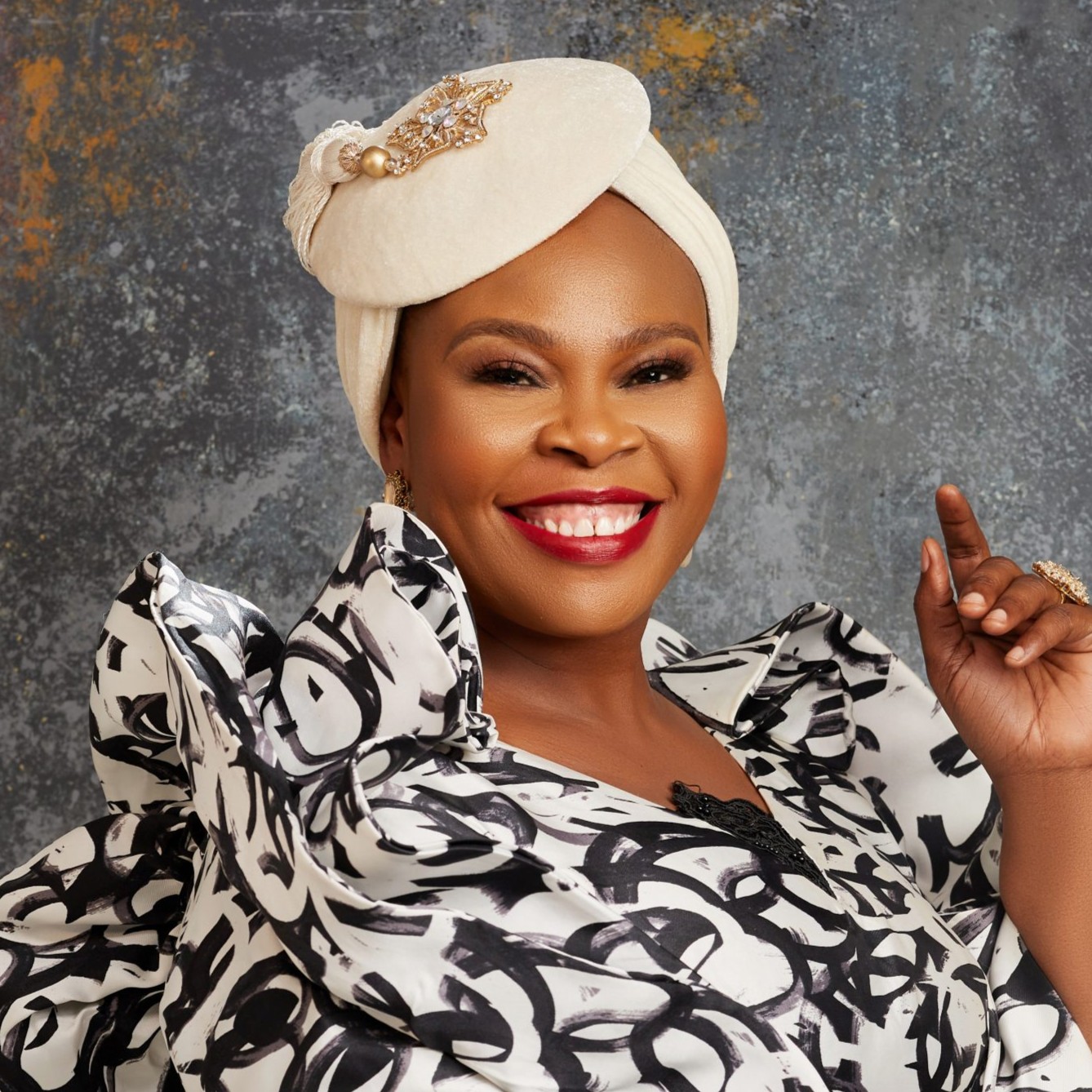
 Dr. Maymunah Yusuf Kadiri
Muna hated queues. Lagos had taught her patience in ways she never asked for. She queued for fuel, queued at the bank, queued to vote, queued at the embassy, even queued for her favourite Suya spot. Queues had become part of daily life.
So why did this one feel different?
Sitting quietly in the clinic, waiting to see the doctor, Muna felt her chest tighten. She picked up her phone to distract herself, scrolling through contacts until she saw her mother’s name. A tear slipped down her cheek. That was when she understood the anxiety.
Just weeks earlier, Muna had lost her mother to complications from undiagnosed diabetes.
Her mother had always brushed off concern. “We have big bones in this family,” she would say, laughing it off. Meals were generous, movement was optional, and check-ups were postponed. Until one day, life made a decision she never got to prepare for.
That moment changed Muna.
She promised herself she would not wait for illness to teach her what health should have taught her earlier. From that day, she committed to regular check-ups, mindful eating, and consistent movement, not out of fear, but out of responsibility to herself and her daughter.
Muna’s story is not unique. It reflects a quiet reality many people live with: we often underestimate the power of daily habits until their absence becomes costly.
Physical activity and nutrition are not lifestyle trends. They are the foundations of holistic wellbeing shaping not just how long we live, but how well we live.
Movement is medicine.
Physical activity is any movement that raises the heart rate. Walking, dancing, swimming, cycling, stretching, household chores all count. Regular movement strengthens the heart and lungs, lowers blood pressure, improves circulation, and reduces the risk of chronic illnesses such as heart disease, diabetes, osteoporosis, and certain cancers.
But movement does more than protect the body.
It stabilises mood, reduces anxiety, improves sleep, sharpens focus, and releases endorphins, the body’s natural mood enhancers. In a world saturated with stress, movement helps the nervous system discharge tension it was never designed to carry indefinitely.
You do not need a gym membership to move your body.
You need intention.
Nutrition is information, not just food.
What we eat becomes the raw material for every cell in the body. Nutrition influences energy levels, immunity, hormone balance, brain function, and emotional regulation.
A balanced diet rich in fruits, vegetables, whole grains, lean proteins, and healthy fats supports sustained energy, stable blood sugar, and better mental clarity. Poor nutrition, on the other hand, contributes to fatigue, mood swings, inflammation, weight gain, and increased risk of chronic disease.
Food also affects mental health more than we often realise.
Emerging evidence continues to show links between diet quality and conditions such as depression and anxiety. Highly processed foods and excessive sugar may offer temporary comfort but often worsen energy crashes and emotional instability over time.
Holistic wellbeing happens at the intersection.
Physical activity and nutrition work best together. Movement improves how the body uses nutrients. Good nutrition fuels movement and recovery. Together, they create resilience, the ability to meet life’s demands without breaking down.
Importantly, this is not about perfection. It is about consistency.
Small choices compound. Taking the stairs. Choosing water more often. Adding vegetables to meals. Walking for ten minutes. These actions seem insignificant in isolation, but over time, they shape health outcomes more powerfully than occasional extremes.
The cost of neglect is often delayed.
Like Muna’s mother, many people feel “fine” until suddenly they are not. Chronic illnesses develop quietly, influenced by years of unmanaged habits. By the time symptoms appear, the body has often been compensating for far longer than we realise.
Prevention is not fear-based.
It is foresight.
Healthy living also models something important for the next generation. Children learn health behaviours by observation. When adults prioritise movement, balanced meals, and regular check-ups, they pass on more than advice, they pass on protection.
The goal is not to live in restriction or anxiety.
The goal is to live with awareness.
Physical activity and nutrition are not about punishment or aesthetics. They are about capacity the capacity to work, love, parent, think clearly, manage stress, and enjoy life.
Muna still hates queues. But the one at the doctor’s office is no longer a source of fear. It is a reminder that choosing health early is far less costly than treating illness later.
Holistic wellbeing is built daily.
With movement.
With nourishment.
With intention.
The most powerful investment you can make in your life is the one you make in your body before it is forced to ask for attention.
Dr. MAYMUNAH YUSUF KADIRI (aka DR. MAY) popularly referred to as “The Celebrity Shrink,” is a multiple award winning Mental Health Physician, Advocate & Coach. She is the convener of “The Mental Health Conference” and the Medical Director and Psychiatrist-In-Chief at Pinnacle Medical Services, Dr. Kadiri is a dynamic Consultant Neuro-Psychiatrist and a Fellow of the National Post Graduate Medical College of Nigeria (FMCPsych) with almost 20 years’ experience as a practicing Physician.
Latest Edition of IWA Magazine
March 25, 2026
5 Audacious Female-led Funds by Nigerians With Final Close
Latest Posts
-
 Mar 25, 2026 The “Invisible” CEO: Leading from the Middle
 -
 Mar 25, 2026 Excellence, Skill or Value?