 Sola Adesakin
One of the biggest mistakes new investors make is assuming that investing is about speed. They see people posting profits, stock picks, crypto wins, and “hot tips,” and suddenly they feel late. The pressure builds. The fear of missing out creeps in. And before long, they are buying things they do not understand, simply because everyone else seems excited.
But here is the truth: before you chase returns, build sense.
Investing is not a race. It is not a performance. It is not a lucky draw. It is a process of planning, positioning, and patience. If you are new to investing, your first goal is not to become rich overnight. Your first goal is to avoid avoidable mistakes.
Even Jollof rice is cooked step by step. Nobody pours everything into the pot at once and expects magic. Investing works the same way. Learn in layers.
Here are five important things to remember if you are just starting out.
1. Pace Yourself
You do not need to buy everything.
Not all the stocks.
Not all the crypto.
Not every “hot” opportunity.
When people are new to investing, they often feel they must catch up quickly. So they open multiple apps, chase five asset classes at once, and spread themselves so thin that they end up confused and anxious.
Pace yourself. Start with one area. Learn how it works. Understand the basics. Then build gradually.
It is better to know a few things well than to participate in everything poorly. A slow, steady beginning is more powerful than an excited, chaotic start.
2. Pick With Sense, Not Noise
Do not invest because everyone is buying it.
That is not a strategy. That is pressure.
The fact that a stock is trending or a coin is being discussed in every WhatsApp group does not make it right for you. Noise is expensive. The market is full of stories, opinions, and hype. If you move with every wave of excitement, you will also feel every crash of panic.
Choose investments because:
You understand what they are
You have done some research
They fit your goals and risk appetite
Good investing is quiet. It is based on clarity, not crowd control.
3. Pay for Knowledge
Education is cheaper than losses.
Many people are willing to lose money in the market but unwilling to spend money learning how the market works. That is upside-down thinking.
Read books. Take courses. Join communities. Learn from credible voices. Ask questions. Study financial statements. Understand the basics of risk, diversification, and compounding.
You do not need to become an expert overnight, but you do need to become informed. The more you understand, the less likely you are to be moved by hype, fear, or manipulation.
If you pay for knowledge now, you reduce the chances of paying heavily for ignorance later.
4. Build a Portfolio, Not Just a Position
One stock is not a strategy.
A real portfolio contains different asset types that work together. Stocks may offer growth. Mutual funds may provide managed exposure. Fixed income can add stability. Gold can serve as a hedge. Real estate offers another dimension of value and income.
Diversification is not fear. It is discipline.
You do not need all these asset classes on day one, but over time, your financial life should not depend on one thing performing well. A well-structured portfolio helps you manage risk and stay steadier through market changes.
Think of it like building a balanced meal. One ingredient may be great, but it cannot do everything by itself.
5. Learn Patience
Markets move. Cycles change. Prices rise and fall.
This is where many beginners struggle. They enter with excitement, expect immediate gains, and panic when things slow down or reverse. But solid businesses compound over time. Good assets need time to work.
Impatience is what makes people sell winners too early, abandon plans too quickly, and jump from one thing to another without giving anything time to grow.
Investing is not gambling. It is not about guessing what will happen tomorrow. It is about positioning yourself intelligently and staying consistent long enough for growth to happen.
If you are new to investing, keep this simple rule in mind: start with understanding, not urgency.
Pace yourself.
Pick with sense.
Pay for knowledge.
Build a portfolio.
Learn patience.
That is how real investors are formed.
By learning in layers, like good Jollof, step by step, with attention, and with enough patience to let it come together properly.
Sola Adesakin is a highly respected wealth coach and chartered accountant with over two decades of transformative impact in the finance industry. As the visionary founder of Smart Stewards Financial Advisory Limited and Smart Stewards Advisory LLC, she has revolutionized the financial wellbeing of countless individuals and businesses across 40 countries. Her methodical approach to ‘make-manage-multiply’ money principles has elevated many from financial stress to prosperity, and mediocrity to exceptional achievement.
Latest Edition of IWA Magazine
March 17, 2026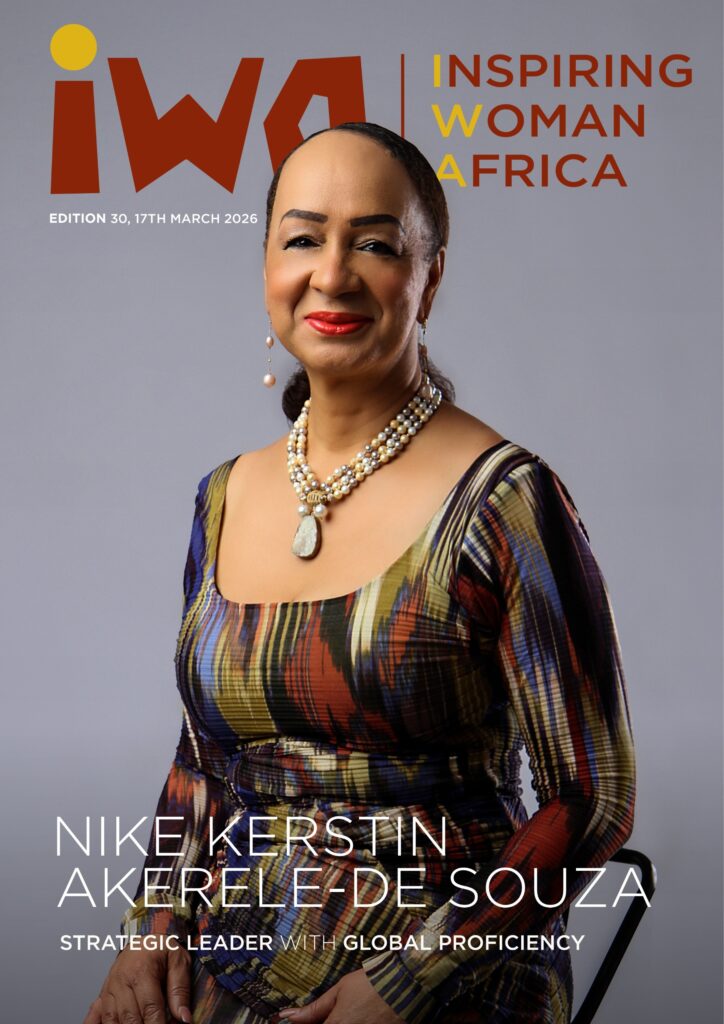
NIKE KERSTIN AKERELE-DE SOUZA, Strategic Leader With Global Proficiency
Latest Posts
-
 Mar 17, 2026 Purpose Is Not a Lost Gem
 -
 Mar 17, 2026 The Hidden ROI: Investing in People Before Platforms