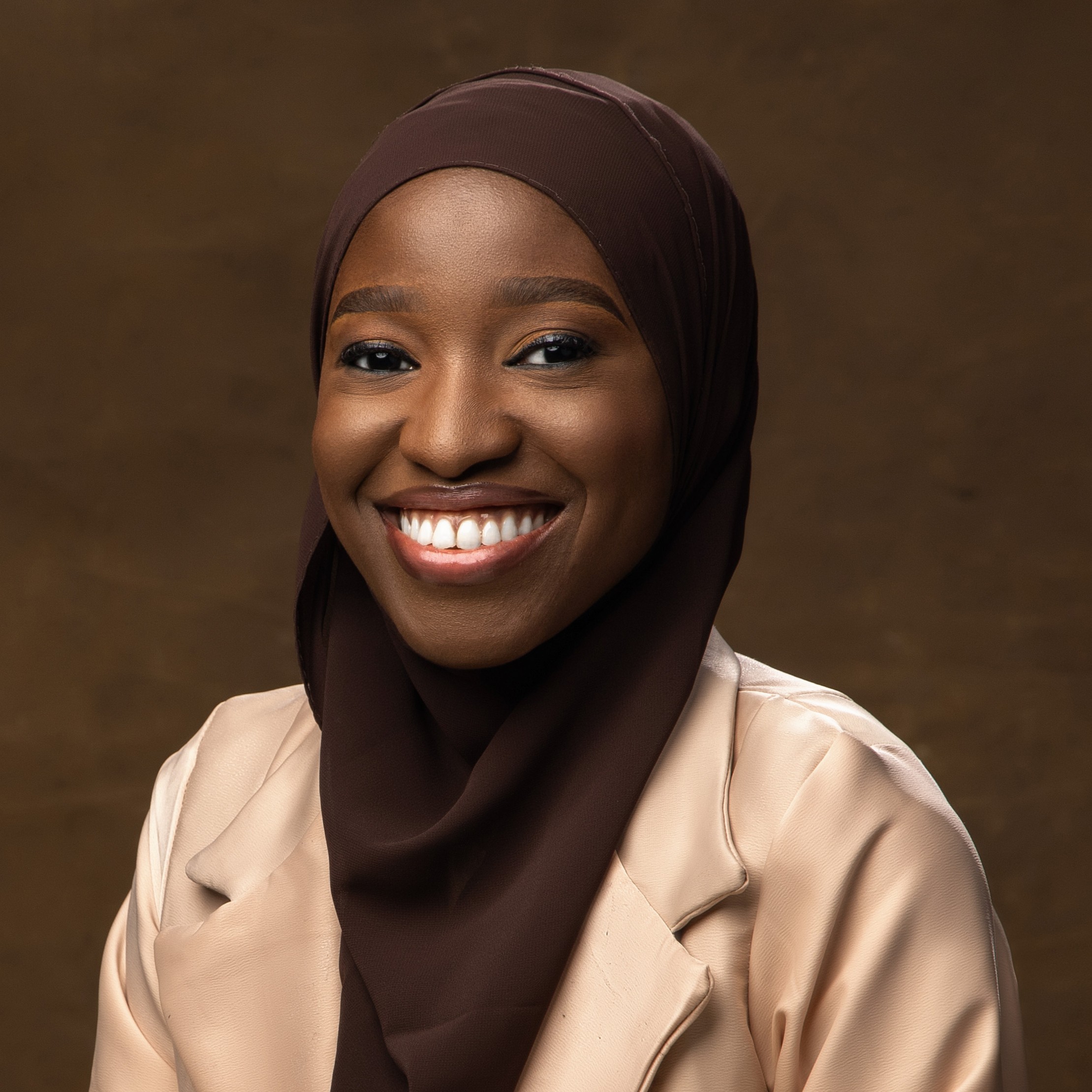
 Zainab Aderounmu
I’ve met many young people who are on the quest to find their purpose in life. They make it sound like some lost gem that must be found, at all costs, for all to be well in life. Some may even pause their lives to find that purpose first. But what if I told you that purpose is like that item you journey to Sokoto state for, only to find it in the left pocket of your trousers.
The Oxford Learners’ Dictionary defines purpose as the objective, aim or function of something. The thing that something, or in this case, someone, is supposed to achieve. So, purpose isn’t something that jumps out at you from nowhere; it’s that thing you notice in your life’s patterns. And you notice by observing. What makes you angry? What do you do better than other people? What is your envy pointing towards? What are you happy to do even when you’re not being paid, and what makes you forget about time?
Don’t attempt to answer these questions by looking outwards; you have to seek the answers within. This also doesn’t mean you force stop your life and wait until you find these answers before living fully. Rather, you realise these things by paying attention, finding recurring patterns and taking them seriously. Beyond that, try out new work, and don’t be afraid to pivot when something doesn’t produce joy, unless you’re not bothered about purpose or joy.
The worst mistake many young people make is waiting until they finish college before trying to find what makes them tick. Don’t do that. Studies show that only about 10% of people are clear about what their lives ought to achieve, which implies it’s neither an easy nor a short journey. As a result of that, the earlier you begin, the earlier and faster you’ll find that sweet spot.
Paul Graham argues that ignorance is why many people are unclear, uncertain and frustrated about the purpose of their existence. Specifically, ignorance about these three things: “You don’t know what makes you happy. You don’t know many types of work because you haven’t tried them, and you don’t know how well you can do such work, also because you haven’t tried them.”
Of course, you would argue that you can do anything, but not everything. Absolutely! For this, he recommends choosing paths that allow seamless transitions later in life when you’re more certain, or choices that allow you many options. Essentially, avoid putting all your eggs in one basket. For example, if you’re trying to choose between Maths and Economics, choose Maths because you can easily switch to Economics later, but not the other way around. This may apply to choosing a college degree, but don’t allow whatever choice you made to stop you from pivoting when you realise you’d rather be elsewhere.
One question that guides me, which Paul also recommended, is “Am I happy to become like the veterans in my industry of choice?” If not, pivot. And quickly.
Zainab ADEROUNMU A. W. is a First Class graduate of English Language and the Overall Best Graduating Student from the Lagos State University, Lagos Nigeria. She’s a professional Master of Ceremonies, known as The Hijabi Compere , a public speaking coach and Communications Professional. She is currently a Youth advisor to the European Union where she doubles as the Spokesperson and Head of Communications & PR for the Youth Sounding Board.
Latest Edition of IWA Magazine
March 17, 2026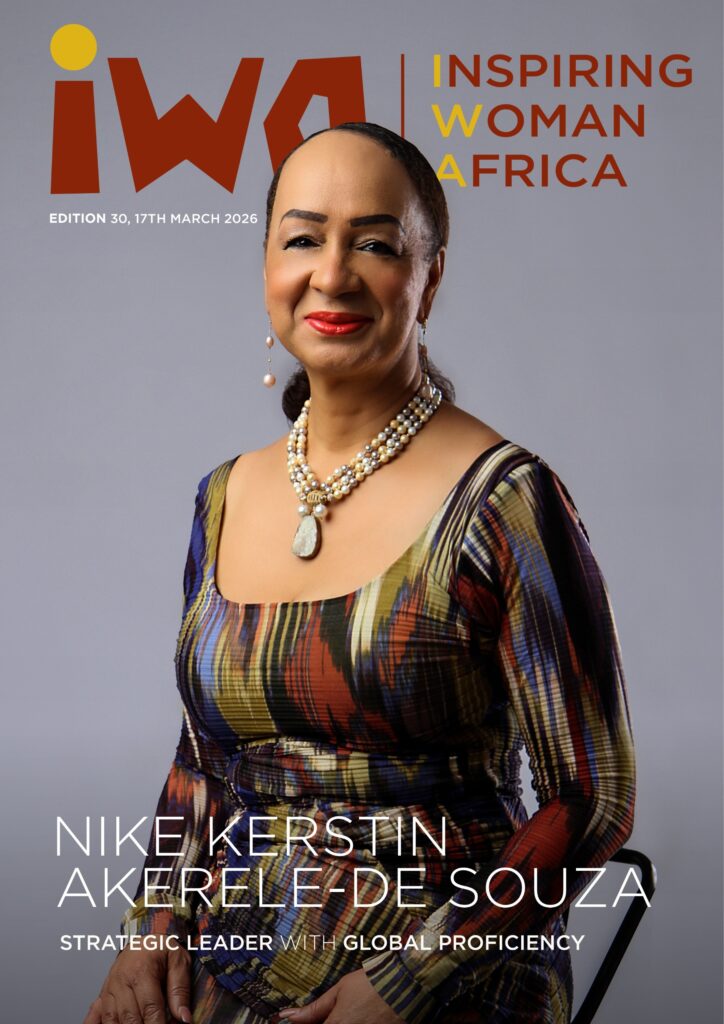
NIKE KERSTIN AKERELE-DE SOUZA, Strategic Leader With Global Proficiency
Latest Posts
-
 Mar 17, 2026 The Hidden ROI: Investing in People Before Platforms
 -
 Mar 17, 2026 If You’re New to Investing, Start With Sense