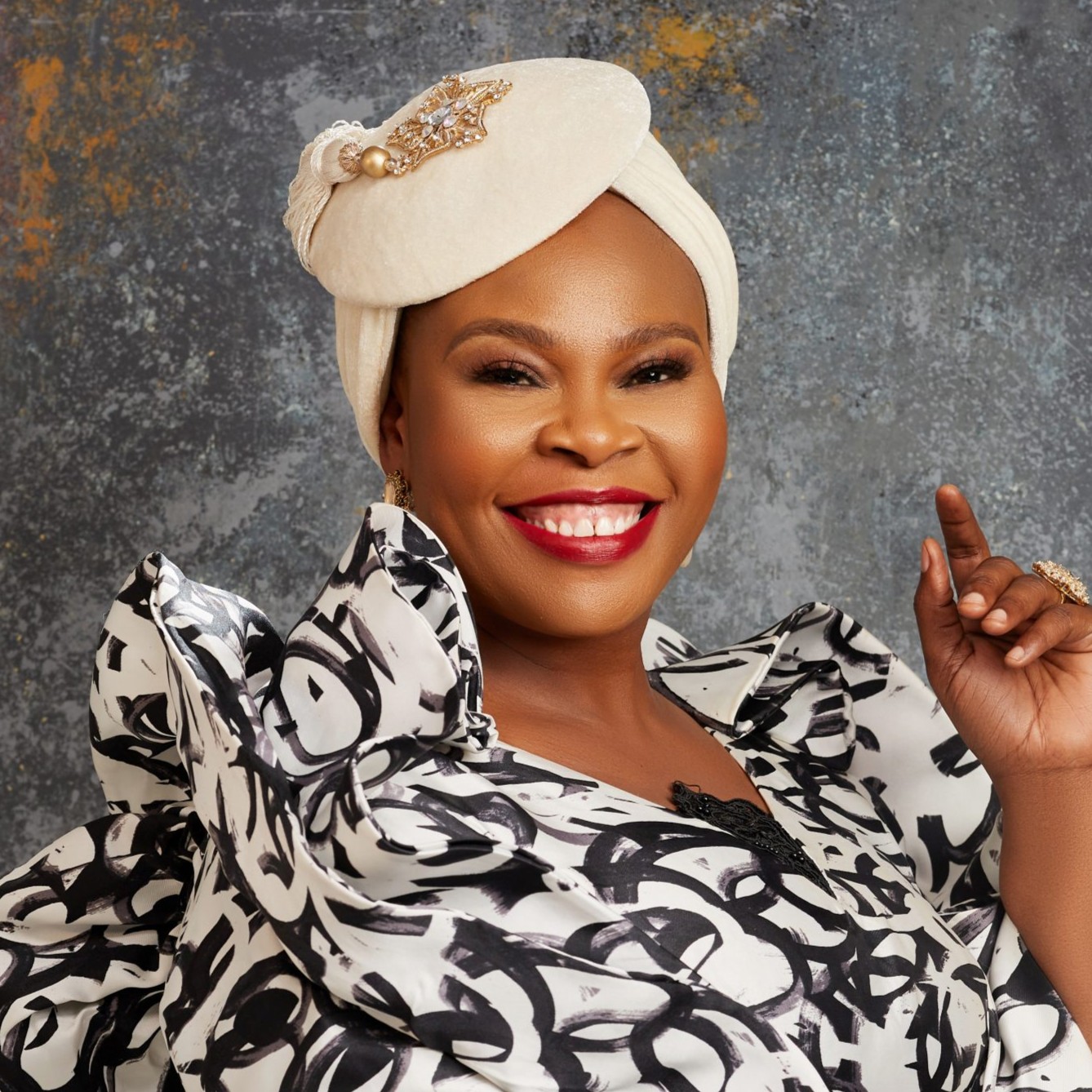
 Dr. Maymunah Yusuf Kadiri
This year’s International Women’s Day theme, “Rights. Justice. Action. For All Women and Girls,” is a global rallying cry. But it is also a psychological one. This is because you cannot speak of rights without speaking of mental health. You cannot pursue justice while ignoring emotional wellbeing and action becomes dangerous when women are silently depleted.
Across Nigeria and around the world, women are leading revolutions. In boardrooms and courtrooms. In hospitals and tech startups. In classrooms and communities. In homes and parliaments. Women are funding economies, shaping policy, raising generations and building nations. Yet beneath the applause, many are exhausted. Not incapable. Not ungrateful. Not weak. Exhausted.
As a Psychiatrist and founder of a 30-bed specialist mental health and drug rehabilitation hospital, I see what rarely makes headlines. The executive whose insomnia is praised as ambition. The entrepreneur battling panic attacks between investor meetings. The mother who is everyone’s emotional anchor while privately drowning in anxiety. The high-achieving young woman quietly managing depression in a culture that rewards performance but punishes vulnerability. These women are not failing. They are functioning under chronic strain.
Let me tell you about Remi.
Remi is a 42-year-old Nigerian entrepreneur who built a thriving logistics company from scratch. She employs over fifty staff. She is financially independent. She sits on advisory boards. She funds scholarships in her hometown. On social media, she is celebrated as a model of modern African success. What the world did not see was the 3 a.m. wake-ups, the heart palpitations before presentations, the constant fear of “dropping the ball,” the guilt of not being enough at work or at home. By the time she came to our hospital, her blood pressure had spiked dangerously high, her sleep had collapsed, and she had begun experiencing severe anxiety episodes. “I thought this was the price of success,” she told me. It wasn’t. It was the cost of unregulated stress.
Chronic stress is not empowerment. Over-functioning is not liberation. Burnout is not progress. When cortisol remains elevated for years, when sleep becomes optional, when emotional labour goes unacknowledged, the body eventually protests. Hypertension appears earlier. Autoimmune disorders increase. Anxiety and mood disorders spike. Marriages strain under unspoken tension. Creativity declines. And eventually, the hospital beds fill.
Rights without recovery lead to collapse. Justice without support leads to breakdown. Action without regulation leads to depletion.
Holistic wellbeing must become part of our gender equity conversation. Economic empowerment must include access to mental healthcare. Leadership development must include emotional resilience training. Workplace advancement must include psychological safety. Public policy must include preventive mental health investment. If we expect women to build a nation, we must not break them in the process. This is not about fragility. It is about sustainability.
The World Health Organisation has repeatedly warned that mental health conditions are among the leading causes of disability globally. Yet in many developing countries, mental health funding remains critically low. In Nigeria, access to specialist mental health care is still limited relative to the size of our population. Meanwhile, women carry multiple roles as professional, maternal, relational and communal — often without structural support. We cannot keep celebrating “strong women” while ignoring the physiological and psychological cost of that strength. Strength should not mean suffering in silence.
This International Women’s Day, I challenge institutions, policymakers and corporate leaders to expand the definition of action. Action is not only appointing women to boards. Action is funding health, especially mental health programmes. Action is creating humane work policies that recognize rest as productive. Action is normalising therapy. Action is designing systems that prevent burnout before it becomes a diagnosis.
A dysregulated population cannot build a regulated society. If women are constantly operating in survival mode, decision-making narrows, empathy declines and creativity suffers. Regulation is not indulgence; it is infrastructure. A woman who is emotionally regulated is more strategic, more innovative and more resilient. A woman who is supported is more likely to lead effectively and raise emotionally secure children. Thriving women build thriving economies. Healthy women raise stable generations. Regulated women lead transformational systems.
So this year, let us not only ask how many women are at the table. Let us ask whether they are well enough to sit there long term. Are they supported enough to thrive? Are we building systems that protect their humanity, not just their productivity? Empowerment without wellbeing is temporary. Achievement without restoration is unsustainable.
The future we are building requires women who are not just powerful, but whole. If we expect women to build a nation, we must not break them in the process.
Dr. MAYMUNAH YUSUF KADIRI (aka DR. MAY) popularly referred to as “The Celebrity Shrink,” is a multiple award winning Mental Health Physician, Advocate & Coach. She is the convener of “The Mental Health Conference” and the Medical Director and Psychiatrist-In-Chief at Pinnacle Medical Services, Dr. Kadiri is a dynamic Consultant Neuro-Psychiatrist and a Fellow of the National Post Graduate Medical College of Nigeria (FMCPsych) with almost 20 years’ experience as a practicing Physician.
Latest Edition of IWA Magazine
March 10, 2026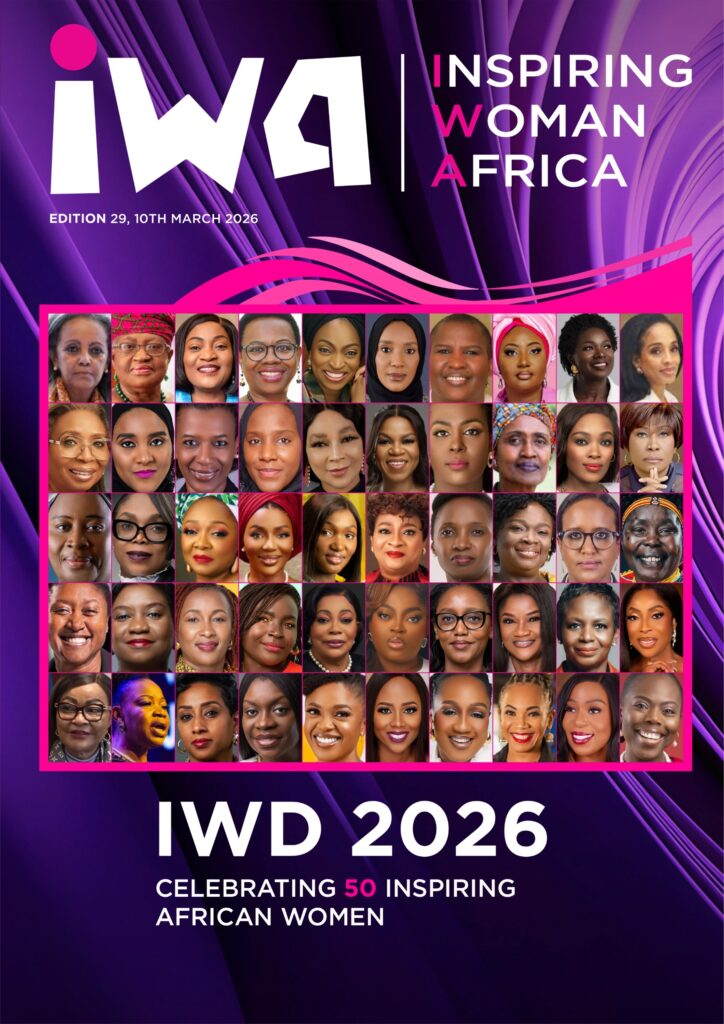
IWD2026: Celebrating 50 Inspiring African Women
Latest Posts
-
 Mar 10, 2026 Women Now Dream Different Dreams
 -
 Mar 10, 2026 Financial Literacy Is Not a Punishment