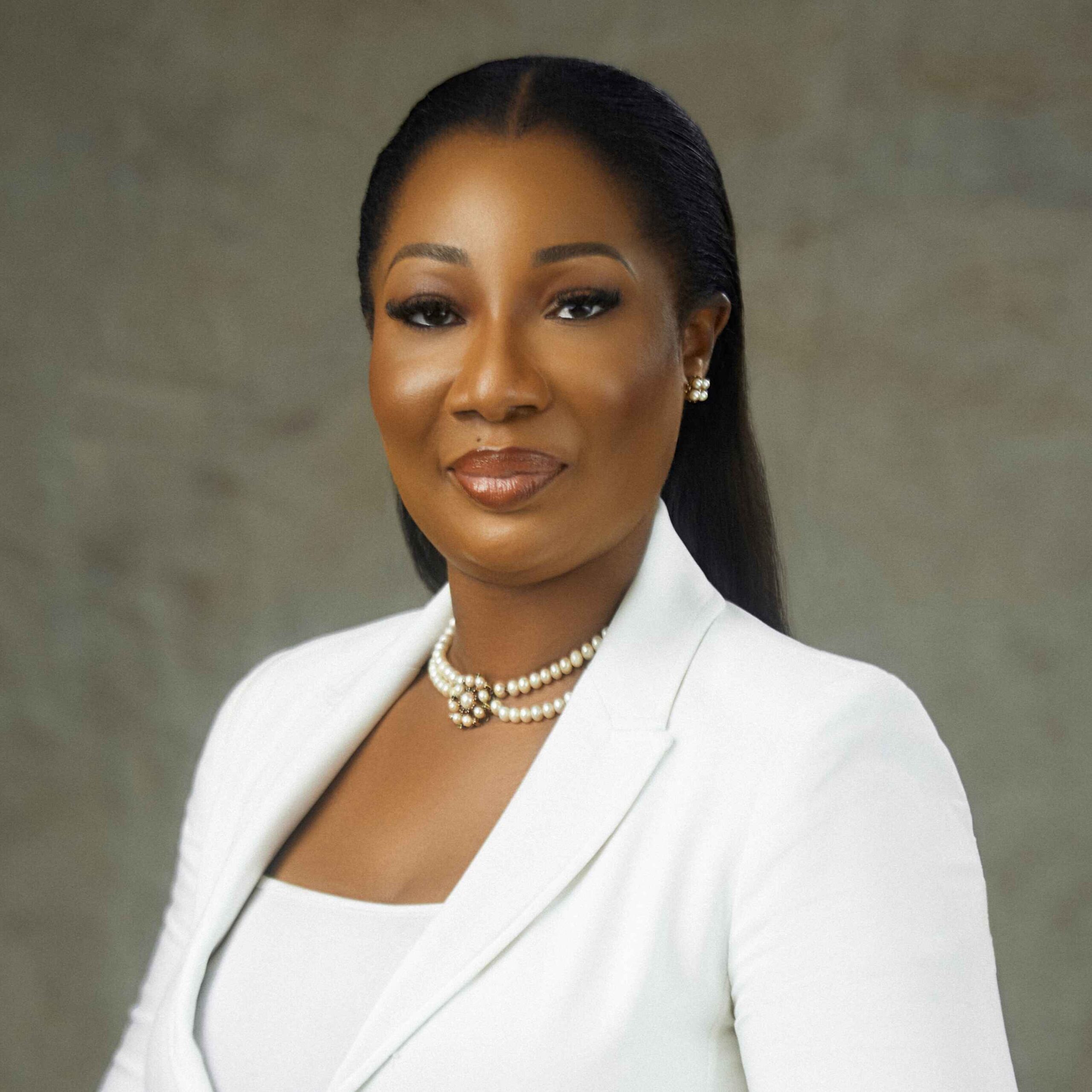
 Wola Joseph-Condotti
In today’s hyper-competitive world, results often speak louder than values. Targets are celebrated. Performance is rewarded. But integrity? Integrity is applauded only until it becomes inconvenient.
We see it every day. Corners cut in the name of efficiency, truths bent in the name of strategy, values traded for visibility or short-term gains. In many boardrooms and business deals, the question is no longer “Is this right?” but “Can we get away with it?”
But leadership (true, transformative leadership) is not just about what you achieve. It is about how you achieve it.
The Quiet Power of Integrity
Integrity is what you do when no one is watching. It is the alignment between your values, your words, and your actions. And in a world that rewards performance over principle, integrity has become the most undervalued currency of leadership.
Yet it is also the most enduring.
Reputation may open doors, but character is what keeps them open. Skills may earn you a seat at the table, but it is your values that determine the legacy you leave behind.
I have sat at many tables, in rooms of influence, negotiation, and governance and I have learned this truth: What you compromise to get, you will eventually compromise to keep.
The Cost of Doing Right
Let us be honest: integrity costs something.
It may cost you a contract, a promotion, an opportunity. It may cost you popularity in rooms where silence is easier than truth. It may mean standing alone when others are choosing what is easy over what is right.
But the cost of not walking in integrity is far greater. Because compromise chips away at confidence. It erodes credibility. It undermines the trust of those who follow you, work with you, and believe in you.
As women in leadership, especially in systems that were not always designed with us in mind, we are often pressured to play the game. To look away. To go along so we can get ahead.
But if we lose our voice to gain visibility, we have lost more than we gained.
Moral Courage and the Faith Factor
There is a form of courage that does not always look bold. It does not always show up in public. It shows up in quiet decisions. Like not inflating numbers, not leaking strategy, not aligning with the popular narrative when it compromises truth.
That is moral courage. And for those of us who walk by faith, it is also spiritual obedience.
Scripture reminds us in Proverbs 11:3, “The integrity of the upright guides them, but the unfaithful are destroyed by their duplicity.”
Think of Daniel, who stood firm in Babylon (a culture of compromise) and yet rose to the highest levels of leadership because of his integrity, not in spite of it.
Or Joseph, who chose righteousness over revenge, and character over convenience, even in prison. His integrity became the foundation for divine elevation.
Their stories remind us that doing right is never wasted. It may not yield instant results, but it births enduring impact.
Integrity as Leadership Infrastructure
For any organisation, team, or leader, integrity is infrastructure. It is the unseen scaffolding that holds everything up. Without it, everything collapses eventually.
It shapes culture. It earns trust. It invites accountability.
And most importantly, it builds something bigger than success: it builds legacy.
Final Thoughts
We live in a world where grey zones are growing, and ethical ambiguity is normalized. But now more than ever, we need leaders who lead with light.
Let your yes be yes. Let your no be no. Let your voice be clear, even if it is the only one speaking truth. Let your legacy not just be what you built, but how you built it.
Because at the end of the day, it is not the applause of the crowd, but the quiet approval of God that matters most.
And in a compromised world, that approval is still worth everything.
Wola Joseph-Condotti is the CEO of Eko Electricity Distribution Company (EKEDC). She is a Harvard-trained lawyer and passionate advocate for faith-driven leadership, gender equity, and energy transition in Africa, she writes from the intersection of power, purpose, and personal growth.
Latest Edition of IWA Magazine
March 31, 2026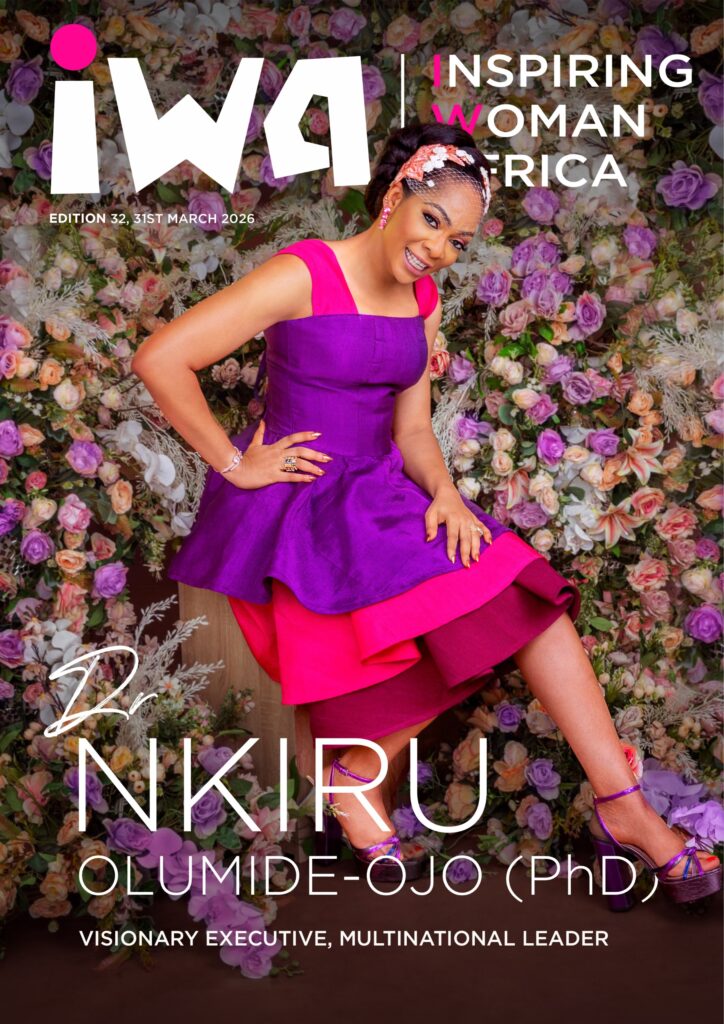
Dr. Nkiru Olumide-Ojo (PhD) Visionary Executive, Multinational Leader
Latest Posts
-
 Mar 31, 2026 The Career Advantage of Thinking Like an Owner