 Kemi Ajumobi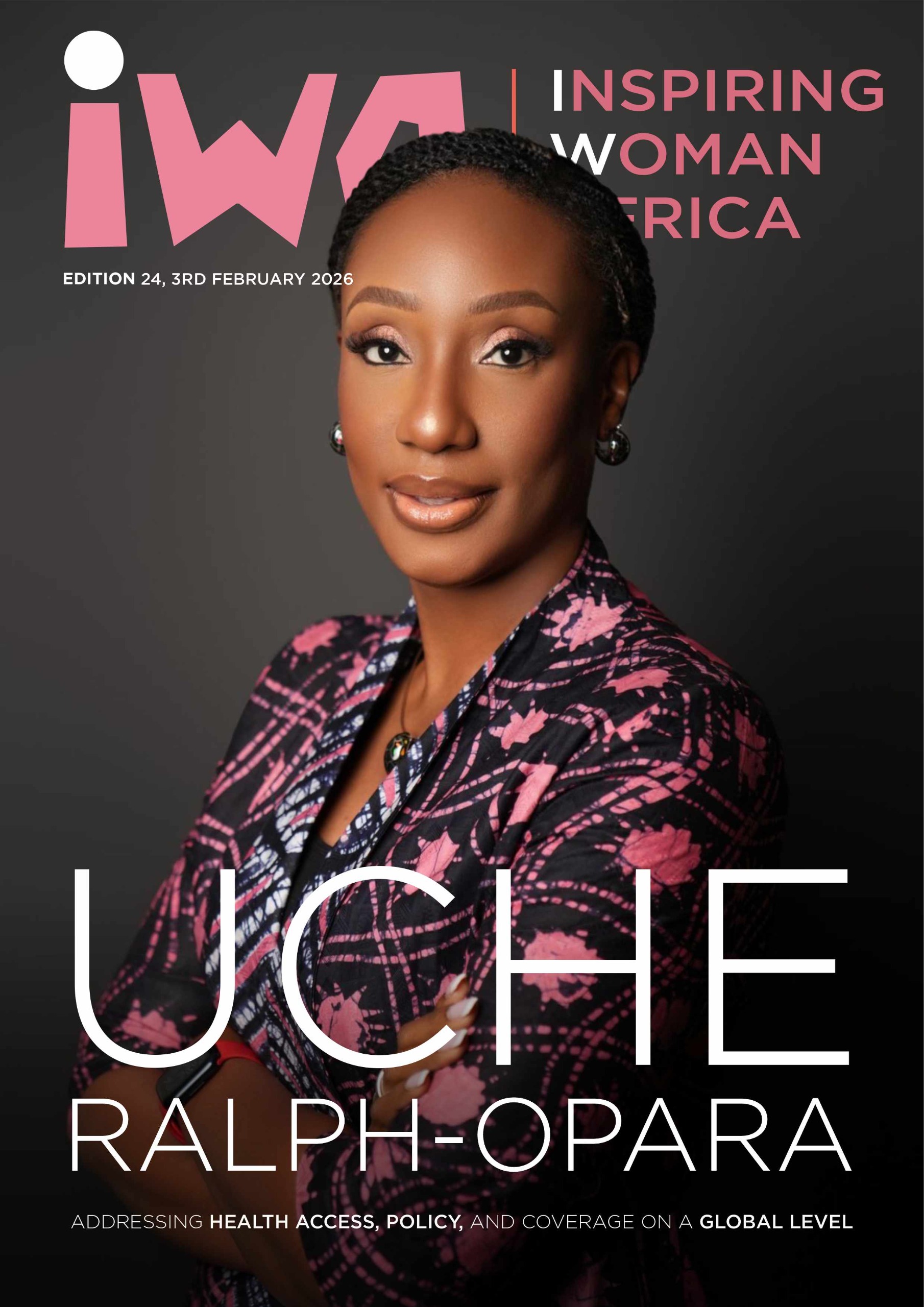
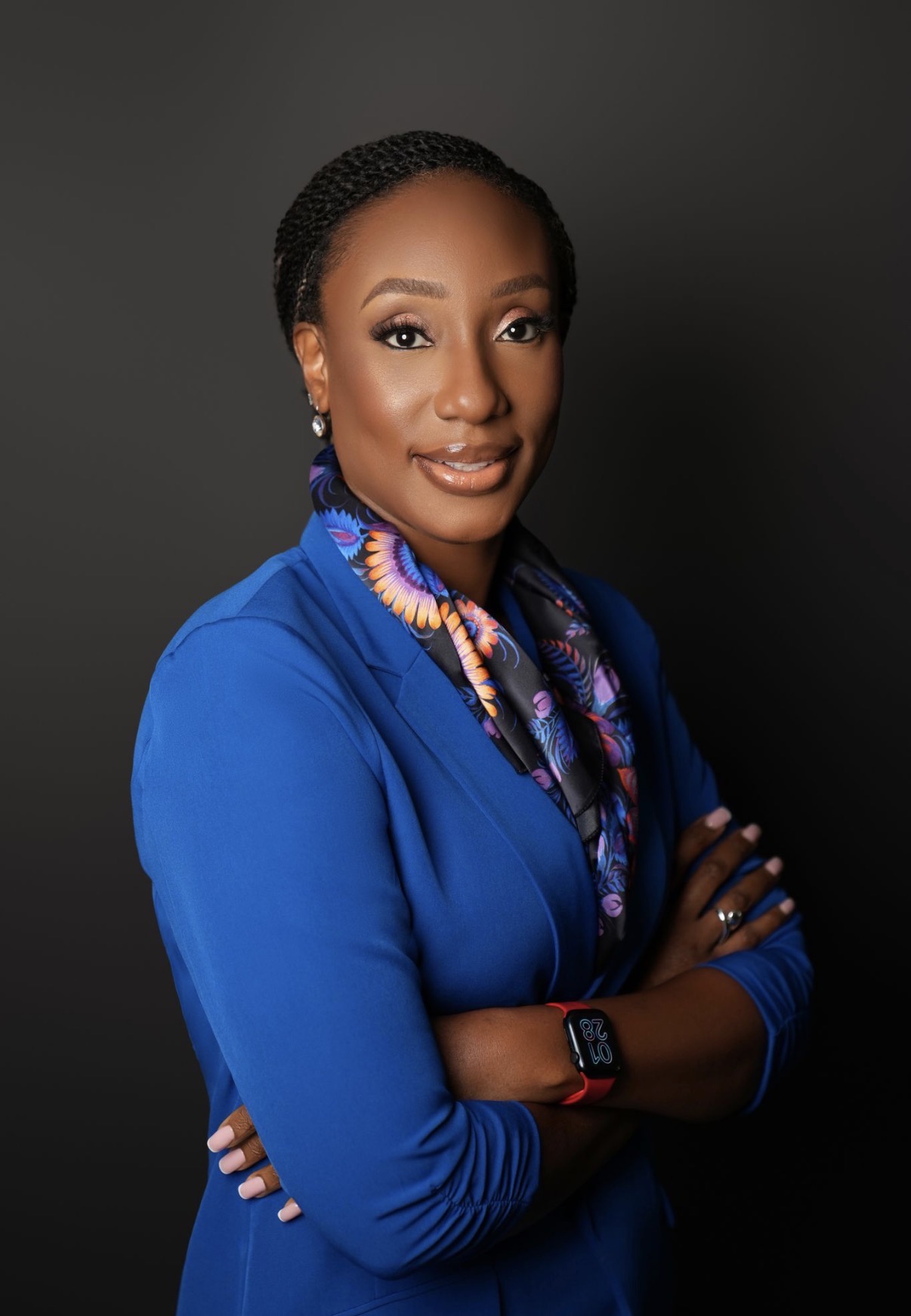
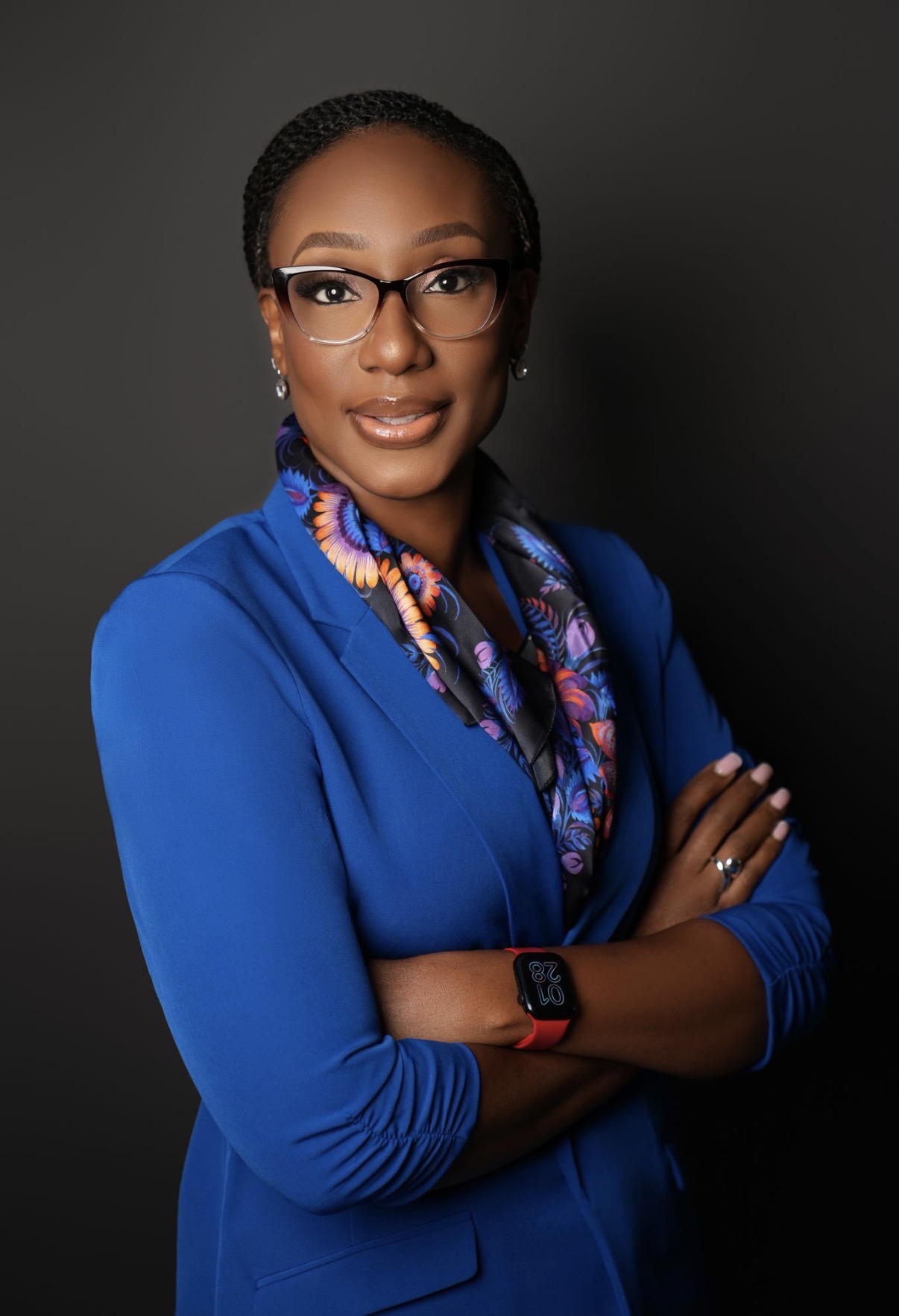
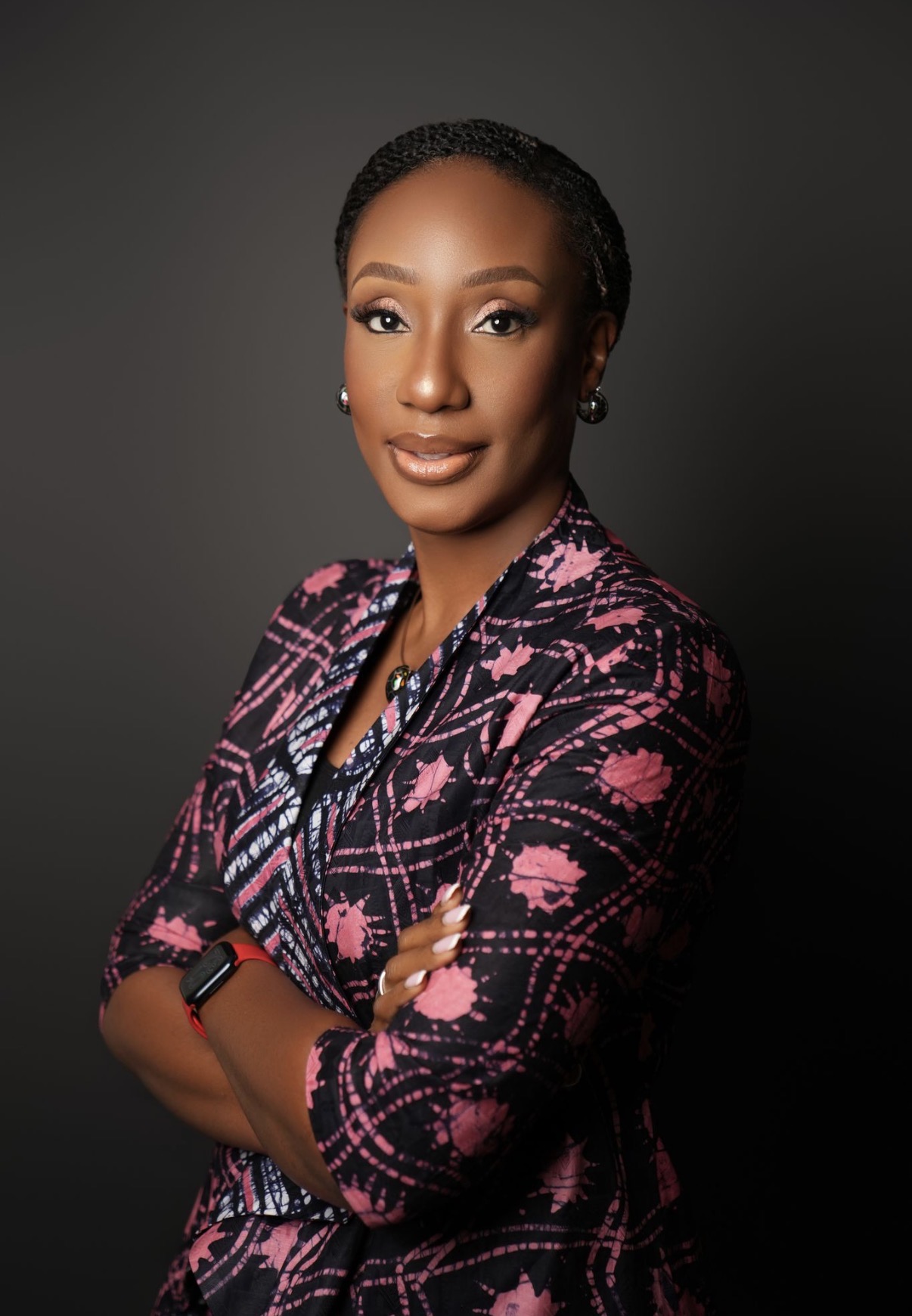
Uche Ralph-Opara is a physician and global health expert with over two decades of experience across clinical care, health systems strengthening, and large scale programme delivery in low and middle income countries.
She currently serves as Chief Health Officer at Project HOPE, where she oversees a global health portfolio spanning infectious diseases including HIV, TB, and malaria, reproductive, maternal, newborn, child and adolescent health, nutrition, mental health and psychosocial support, climate and health, and health workforce development. Her work focuses on ensuring that strategy, evidence, and partnerships translate into practical impact at country and community levels.
Throughout her career, she has worked closely with bilateral and multilateral donors, foundations, governments, and front-line teams to design and implement programmes that strengthen health systems and expand access to quality care. Her perspective to complex challenges is commendable, including a strong focus on workforce resilience, service integration, and sustainable country ownership.
Uche is particularly motivated by work that centers equity, supporting under-served and crisis affected communities, investing in frontline health workers, and advancing better outcomes for women, children, and adolescents. Alongside her professional work, she is deeply committed to mentoring young women, supporting their leadership journeys, and helping them translate ambition into opportunity.
Uche values thoughtful collaboration, clear execution, and leadership that is grounded in real world experience. She enjoys working with partners and teams who are serious about bridging ambition with what actually works on the ground.
Uche is driven by work that strengthens systems, develops people, and delivers results where they matter most.
Growing up and influences till date
I grew up in a close-knit family where service was not something that needed explanation. It was simply how life was lived. My parents were deeply values-driven, generous with their time, and intentional about raising children who understood responsibility, empathy, and contribution. My siblings and I were very close (still are), and that sense of community and mutual accountability shaped how I show up in relationships, work and leadership to this day.
My mother, a medical doctor and public health physician, was especially influential. Watching her practice medicine left a deep imprint on me. Sometimes I followed her during calls, and what stood out wasn’t only the clinical side of care, but the humanity. It was how she spoke to patients, how she listened, how people felt seen and reassured in her presence. That combination of competence and compassion shaped how I came to understand leadership and service.
I grew up in Nigeria and was fortunate not to grow up in scarcity. We weren’t wealthy, but I had stability, exposure, and opportunity. That awareness has remained with me, and the understanding that access changes outcomes, and that privilege carries responsibility.
Those early years shaped me into someone pragmatic, values-driven, and deeply conscious of how systems, families, and social structures influence people’s lives. It’s a lens that continues to guide how I work and how I lead.
Passion for global health and defining moments that shaped your journey
My journey into health felt natural. Growing up with a mother who was a doctor, from an early age, medicine represented purpose, dignity, and service. I was drawn to the human connection, and the way care could restore not just health, but hope.
The turning point toward global health came during my house job after medical school in Nigeria. I encountered patients who were dying from conditions that were entirely preventable. It wasn’t because science didn’t exist, it was because the systems weren’t working. Access was limited, referral systems were weak, supplies were inconsistent, and care was fragmented.
Those experiences affected me deeply. I realised that while clinical care mattered, it could only go so far if the broader system failed patients. Global health became my way of reaching beyond individual encounters to address root causes, including access, coverage, policy, and systems strengthening.
That realisation led me to pursue public health training at the London School of Hygiene and Tropical Medicine and eventually into a career across NGOs working in infectious diseases, nutrition, maternal, newborn and child health, nutrition and health systems strengthening. Over time, I became more systems- and programme-facing, and that’s where my purpose became clear.

Most significant achievements in your career and challenges you overcame to reach those milestones
One of my most meaningful achievements has been helping design and lead programmes that translate strategy, funding, and innovation into tangible health outcomes, especially for vulnerable populations. Much of my work involves supporting country and regional teams to design programmes that are effective, efficient, and responsive to local realities.
I’m particularly proud of work that integrates innovation thoughtfully, strengthens systems rather than bypassing them, and keeps people (not projects) at the center. Supporting teams from a headquarters (in Washington DC) or regional level is not about hierarchy for me, it’s about partnership, problem-solving, and enabling impact.
The challenges are persistent. Global health work is often constrained by funding cycles, shifting donor priorities, and fragile systems, particularly across Africa where domestic financing for health remains limited. Balancing ambition with realism, and sustainability with urgency, requires constant navigation.
What exactly is Project HOPE about and what is your role as Chief Health Officer?
Project HOPE is an international humanitarian and global health organisation working across emergency response, recovery, and long-term development. What distinguishes Project HOPE is our ability to operate across this full continuum, responding to crises while also building durable health systems solutions.
Our work spans infectious diseases, maternal, newborn and child health, non-communicable diseases, mental health, health security, and humanitarian response. Central to our approach is partnership. Working with governments and local organisations to strengthen systems, not create parallel ones.
I’ve been with Project HOPE for over five years, starting as Country Director for Nigeria, then Deputy Regional Director for Africa, and now Chief Health Officer. In this role, I oversee the Global Health Technical Unit, including infectious diseases, Maternal Newborn and Child Health (MNCH), Non-Communicable Diseases (NCDs), health security, health systems strengthening, monitoring, evaluation and learning, and digital health integration portfolios. My focus is ensuring our teams are technically strong, well supported, and positioned to deliver real impact across the countries where we operate.
Elaborate on some specific projects you’ve led at Project HOPE, including challenges and successes
One project especially close to my heart was the Integrated Child Health and Social Services Award (ICHSSA 2) in Nigeria, which focused on orphans and vulnerable children affected by HIV. The project was implemented through a consortium led by the Association of Reproductive and Family Health (ARFH) and funded by the USAID (now the U.S. Department of State). Within this effort, Project HOPE led the health systems strengthening and private-sector engagement components, working closely with government counterparts and community-based organisations.
What stood out most was how intentionally we brought the private sector into public health programming. We partnered with institutions like Access Bank to deliver financial literacy training and support economic strengthening for caregivers and households. Companies such as Nestlé and Airtel also provided in-kind support that helped stabilise vulnerable households and strengthen the broader ecosystem of care.
This approach went beyond service delivery. It strengthened caregiver resilience, complemented government-led HIV and OVC responses, and demonstrated that private-sector actors can meaningfully contribute to public health outcomes when engagement is intentional and well-coordinated.
The main challenge was alignment, bringing together government priorities, donor requirements, community realities, and private-sector interests in a way that felt coherent and mutually reinforcing. Navigating those dynamics required patience, trust-building, and constant coordination.
Ultimately, the success of ICHSSA 2 reinforced for me the importance of partnerships in driving sustainable impact, and it continues to shape how we think about scale, collaboration, and long-term sustainability across Project HOPE’s work.
Prioritising health issues in your portfolio, and what criteria do you use?
For me, prioritisation always begins with context. As an international NGO, Project HOPE does not operate in parallel to national systems, so our first point of reference is the country’s national health strategy and government-defined priorities. Alignment with what governments are already trying to achieve is non-negotiable for us.
From there, we look at a set of core criteria. The first is burden and urgency; where the health need is greatest and where delays would cost lives. The second is equity, who is being left behind and whether the intervention meaningfully reaches under-served or marginalised populations. The third is systems impact; whether the work strengthens the health system or simply addresses symptoms in the short term.
Evidence and feasibility are equally important. An intervention must be grounded in data and best practice, but it also has to be realistic within the country context (financially, politically, and operationally). We also consider added value; whether Project HOPE’s technical expertise and partnerships can genuinely improve outcomes rather than duplicate existing efforts.
Even in emergency and humanitarian settings, these criteria still apply. While the response must be rapid, we remain intentional about how short-term interventions link to recovery and longer-term resilience. Ultimately, prioritisation is about balance -between urgency and sustainability, global standards and local realities, and ambition and what can truly be delivered on the ground.
Applying a systems perspective to address complex health challenges
Applying a systems perspective means starting with the understanding that health outcomes are never the result of a single intervention. They are shaped by how multiple parts of the system interact (governance and leadership, the health workforce, financing, supply chains, data, community trust), and the broader social context in which care is delivered. When one of these elements is weak, the entire system feels it.
In practice, this means we resist the temptation to focus on only one piece of the puzzle. Guided by global standards such as the WHO health systems building blocks, we deliberately design interventions that strengthen several components at the same time. For example, training health workers is important, but training alone does not change outcomes if providers lack the right tools, commodities, supervision, or decision-making authority to apply what they’ve learned.
A systems lens forces us to ask harder questions: Is the supply chain reliable? Are referral pathways functional? Is data being used to inform decisions? Are leaders at facility and district levels empowered to act? We also pay close attention to trust; between communities and providers, and between frontline workers and the systems they operate within, because without trust, even well-designed programmes struggle to succeed.
This approach is especially important in fragile and crisis-affected settings, where systems are already under strain. By strengthening governance, workforce capacity, data use, and accountability alongside service delivery, we aim to ensure that interventions are not just effective in the short term, but resilient over time. That integrated way of working is what allows impact to last beyond a single project or funding cycle.
Strategies crucial for ensuring sustainability of health programmes in low- and middle-income countries
Sustainability begins and ends with government ownership. Without it, no programme -no matter how well designed can be sustained. The past year has made this reality impossible to ignore. As funding landscapes shift and external assistance becomes less predictable, it has become clear that long-term dependence on donor financing is not viable for health systems.
What has been encouraging, particularly across Africa, is seeing governments increasingly step into leadership roles around their own health agendas. There is a growing recognition that countries must define their priorities, mobilise domestic resources, and be accountable for outcomes. Initiatives such as the Accra Reset reflect this shift toward sovereignty, transparency, and innovative approaches to financing health and development.
For international NGOs, this moment requires a fundamental rethinking of our role. Sustainability is not about doing more but about doing differently. Our value increasingly lies in technical assistance, capacity strengthening, and partnership, supporting governments to lead, rather than implementing in parallel or filling gaps indefinitely.
True sustainability also requires alignment across stakeholders, long-term thinking beyond project cycles, and investment in systems, particularly the health workforce, data systems, and governance structures. When programmes are designed with ownership, accountability, and local capacity at the center, they are far more likely to endure beyond donor funding and deliver lasting impact.
Ensuring programmes are equitable, especially for underserved and crisis-affected communities
Equity is not accidental. It requires deliberate, intentional design. In my work, ensuring equity means starting with a clear understanding of who is being left behind and why. Too often, programmes are designed for the “average” population, which almost always excludes those living in remote areas, displaced communities, women, adolescents, children, and people affected by conflict or crisis.
We rely heavily on needs assessments, disaggregated data, and direct community engagement to guide our targeting. Data helps us identify gaps, but listening to communities helps us understand the realities behind the numbers which include barriers related to access, trust, gender norms, mobility, and safety.
In crisis and fragile settings, equity often means rethinking how care is delivered. This includes bringing services closer to communities through mobile clinics, integrating mental health and psychosocial support at the community level, and using digital health and telemedicine solutions to extend reach where physical access is limited. Technology, when applied thoughtfully, can be a powerful tool for reducing inequities rather than widening them.
Ultimately, equity is about dignity. It is about ensuring that programmes are designed not just to reach people, but to meet them where they are and respond to their realities. When equity is treated as a core principle rather than an afterthought, programmes are more trusted, more effective, and more impactful.
Engaging local communities and stakeholders in programme design and implementation
We take a deeply person-centered and community-centered approach to our work, and engagement begins with listening -long before any programme is designed or implemented. That means taking the time to understand local priorities, social and cultural context, power dynamics, and the realities people face in their daily lives. Even within the same district or community, needs can vary significantly, and we are intentional about recognising and responding to those differences.
Communities and local stakeholders are not treated as passive beneficiaries; they are active partners in co-designing solutions. This includes engaging community leaders, frontline health workers, civil society organisations, and local authorities in shaping program priorities, defining what success looks like, and identifying practical ways to deliver services.
Importantly, engagement does not stop at design. Communities are involved throughout implementation and adaptation, providing feedback that allows programmes to evolve in real time. This ongoing dialogue helps ensure interventions remain relevant, culturally appropriate, and responsive to changing needs.
When people see themselves reflected in programmes, when they recognise their voices, experiences, and priorities, trust grows. That trust drives uptake, strengthens accountability, and ultimately makes sustainability possible. For me, meaningful community engagement is not just good practice; it is essential to delivering quality, equitable health outcomes.
Effective approaches to supporting frontline health workers
Supporting frontline health workers requires looking at the full continuum – recruitment, retention, and quality, and recognising that no health system can function without an adequately supported workforce. Too often, we focus on training alone, without addressing the broader conditions that determine whether health workers can actually do their jobs well and stay in the system.
On the quality side, training must move beyond traditional, one-off, didactic models. We need more innovative and practical approaches including blended learning, mentorship, supportive supervision, and peer-to-peer models that work across all cadres of health workers, from clinicians and nurses to community health workers. Learning should be continuous, context-specific, and designed to fit into real-world workloads rather than pulling providers away from already overstretched services.
Community health workers are especially critical. They are closest to communities, particularly in rural, underserved, and crisis-affected settings, and they play a central role in advancing equity. Strengthening their capacity is not optional, it is foundational. They must be equipped not just with basic skills, but with the tools, supervision, and confidence to deliver care, collect and use data, and serve as trusted links between communities and the health system.
Technology and AI present important opportunities here. When used thoughtfully, digital platforms can help scale training, standardise quality, provide real-time decision support, and extend reach to health workers who would otherwise be left out. But technology must be an enabler, not a replacement for human connection and mentorship.
Retention is just as critical as recruitment and training. Health workers need safe working conditions, psychosocial support, fair compensation, and recognition for the work they do—especially in high-stress and humanitarian environments. Burnout, moral distress, and attrition are real threats to health system resilience. If we do not take care of the people delivering care, the system itself will not hold.
Ultimately, supporting frontline health workers is about valuing them, not just as implementers of programmes, but as human beings carrying the weight of the health system. When health workers are supported, motivated, and trusted, quality improves, communities benefit, and systems become more resilient.
Define effective leadership in global health
For me, effective leadership in global health begins with authenticity. Everyone has a different leadership style, but I believe it’s important to lead in a way that is true to who you are. I lead with empathy and vulnerability (that’s the Uche style), and I try to show up fully as myself, especially in spaces where the work is complex, the stakes are high, and the answers are rarely straightforward.
Leadership in global health carries a unique responsibility. The decisions we make influence not just programmes, but systems, policies, and ultimately the lives of entire populations. That requires humility, the ability to listen, to learn, and to adjust when something isn’t working. It also requires emotional intelligence, because we are often working in fragile contexts, across cultures, and with teams carrying significant pressure and responsibility.
I also believe strongly that leadership is not static. It must be continually developed. Participating in the Gates-funded WomenLift Health leadership programme was transformative for me. While I had been leading teams and programmes for years, the structured coaching, mentorship, and space for reflection, particularly alongside other women leaders in global health deepened my self-awareness and sharpened how I lead.
That experience reinforced an important lesson – investing intentionally in leadership, especially for women, is not a luxury. It is essential for building resilient health systems and for shaping a future of global health that is more inclusive, thoughtful, and effective.
Lessons learnt from working with donors and partners
One of the most important lessons I’ve learnt is that the strongest partnerships are built on trust, transparency, and co-creation. The global health landscape has evolved, and the traditional top-down model where solutions are designed far from the communities they are meant to serve is increasingly ineffective. Shared problem-solving leads to stronger, more relevant programmes.
Seeing donors as partners rather than just funders changes the nature of the relationship. It creates space for honest conversations about constraints, trade-offs, and what is realistically achievable in complex settings. When partners are aligned around outcomes rather than activities, there is more room for innovation, adaptation, and learning along the way.
I’ve also learnt that good partnerships require mutual accountability. Clear roles, open communication, and a willingness to course-correct when something isn’t working are essential. When trust is present, partners can move beyond compliance toward collaboration, and that is where meaningful, lasting impact is created.
Aligning ambitious goals with practical execution
Ambition is important, but ambition on its own doesn’t deliver results. For me, alignment happens when bold goals are paired with structure, clarity, and strong communication. It requires having the right people in place, being honest about timelines and constraints, and ensuring that everyone understands not just what we are trying to achieve, but why.
Practical execution also depends on meaningful inclusion. The people delivering services on the ground and the communities receiving them must have a seat at the table. When those perspectives are missing, even the most well-intentioned goals can become disconnected from reality.
I’m also a strong believer in learning as part of execution. We pilot ideas, test assumptions, and adapt based on what is working and what isn’t. Scaling comes later, once there is evidence that an approach is both effective and feasible. This cycle of piloting, learning, adapting, and scaling helps ensure that ambition is not diluted, but rather grounded in real-world experience.
Ultimately, aligning ambition with execution is about discipline, being clear about priorities, making thoughtful trade-offs, and staying focused on outcomes rather than optics. When that alignment is done well, ambitious goals become achievable, and impact becomes sustainable.
What burdens your heart about Nigeria’s healthcare system, and what do you hope for?
As a Nigerian doctor who trained and practiced in Nigeria, what burdens my heart most is that we are still losing people to deaths that should never happen. Preventable deaths. Deaths linked not to a lack of medical knowledge, but to weak systems, poor coordination of care, inadequate resourcing, and inconsistent attention to patient safety.
Health workers are often under-supported and overburdened. Facilities struggle with staffing, supplies, and supervision. Patient safety and quality of care are not always treated as non-negotiable, and when systems fail, it is families who carry the consequences.
This is deeply personal for me. When my father underwent hip replacement surgery in Nigeria, I found myself constantly advocating, monitoring his care, questioning decisions, coordinating support, and stepping in when I felt standards were slipping. I remember arranging for an endocrinologist to be involved because I knew how critical it was to manage his diabetes and hypertension alongside his surgery. Even then, I was not at ease. I should not have had to fight that hard for safe, coordinated care. No family should.
In recent months, reading about preventable deaths within health facilities has been particularly painful, especially knowing, as a clinician, how many of these outcomes could have been avoided with better systems, accountability, and attention to care. It forces difficult reflection about how far we still have to go.
What I hope for is a Nigeria where healthcare works for people, not just in moments of excellence, but consistently. A system that is properly resourced, where health workers are skilled, motivated, and supported, and where patient safety is central (not optional). We speak often about strengthening health systems, my hope is that we move beyond language to real, sustained action, from the community level to tertiary care.
Nigeria can do better. We must do better. Our people deserve nothing less.
What is the greatest lesson life has taught you?
The greatest lesson life has taught me is the power of listening (deeply, intentionally, and with humility). Listening not just to respond, but to understand. Listening to people’s experiences, to context, to what is being said and what is left unsaid. Over time, I’ve learned that real insight, good leadership, and meaningful impact often come from listening more and (sometimes) speaking less.
I’ve also learnt the importance of empathy and authenticity, of showing up as your (authentic) self, even when it’s uncomfortable. Life and work have taught me that you don’t have to have all the answers to lead well, but you do have to be present, honest, and willing to learn.
Giving back has become central to how I measure purpose. No matter where I live or work, my heart remains anchored in Nigeria and across Africa. That sense of connection and responsibility shapes how I make decisions, how I mentor others, and how I continue to show up in this work. It reminds me that success is not just about personal achievement, but about contribution and impact.
What day will you never forget, and why?
I will never forget the day I had my first child (May 28, 2005). I was young, emotional, and completely unprepared for the sudden realisation that I was now responsible for an entire human being who had just come out of me. One moment I was myself, and the next moment I was someone’s mother – permanently!
Growing up, I wasn’t the first child, and I had a big sister who carried a lot of responsibility, so I was used to being cared for in that way. But holding my own child for the first time was different. It felt like awe, joy, fear, and love all at once. I remember crying (a lot) partly from happiness and partly from the panic of realizing there was no instruction manual and no return policy.
Motherhood changed me in ways I couldn’t have imagined. Yes, I went on to have three more children, but that first moment of becoming a mother marked a new sense of purpose and responsibility. It was the beginning of learning how to show up even when you’re tired, unsure, and still figuring things out which, as it turns out, is excellent training for both leadership and life.
That day remains unforgettable, not just because of what I gained, but because of who I began to become.
Concluding words
I am still evolving. I’ve become far more intentional about how I spend my time, my energy, and my voice. I’m learning to stay with the journey, not just the parts that look good on paper, but the parts that stretch you, humble you, and change you. The good, the difficult, and the deeply uncomfortable have all shaped who I am becoming.
If I had another life, I would still choose medicine and global health. This work is demanding and often imperfect, but it allows you to stand at the intersection of people, systems, and possibility. It allows you to touch lives in ways that matter. Most importantly for me, it allows me to model purpose for my children. They see that I love what I do (not because it’s easy, but because it’s meaningful). And I hope that love translates into their own commitment to service, integrity, and impact.
I am deeply passionate about Nigeria, about Africa, and about mentoring young girls. Through my ’Dreams to Reality’ initiative with ‘WomenLift Health,’ I mentor young girls in Lagos and Anambra, supporting them as they navigate education, technology, health, and leadership. I didn’t have the benefit of structured mentorship growing up, and I don’t believe any young girl should have to figure life out alone when guidance, community, and belief can change the trajectory entirely.
If there is one thing I hope to be remembered for, it is this- that I lived a life rooted in purpose, guided by service, and grounded in care – for people, for systems, and for the future we are building together. Not perfectly, but intentionally.