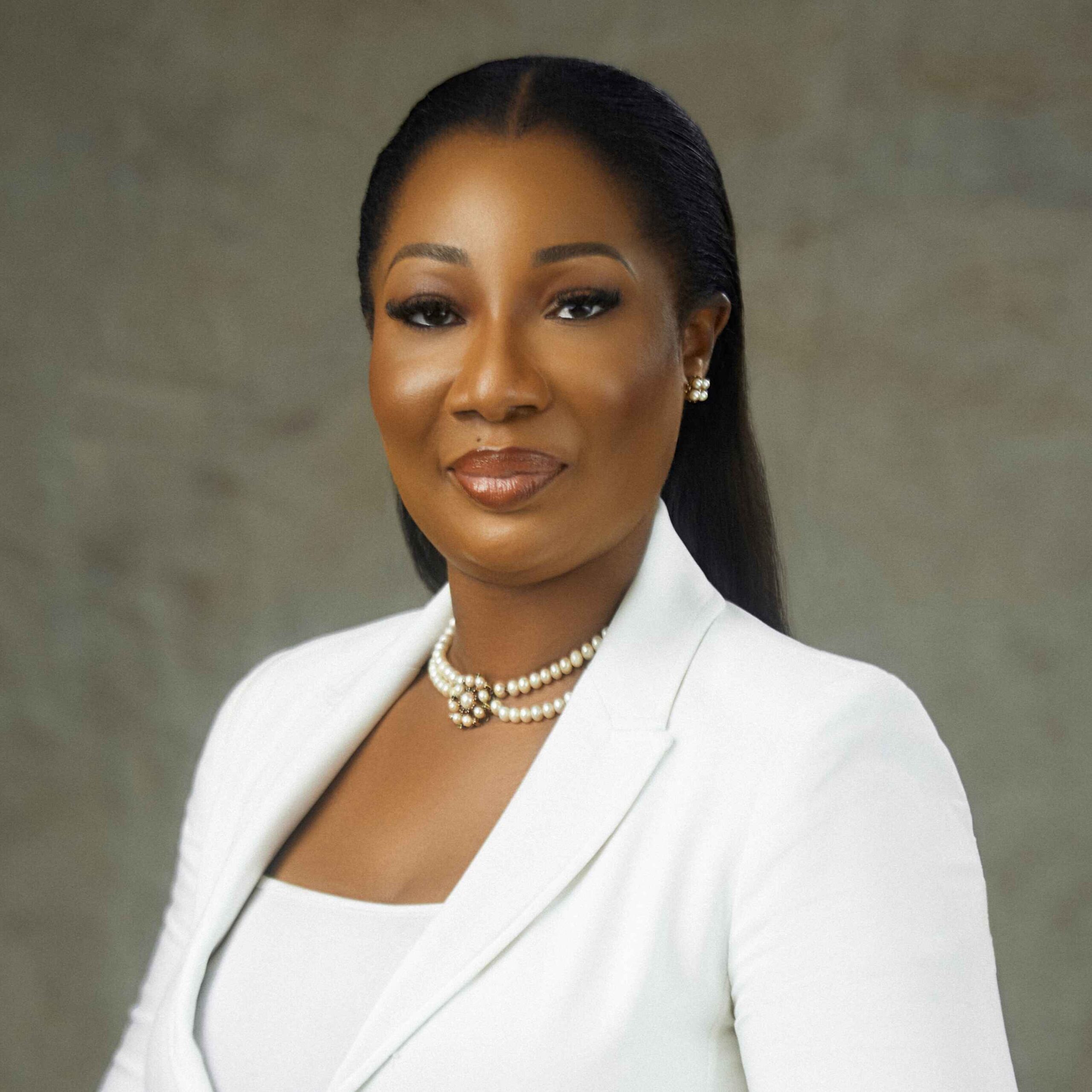
 Wola Joseph-Condotti
In every organisation, there are two boardrooms.
The visible one: with the formal agendas, rotating chairs, and documented minutes. And the invisible one: where decisions are influenced long before they are voted on. Where reputations speak before resumes. Where who you are often matters more than what you say.
As women climb the leadership ladder, we are taught to pursue titles, attain qualifications, and prove we deserve a seat. And yes, those are important. But over the years, I have learned that the most transformative leadership does not always wear a title, it builds influence.
Influence Is Often Silent but Supreme
Some of the most powerful decisions are made before the boardroom doors ever open. Over dinner tables. In strategic WhatsApp chats. In the whispered “Who do you trust?” moments behind closed doors.
And in these invisible spaces, it is not your title that speaks first. It is your credibility. Your consistency. Your character. Influence is not bestowed. It is built. And often, it is built when no one is watching.
Why Soft Power Is the New Executive Muscle
The most effective leaders understand the power of soft capital. The ability to move outcomes through trust, alignment, intuition, and relational insight. They understand how to shape culture not just through policies, but through presence.
In a world where knowledge is everywhere, and hierarchy is flattening, people follow leaders who are: Emotionally intelligent, Quietly strategic, Culturally aware, Spiritually grounded.
This is especially important for women. Many of us have led initiatives without titles, commanded respect without fanfare, and stabilised teams simply by being trustworthy. That is not weakness. That is relational governance in action.
Network Capital > Nameplates
I often say: Your real boardroom is the room where your name is spoken in your absence.
Reputational capital is not built overnight. It is deposited over time through how you show up, how you handle loss, how you empower others, and how you handle power when it is yours.
Too many women wait until they are “in position” to speak. But your position is not your permission. You do not need to be the chair to influence a direction. You just need to be present, prepared, and principled.
Cultural Fluency Matters
Leadership is not just about KPIs. It is about reading the room, understanding the unspoken codes, and knowing when to speak and when to seed.
This is the difference between a smart leader and a wise one. Smart leaders bring answers. Wise leaders bring timing, tone, and trust.
We must teach younger leaders that leadership is as much about relational dexterity as it is about domain expertise.
Esther Was Queen, but Influence Preceded Her Crown
Esther did not change a nation because of her crown. Her influence began before she had formal authority. It was in her preparation, her character, her restraint, and her discernment. She understood access was a stewardship. She did not wield it loudly. She wielded it strategically.
And through her courage and timing, a nation was saved.
That is the power of influence. It transforms outcomes without announcing itself.
Final Thoughts
Titles open doors, but influence builds rooms. Every woman in leadership must begin to value her invisible leadership muscles as much as her visible ones.
So ask yourself:
How do people experience me when I am not “on”?
Who trusts me when I am not in the room?
What decisions am I shaping through presence, not pressure?
Because long after the title fades, it is your influence that remains.
Wola Joseph-Condotti is the Group Managing Director/CEO of West Power & Gas Limited. A Harvard-trained lawyer and passionate advocate for faith-driven leadership, gender equity, and energy transition in Africa, she writes from the intersection of power, purpose, and personal growth.
Latest Edition of IWA Magazine
August 25, 2026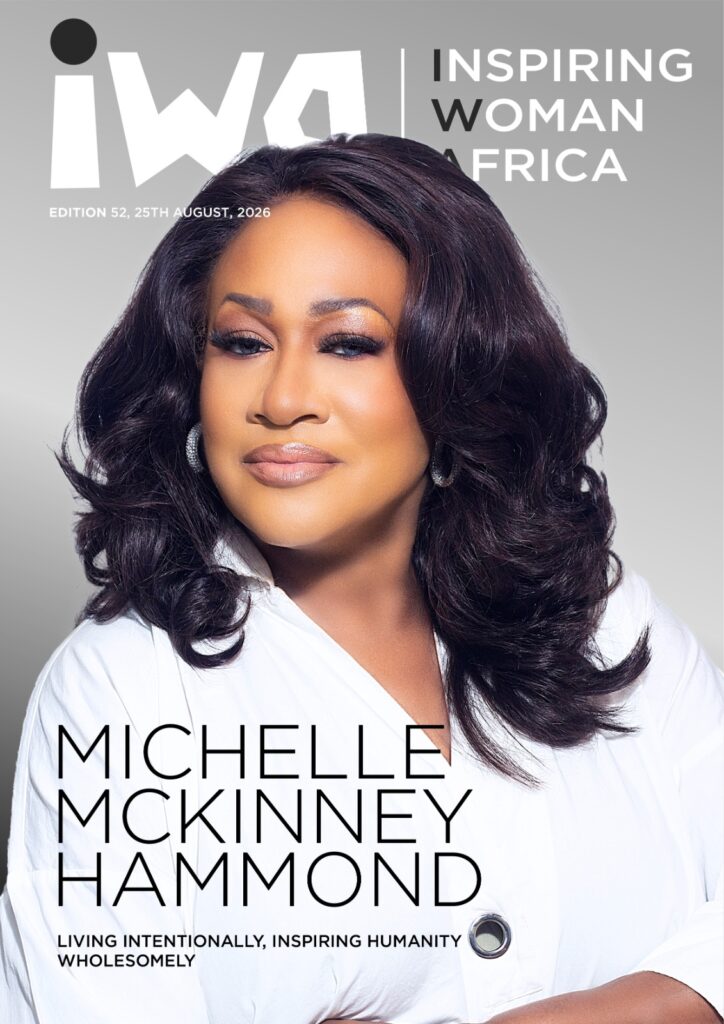
Michelle McKinney Hammond — Living Intentionally, Inspiring Humanity Wholesomely
Latest Posts
-
 Aug 25, 2026 Money Responds to Clarity