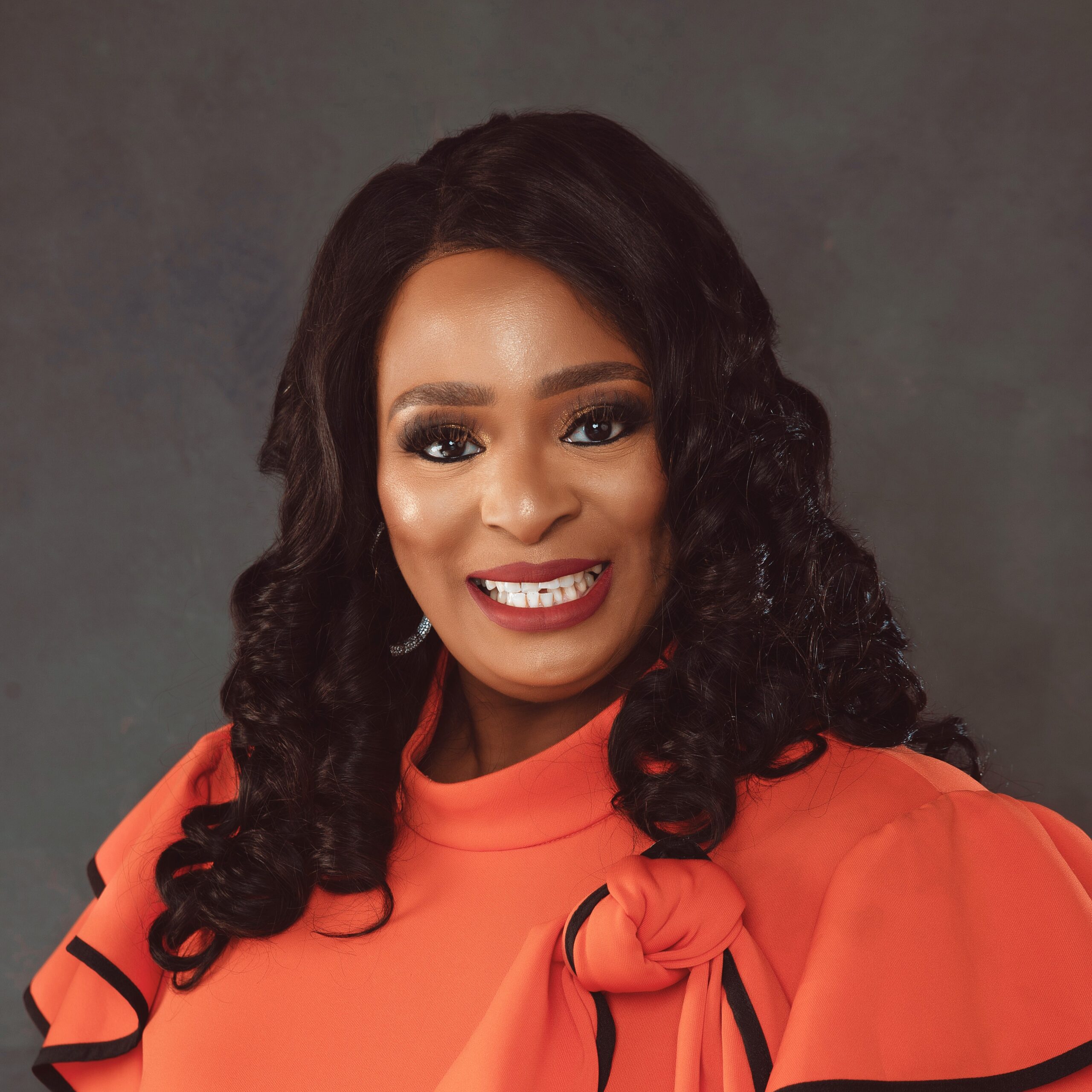
 Chinyere Okorocha
When we talk about mentorship, we often imagine something formal and structured. A seasoned professional agrees to mentor you. You meet monthly. You ask questions. They give advice. You take notes. You grow.
And yes, that kind of mentorship is powerful.
But in my own experience, not all mentorship happens through formal conversations, coaching sessions, or one-on-one guidance. Some of the most influential mentors in my career never sat across a table from me. They never reviewed my CV. They never gave me a direct pep talk. They never even knew they were mentoring me.
They mentored me from afar.
I learnt early that mentorship is not always about proximity. It’s about learning.
Years ago, early in my career, there was a woman in my office building. She was a lawyer, and she embodied everything I aspired to become. She was poised, articulate, and carried herself with a quiet confidence that made people pay attention the moment she walked into a room.
What struck me first was her presence.
She dressed with elegance that felt intentional, not loud. Long skirts and blouses, always well put together. A stylish briefcase that somehow made even the busiest day look composed. But beyond her appearance, it was the way she carried herself. Her posture, her pace, her calm. She had that rare kind of authority that doesn’t need to announce itself.
Whenever she spoke, people listened.
Men included.
And in those moments, I would catch myself pausing whatever I was doing, just to observe. Not in a nosy way, but in a curious way. I was studying her without realising it. How she entered conversations. How she disagreed without drama. How she made her point without apology. How she didn’t shrink, even in rooms that were not designed for women to take up space.
I never approached her.
We never had a mentor-mentee relationship in the traditional sense.
But I watched her.
And without even knowing it, she became my standard. My silent mentor from afar.
That experience shaped how I think about mentorship today, especially for women who feel stuck because they don’t have access to a “big mentor.” Maybe you work in an environment where senior leaders are distant. Maybe you don’t have a sponsor yet. Maybe you’ve reached out to people who never responded. Maybe you’re in a season where formal mentorship isn’t available.
I want you to know something.
You can still be mentored.
You can still learn.
You can still grow.
Because some mentorship happens through observation. Through modelling. Through intentional learning from those who inspire you.
Here are the key lessons that silent mentor taught me, without ever saying a word to me.
The first lesson was the power of presence. How you show up matters just as much as what you say. Presence is not about being flashy. It is about being intentional. It is the way you carry yourself, the confidence in your posture, the steadiness in your tone, and the energy you bring into a room. People often decide how to treat you before you even speak. Presence sets the tone.
The second lesson was commanding respect. I watched how her knowledge and confidence made people listen. She didn’t fight for attention. She earned it through competence and calm authority. She was prepared. She was articulate. She spoke with clarity. And because she respected herself, others followed suit.
The third lesson was leading with grace. Professionalism is not only about skills, it is about how you carry yourself under pressure. I watched her respond rather than react. I watched her stay composed in tense moments. I watched her handle interactions with dignity. That taught me that grace is not softness. Grace is strength under control.
And over time, those lessons became part of me. They influenced how I dressed for certain meetings, how I entered rooms, how I contributed to conversations, how I developed my own leadership presence as I advanced in my career.
She shaped the lawyer I became, from a distance.
So how do you apply mentorship from afar in a practical, intentional way?
Start by identifying your “standard.” Choose one to three people you admire. They may be in your workplace, your industry, or even on a public platform. What matters is that they represent qualities you want to develop, not just success you want to copy.
Next, observe with purpose. Don’t just admire, study. How do they speak? How do they manage pressure? How do they communicate boundaries? How do they handle conflict? How do they show confidence without arrogance? Observation becomes mentorship when it is intentional.
Then translate what you see into action. Pick one trait at a time and practice it. If it’s presence, work on how you walk into rooms and introduce yourself. If it’s communication, practice speaking with clarity and brevity. If it’s confidence, practice owning your ideas without over-explaining.
Also, collect principles, not personalities. Your goal is not to become someone else. Your goal is to learn what works and adapt it to who you are. Mentorship from afar should refine you, not replace you.
Finally, when you can, honour your mentors, even if they never mentored you directly. Sometimes a simple message like, “I’ve observed your professionalism over the years and it has inspired me,” can be meaningful. And if you don’t have access to say it, you can still honour them by becoming the kind of woman other women can learn from too.
Because one day, someone will be watching you.
Learning how you show up.
Studying how you speak.
Borrowing courage from the way you lead.
Mentorship is not always about proximity.
Sometimes, it is about paying attention.
Have you ever had a mentor from afar, someone who inspired you without even knowing it? Let’s celebrate them today.
With over three decades of experience as a trailblazer in the legal profession, Chinyere Okorocha has established herself as a leading voice in law, leadership, and career growth for women. As a partner in one of the most prestigious law firms in the country, she has not only navigated the complexities of a competitive industry but has consistently broken barriers to become a sought-after leader, mentor, and advocate for women in the workplace.
A devoted wife and proud mother of three, her career development platform, Heels & Ladders, is dedicated to mentoring and guiding women who aspire to redefine success, achieve career mastery, and lead with purpose.
The IWA Series 15 Conference is Here
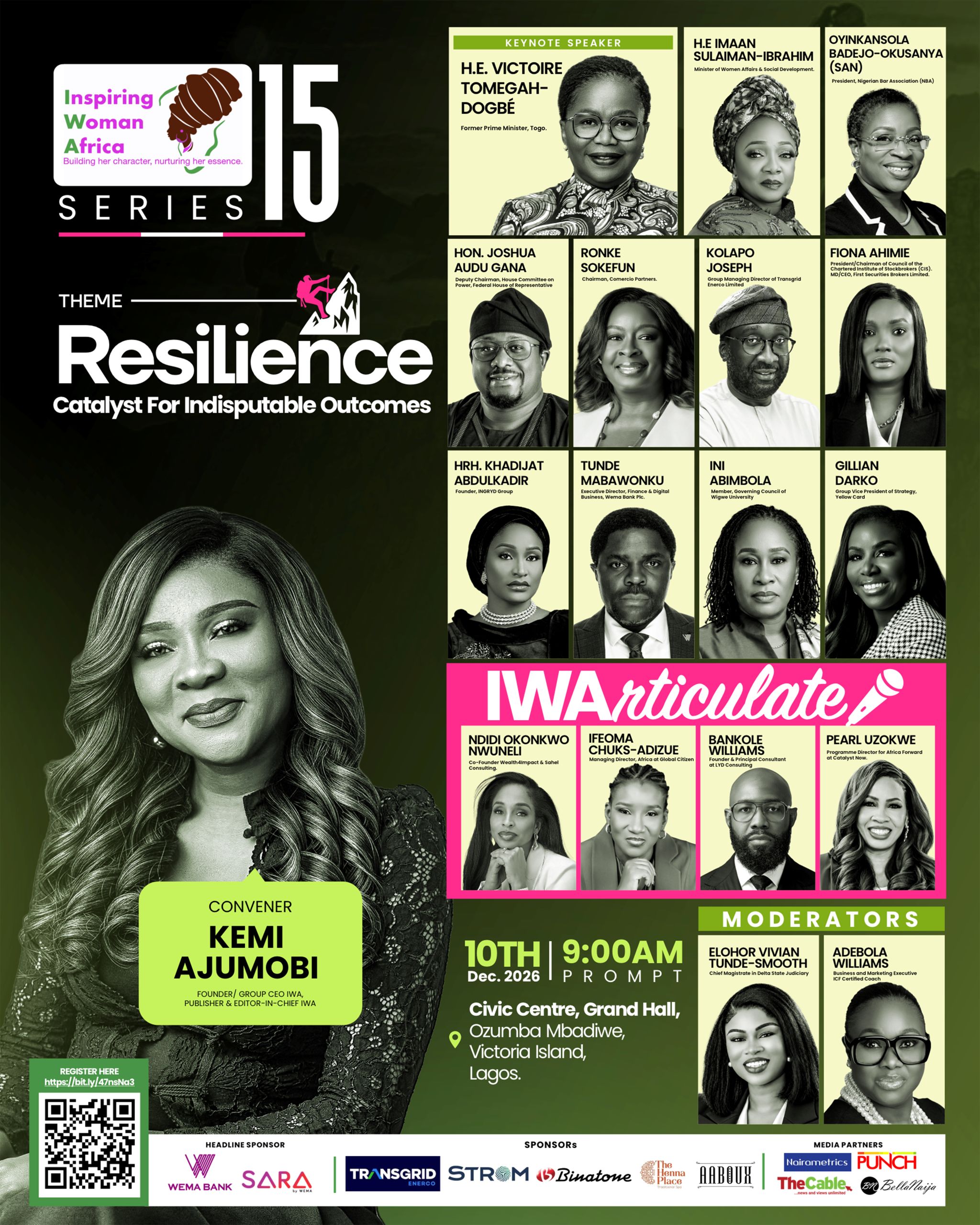
Click To Register
Latest Edition of IWA Magazine
October 20, 2026
Meet the Speakers of IWA Series 15 Conference
Latest Posts
-
 Oct 20, 2026 Hard Conversations: The Skill No One Puts on a CV
 -
 Oct 20, 2026 5 Africa Women Listed as 2026 Forbes Icons
 -
 Oct 20, 2026 You Are Wealthier Than You Think