 Dr. Maymunah Yusuf Kadiri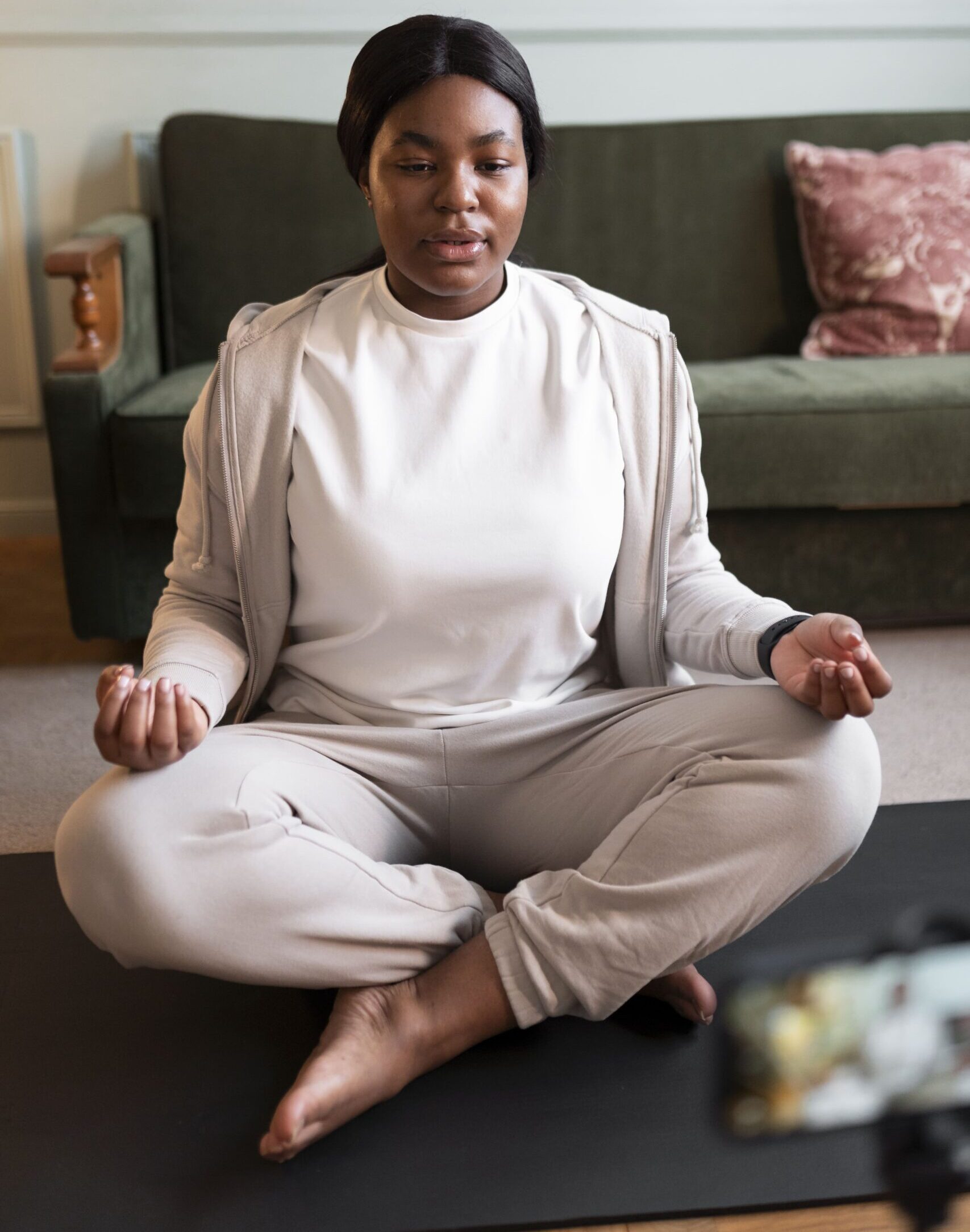
In a world that has mastered the art of compartmentalising life, we have made one of the most dangerous mistakes of modern living: separating the mind from the body. We speak of mental health as though it exists in isolation, and physical health as though it operates independently. But the human experience does not work that way. The body and mind are not separate systems, they are one continuous conversation. So, when one suffers, the other listens.
Consider the story of a young woman navigating the quiet storm of anxiety and self-doubt. On the surface, her life appeared normal—productive, connected, and full of potential. Yet internally, she was battling constant comparison, emotional exhaustion, and a growing sense of inadequacy shaped by the digital world around her.
What she was experiencing was not uncommon. It was a reflection of a generation living in overstimulation, constant comparison, and emotional overload. But what changed her story was not just therapy—it was integration.
She was introduced to movement—not as punishment, but as healing. What began as simple walks and structured exercise gradually became something deeper. With consistency, her thoughts softened. Her emotions became more manageable. Her body, once tense and overwhelmed, began to feel lighter. And in that shift, she discovered something powerful: healing is not just psychological, it is physiological.
This is the foundation of holistic living. The connection between mental and physical health is not theoretical, it is biological. When the mind is under stress, the body responds. Muscles tighten. Sleep is disrupted. Hormones shift. Cortisol levels rise, keeping the body in a prolonged state of alertness. Over time, this can lead to fatigue, weakened immunity, and a range of chronic health conditions.
Conversely, when the body is engaged in movement, something equally powerful happens in the mind. Physical activity reduces stress hormones and stimulates the release of endorphins—natural chemicals that elevate mood, improve emotional resilience, and create a sense of wellbeing. It is not just about feeling better; it is about functioning better.
Movement also plays a critical role in regulating sleep, one of the most overlooked pillars of health. When the body is active, it supports the natural rhythm that governs rest and wakefulness, allowing for deeper, more restorative sleep. And with better sleep comes improved cognitive function, emotional stability, and overall performance.
The conversation must go beyond exercise as an isolated act. Holistic wellbeing is not built on occasional bursts of motivation. It is built on integration, how movement, rest, nutrition, emotional awareness, and social connection come together to support the whole person. It is not about perfection, but consistency. Not about intensity, but sustainability.
One of the greatest barriers people face is not lack of knowledge, but lack of alignment. Busy schedules, limited resources, and competing priorities often push wellbeing to the margins. Yet, the cost of neglect is far greater than the effort of integration. The solution is not to find more time, but to rethink how time is used.
Movement can be woven into daily life—walking during calls, stretching between tasks, choosing active routines over passive ones. Emotional wellbeing can be supported through intentional pauses, meaningful conversations, and reduced digital overload. These are not drastic changes; they are deliberate choices.
Equally important is the role of community. Healing is amplified in environments where people feel supported, understood, and connected. Whether in families, workplaces, or social circles, the presence of others can significantly influence both mental and physical outcomes. We do not just live individually, we heal collectively.
What this ultimately reveals is a simple but profound truth: health is not a destination. It is a daily experience shaped by how we think, move, connect, and live.
The idea that one can achieve physical fitness while neglecting mental wellbeing or vice versa is not only outdated, but also unsustainable. True health requires alignment. It demands that we stop treating symptoms in isolation and start understanding the systems that produce them.
This is because in the end, the body does not forget what the mind endures, and the mind cannot thrive in a body that is neglected. Holistic living is not a trend. It is a return to what has always been true. That you are not two separate parts trying to function independently. You are one system, and healing begins when you start treating yourself that way.
Dr. MAYMUNAH YUSUF KADIRI (aka DR. MAY) popularly referred to as “The Celebrity Shrink,” is a multiple award winning Mental Health Physician, Advocate & Coach. She is the convener of “The Mental Health Conference” and the Medical Director and Psychiatrist-In-Chief at Pinnacle Medical Services, Dr. Kadiri is a dynamic Consultant Neuro-Psychiatrist and a Fellow of the National Post Graduate Medical College of Nigeria (FMCPsych) with almost 20 years’ experience as a practicing Physician.
Latest Edition of IWA Magazine
September 29, 2026
SETUTSI GOKA IVOWI, Visionary Builder of Intra‑African Trade
Latest Posts
-
 Sep 29, 2026 UNGA81: What is the Agenda for Women?
 -
 Sep 29, 2026 Three Roads to Wealth. Same Destination
 -
 Sep 29, 2026 When Will Abuse, Violence Against Women Stop?