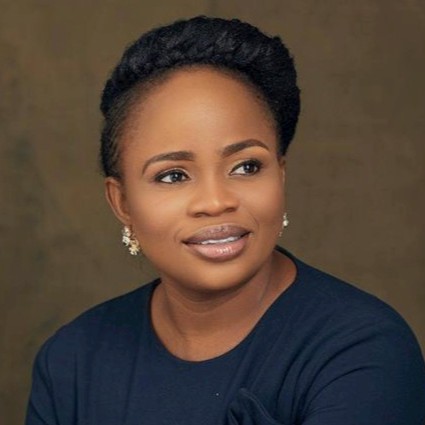
 Sola Adesakin
Financial literacy for Nigerian women is no longer just a personal goal. It is a structural opportunity with a deadline.
We are four years away from 2030. That is approximately 48 salary payments, 16 quarters of opportunity, or, if you prefer, the time it took most of us to finish from the University. In the context of your financial life, four years is both very little and more than enough. The question is: what do you do with it?
There is a particular kind of urgency that the global conversation around women and finance is creating right now. Institutions like the International Finance Corporation and the African Development Bank have been consistent in their reporting: the gender financing gap in sub-Saharan Africa is not closing fast enough, and one of the biggest reasons is not the absence of opportunity. It is the absence of fluency. Women who understand financial systems are entering them. Those who do not are watching from outside.
So what does financial literacy actually look like in 2026, and what should it look like by 2030?
It starts with understanding that literacy is not a static state. Knowing how to save is not the same as knowing how to build wealth. Understanding compound interest is not the same as understanding how a money market fund works, or what it means when inflation erodes your naira-denominated savings. The financial world is moving, and your education needs to move with it.
The practical starting point is mapping what you already know. Many Nigerian women have significant financial experience, managing household budgets, running businesses, navigating informal savings structures like ajo and esusu. That is not ignorance. That is a foundation. The work is translating that lived experience into formal financial vocabulary, so it gives you access to more: credit, investment, insurance, long-term planning.
Learning, concretely, means committing to one new financial concept per month. Not a course, not a certification, just one concept made real in your life. This month, understand how your pension fund (PFA) actually allocates your contributions. Next month, learn the difference between a term deposit and a treasury bill, and what your actual return is after inflation. The month after, understand what a budget deficit looks like in your personal accounts and what it signals about where you are going.
The opportunities between now and 2030 are specific. Nigeria’s capital markets are deepening. The SEC has been working to democratise retail investing. Platforms that allow Nigerians to buy dollar-denominated assets are operating legally. Agricultural investment vehicles, real estate investment trusts, and SME-linked bonds are all expanding. None of these will find you. You have to be financially literate enough to recognise them when they arrive.
Executing financial education also means choosing your environment deliberately. Who are you learning with? Peer groups that discuss money seriously change your financial behaviour faster than any app or course. If your current circle does not talk about money in any meaningful way, that is something to address, not accept.
The women who will be financially stable in 2030 are not the ones who got lucky. They are the ones who started paying attention in 2026, who treated their financial education with the same seriousness they gave their professional careers, their children’s schooling, their health.
Four years. Start this week.
Sola Adesakin is a highly respected wealth coach and chartered accountant with over two decades of transformative impact in the finance industry. As the visionary founder of Smart Stewards Financial Advisory Limited and Smart Stewards Advisory LLC, she has revolutionized the financial wellbeing of countless individuals and businesses across 40 countries. Her methodical approach to ‘make-manage-multiply’ money principles has elevated many from financial stress to prosperity, and mediocrity to exceptional achievement.
The IWA Series 15 Conference is Here
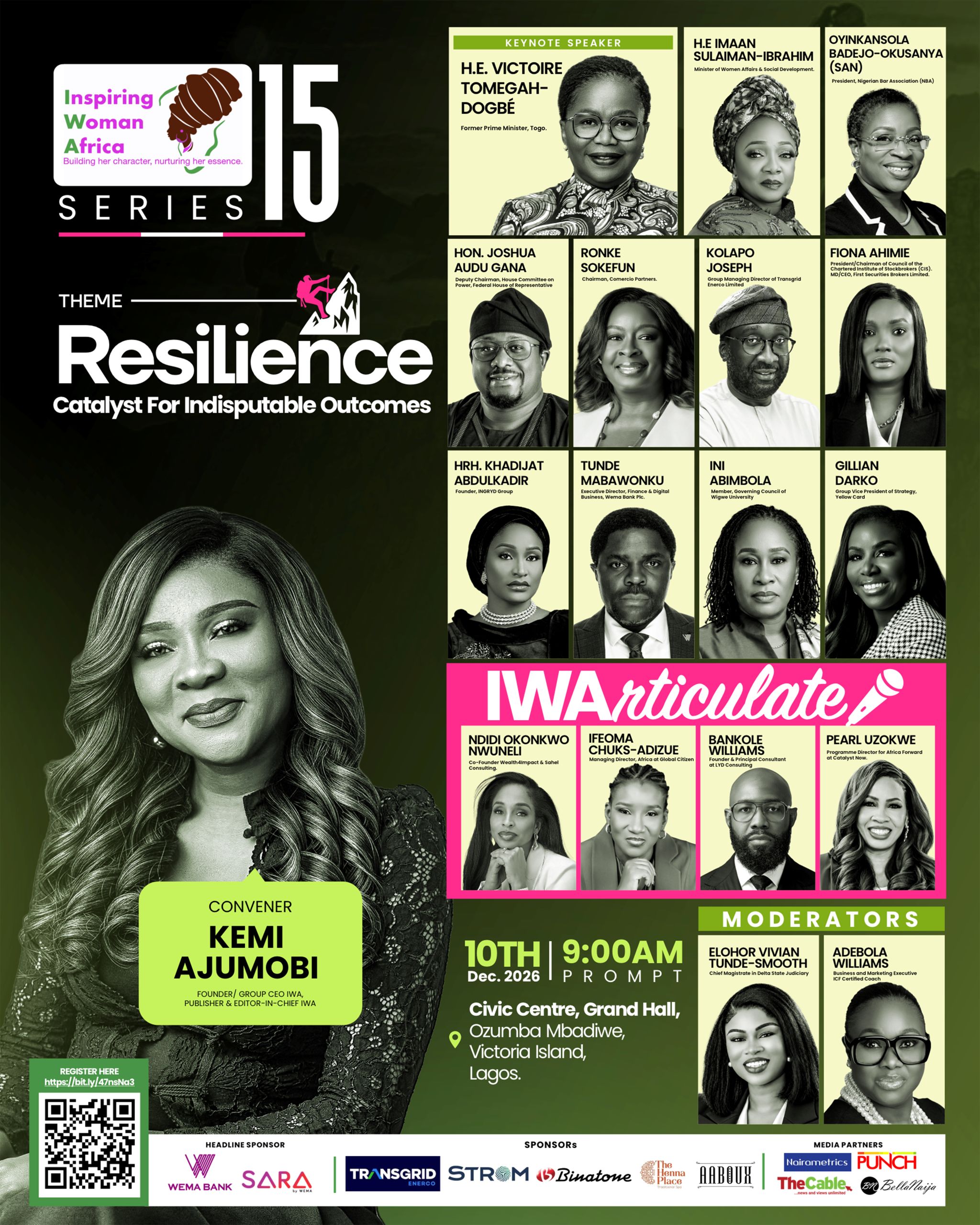
Click To Register
Latest Edition of IWA Magazine
October 20, 2026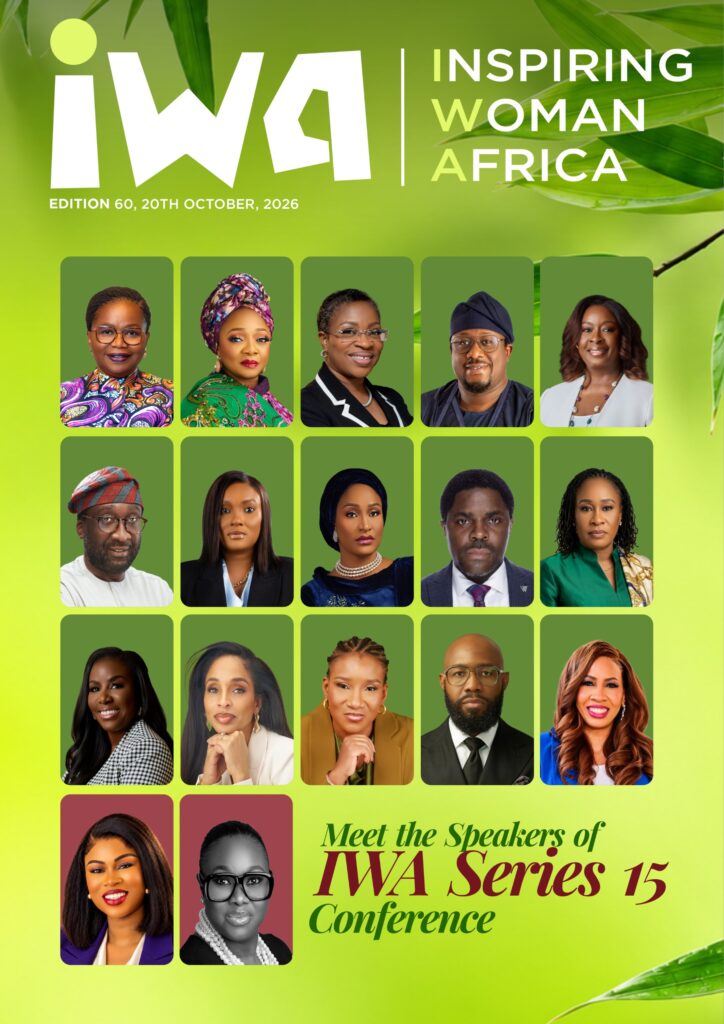
Meet the Speakers of IWA Series 15 Conference
Latest Posts
-
 Oct 20, 2026 Hard Conversations: The Skill No One Puts on a CV
 -
 Oct 20, 2026 5 Africa Women Listed as 2026 Forbes Icons
 -
 Oct 20, 2026 You Are Wealthier Than You Think