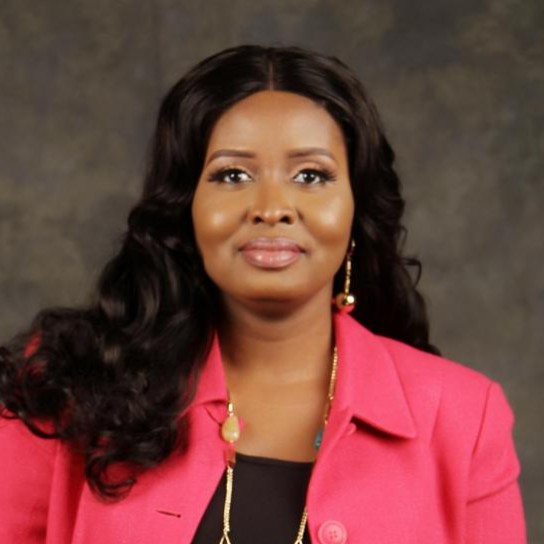
 Dr. Asmau Benzies Leo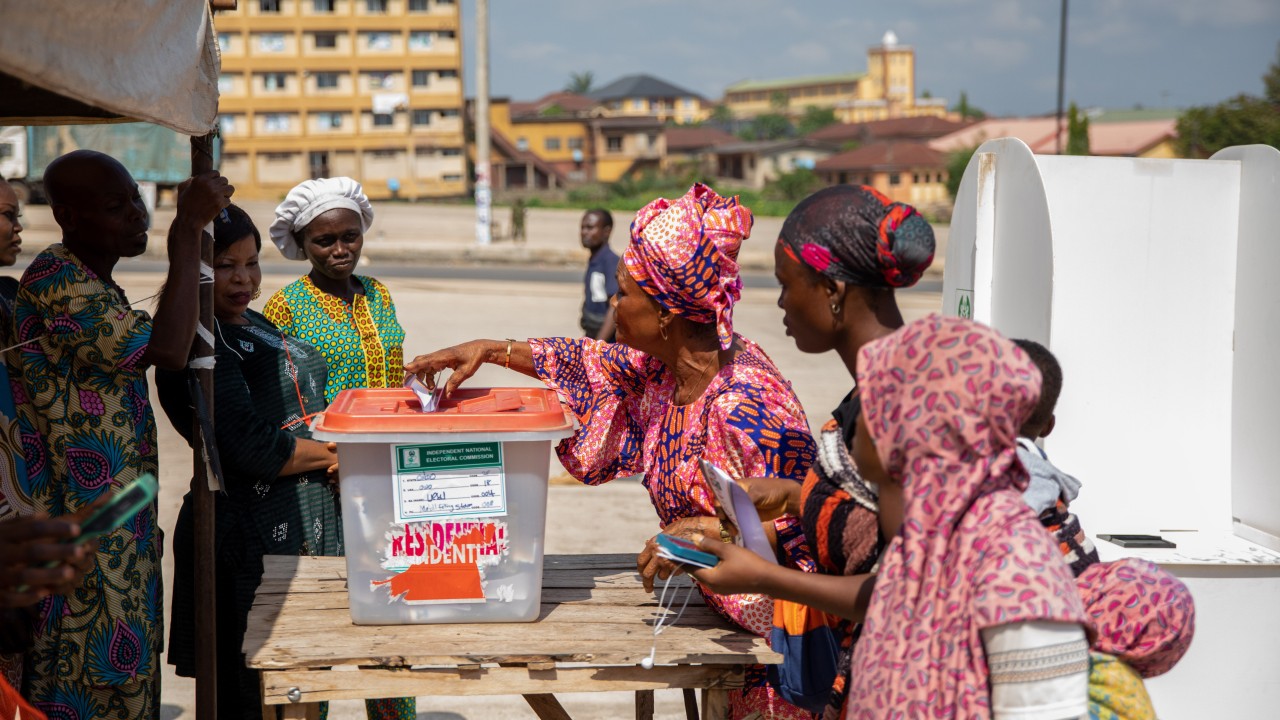
As Nigeria edges toward the 2027 general elections, recent political party conventions particularly those of the All Progressives Congress (APC) and the African Democratic Congress (ADC) have quietly revealed a deeper truth about the future of women in politics: progress is being discussed, but power is still being withheld.
This is because the numbers remain troubling. Women currently occupy less than 5% of seats in Nigeria’s National Assembly, placing the country among the lowest globally for female political representation. This chronic underrepresentation is not due to lack of participation, but rather the structures through which power is negotiated, structures that recent party conventions have once again laid bare.
At the APC’s 2026 National Convention, which drew over 8,000 delegates and top political actors, the optics of inclusion contrasted sharply with the reality of exclusion. Women were present, active, and visible in mobilization and attendance. Yet, when it came to decision making moments, they were largely absent. Notably, there was no woman assigned to move motions during proceedings, a symbolic but telling indicator of marginalisation at the highest levels of party engagement. (Nigerian Democratic Report)
Even the First Lady, Oluremi Tinubu, publicly questioned this imbalance, highlighting the absence of women in key procedural roles and calling for corrective action. The response? Assurances from party leadership, reflects a familiar pattern: recognition without immediate reform.
These implications are significant. Party conventions are not mere ceremonial gatherings; they are where internal hierarchies are solidified, alliances formed, and future candidacies shaped. When women are excluded at this stage, it signals a structural disadvantage heading into elections.
The ADC on the other hand presents a more complex, though still incomplete, picture. In the lead up to its 2026 convention, the party’s constitutional review committee proposed 30% representation for women and 20% for youth within its structures. This is a notable departure from the status quo and aligns more closely with Nigeria’s National Gender Policy target of 35% affirmative action.
Additionally, party leadership has publicly referenced even more ambitious commitments, including up to 40% reserved positions for women within party frameworks. These proposals if truly implemented would position the ADC as a potential reformist platform, particularly as it seeks to consolidate opposition forces ahead of 2027.
However, the critical question is whether these commitments translate into actual power. Historically, Nigerian political parties have often created “women’s wings” or symbolic roles that exist outside the core decision making structure. Early indications suggest that while the ADC is attempting to differentiate itself, the full integration of women into strategic leadership positions remains uneven.
Across both parties and indeed the broader political landscape, a consistent pattern emerges: women are mobilisers, not power brokers. This dynamic offers a crucial lens for predicting the 2027 electoral outcome.
Three insights stand out. First, party structures will determine electoral outcomes more than voter sentiment. Even if public support for women candidates grows, the gatekeeping role of party conventions where tickets are negotiated and candidates selected still remains the decisive barrier. The marginalisation observed in the APC convention suggests that, without reform, women’s representation may stagnate.
Second, reformist signals from smaller or emerging coalitions like the ADC could reshape the field, but only if institutionalised. With high profile political realignments positioning the ADC as a potential coalition platform for 2027, its internal commitment to gender inclusion could influence broader party competition. If the ADC successfully embeds quotas and elevates women into winnable positions, it may pressure dominant parties to follow suit.
Third, symbolic inclusion is no longer sufficient. The contrast between rhetoric and reality at recent conventions has sharpened scrutiny from civil society, media, and even internal party actors. This growing accountability environment may force incremental changes, particularly in response to public criticism and advocacy.
Yet, the structural constraints remain formidable: high campaign costs, political violence, and entrenched patriarchal norms continue to limit women’s advancement. Without targeted reforms, such as reduced nomination fees, enforceable quotas, and secure electoral environments, progress will remain slow.
Looking ahead to 2027, the evidence from party conventions points toward a cautious projection. Women’s representation is likely to increase modestly, but not dramatically, unless there is a significant policy breakthrough such as the passage of the reserved seat legislation. The most probable scenario is an incremental rise to between 6–10% representation, driven by advocacy and shifting public attitudes but constrained by party gatekeeping.
However, there is also a quieter transformation underway. Younger voters, urban constituencies, and civil society movements are increasingly challenging traditional political norms. If this momentum converges with institutional reforms, particularly within parties like the ADC, the 2027 elections could mark the beginning of a more substantive shift.
For now, the message from Nigeria’s political conventions is clear: women are present, prepared, and pushing, but the doors to power are only slightly ajar.
Whether they open wider in 2027 will depend not on promises made on convention floors, but on decisions taken behind closed doors.
Dr. Asmau Benzies Leo is a development practitioner with extensive national and international expertise in gender equality, peace-building, governance, and humanitarian action. She holds a PhD in Public Governance and Leadership, a Master’s degree in Conflict Management and Peace Studies, and executive certifications from leading institutions including Howard University, Harvard University and Glasgow Caledonian University. As Executive Director of the Centre for Non-violence and Gender Advocacy in Nigeria (CENGAIN), she has led ground-breaking advocacy initiatives on women’s political participation, gender-based violence prevention, and security sector reform across multiple World Bank, UN and EU-supported projects.
The IWA Series 15 Conference is Here
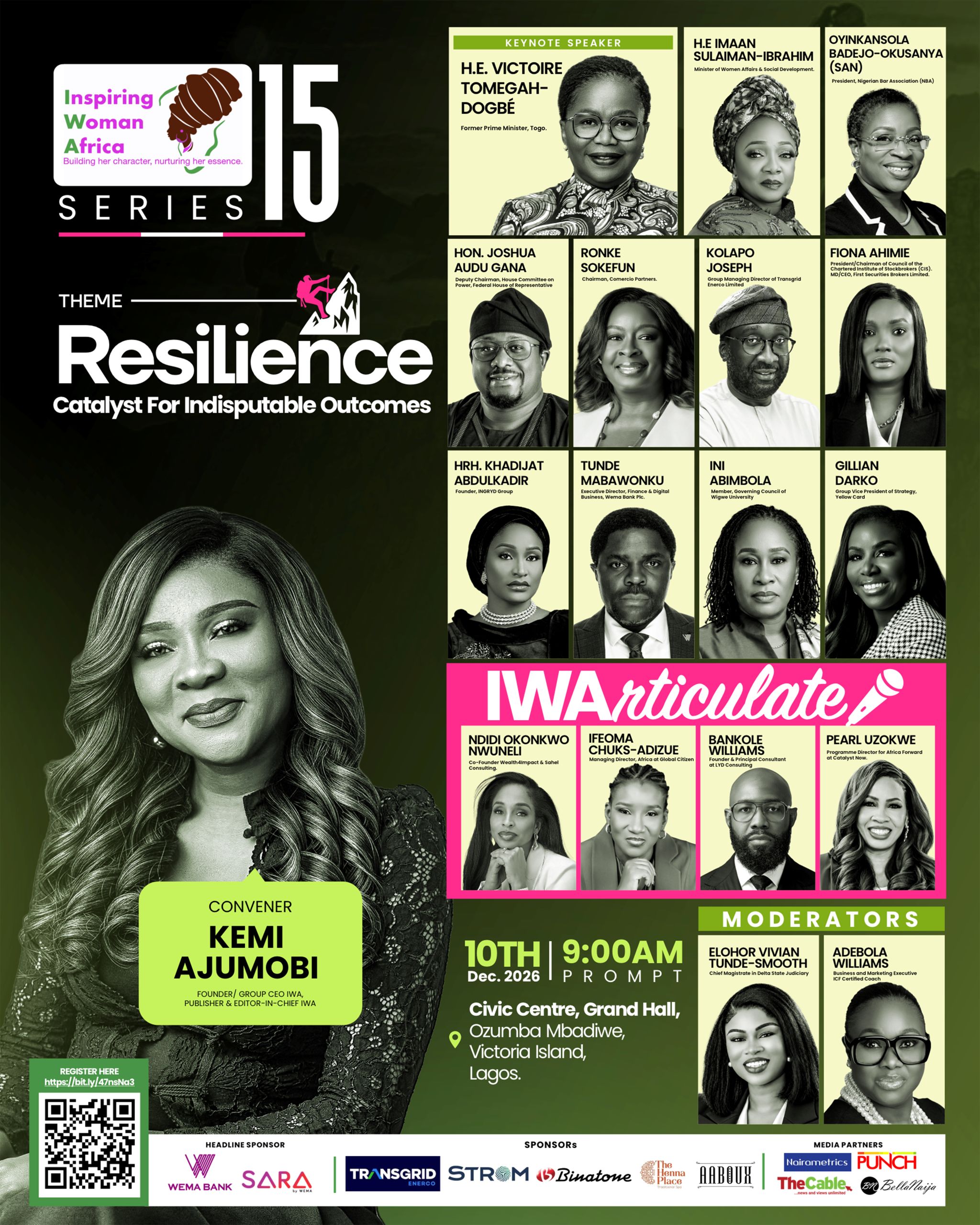
Click To Register
Latest Edition of IWA Magazine
October 20, 2026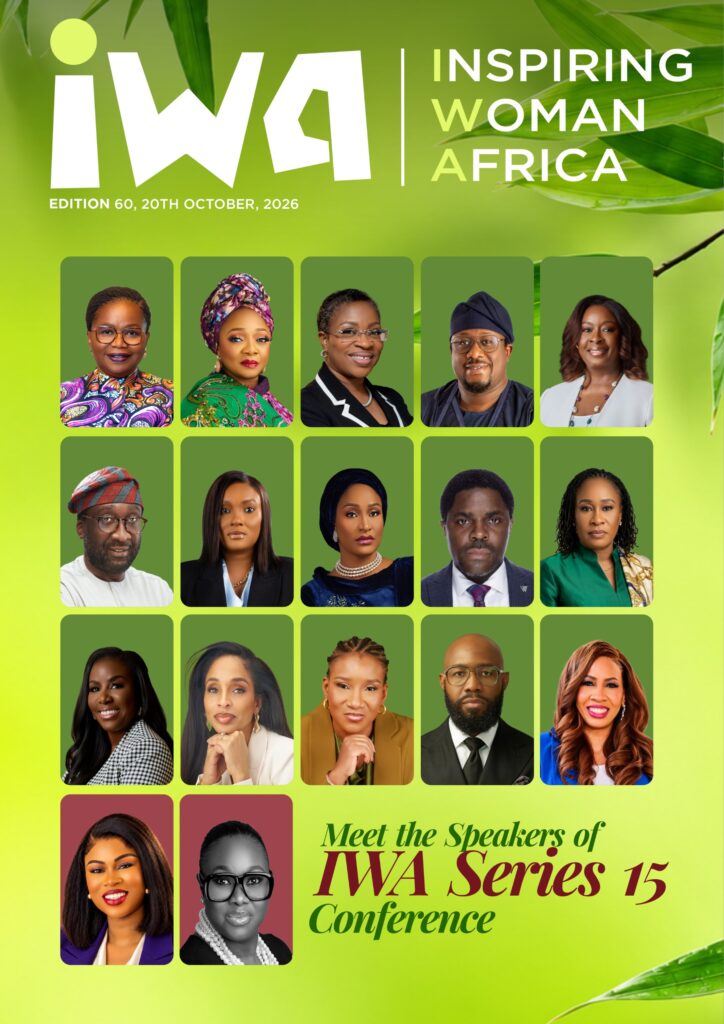
Meet the Speakers of IWA Series 15 Conference
Latest Posts
-
 Oct 20, 2026 Hard Conversations: The Skill No One Puts on a CV
 -
 Oct 20, 2026 5 Africa Women Listed as 2026 Forbes Icons
 -
 Oct 20, 2026 You Are Wealthier Than You Think