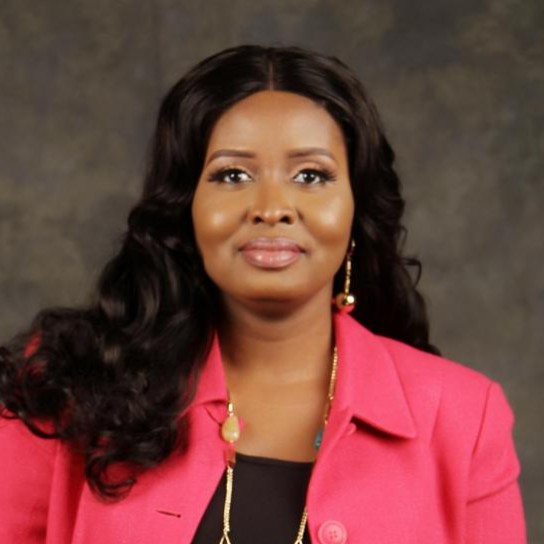
 Dr. Asmau Benzies Leo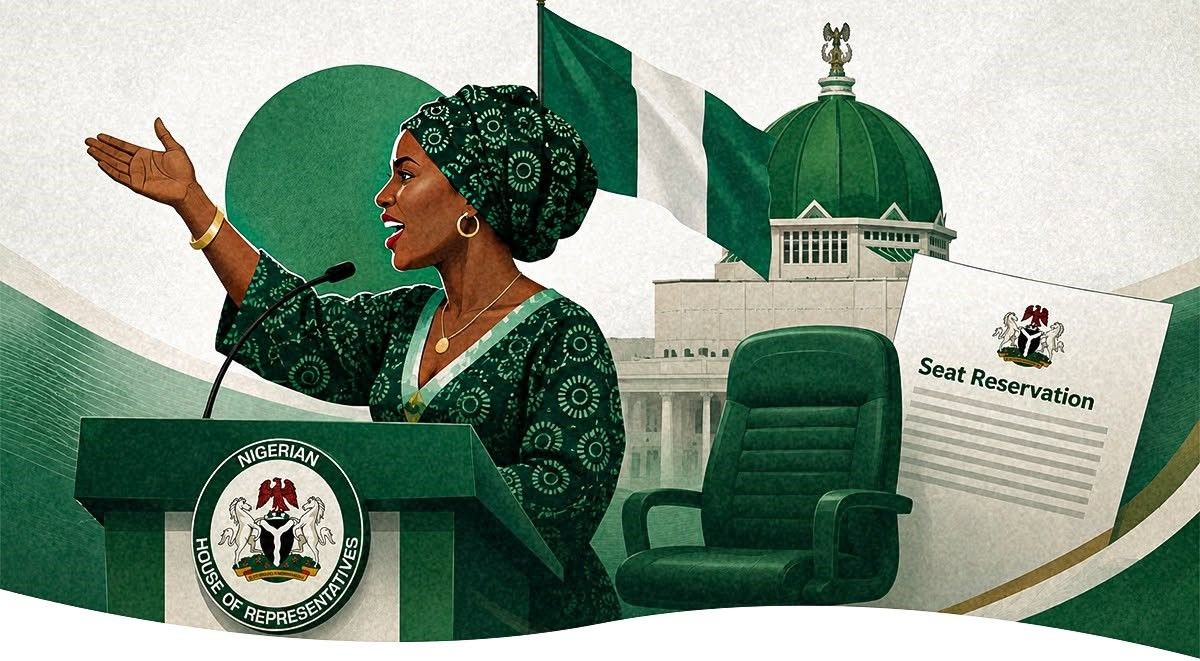
As Nigeria advances toward a critical stage in its constitutional reform process, the proposed Women’s Special Seats Bill- House Bill (HB) 1349, has reignited national debate on how best to address the persistent underrepresentation of women in elective office. With legislative voting on constitutional amendment bills imminent and the National Assembly Open Week commencing today, 14 July 2026, alongside a dedicated Gender Day Session on 15 July 2026, the urgency for consensus and clarity has never been greater. At the heart of the debate lies the proposed Electoral College Model for selecting women into these additional seats, an idea that presents both promise and significant risk.
Nigeria’s current representation of women in politics remains among the lowest globally, with less than 5% female presence in the National Assembly. This is not due to a lack of qualified women but rather entrenched structural barriers, including high campaign costs, political violence, exclusionary party systems, and deeply rooted patriarchal norms. The Women’s Special Seats Bill is therefore a necessary corrective mechanism. However, the effectiveness of this intervention will depend largely on how representatives are selected.
Supporters of the Electoral College Model argue that it offers a practical workaround to Nigeria’s deeply flawed electoral terrain. By allowing a body of selected electors to choose women representatives, the model could significantly reduce the financial and physical risks associated with contesting open elections. Women who might otherwise be excluded due to limited access to funding or political structures could find a pathway into governance.
Additionally, by minimising exposure to electoral violence and intimidation, the system may create safer opportunities for capable women to emerge as leaders.
Despite these potential benefits, the model raises fundamental concerns about power, legitimacy, and accountability. One of the most critical risks is the likelihood of elite capture. Nigeria’s political system is heavily dominated by influential male politicians who control party structures and decision making processes. In such a context, there is a high probability that these powerful actors will hijack the Electoral College system to serve their interests.
Rather than promoting merit-based selection, the process could be manipulated to nominate women who are politically compliant, essentially “stooges” who owe their positions to male political patrons. These women may lack independence and may be unable or unwilling to challenge the status quo or advocate meaningfully for gender equality. This would not only defeat the purpose of the Special Seats initiative but could also reinforce existing gender inequalities under the guise of inclusion.
Furthermore, this dynamic risks sidelining grassroots women leaders, activists, and professionals who possess the competence, experience, and commitment to serve but lack access to elite political networks. The exclusion of these voices would undermine the diversity and representativeness that the Bill seeks to promote.
Another major concern is the issue of legitimacy. Representatives selected through an Electoral College, particularly one perceived as controlled by political elites, may struggle to gain public trust. Unlike directly elected officials, they may not feel accountable to the broader electorate. This disconnect could weaken their effectiveness and limit their ability to champion policies that genuinely reflect the needs of Nigerian women.
Transparency also remains a significant challenge. Without clearly defined guidelines on how the Electoral College will be constituted, how electors will be selected, and what criteria will be used to choose candidates, the process could become opaque and vulnerable to manipulation. In a country where public trust in political institutions is already fragile, such opacity could generate skepticism and resistance.
It is important to note that the constitutional amendment process itself is at a decisive stage, with adoption timelines expected within the current legislative cycle. As stakeholders engage during the National Assembly Open Week today and the Gender Day Session tomorrow, 15 July 2026, these concerns must be addressed with urgency and clarity to ensure that the reform achieves its intended impact.
While the Electoral College Model is not without merit, its success depends on deliberate safeguards and thoughtful design. To this end, the Constitutional Amendment Committee must take decisive steps to strengthen the framework.
First, the composition of the Electoral College must be broadened beyond political party actors. It should include credible representatives from civil society, women’s rights organizations, professional bodies, academia, and marginalised groups. This will help dilute the influence of political elites and ensure a more balanced and inclusive selection process.
Second, clear, transparent, and merit-based criteria for candidate selection must be established. These criteria should emphasise competence, integrity, track record, and commitment to advancing gender equality. Public disclosure of candidates and the selection process will further enhance accountability.
Third, safeguards must be introduced to prevent undue political interference. This could include independent oversight mechanisms, possibly involving the electoral management body or a neutral multi-stakeholder committee, as well as strict conflict-of-interest rules for electors.
Fourth, accountability mechanisms must be institutionalised. Women selected through this process should be required to engage regularly with citizens through town halls, constituency dialogues, and public reporting. This will help bridge the gap between appointed representatives and the broader population.
Finally, the Electoral College Model should be framed as a temporary, transitional mechanism rather than a permanent feature. The ultimate objective must remain the full and equal participation of women in direct electoral politics. Complementary reforms, such as enforcing party level gender quotas, reducing nomination fees, providing campaign financing support, and addressing electoral violence, must be pursued simultaneously.
In conclusion, the Electoral College Proposal within the Women’s Special Seats Bill stands at a crossroads between opportunity and risk. While it offers a potential pathway to accelerate women’s inclusion in governance, it also carries the danger of being co-opted by entrenched political interests. Without strong safeguards, it may produce symbolic representation rather than substantive change.
Therefore, as Nigeria moves toward adopting constitutional amendments, stakeholders must ensure that this model is not only politically feasible but also just, transparent, and truly transformative for Nigerian women.
About Author
Asmau Benzies Leo
Dr. Asmau Benzies Leo is a development practitioner with extensive national and international expertise in gender equality, peace-building, governance, and humanitarian action. She holds a PhD in Public Governance and Leadership, a Master’s degree in Conflict Management and Peace Studies, and executive certifications from leading institutions including Howard University, Harvard University and Glasgow Caledonian University. As Executive Director of the Centre for Non-violence and Gender Advocacy in Nigeria (CENGAIN), she has led ground-breaking advocacy initiatives on women’s political participation, gender-based violence prevention, and security sector reform across multiple World Bank, UN and EU-supported projects.
The IWA Series 15 Conference is Here
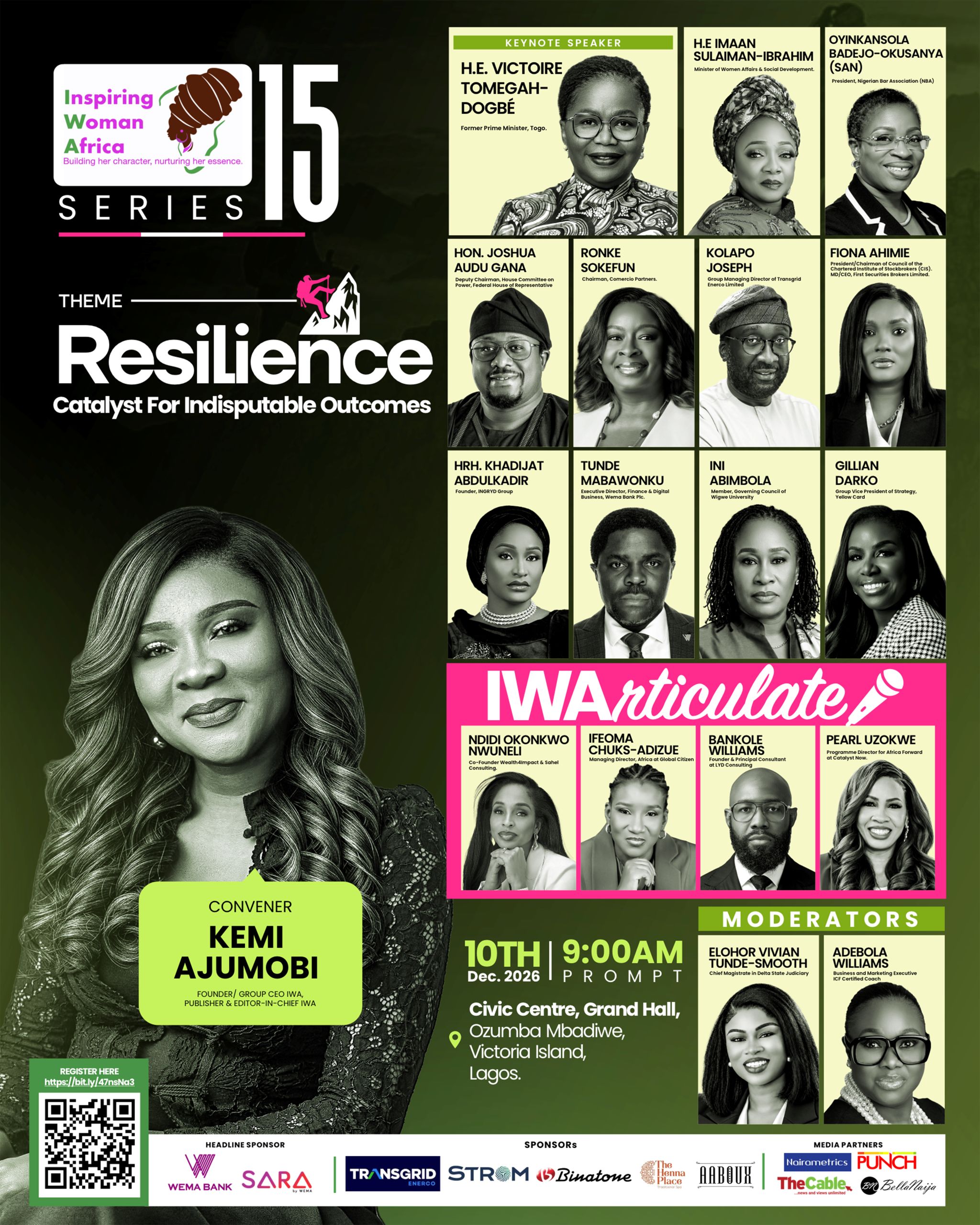
Click To Register
Latest Edition of IWA Magazine
October 20, 2026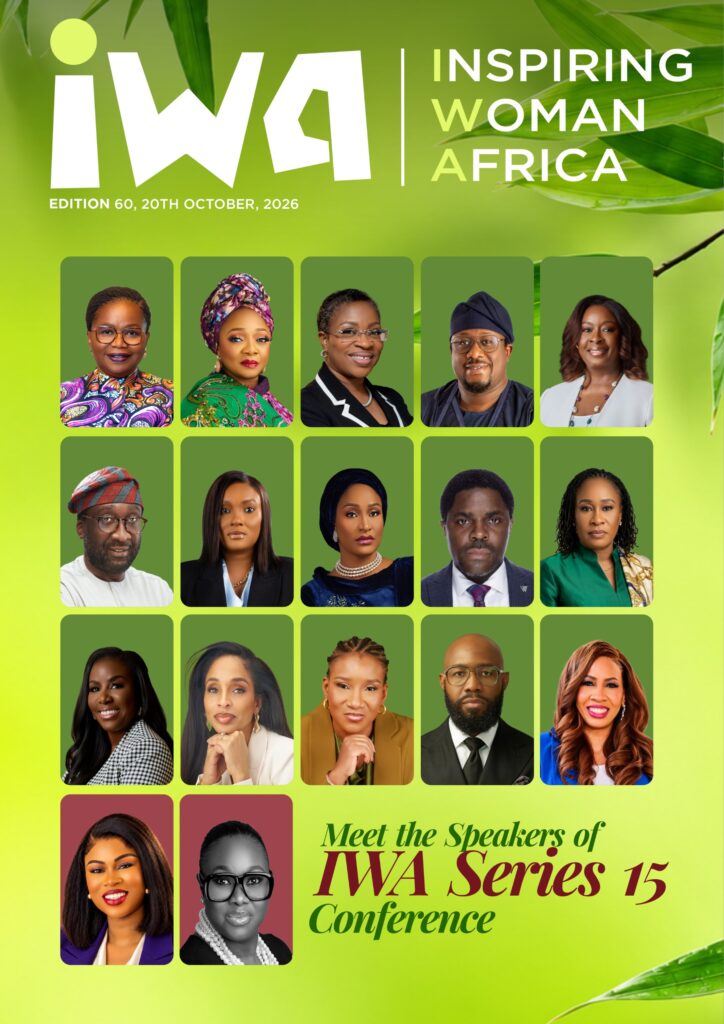
Meet the Speakers of IWA Series 15 Conference
Latest Posts
-
 Oct 20, 2026 Hard Conversations: The Skill No One Puts on a CV
 -
 Oct 20, 2026 5 Africa Women Listed as 2026 Forbes Icons
 -
 Oct 20, 2026 You Are Wealthier Than You Think