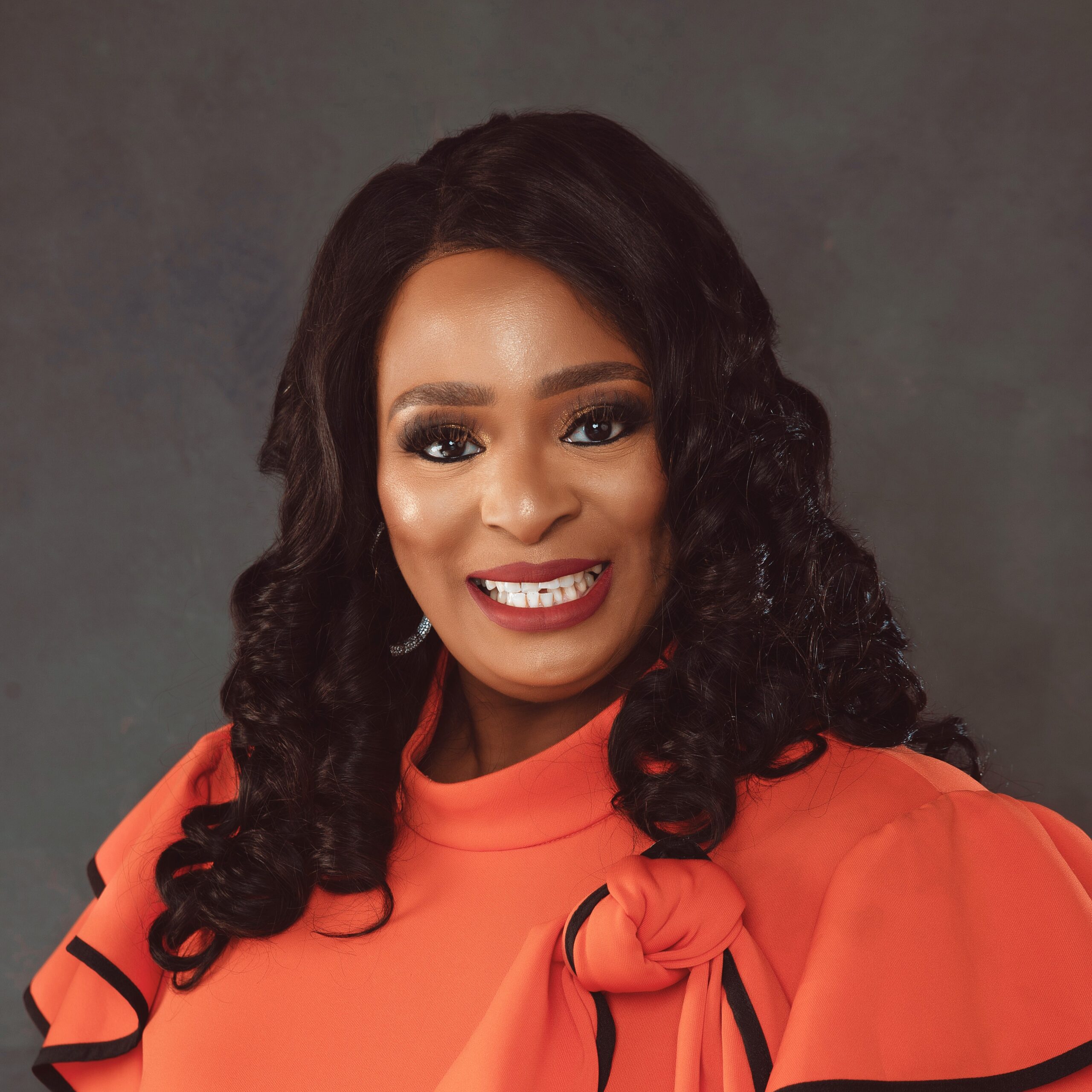
 Chinyere Okorocha
One of the most persistent misconceptions in discussions about women’s career advancement is the belief that men and women are somehow on opposing sides of the workplace equation.
In some circles, there is an underlying assumption that women must navigate their careers despite men, rather than with them. That career progression is largely about overcoming male gatekeepers, competing against male colleagues, or creating women-only pathways to success.
While there is no denying that women continue to face challenges in the workplace, my own experience over the past three decades has taught me something different and, perhaps, more empowering.
Many of the opportunities, promotions, leadership positions, board appointments, speaking engagements, client introductions, and professional recognitions I have received throughout my career came because someone recommended me when I wasn’t in the room.
And very often, that person was a man.
Looking back, I can identify male mentors who offered guidance, senior colleagues who gave me opportunities beyond my level of experience, clients who trusted me with significant mandates, and industry leaders who recommended my name for positions and opportunities that ultimately accelerated my career.
None of them handed me success.
I still had to prove myself. I still had to do the work. I still had to deliver results.
What they provided was access, visibility, advocacy, and belief.
And that made all the difference.
The Difference Between Mentors, Sponsors and Champions
One of the lessons I wish more women understood earlier in their careers is that success is rarely achieved alone.
We often hear a great deal about mentorship, and rightly so.
Mentors advise us.
Coaches develop us.
But sponsors and champions do something different.
Sponsors speak about us when opportunities arise.
Champions actively open doors, make introductions, and advocate for our advancement.
Many women spend years looking for mentors while overlooking the importance of cultivating sponsors and champions.
The truth is that some of the most transformative opportunities in your career will come from people who are willing to use their influence on your behalf.
And in many industries, a significant number of those people are men.
Women’s Career Growth Is Not About Building Walls, It Is About Building Bridges.
One of the most important mindset shifts women can make is recognising that career growth is not about building walls between men and women; it is about building bridges.
Bridges create connections.
Bridges create understanding.
Bridges create opportunities.
Walls create distance, suspicion, and division.
When we approach professional relationships from an “us versus them” perspective, we risk cutting ourselves off from valuable networks, advocates, and opportunities.
The reality is that many leadership positions across organisations, industries, boards, and professional associations are still occupied by men. They make hiring decisions. They allocate resources. They recommend candidates. They influence appointments.
Ignoring that reality does not advance women’s careers.
Learning how to engage effectively within it does.
This is not about dependence. It is about partnership.
It is about recognising that men can be powerful allies in advancing gender equity and helping talented women reach their full potential.
Some of the strongest champions of women I have encountered throughout my career have been men who simply recognised competence, valued excellence, and were willing to support talented professionals regardless of gender.
Relationships Must Be Built on Value
There is, however, an important caveat.
Professional relationships should never be viewed as transactional.
One of the quickest ways to damage a potentially valuable relationship is to approach it solely from the perspective of what you can gain.
The strongest professional relationships are built on trust, respect, authenticity, and mutual value.
Too many people network only when they need something.
The better approach is to consistently ask:
How can I contribute?
How can I support this person?
What value can I bring to this relationship?
How can I become someone known for reliability, excellence, and integrity?
The most meaningful professional relationships in my life have never been based on favours. They have been built through years of shared experiences, mutual respect, professional excellence, and genuine connection.
Five Practical Ways to Build Male Allyship
If you are intentional about growing your career, here are five practical steps you can take.
First, expand your network intentionally.
Do not limit yourself to women-only circles. Women’s networks are important, but so are industry associations, professional bodies, conferences, and leadership forums where diverse relationships can develop.
Second, focus on credibility.
People advocate for professionals they trust. Your competence, consistency, and professionalism remain your greatest assets.
Third, seek guidance rather than favours.
Most senior professionals are willing to share advice and insights. Asking thoughtful questions often creates stronger relationships than asking for opportunities.
Fourth, make yourself visible.
Speak at events. Contribute to discussions. Share your expertise. Publish articles. Participate in your industry. It is difficult for people to recommend talent they cannot see.
Fifth, nurture relationships consistently.
Stay connected. Celebrate people’s successes. Share useful information. Reach out even when you need nothing. Relationships require investment long before opportunities arise.
A Final Thought
As women, we absolutely need other women.
We need female mentors, female sponsors, female leaders, and female communities that uplift and encourage us.
But we must also recognise that meaningful career growth is rarely achieved through gender-exclusive networks.
The most successful professionals build diverse circles of support, influence, and advocacy.
When I reflect on my own journey, I am deeply grateful to the many men who saw potential in me, opened doors, made introductions, spoke my name in important rooms, and helped create opportunities that shaped my career.
Their support did not diminish my achievements.
It amplified them.
Perhaps that is the lesson I would leave with every woman reading this.
Your career is not a solo journey, and it is certainly not a battle between men and women.
Women’s career growth is not about building walls between men and women.
It is about building bridges.
Because sometimes the bridge to your next opportunity is a champion you never expected, a sponsor you have not yet met, or a relationship you have not yet invested in.
Build the bridge. You may be surprised where it leads.
About Author
Chinyere Okorocha
With over three decades of experience as a trailblazer in the legal profession, Chinyere Okorocha has established herself as a leading voice in law, leadership, and career growth for women. As a partner in one of the most prestigious law firms in the country, she has not only navigated the complexities of a competitive industry but has consistently broken barriers to become a sought-after leader, mentor, and advocate for women in the workplace. A devoted wife and proud mother of three, her career development platform, Heels & Ladders, is dedicated to mentoring and guiding women who aspire to redefine success, achieve career mastery, and lead with purpose.
Latest Edition of IWA Magazine
September 22, 2026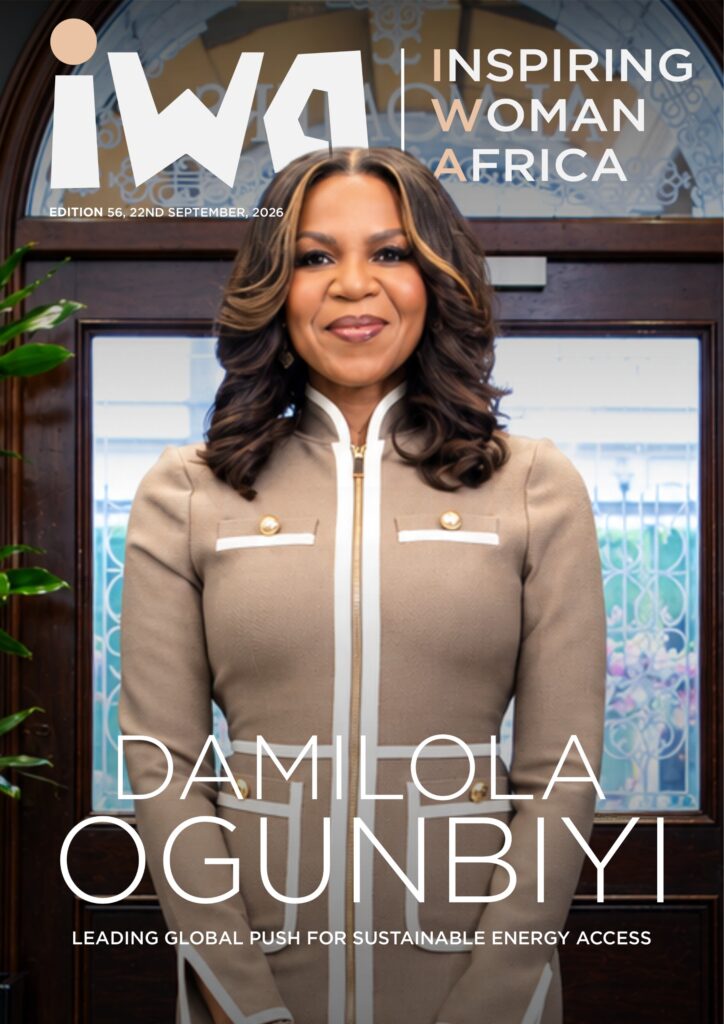
Damilola Ogunbiyi, Leading Global Push For Sustainable Energy Access
Latest Posts
-
 Sep 22, 2026 Stop Measuring Your Life With Someone Else’s Ruler