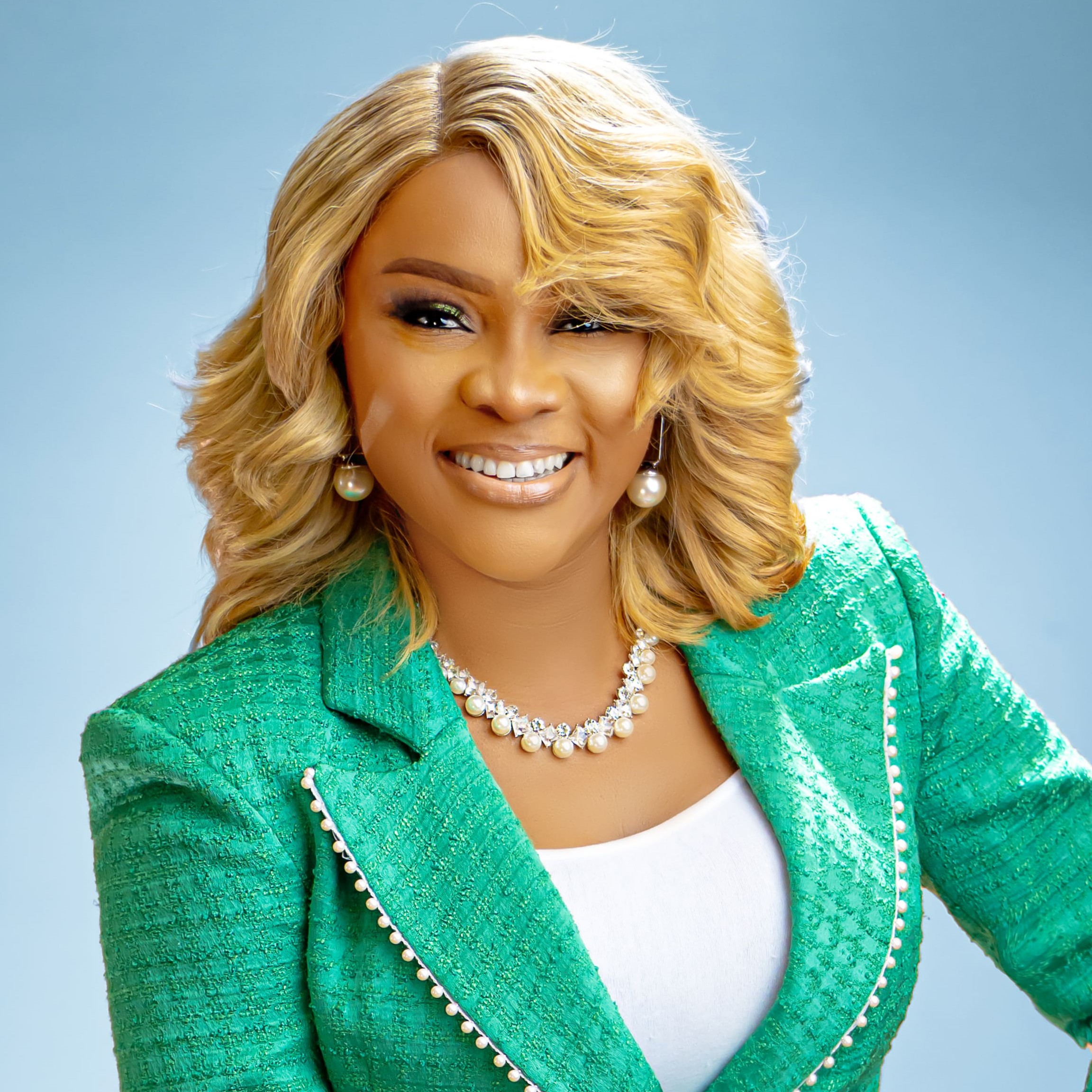
 Kemi Ajumobi
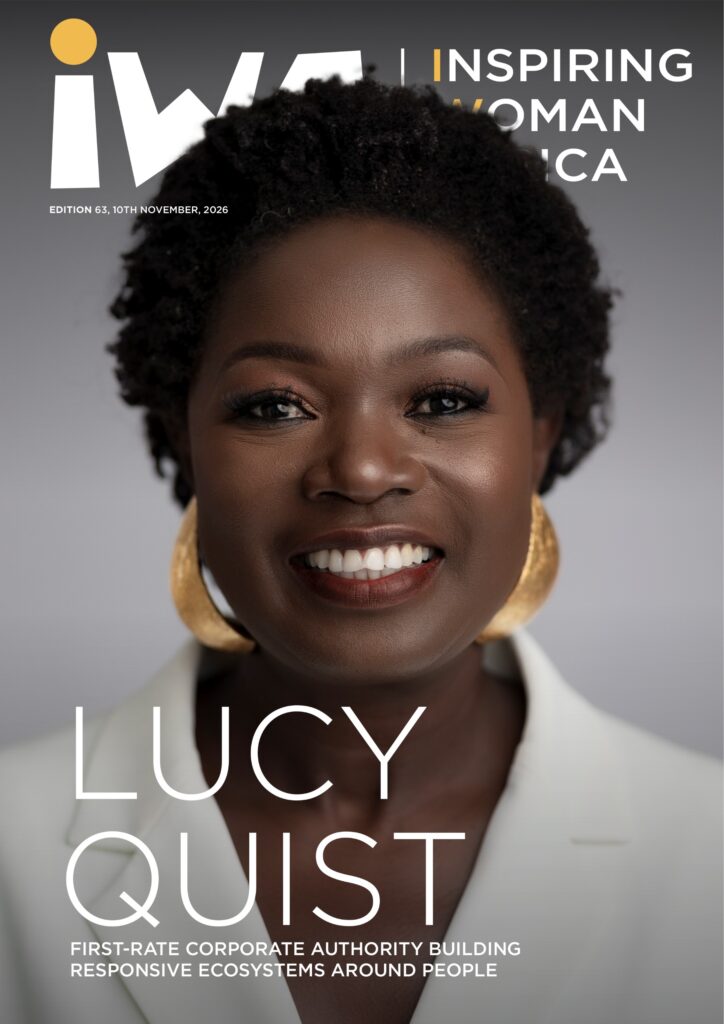
Lucy Quist is a financial services and telecommunications senior executive, board NED and author. She is Managing Director and Head of Transformation for Corporate Banking at Barclays in the UK. She favours collaborative leadership, making space for team members to succeed together and flourish while delivering results. She sits on the boards of INSEAD Business School, CSquared, and Margins ID Group.
Lucy is a chartered electrical and electronic engineer holding a first-class honours degree from the University of East London and an MBA from INSEAD. She speaks French as a second business language.
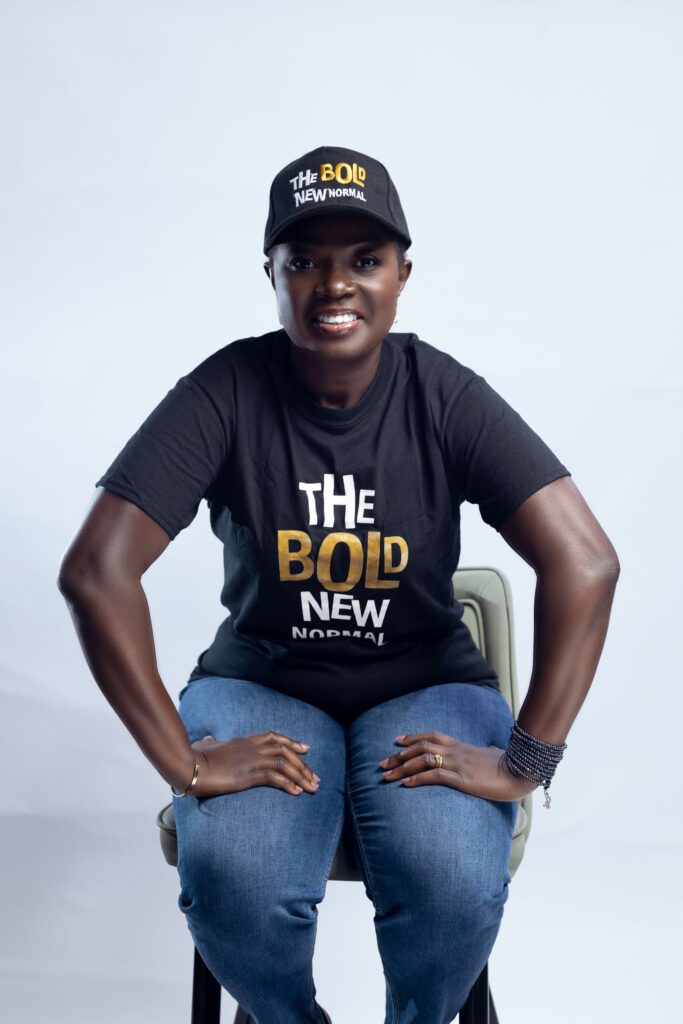
She authored The Bold New Normal and hosts a well-regarded annual conference and podcast under that name, each focused on fostering sustainable prosperity in Africa.
She served as Managing Director and Global Head of Firm Resilience at Morgan Stanley, directing business continuity and operational resilience after her role as Global Head of Change Leadership in Technology Transformation.
As the first Ghanaian woman to lead a multinational telecoms firm, she served as CEO of Airtel Ghana. She has held senior executive roles at Vodafone and Millicom International Cellular, following early positions at the Royal Bank of Scotland and Ford Motor Company. She advocates collaborative leadership, making space for team members to succeed together and flourish while delivering business outcomes.
She served as the Vice President of FIFA’s normalisation committee in Ghana. Her background in strategy, organisational design and business transformation, along with her board experience, makes her a valuable asset to the organisations she leads.
She has received several honours from respected organisations for her strategic insight, delivery of transformative business outcomes and commitment to developing people. Among these are the University of East London Alumni Change Maker Award, CIMG Marketing Woman of the Year, Telecom CEO of the Year, CSR CEO of the Year and the Corporate Leadership Award at the Ghana Legacy.
Lucy is a prominent thought leader and global speaker addressing leadership, technology, and transformation.
In January 2020, she moderated the UK–Africa Investment Summit hosted by the then British Prime Minister and attended by 21 African Heads of State. She has spoken on platforms such as TEDxEUSTON, the Wharton Africa Business Forum, the Sanford C. Bernstein Centre for Leadership & Ethics at Columbia Business School, McGill University, and INSEAD’s Africa business forum. She also addressed the GSMA’s Mobile World Congress in 2017.
In 2016, she appeared on the BBC’s Power Women series as a leading businesswoman advancing.
Lucy is the Founder, The Bold New Normal; co-founder of the Executive Women Network and a founding investor in Moko Afrika. She describes her life as being shaped by her faith and enjoys travelling with her family.
=====
Leadership and its influence on your journey
My first reflection on leadership occurred at the age of nine, during a crucial period in Ghana. After the “Ghana must go” movement from Nigeria, Ghana absorbed over one million returning citizens amid drought and other socio-economic pressures. My family was one of the families that returned to Ghana
from Nigeria. From my childlike perspective, I reasoned that adults in charge, leaders, make collective choices for our lives. Displeased with the situation, I resolved to become someone whose decisions would benefit people. I was effectively laying the groundwork for my leadership journey.
Naturally, my outlook has grown since then. At any moment as a leader, I weigh governance, cost and benefit, context, and short- and long-term priorities to reach decisions; yet my goal to improve lives through the workplace and contributing to wider society remains constant. This is the foundation of The Bold New Normal.
Navigating barriers and challenges as first Ghanaian woman to head a multi-national telecoms company
2014 marked a life-changing shift when I became CEO of Airtel in Ghana in May. Although my background in engineering and telecommunications had prepared me through infrastructure-focused and commercial roles, the national reaction was unexpected. I was pleasantly surprised by how strongly business and social circles backed my appointment, which gave me renewed energy. Yet challenges arose. I had grown accustomed to being the only woman or one of few in a boardroom, but this context differed. Leading a team that had never been guided by a woman to reverse a business’s decline was the first hurdle. I hold the view that ability is not tied to gender, so I, along with my board and shareholders, believed I could drive the change. Some team members needed persuasion, so I
focused on demonstrating empathy because the situation was new for them. That empathy built a deep partnership, producing one of the strongest leadership teams I have known, and the turnaround results were clear to everyone, most importantly our customers. Likewise, some partners struggled with the idea that a woman held final authority over working with them. In those cases, competence and data-driven clarity removed their doubts. I was fortunate to find my tribe; other women whose first CEO role was in their firms. They offered vital support. We bonded well and decided that other professional women would benefit from similar support. Together we went on to found the Executive Women Network to inspire, empower and support professional women throughout their careers.
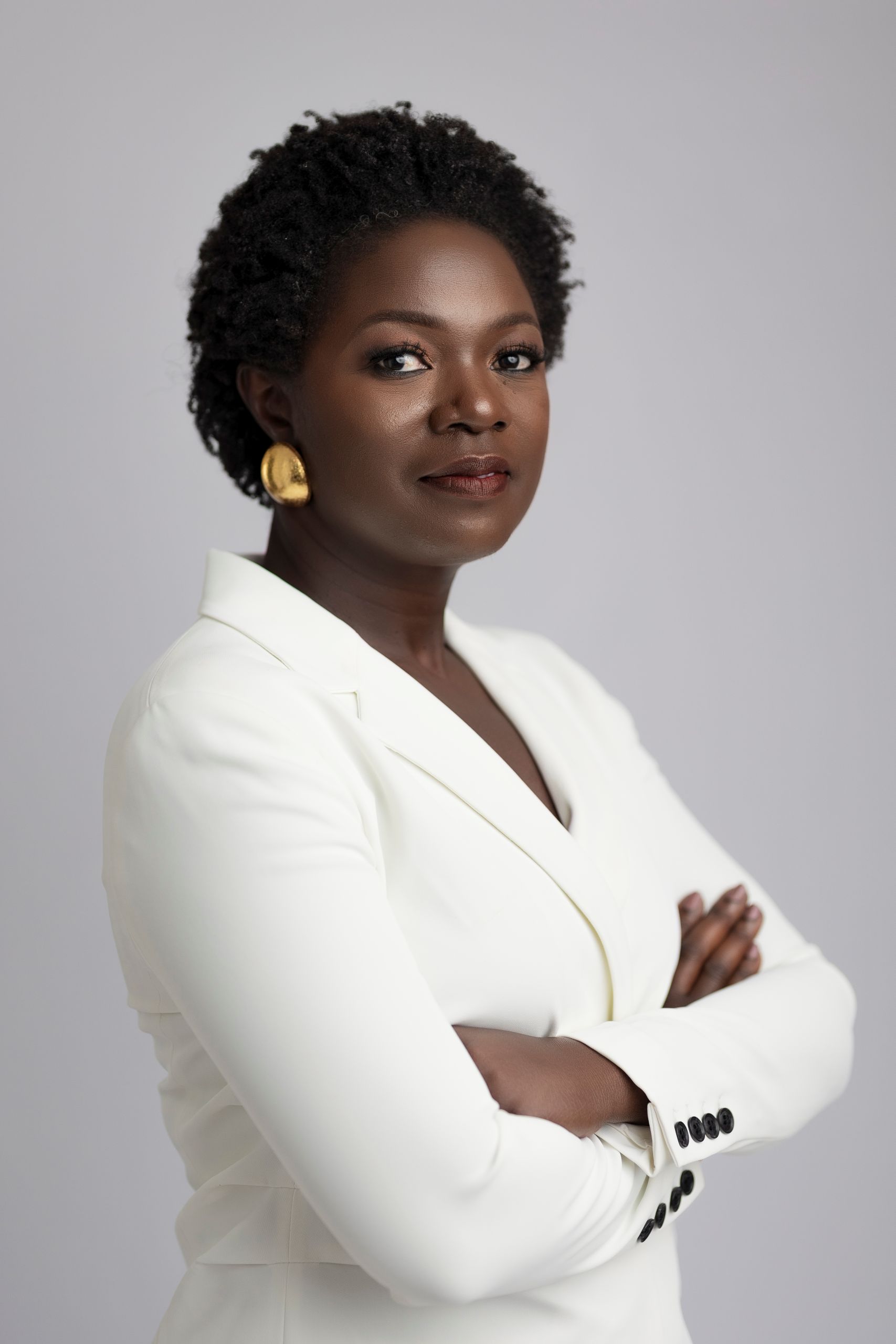
In financial services in the UK, you are a Managing Director and Head of Transformation for Corporate Banking, what are your core priorities and how are you executing this?
My focus in my current role is on reshaping how the Corporate Bank generates value for clients by building a more responsive ecosystem around people, processes, and technology. My priorities include shifting collaboration across functions, moving from siloed departments to cross-functional teams that adopt new processes to meet shifting client and market demands. This shift helps teams speed up their use of innovative technologies, particularly AI. I take immense pride in working through my team. I act as a player-coach, meaning I join analysis,
problem-solving, and execution while guiding my team to flourish without micromanagement.
Fostering cross-functional collaboration between technology, operations, and commercial teams to drive transformation
This extends my earlier point well. At its core, it concerns the culture you model by staying inclusive throughout a transformation, since shifting an organisation really means asking each person to adapt to change. Leading change cannot happen without empathy for others’ viewpoints. It requires a shift in organisational culture built on a change in leadership behaviour. This applied especially when I directed the turnaround at Airtel Ghana. Uniting functions began with gathering their leaders in my team, listening, planning, and acting with shared vision and ambition.
Launching ‘The Bold New Normal’, and outcomes most proud of from the
book, conference, and podcast
The Bold New Normal began in 2014 as a sequence of social media posts, initially without that title. Those posts aimed to reach young people through technology-driven mentorship. The content and speeches led to a TEDx Talk titled A Bold New Normal at Euston in London in 2016. Over the past decade, I have released the book (2019), launched an annual conference (2022), and a podcast (2025), all named: The Bold New Normal. I also introduced the French translation of the book, Le Nouvelle Norme Audacieuse, in 2025. The vision has stayed consistent: creating an Africa where everyone prospers. Within ten years, we have formed a community and engaged thousands through these channels. Our work has spanned continents, drawing many who are ready to shape their prosperous future. As we enter the next phase, execution through our five pillar HEART agenda is clear: Healthcare, Education, Agriculture, Real Enterprise, and Trade Beyond Borders. Further details are available on the website. The vision for TBNN is huge. More so, it encompasses Africa as a whole.
Ensuring continuity on positive results from the vision and goals TBNN stands for
This is a strong question. Consider that more than 1.3 billion people live on the continent, so driving transformation at scale is a massive task. Implementation must work both top-down through leaders and bottom-up. As a platform, execution unfolds across several channels – book, conference, podcast – and
we are maturing into communities of practice that gather real change makers in real time. Continuity arises from people sharing results and encouraging others to shift mindsets within their sphere of influence.
Practically speaking, how do you intend to help build accountability in all spheres from leaders, especially regarding governance and implementation of responsibilities they promised the citizenry to uphold?
Ultimately, we must move toward a future where leadership across the African continent is defined by responsibility and accountability, driving outcomes that foster prosperity. This shift also requires honest communication. Citizens naturally hold elevated expectations and are repeatedly promised change, yet they are rarely informed about their part in shaping the results they want, leaving dialogue one-sided.
We should examine the past seven decades since Ghana became the first sub-Saharan nation to gain independence, triggering a wave of liberation, and compare our original hopes with what has been realised. Humble reflection and openness to adjustment are essential for holding leaders to appropriate standards.
What role do you see for African fintech ecosystems in bridging financial inclusion gaps?
African fintech ecosystems do more than close the financial inclusion gap; I prefer to frame them around prosperous outcomes. Fintech is a business delivering essential services to both served and underserved groups. Yet, the terms served, underserved, or even inclusion, are limiting. Everyone fits into a market segment. Fintech segments the market much like a fast-moving consumer goods firm
would, then offers services. I welcome how fintech builds systems where none existed. My first involvement was in 2008 while I worked for Tigo/Millicom, exploring mobile money implementation. I do not remember hearing the
word fintech then. Since then, I have observed a surge in entire ecosystems of fintech and payments across Africa. This reflects a sector centred on its clients, granting access to financial rails and enabling wider economic participation. The greatest achievement is that they challenged the accepted norm and produced the solutions we needed.
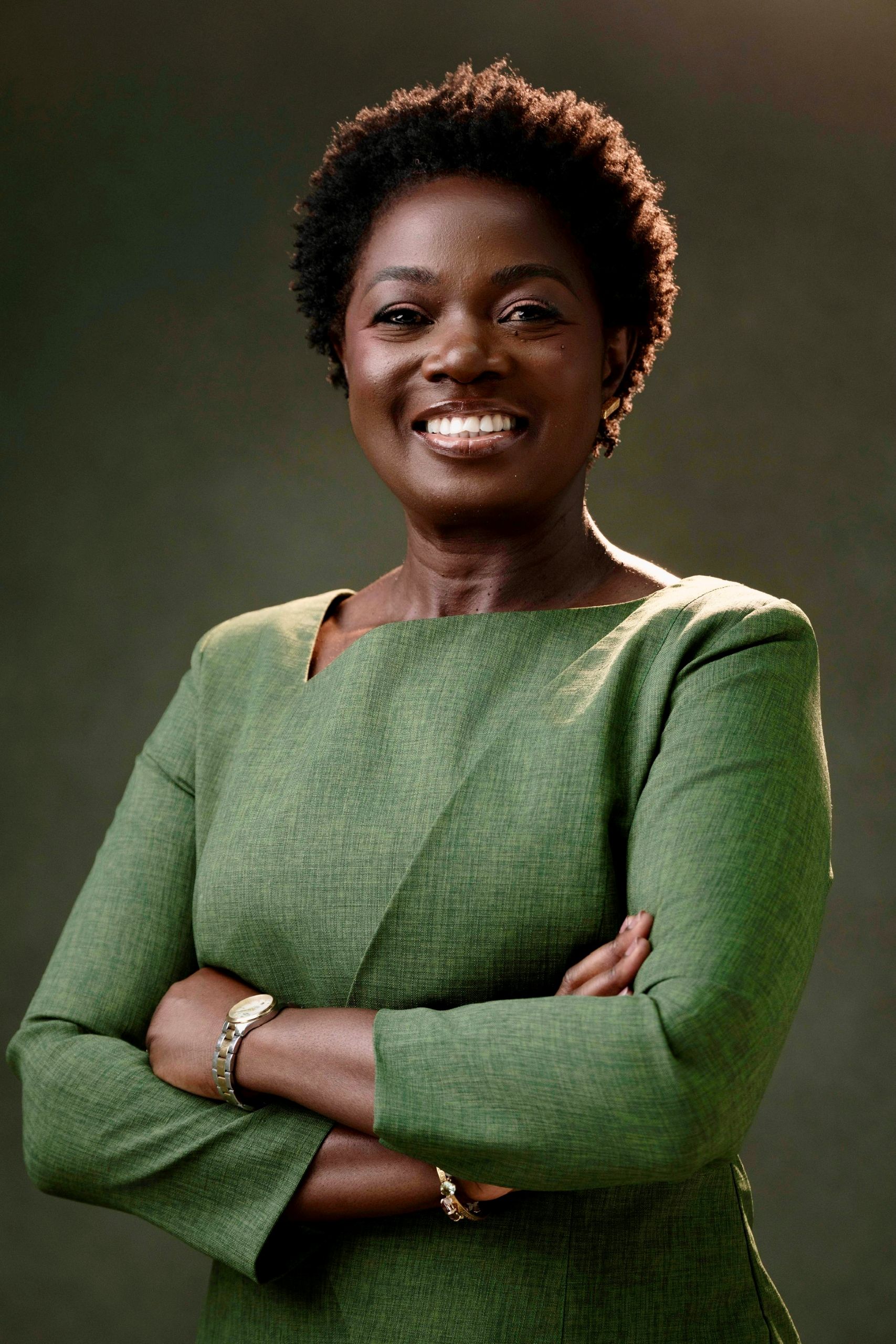
You serve on boards including INSEAD Business School, CSquared, and Margins ID Group. What governance principles guide your board work?
Board roles are rewarding responsibilities that demand focused attention. I treat governance with great seriousness. Beyond setting strategy and overseeing leadership, the board must ensure the institution prospers and stays sustainable.
My method begins with time spent learning the business model and meeting the leadership, since understanding the context matters. I also stay active beyond full sessions; on each board I join, I serve on committees of which I chair two. I balance listening with meaningful input in discussions. I am known for tenacity, paired with patience and resilience, because some issues persist longer than expected yet must reach completion.
Advice to women aspiring to C-suite or board roles in traditionally male-dominated industries
To women aiming for C-suite or board positions in traditionally male-dominated sectors, my first point is to avoid dwelling on the gender imbalance; instead, define what success and excellence look like and shape your plan accordingly. I am not proposing that women adopt male traits; rather, they should observe the behaviours and achievements that receive recognition. In strong organisations, most effective leaders act authentically according to a high moral standard. Those who succeed commit more time than most to their work; women should identify ways to maximise their career-focused time while balancing other priorities. Secondly, if you face bias, recognise that it stems from the other person’s socialisation rather than from you. You are not accountable for others’ prejudices; you are responsible for presenting yourself with excellence and integrity. Finally, find ways to meaningfully enjoy your work, every day.
You are fluent in multiple domains (engineering, finance, technology). How do you keep your skills aligned with evolving industry trends?
As a chartered electrical and electronic engineer, I spent several years in product development and manufacturing within the automotive sector. This background shaped my approach to learning, fuelled by curiosity. I gain considerable fulfilment from my work, and the workplace remains my main site for learning. I look beyond my core duties to collaborate with others, which compels me to learn from them. I also read widely on emerging topics. Domain knowledge is vital; to lead, we must be credible, so I study leadership and the qualities needed for transformative change.
If you stood before a sea of discerning women who desire growth despite all life has thrown at them, and you are asked to speak to them to charge them up, what would you say?
I would begin by suggesting they read The Bold New Normal. We must turn that desire for growth into action, so I would offer a sequence of questions to explore.
What is your vision for the future? Write it clearly, including details of how you wish to experience the realised vision. How do you speak to yourself? Make sure your internal dialogue matches your vision. Can you shift your mindset? Certainly. By changing conversation, you influence your thinking because you begin to connect with like-minded people. Can you carry out your vision? Absolutely. A changed mindset alters behaviour, and behaviour leads to who we become. Aligning what we do with the vision should produce growth. Achieving what we want from life demands dedication and commitment. It involves sacrifice, which I am sure each woman has made repeatedly, so I encourage each woman to find the capacity to sacrifice one more time.
Concrete steps organisations can take to advance the inclusion of women in technology and finance?
Organisations should be deliberate about the career opportunities they offer women. Roles must not be reserved for men alone, and demanding assignments should not be dismissed as excessive for women. Organisations should avoid attributing women’s setbacks to gender; instead, they should recognise that no career is flawless.Together, these measures should create a playing field that is more inclusive to women.
How important is it to challenge the status quo to improve inclusive outcomes?
Research shows we are still centuries from a standard of economic equity for women. Imagine that; it lies beyond my lifetime or even my future granddaughter’s. Much work remains to be done. Because women’s economic success serves our shared interest, we have every reason to question current conditions. We cannot move slowly; instead, we must speed progress toward women’s inclusion, so everyone benefits from their involvement. This challenge demands deliberate action, not only because it is right but because it is essential.
How can traditional banks effectively partner with fintechs to scale impact and maintain trust?
In Africa, this used to be a challenge. I recall a period when traditional banks did not take Fintechs seriously, especially during the early phase of mobile money. That situation has changed. Partnerships now rest on a client’s focus and a shared aim of meeting client needs. A common goal of delivering the best services forms the base for scaling impact and sustaining trust. Today, this is the foundation for most collaborations between traditional banks and fintechs.
Most critical skills for the next generation of leaders in financial services and technology
The next generation of leaders in financial services, technology and business face a world where uncertainty and change are accelerating. Customers expect responsiveness, shareholders expect relevance and profitability, and employees expect relevance and personal growth; the demands have shifted. These leaders must be adaptable and agile. They should maintain a clear long-term vision and ambition while staying flexible in how they achieve progress in the immediate term to meet expectations. This requires a high degree of humility to absorb the latest information and consider other perspectives seriously. Ethics will matter more than ever, as leaders guide organisations where their conduct will be seen as a reflection of values. Finally, their focus on client engagement must be sharper than ever.
What advice do you have for women on enjoying personal interests and “me time” while working hard to achieve set goals?
Life centres on balance. God fashioned the world in six days and rested on the seventh. Rest offers restoration that supplies energy for demanding work. Yet life is not solely about labour and reaching goals. So, strike a balance and ensure that you enjoy the blessings found in life’s many facets.
Unforgettable day and why?
I have experienced many such days. I genuinely value life’s significant moments, so I will share three: my wedding day and the days my two children were born. These occasions brought new, important people into my life, and I remain thankful for the chance to journey with them.
Concluding words
Life is a gift. Approach it with hunger and zeal. Pursue purpose beyond yourself and your needs, ensuring your life is not a zero-sum game where output serves only you and your family. Contribute to the creation of a world, and especially an Africa, where everyone has the chance to thrive and prosper.