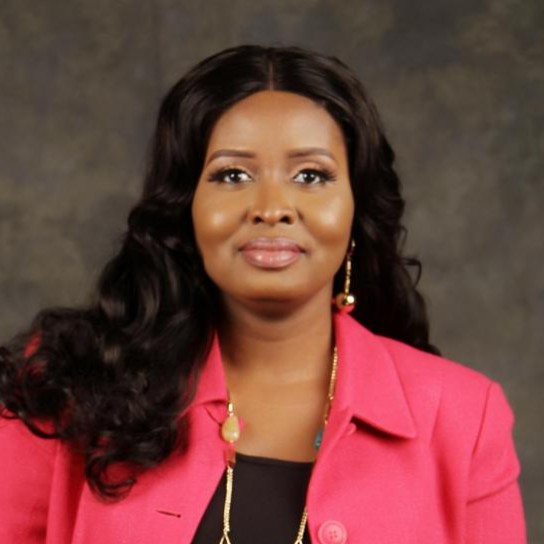
 Dr. Asmau Benzies Leo
Every year on March 8, the world pauses to celebrate the achievements, resilience, and transformative power of women. The history of the International Women’s Day (IWD) dates back to 1908, when women garment workers in New York marched to demand better working conditions and voting rights. The first National Women’s Day was observed in the United States in 1909. By 1911, the celebration had spread across Europe following advocacy by leaders such as Clara Zetkin, who proposed an international observance to advance women’s rights. In 1975, during International Women’s Year, the United Nations officially began commemorating March 8 as International Women’s Day, cementing its global recognition as a rallying point for gender equality and social justice.
Beyond March 8, the entire month of March is globally recognised as Women’s Month in many countries, a period dedicated to reflection, advocacy, celebration, and renewed commitments toward advancing women’s rights and leadership. Throughout the month, governments, civil society organizations, academic institutions, and private sector actors organize rallies/walk, dialogues, policy engagements, mentorship programmes, media campaigns, community outreaches, and award ceremonies that spotlight women’s contributions and address persistent gender gaps.
The 2026 theme, “Give To Gain,” is both a call to action and a philosophy for sustainable progress. It emphasises generosity, collaboration, and shared advancement equally recognising that when we invest in women, their opportunities expand, systems are strengthen, and societies thrive.
“Give To Gain” is anchored in the principle of reciprocity. When women are given access to education, economic resources, leadership opportunities, healthcare, and justice, the benefits extend far beyond the individual. Families are strengthened. Communities become more stable. Economies grow more inclusive.
Giving to women should not be seen as charity rather a strategy, a deliberate investment that yields measurable social, political, and economic returns.
For the Nigerian woman, this theme carries deep significance. Nigerian women are pillars in agriculture, entrepreneurship, governance, peace-building, academia, and community development. Yet many still face structural inequalities, limited access to finance, underrepresentation in decision making, and exposure to gender based violence. “Give To Gain” challenges institutions and policymakers to intentionally dismantle these barriers and create enabling environments where women can thrive. When Nigeria invests in its women, the nation gains innovation, stability, and inclusive growth.
Throughout March, many Civil Society Organisations (CSOs) and women-led networks will actively commemorate the International Women’s Day with impactful activities. Organisations such as the Centre for Nonviolence and Gender Advocacy in Nigeria (CENGAIN) and HERizon Women’s Network, alongside numerous others, will mark the month by participating at the United Nations Commission on the Status of Women (CSW70) in Newyork and other activities as leadership dialogues, mentorship engagements for young women, policy advocacy sessions, skills development workshops, and community outreach initiatives. These activities embody the spirit of “Give To Gain” by translating the theme into practical action, giving time, knowledge, platforms, and resources to empower women and girls.
At the same time, the 2026 theme speaks directly to women ourselves. It calls us to embrace a culture of giving and one of the most powerful ways we can embody “Give To Gain” is by intentionally investing in the younger generation. Young girls and young women need guidance, role models, protection, and opportunity.
When we invest in them today, we gain visionary leaders, ethical professionals, innovative entrepreneurs, and compassionate nation builders tomorrow.
Finally, as we mark International Women’s Day 2026 and Women’s Month globally, let us all commit to giving intentionally, our time, influence, resources, and voice. In giving to women and girls, we do not diminish ourselves; we multiply impact. When women give and society invests in women, we all gain a stronger, fairer, and more hopeful future.
Dr. Asmau Benzies Leo is a development practitioner with extensive national and international expertise in gender equality, peace-building, governance, and humanitarian action. She holds a PhD in Public Governance and Leadership, a Master’s degree in Conflict Management and Peace Studies, and executive certifications from leading institutions including Howard University, Harvard University and Glasgow Caledonian University. As Executive Director of the Centre for Non-violence and Gender Advocacy in Nigeria (CENGAIN), she has led ground-breaking advocacy initiatives on women’s political participation, gender-based violence prevention, and security sector reform across multiple World Bank, UN and EU-supported projects.
Latest Edition of IWA Magazine
March 10, 2026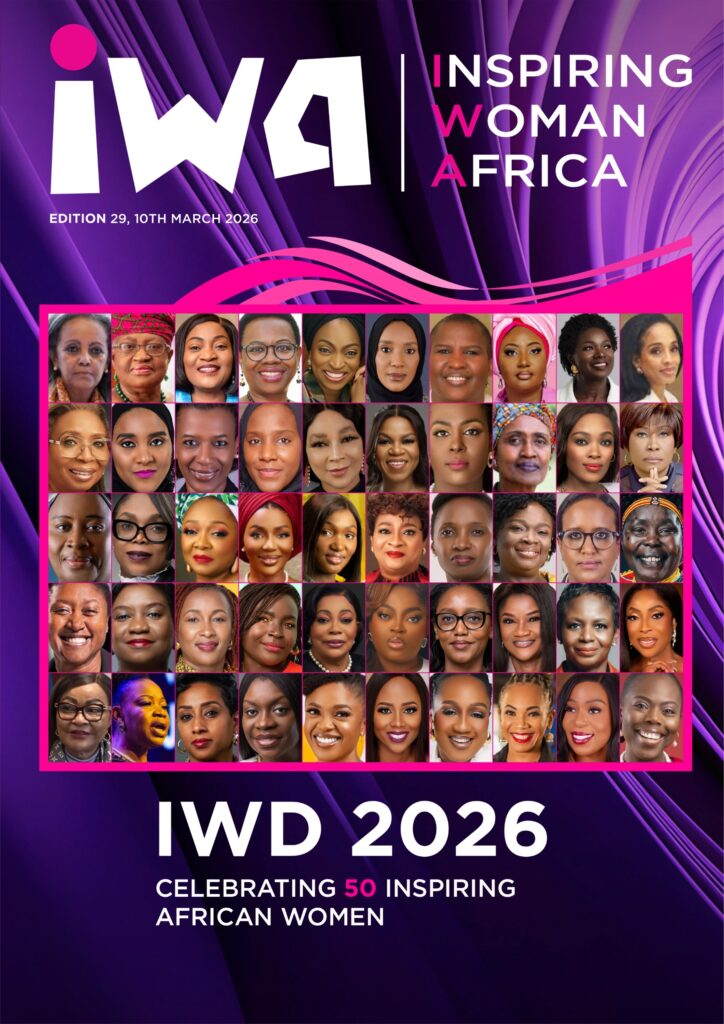
IWD2026: Celebrating 50 Inspiring African Women
Latest Posts
-
 Mar 10, 2026 Women Now Dream Different Dreams
 -
 Mar 10, 2026 Financial Literacy Is Not a Punishment