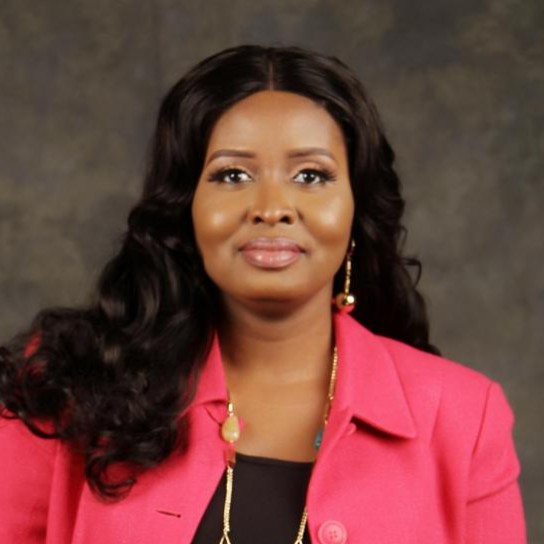
 Dr. Asmau Benzies Leo
The growing insecurity surrounding transportation and daily commuting in Nigeria has become a gendered urban crisis with far reaching implications for women’s safety, mobility, and participation in public life. Across major cities including Abuja, Lagos, Ibadan, Port Harcourt, and Kano, where women face heightened risks of “one-chance” criminal syndicates(these are criminal/organised gangs who operate mostly within the city centres using car hires to rob, kidnap, abduct or torture their victims) for ransom, trafficking, or sometimes for ritual purposes. These crimes thrive where informal transport systems dominate, where urban surveillance is weak, and commuter corridors are poorly regulated.
For most Nigerian women, unsafe transportation is not only a crime problem but a structural barrier to equality. Fear increasingly determines when and how women move, the jobs they accept, and their access to education, healthcare, and civic life. Many restrict their movement around and night travel, and this in turn leads to the decline in economic opportunities by spending their disproportionate income on perceived safer means of transportation. This constraint deepens gender inequality and undermines inclusive urban development.
Also, the psychological toll of this crisis is equally severe especially were survivors of commuting related violence often suffer long term trauma, anxiety, and loss of trust in public institutions. From a governance standpoint, unsafe roads usually signal bad governance and a declining in state control over urban spaces. These are conditions that organised criminal networks use to exploit and expand kidnapping, trafficking, and extortion economies.
In terms of legislation, Nigeria already has legal instruments that can support safer cities if effectively enforced. For instance the Federal Road Safety Corps which was established under the FRSC (Establishment) Act, 2007 with a mandate to regulate, enforce, and coordinate road safety administration nationwide. FRSC marshals are legally empowered to enforce traffic laws, ensure vehicle roadworthiness, regulate commercial transport operations, maintain data on drivers and vehicles, and remove or ban unsafe vehicles from circulation.
In the context of women’s safety, FRSC marshals may play a critical preventive role by enforcing driver identification, curbing unregistered and poorly maintained vehicles, monitoring commercial transport corridors, and collaborating with sister security agencies like the Nigerian Police Force and the National Security and Civil Defence Corps on intelligence sharing and joint operations.
An effective enforcement of roadworthiness standards and driver profiling directly reduces the anonymity that enables “one-chance” crimes to escape.
While complementary legal frameworks such as the Violence Against Persons (Prohibition) Act (VAPP) and relevant state transport regulations example by the National Union of Road Transport Workers (NURTW) provide grounds for prosecution of transport related violence, trafficking, and other forms of abuse. However, weak coordination and enforcement gaps continue to limit their impact.
Enforcement and Protection
Nigeria must adopt a Safe Cities and Safe Transport framework that integrates FRSC operations into broader urban security planning. This includes biometric registration of commercial drivers, vehicle traceability, regulated pick-up points, CCTV coverage, street lighting, and joint patrols involving FRSC, police, and other law enforcement agencies especially along dangerous routes.
Equally important are the establishment of survivor centred response systems like emergency hotlines, rapid rescue, medical and psychosocial care, and legal aid for victims of this menace. Public awareness and sensitisation must be carried out in communities in order to empower women without shifting responsibility onto victims.
Creating Safe cities are not optional but a compulsory requirement for Women’s safety and security. Freedom of movement is a measure of urban security, rule of law, and national development. Protecting women on Nigeria’s roads is also a fundamental part to securing the nation’s growths and a future.
Dr. Asmau Benzies Leo is a development practitioner with extensive national and international expertise in gender equality, peace-building, governance, and humanitarian action. She holds a PhD in Public Governance and Leadership, a Master’s degree in Conflict Management and Peace Studies, and executive certifications from leading institutions including Howard University, Harvard University and Glasgow Caledonian University. As Executive Director of the Centre for Non-violence and Gender Advocacy in Nigeria (CENGAIN), she has led ground-breaking advocacy initiatives on women’s political participation, gender-based violence prevention, and security sector reform across multiple World Bank, UN and EU-supported projects.
Latest Edition of IWA Magazine
March 31, 2026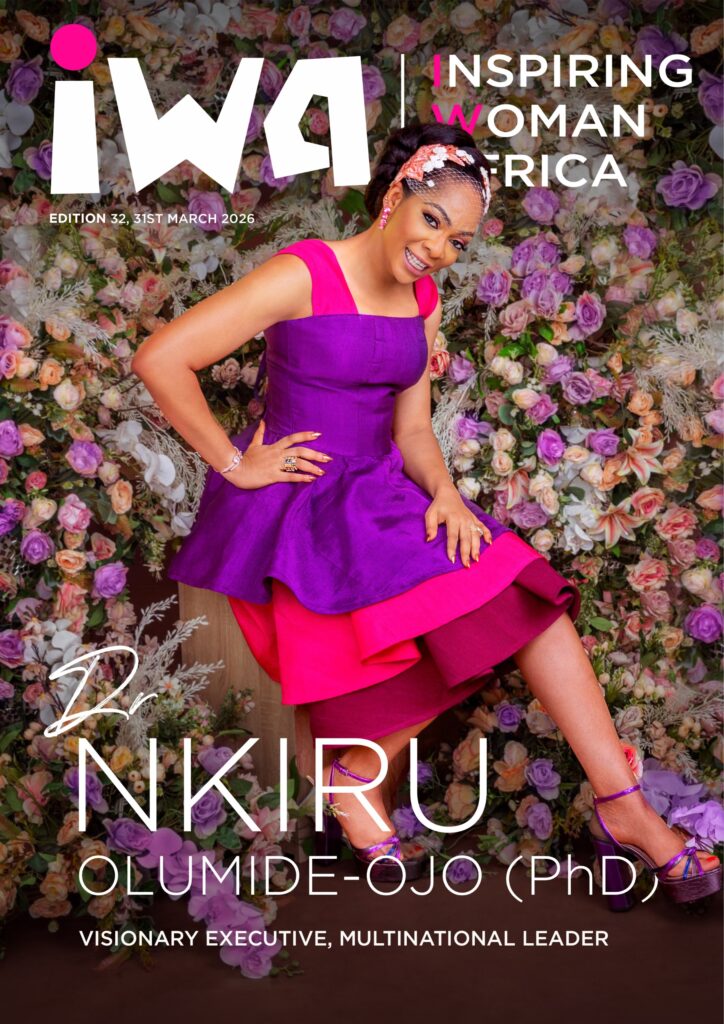
Dr. Nkiru Olumide-Ojo (PhD) Visionary Executive, Multinational Leader
Latest Posts
-
 Mar 31, 2026 The Career Advantage of Thinking Like an Owner