 Professor Adaeze Oreh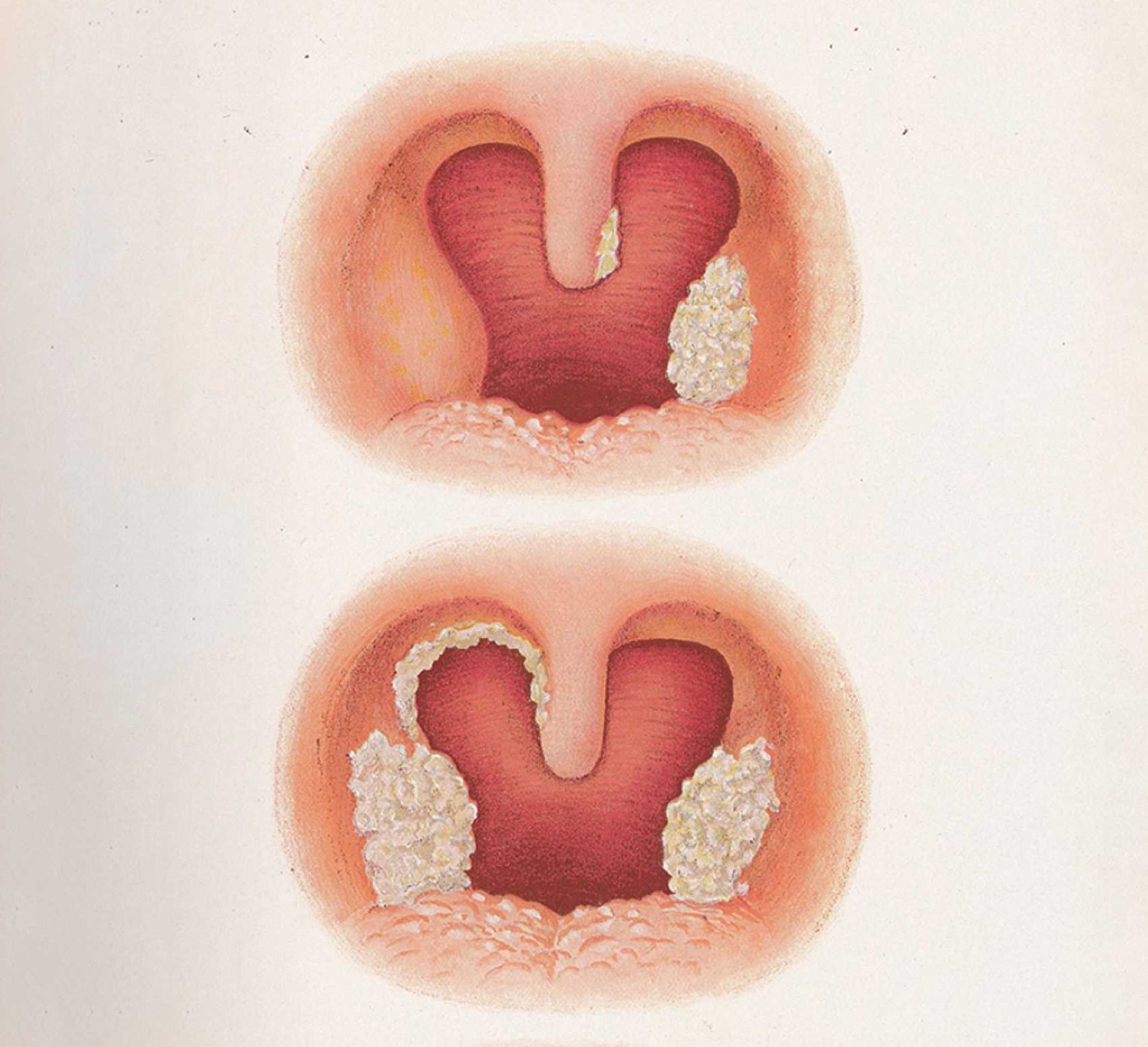
Across towns, cities, and rural settlements in Nigeria, a preventable tragedy is playing out behind closed doors. Parents watch helplessly as children struggle for air, their throats constricted by a thick grey membrane. Diphtheria, a bacterial infection once largely relegated to health textbooks, has staged an alarming resurgence. According to the Director-General of Nigeria Centre for Disease Control and Prevention (NCDC), Dr. Jide Idris, the country has recorded more than 10,000 cases of this vaccine-preventable disease and 406 deaths.
As a family physician and public health practitioner, I see this outbreak not merely as a statistical spike reported by the NCDC, but as a stark reflection of gaps in primary healthcare delivery, vaccine access, and community engagement.
Eight states – Kano, Kaduna, Katsina, Borno, Bauchi, Plateau, Sokoto and Zamfara, account for 98 percent of the confirmed cases, and NCDC pinpoints low vaccination coverage in children for the bulk of the burden. From the data, it is apparent that Nigeria is not dealing with a single outbreak that suddenly appeared in 2026. Rather, it is confronting a prevalent gap that has allowed diphtheria transmission to persist, particularly in parts of northern Nigeria. In the same period in 2025, there were 9080 confirmed cases and 978 deaths.
Understanding the Enemy
Diphtheria is caused by the toxin-producing bacterium Corynebacterium diphtheriae. It spreads primarily through respiratory droplets when an infected person coughs or sneezes, or through direct contact with contaminated surfaces.
Once inside the body, the bacteria produce a toxin that attacks healthy tissue. The most recognisable symptom is a dense, grey pseudo-membrane coating the throat and tonsils, which can block the airways.
Now this is where it can get confusing for families with young children. Its early signs often mirror common respiratory ailments – mild fever and chills, sore throat and hoarseness, swollen glands in the neck (“bull neck”) and progressive difficulty breathing or swallowing. Left untreated, the bacterial toxin enters the bloodstream, damaging the heart muscle (myocarditis) and nervous system. In severe cases, it leads to kidney failure and death. What makes this crisis poignant is that diphtheria is entirely preventable.
The Blueprint for Family Protection
Ending an outbreak requires an aligned strategy between government health agencies and informed households. Every family can take concrete steps to build a defensive shield around their loved ones:
1. Immunisation is Non-Negotiable
The Pentavalent vaccine which protects against diphtheria, tetanus, pertussis, hepatitis B, and Haemophilus influenzae type b is available for free at primary healthcare centers across Nigeria. Ensure that children receive their routine doses at 6, 10, and 14 weeks of age. Older children and adults who missed routine childhood immunisations need booster doses to maintain protective immunity.
2. Practice Respiratory Hygiene
Encourage household members to cover their mouths and noses with a tissue or bent elbow when coughing or sneezing. Frequent handwashing with soap and running water reduces the risk of transferring bacteria from surfaces to the mouth or nose.
3. Seek Immediate Medical Evaluation
Do not treat persistent sore throats or breathing difficulties with home remedies or unverified over-the-counter medications. Early administration of Diphtheria Antitoxin (DAT) and appropriate antibiotics saves lives, but timing is critical.
4. Isolate and Report Suspected Cases
If a family member exhibits symptoms, isolate them immediately in a well-ventilated room and alert local health authorities or the NCDC helpline. Household contacts must be traced, screened, and offered prophylactic antibiotics.
A Call for Health Equity
Outbreaks feast on inequality. When routine immunisation coverage falls below optimal thresholds, vulnerable populations pay the highest price. Protecting our nation from vaccine-preventable diseases requires a coordinated national approach, strengthening primary healthcare systems, securing vaccine supply chains, and dismantling socio-economic barriers to care.
Health security begins in the home but depends on the collective resilience of our communities. By ensuring every child is vaccinated, recognising early warning signs, and demanding equitable access to healthcare, we can stop the spread of diphtheria and safeguard Nigeria’s future.
About Author
Professor Adaeze Oreh
Professor Adaeze Oreh is a Kofi Annan Global Health Leadership Fellow, Senior Fellow Aspen Global Innovators, Amujae Leader, Consultant family physician, public health expert and advocate for affordable universal healthcare for all Nigerians. She teaches at PAMO University of Medical Sciences in Port Harcourt and was the 27thHonourable Commissioner for Health in Rivers State, Nigeria.
Latest Edition of IWA Magazine
September 22, 2026
Damilola Ogunbiyi, Leading Global Push For Sustainable Energy Access
Latest Posts
-
 Sep 22, 2026 Stop Measuring Your Life With Someone Else’s Ruler