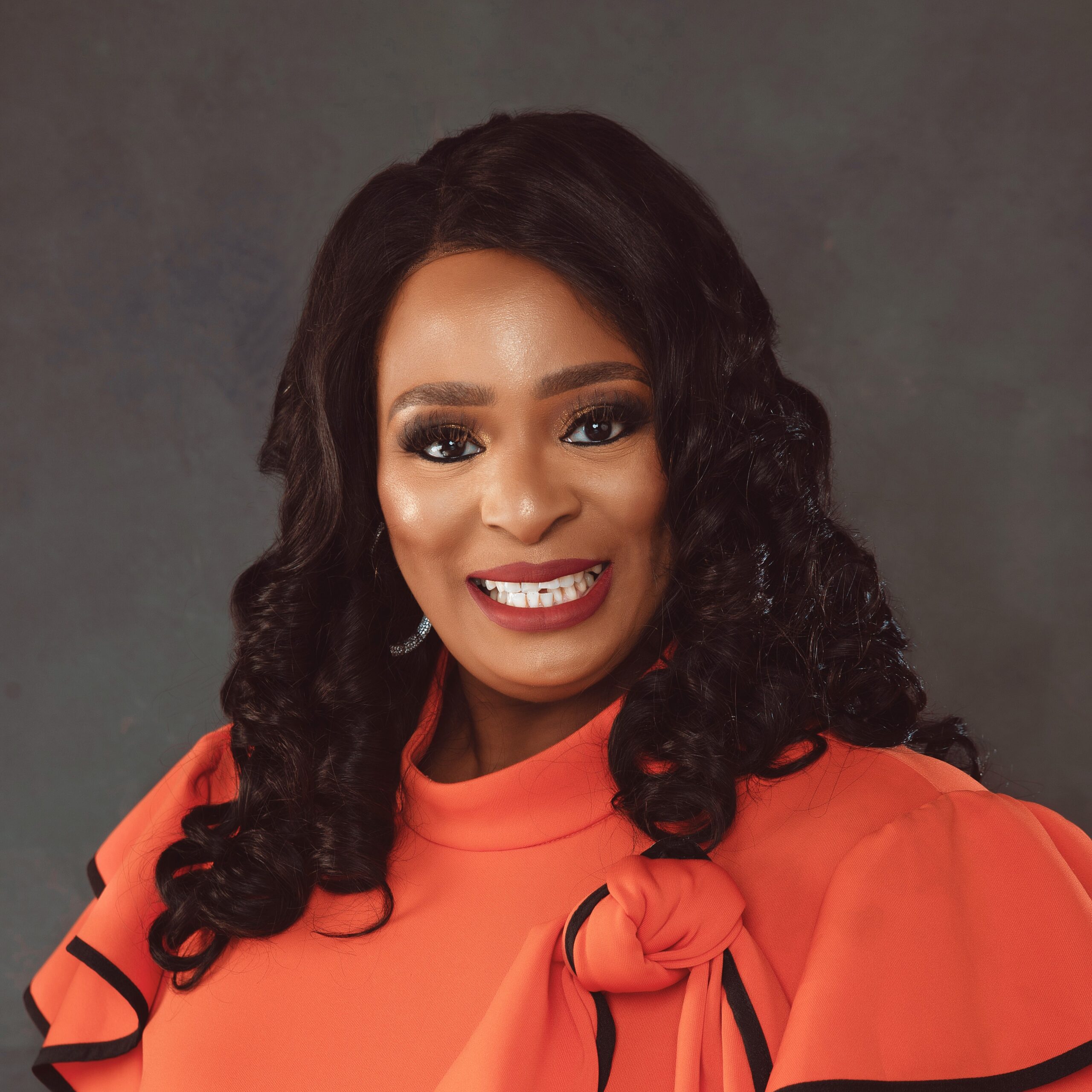
 Chinyere Okorocha
Recently, I had a conversation with a female executive that stayed with me long after our meeting ended.
On paper, she was exceptional.
Highly competent. Dependable. Intelligent. Hardworking. The kind of professional every organisation says it wants. She consistently delivered results, supported her team, met deadlines, solved problems, and carried responsibilities that were often beyond her job description.
Yet despite all her hard work, she felt invisible.
She watched less experienced colleagues receive promotions. She saw others invited into high-level meetings and strategic conversations while she remained the dependable “go-to” person behind the scenes. Leadership trusted her to execute, but not necessarily to lead.
Her frustration was evident when she finally said to me:
“Chi, I feel like I’m doing everything right, yet I’m standing still.”
What she was experiencing is something I have seen repeatedly in the careers of many brilliant women. I call it the Support Role Cycle.
These women become so valuable in execution that they are unintentionally overlooked for strategy and leadership.
They are the organisers.
The fixers.
The dependable team players.
The women everyone relies on to “hold things together.”
But while they are busy helping others shine, they quietly neglect their own visibility, positioning, and leadership narrative.
The truth is this: many women have built careers around being helpful instead of being strategically visible.
And unfortunately, the corporate world does not always reward invisible excellence.
One woman once shared with me how she spent years mentoring junior colleagues, assisting senior executives with presentations, stepping in during crises, and consistently delivering outstanding work. Yet when a leadership role became available, it was given to someone externally recruited.
Why?
Because leadership saw her as indispensable support and not as a strategic decision-maker.
That distinction matters.
At senior levels, promotions are rarely based solely on hard work. They are based on perception, visibility, influence, and leadership positioning. Organisations begin asking different questions:
Who can represent the company?
Who can influence stakeholders?
Who can lead transformation?
Who can think strategically under pressure?
This is why many hardworking professionals become frustrated. They believe effort alone should speak for itself. But in reality, visibility and positioning are equally important.
Over the years, I have learned that career acceleration is not always about doing more work. Sometimes, it is about changing how leadership experiences your value.
The executive I mentioned earlier and I worked together intentionally for ninety days. But contrary to what many assume, we did not focus on working longer hours or increasing productivity.
Instead, we focused on repositioning.
We refined how she communicated during meetings. We strengthened her executive presence. We shifted her contributions from operational updates to strategic insights. We identified opportunities for her to lead visible projects rather than remain in purely supportive roles.
Most importantly, she stopped presenting herself as “the helper” and started showing up as “the architect.”
The transformation was remarkable.
A few weeks ago, she called me excitedly. Not only had she finally received the promotion she had long deserved, but she had also been selected to lead one of the organisation’s most important strategic task forces.
What changed?
Not her intelligence.
Not her competence.
Not even her work ethic.
What changed was her positioning.
This challenge is particularly common among women because many of us were raised to believe that humility means silence, and that excellence should naturally be noticed without intentional visibility. But leadership does not work that way.
If people only associate you with support, they will continue to keep you in support roles.
So how can women break out of this cycle?
First, stop hiding behind execution alone. Learn to contribute strategically during meetings. Do not just present problems; present solutions, insights, and ideas.
Second, increase your visibility intentionally. Volunteer for projects that place you closer to decision-making and leadership conversations.
Third, document and communicate your impact confidently. Too many women minimise their achievements while others amplify theirs.
Finally, start thinking beyond your current role. Ask yourself regularly:
“How do I want leadership to experience me?”
As a helper?
Or as a leader?
Every woman deserves to be seen not only for how well she supports the vision, but also for her ability to shape it.
Because true career acceleration begins the moment you stop waiting to be noticed and start positioning yourself to be remembered.
About Author
Chinyere Okorocha
With over three decades of experience as a trailblazer in the legal profession, Chinyere Okorocha has established herself as a leading voice in law, leadership, and career growth for women. As a partner in one of the most prestigious law firms in the country, she has not only navigated the complexities of a competitive industry but has consistently broken barriers to become a sought-after leader, mentor, and advocate for women in the workplace. A devoted wife and proud mother of three, her career development platform, Heels & Ladders, is dedicated to mentoring and guiding women who aspire to redefine success, achieve career mastery, and lead with purpose.
Latest Edition of IWA Magazine
September 15, 2026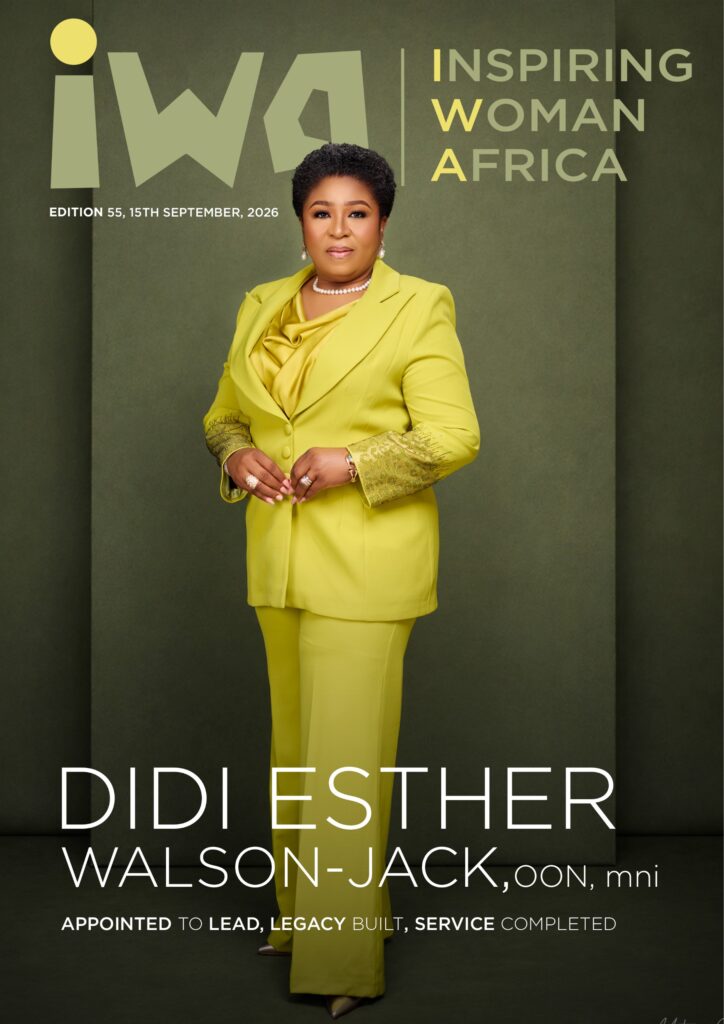
Didi Esther Walson-Jack, OON, mni — Appointed to Lead, Legacy Built, Service Completed
Latest Posts
-
 Sep 15, 2026 The Battles You Win by Refusing to Fight