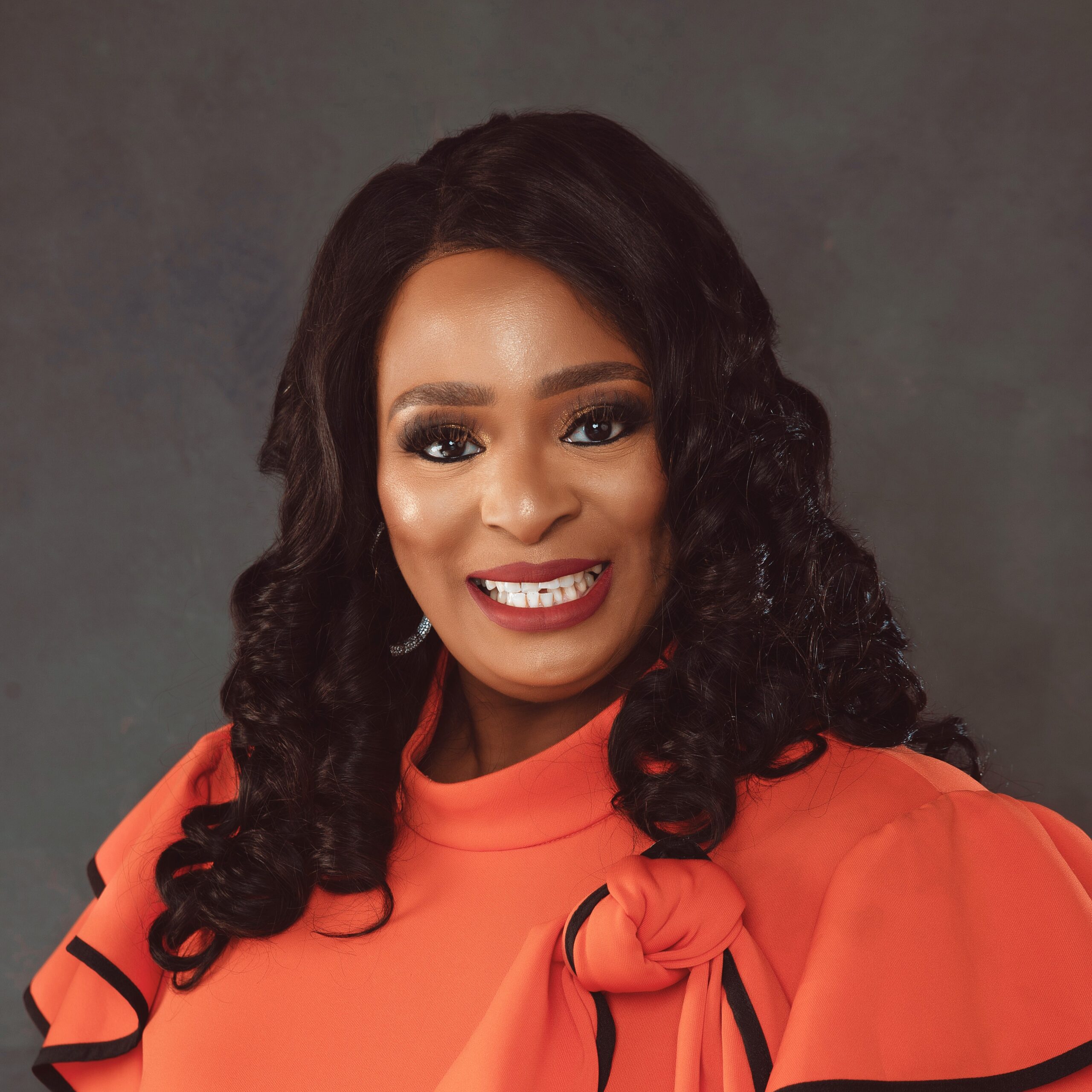
 Chinyere Okorocha
Visibility simply means the state of being seen. Yet, for many female professionals, the idea of being visible at work triggers discomfort. We are often conditioned to believe that self-promotion is immodest, that excellence will speak for itself, or that quietly doing our jobs well is enough to guarantee progression. As a result, many talented women choose to fade into the background, adopting a passive approach to their careers.
Unfortunately, research and lived experience tells a different story.
Visibility is not optional. It is a critical ingredient for career growth. And contrary to popular belief, visibility does not require loud personalities or aggressive self-promotion. It requires intention.
Over the course of my career, I have observed a recurring pattern in organisations. We often wonder why certain individuals are repeatedly chosen for high-profile assignments, strategic roles, and leadership opportunities, while others, sometimes more technically competent, remain overlooked. The difference is rarely talent alone. More often than not, those who rise have mastered the art of being visible. They have positioned themselves deliberately to be seen, remembered, and trusted.
In today’s workplace, visibility matters more than ever. With the evolution of professional services, the rise of remote work, and the explosion of digital platforms, being hardworking is no longer enough. Competence is now the baseline. If decision-makers do not know who you are or what you bring to the table, opportunities will pass you by, quietly and repeatedly.
This reality is particularly harsh for women.
Many women assume their managers will advocate for them. Experience has shown that this is not always the case. Even the most supportive boss cannot promote what others cannot see. This makes personal responsibility for visibility non-negotiable, especially in hybrid or remote environments where physical presence is limited.
Sarah’s story illustrates this clearly.
An internal promotion opportunity opened up in Sarah’s organisation, one of the leading banks in the country. The role aligned perfectly with her skills and experience. She was shocked when she was not shortlisted, particularly when she learned that a less experienced colleague had been selected.
When Sarah asked her manager why she had been overlooked, his response was telling. He had put her name forward, but the panel said they did not know who she was. He could not convince them that she was the right fit.
Sarah’s story is not unique. Whether at entry, mid, or senior level, many women will recognise this experience. The uncomfortable truth is this: it does not matter how good you are at your job if the right people do not know who you are. Visibility determines access, to opportunities, influence, and advancement.
In my over three decades of professional experience, I have learned something important: it is better for people to have an opinion about you, positive or even critical, than to have no opinion at all. At a certain level, lack of visibility becomes a career ceiling. Leadership and visibility skills begin to matter more than technical competence alone.
The impact of visibility is powerful and self-reinforcing. Visibility attracts opportunities. Opportunities build experience. Experience deepens expertise. Expertise increases visibility. I often describe visibility as becoming an opportunity magnet.
Beyond internal benefits, visibility also creates external recognition. When you are known for something, within and beyond your organisation, you begin to build a niche. This requires intentional personal branding. External visibility can unlock opportunities you never planned for: board appointments, speaking engagements, career pivots, and leadership roles.
Yet many women resist visibility because of limiting beliefs. “I don’t want to brag.” “It’s immodest.” “My work should speak for itself.” “The system is fair.” “If it’s meant for me, it will come.” These beliefs are comforting, but costly. Confidence gaps, imposter syndrome, and self-doubt often keep women hidden, even when they are highly capable.
This is where personal branding becomes essential.
Personal branding is simply being intentional about how you are perceived. Jeff Bezos famously said, “Your brand is what people say about you when you’re not in the room.” If senior leadership were discussing key talent today, what would they say about you? If someone searched your name online, what would they find?
Personal branding differentiates you. It ensures that when opportunities arise, your name comes up. Tools such as thought leadership, speaking engagements, articles, professional bios, digital platforms, and industry participation all play a role. Visibility is no longer accidental, it is designed.
To become more visible, you must act deliberately. Build relationships across levels and departments. Contribute meaningfully in meetings. Develop expertise in a specific area. Volunteer for cross-functional roles. Offer solutions, not just observations. Strengthen your relationship with your manager and support their success. Ask for opportunities. Represent your team confidently. And yes …. pay attention to your appearance. Presence still matters.
In today’s workplace, the playing field is no longer level. Talent alone is not enough. Visibility ensures that your contributions are recognised, your voice is heard, and your career progresses.
If you want accelerated growth, visibility is not optional, it is strategic.
With over three decades of experience as a trailblazer in the legal profession, Chinyere Okorocha has established herself as a leading voice in law, leadership, and career growth for women. As a partner in one of the most prestigious law firms in the country, she has not only navigated the complexities of a competitive industry but has consistently broken barriers to become a sought-after leader, mentor, and advocate for women in the workplace.
A devoted wife and proud mother of three, her career development platform, Heels & Ladders, is dedicated to mentoring and guiding women who aspire to redefine success, achieve career mastery, and lead with purpose.
Latest Edition of IWA Magazine
March 10, 2026
IWD2026: Celebrating 50 Inspiring African Women
Latest Posts
-
 Mar 10, 2026 Women Now Dream Different Dreams
 -
 Mar 10, 2026 Financial Literacy Is Not a Punishment