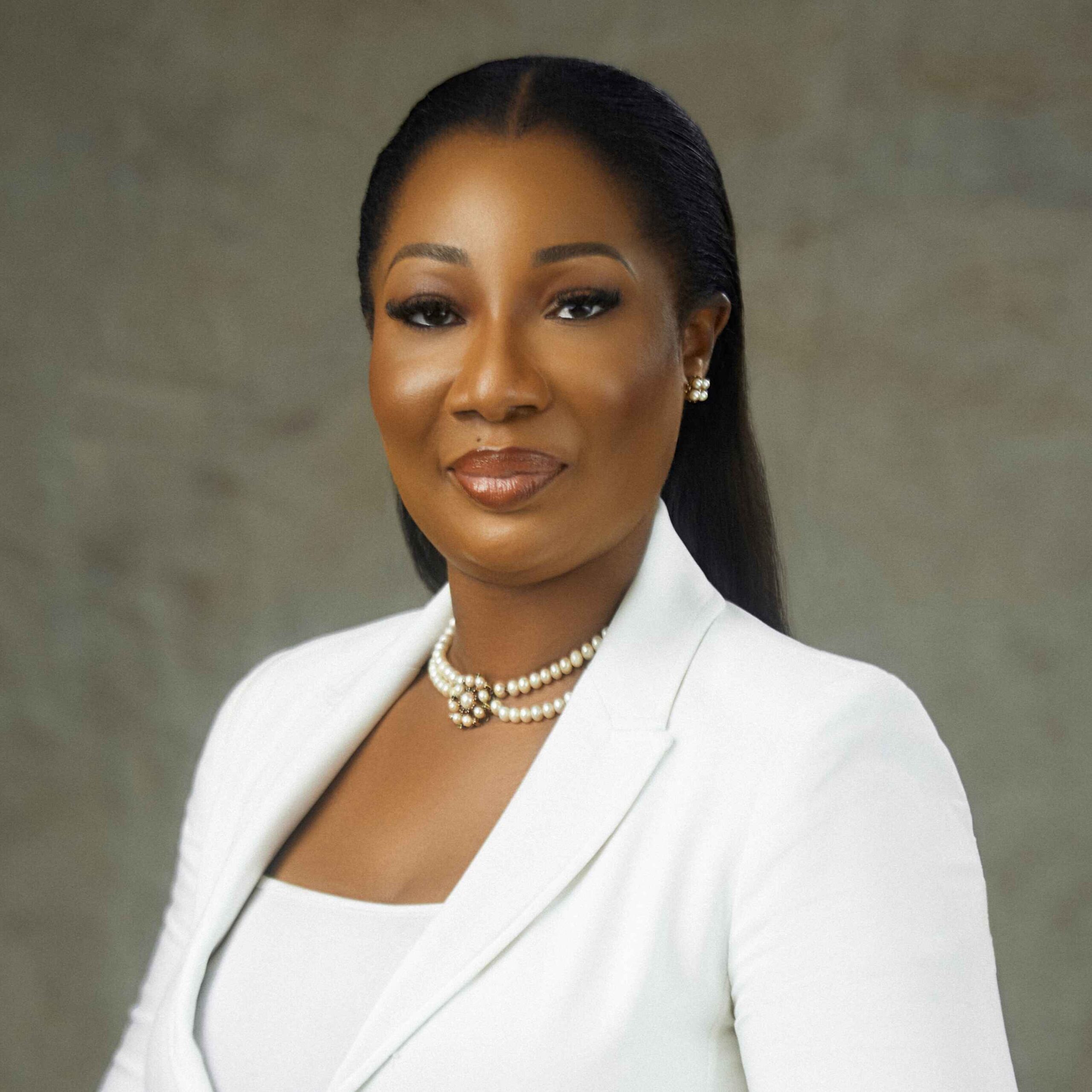
 Wola Joseph-Condotti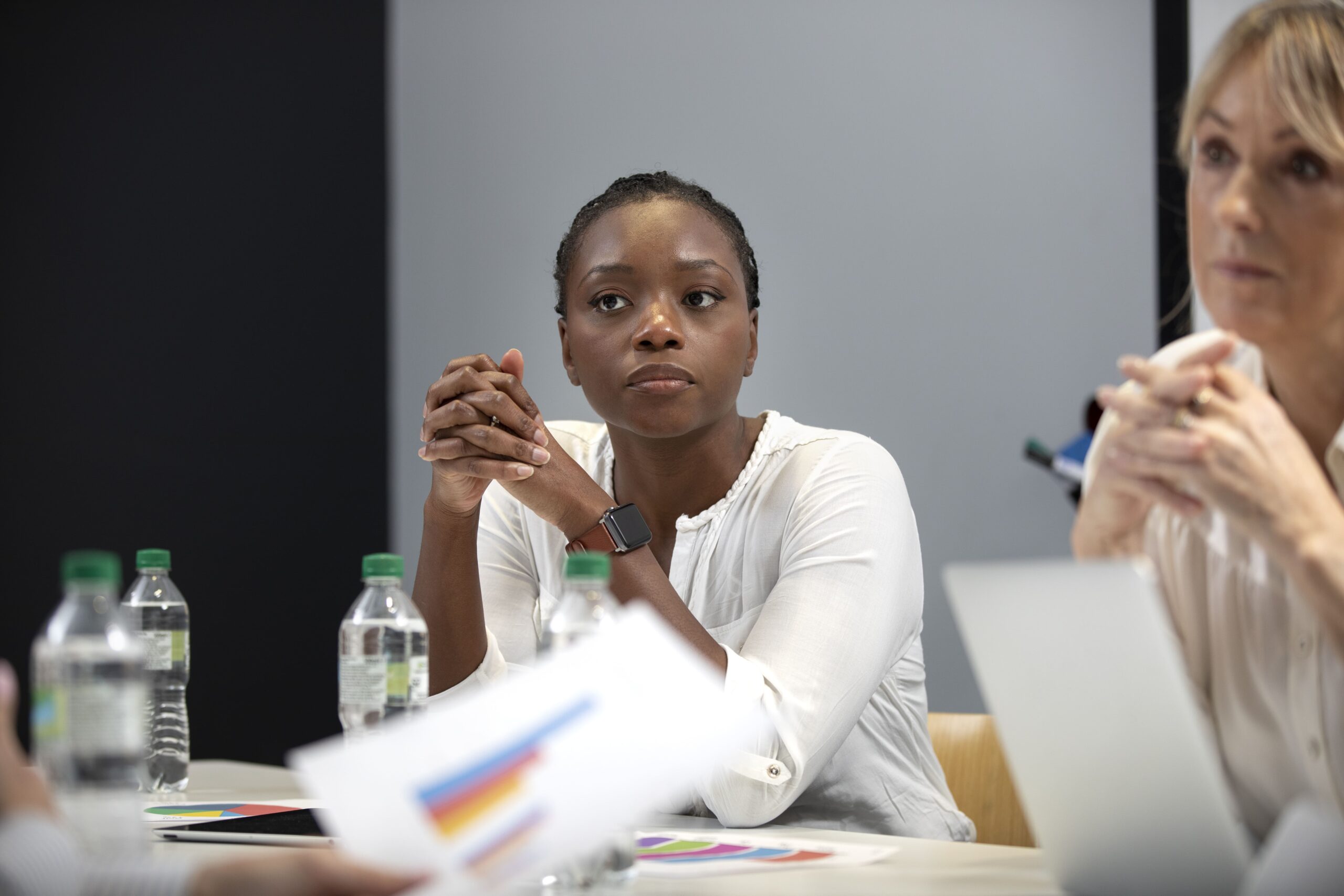
It is no longer radical to say that boards perform better when women are present. The data supports it. The world acknowledges it. And in many ways, we have made progress. More women are being invited into boardrooms. Some are even being given the gavel.
But for every woman who is made it to the top table, there are still too many who are stuck behind the glass watching, waiting, or walking away.
The question is no longer just “Are women on boards?” The real question is: Are we shaping what boards become?
Representation vs Participation
There is a difference between being present and being powerful in a room. I have served on boards long enough to know the difference.
Too many women are still battling ’tokenism’. Brought in to tick a diversity box, but never really handed the levers of influence. They attend the meetings, but are not always heard in them. They sign off on papers, but are excluded from real decisions.
This is not inclusion. This is optics. And if we are going to build better boards (boards that lead with vision, values, and velocity) we must move beyond symbolic seats to substantive leadership.
The Pipeline Problem
One of the biggest challenges is not at the board level, it is before it. We are not just facing a lack of female board members. We are facing a lack of prepared, positioned, and sponsored female board candidates. Why?
Because many talented women are not being mentored with governance in mind. They are growing as operators, not as owners. They are excelling in execution, but not being exposed to the systems and conversations that build board-level perspective.
If we want more women in boardrooms, we must start preparing them earlier.
With intentional mentoring. With real boardroom exposure.
With leadership development that includes governance literacy, not just performance metrics.
Boards do not just need diversity of gender. They need diversity of experience, diversity of thought, and diversity of conviction. And women bring all three if we give them the tools and access to walk in with confidence.
Silenced Voices and Culture Codes
Let us also talk about the silencing effect many women feel on boards. Sometimes it is subtle. Sometimes it is systemic.
You question a financial model and get told to “leave that to the experts.”
You raise a governance concern and it is brushed aside for being “too idealistic.” You disagree and get labelled “difficult.”
Many women shrink in these spaces not because they are unsure of their competence but because the culture of the boardroom does not welcome their courage.
This must change. Because when women feel silenced, organisations lose sound judgment. When diverse perspectives are ignored, risk increases.
And when half the room is filtered out of meaningful participation, governance suffers.
Fixing the Gap Strategically
We do not need pity placements. We need prepared, positioned, and purpose-driven women in governance. And we need boardrooms that:
- Embrace structured onboarding for new female directors
- Promote mentorship and sponsorship, not just vague encouragement
- Demand inclusive facilitation during meetings
- Value governance ethics as much as strategy and finance
- Create pipelines, not just panels
Final Thoughts
The goal is not to fill boards with women. The goal is to build boards where everyone contributes meaningfully. Where women do not just show up, but shape direction, steward values, and speak with authority.
Women in governance are not just adding balance they are adding brilliance.
So let us not stop at the visible progress. Let us fix the invisible gaps. Because when we strengthen governance with equity, we do not just empower women, we empower institutions to lead better, last longer, and serve deeper.
Wola Joseph-Condotti is the CEO of Eko Electricity Distribution Company (EKEDC). She is a Harvard-trained lawyer and passionate advocate for faith-driven leadership, gender equity, and energy transition in Africa, she writes from the intersection of power, purpose, and personal growth.
The IWA Series 15 Conference is Here
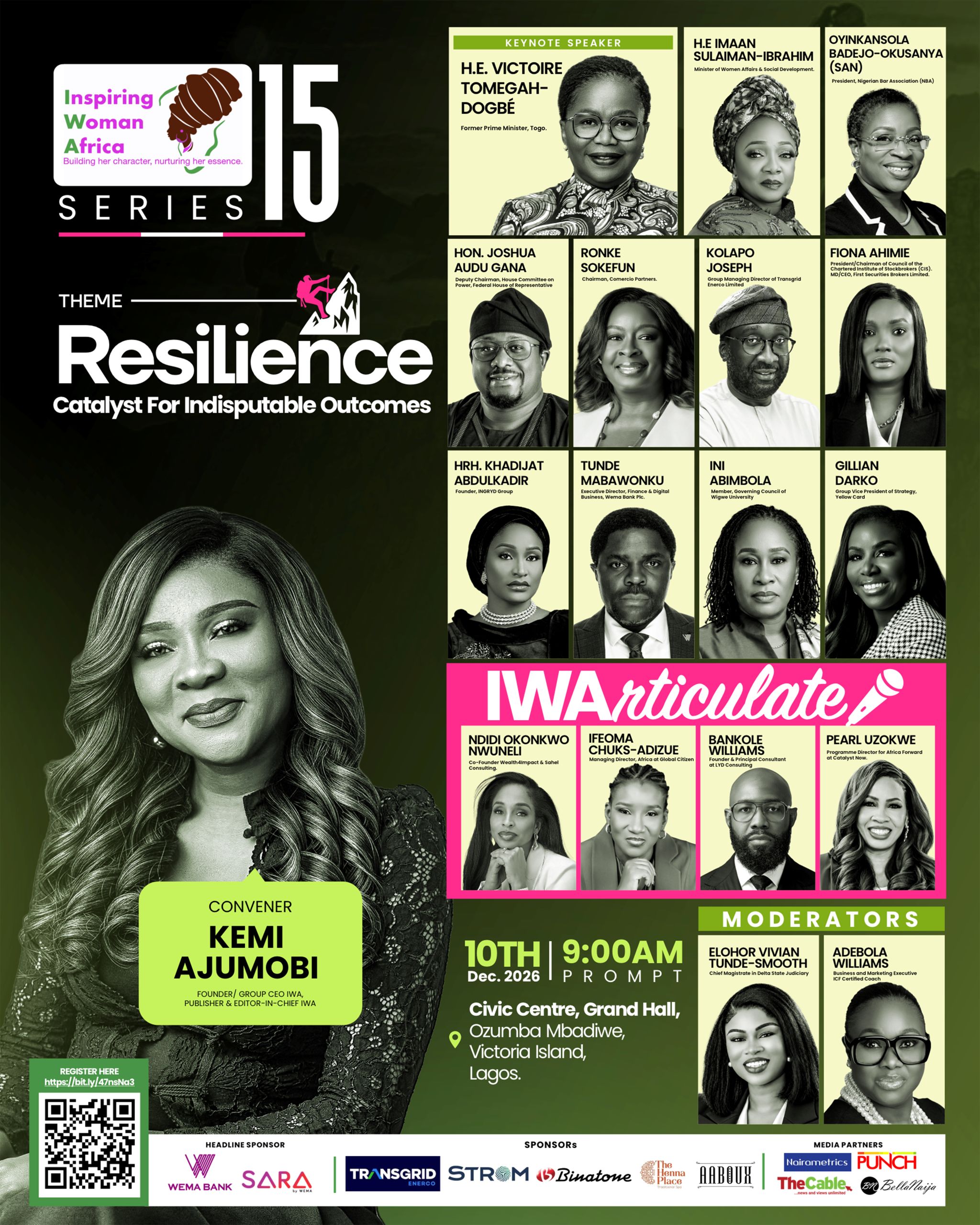
Click To Register
Latest Edition of IWA Magazine
October 20, 2026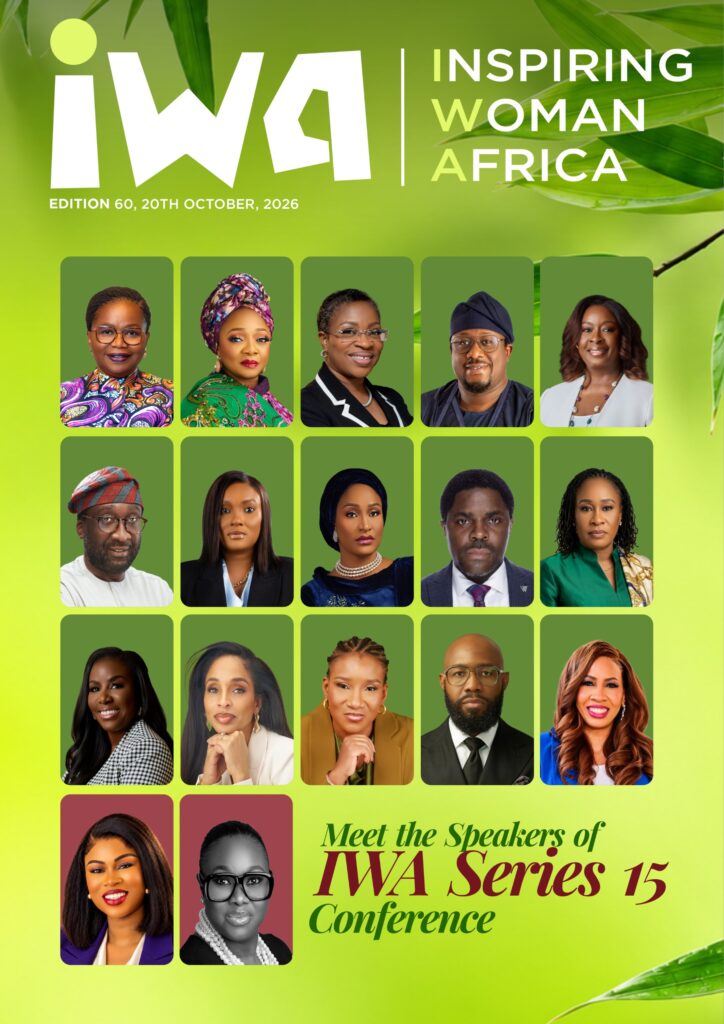
Meet the Speakers of IWA Series 15 Conference
Latest Posts
-
 Oct 20, 2026 Hard Conversations: The Skill No One Puts on a CV
 -
 Oct 20, 2026 5 Africa Women Listed as 2026 Forbes Icons
 -
 Oct 20, 2026 You Are Wealthier Than You Think