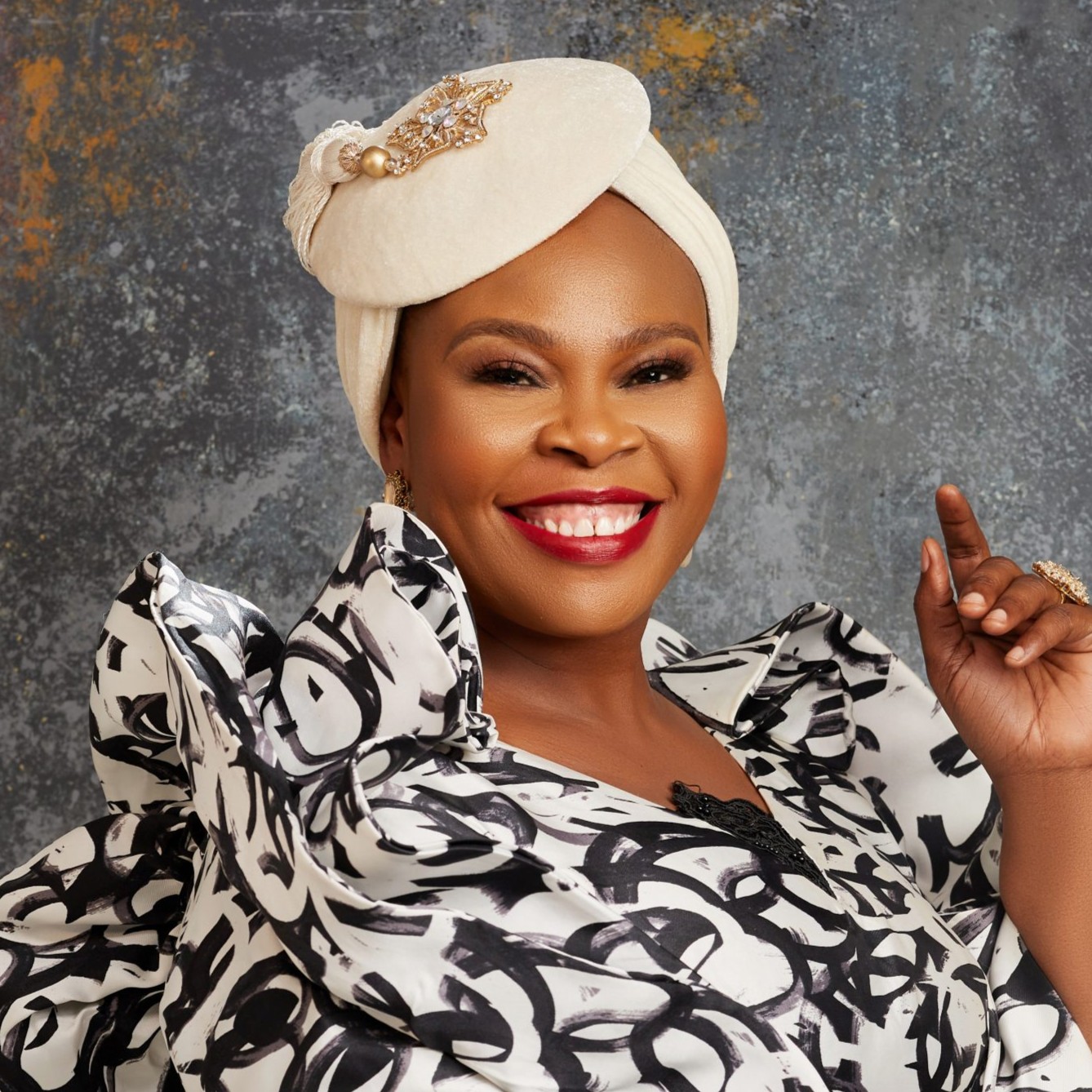
 Dr. Maymunah Yusuf Kadiri
International Women’s Day is often filled with celebration — flowers, applause, conferences, and powerful speeches about resilience. But beyond the spotlight lies a more important question: how are women really doing?
Across homes, offices, markets, hospitals, and classrooms, women continue to carry invisible weight. They give time, intellect, emotional labor, leadership, and care, often without pause. They show up, fix, nurture, organise, stabilise, and lead. And while society applauds their strength, many women are silently exhausted.
This year, perhaps the most powerful message we can share is this:
Give to Gain, but give wisely.
For generations, women have been conditioned to give until they are empty. Sacrifice has been romanticised. Endurance has been glorified. Rest has been labeled indulgent. The outcome is predictable: burnout, anxiety, hypertension, depression, strained relationships, and a gradual erosion of joy.
Holistic wellbeing demands a rewrite of that script.
Giving is not the problem. In fact, research consistently shows that purposeful giving such as mentorship, service, generosity, meaningful contribution activates reward pathways in the brain. It strengthens social bonds and increases life satisfaction. But there is a crucial distinction: aligned giving energizses; obligatory giving depletes. The difference lies in intention and boundaries.
Holistic wellbeing goes far beyond spa days or surface-level self-care. It is the integration of physical health, emotional balance, mental clarity, supportive relationships, and spiritual alignment. When one area suffers, the others inevitably follow. A woman who is chronically sleep-deprived cannot think clearly. A woman who suppresses her emotions cannot lead sustainably. A woman who neglects her health cannot continue to carry everyone else.
Consider Ada, a 42-year-old executive and mother of three. On paper, she was thriving. She chaired committees, mentored colleagues, volunteered in her community, and excelled at work. She was admired. But privately, she was unraveling. Insomnia crept in. Irritability replaced patience. Her blood pressure rose. She felt overwhelmed but unable to say no.
Ada believed her value was measured by how much she carried. Rest felt like weakness. Declining requests felt like failure. Her identity was built around being indispensable.
Then she paused.
She realised she was giving from obligation, not alignment. That shift changed everything. She stepped down from roles that no longer reflected her values. She limited after-hours work calls. She focused on one mentorship initiative that truly mattered to her. She scheduled non-negotiable time for exercise and rest.
Six months later, her energy improved. Her blood pressure stabilised. Her creativity returned. She became more present at home and more strategic at work. Ada did not give less — she gave better. And in doing so, she gained clarity, health, and influence.
That is the power of give to gain.
When women give with boundaries, they protect their longevity. When they give from overflow rather than emptiness, they sustain their impact. When they invest in themselves — therapy, movement, reflection, spiritual growth they build resilience that benefits everyone around them.
The ripple effect is profound. A regulated woman creates a calmer home. A mentally healthy leader builds a stronger organisation. Children raised by emotionally aware mothers learn healthy boundaries. Communities led by well women become more compassionate and innovative. Holistic wellbeing is not a private luxury; it is a public asset.
Yet, we must confront an uncomfortable truth: many systems reward overwork and overlook wellness. Workplaces often equate exhaustion with commitment. Cultures praise women who “do it all” without acknowledging the cost. If we truly want empowered women, we must normalize boundaries. We must design policies that support mental health. We must create safe spaces for conversations about burnout without stigma.
Strength is not measured by how much you endure. It is measured by how wisely you manage your energy.
In this International Women’s Month, the boldest act of empowerment may not be adding more to women’s plates, but teaching them how to protect their capacity. It is redefining ambition to include rest. It is celebrating women not only for their productivity but for their wholeness.
Imagine if every woman paused today to ask: Where am I giving from depletion? Where can I give from alignment instead? What do I need to receive so I can continue to lead?
The wellbeing of women shapes the wellbeing of families, organisations, and nations. When women are well, economies are stronger. Relationships are healthier. Leadership is wiser. Innovation is bolder.
Giving will always be part of a woman’s story. But it must no longer come at the cost of herself.
This International Women’s month, let us champion a new model of power rooted in holistic wellbeing. Let us raise daughters who understand that rest is strength. Let us build workplaces that value mental health as much as productivity. Let us honor women not just for how much they give, but for how sustainably they live.
Give, yes. But give wisely. Because when women gain their wellbeing, the world gains its future.
Dr. MAYMUNAH YUSUF KADIRI (aka DR. MAY) popularly referred to as “The Celebrity Shrink,” is a multiple award winning Mental Health Physician, Advocate & Coach. She is the convener of “The Mental Health Conference” and the Medical Director and Psychiatrist-In-Chief at Pinnacle Medical Services, Dr. Kadiri is a dynamic Consultant Neuro-Psychiatrist and a Fellow of the National Post Graduate Medical College of Nigeria (FMCPsych) with almost 20 years’ experience as a practicing Physician.
Latest Edition of IWA Magazine
October 14, 2026
TIWLC 2026: Ibukun Awosika Led Women To Lose Fear
Latest Posts
-
 Oct 14, 2026 PARTICIPANTS AT TIWLC 2026 DAY 1
 -
 Oct 14, 2026 The Four Numbers That Define Your Financial Life