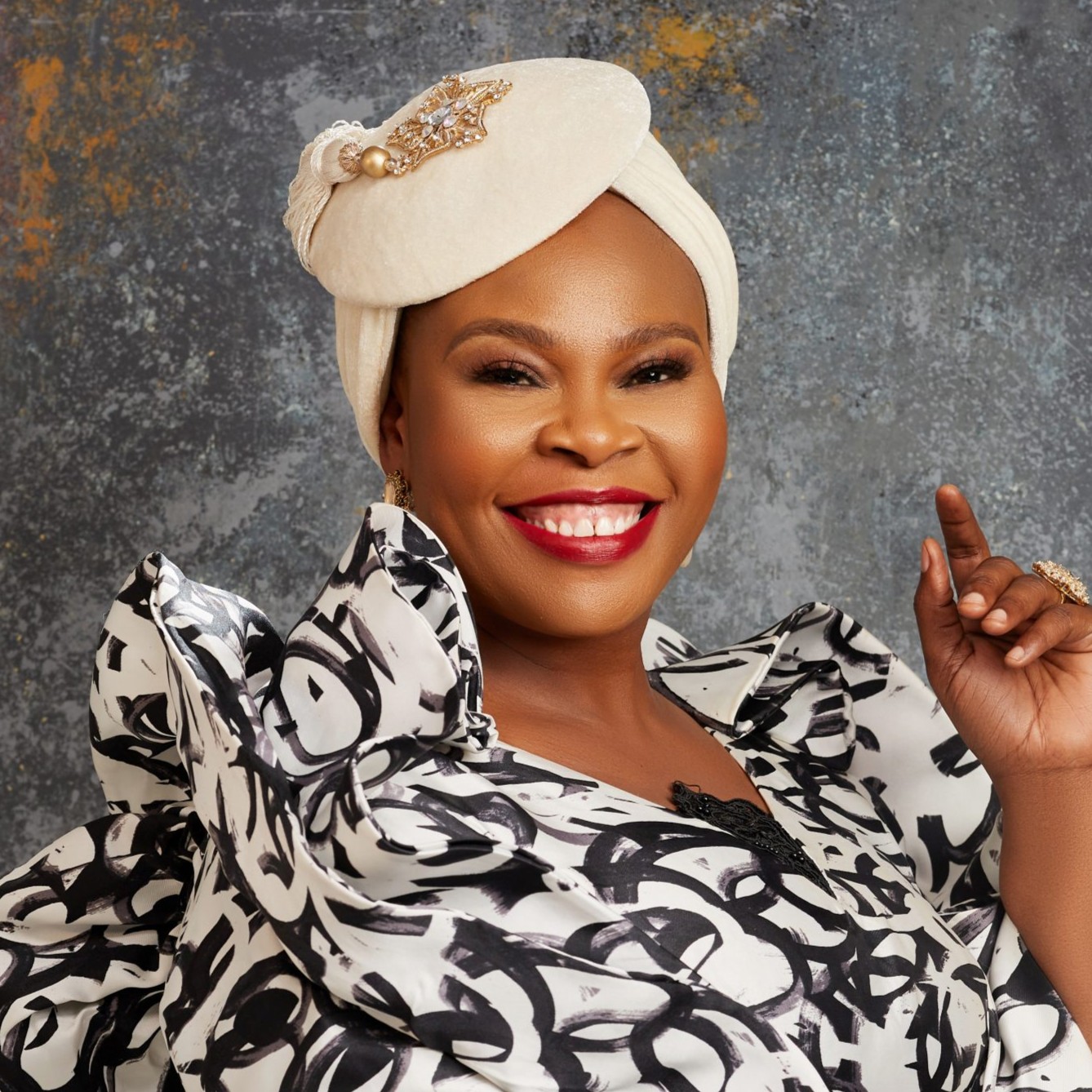
 Dr. Maymunah Yusuf Kadiri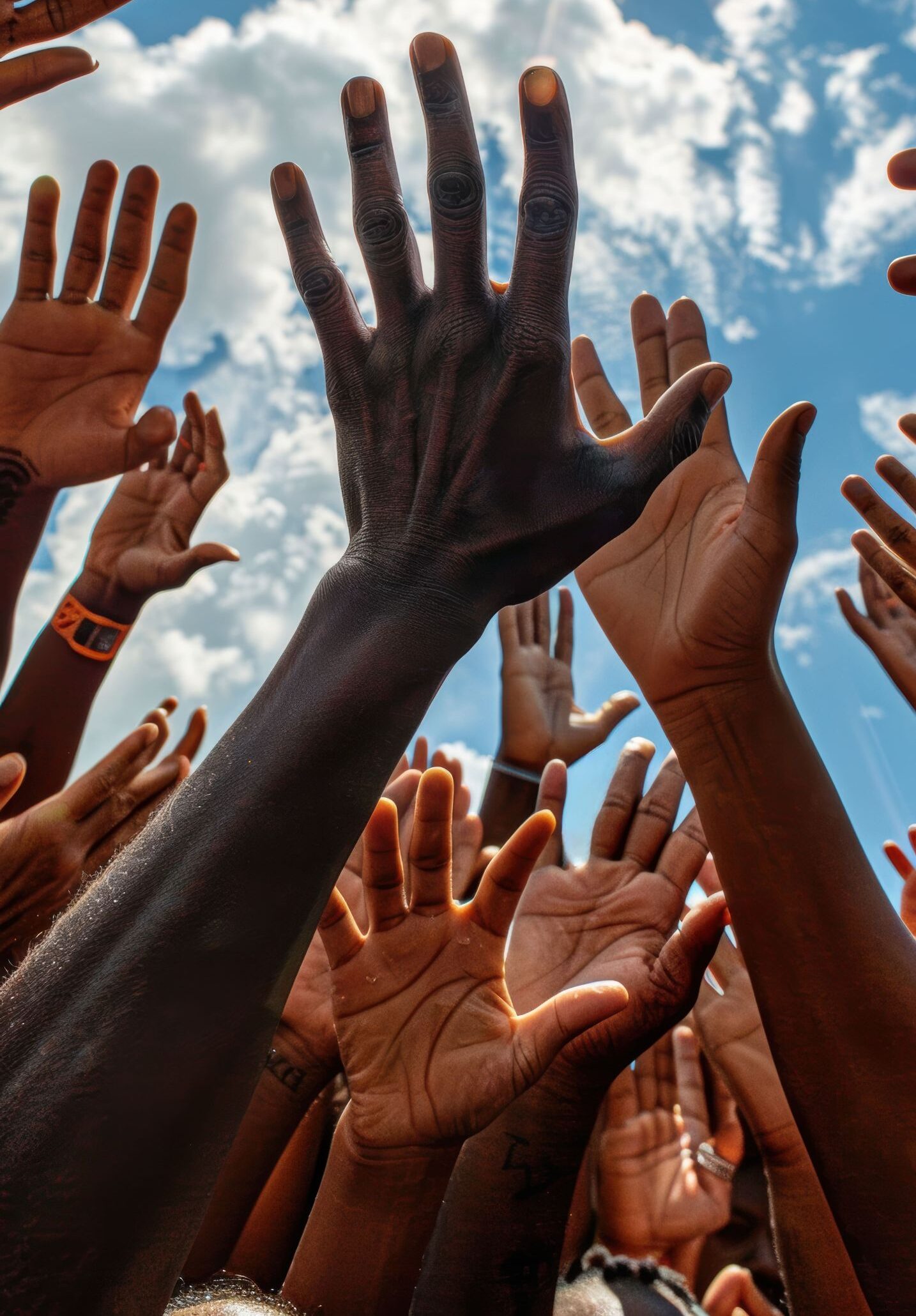
In a world increasingly obsessed with individual success, personal routines, and self-optimisation, we have quietly overlooked one of the most powerful determinants of human wellbeing: community. Health is not built in isolation. It is shaped, sustained, and sometimes destroyed by the environments we live in, the people we interact with, and the systems we collectively uphold.
In a small Nigerian village once stood a woman named Ifeoma—respected not because she held a title, but because she understood something many modern societies have forgotten that wellbeing is a shared responsibility. In her community, health challenges were not seen as individual failures but as collective concerns. And that shift in mindset changed everything.
Ifeoma did not start with hospitals or complex systems. She started with people. With conversations. With connection. She gathered her community under a tree, not just to talk about illness, but to talk about life. What emerged was not a health program; it was a movement.
They built a garden, not just to grow food, but to grow awareness. Families began to eat better, not because they were instructed to, but because they were involved. Children learned not just nutrition, but responsibility. Slowly, quietly, the village began to heal, not just physically, but emotionally and socially.
This is the essence of holistic living. Health is not merely the absence of disease. The World Health Organisation defines it as a state of complete physical, mental, and social wellbeing. Yet, in practice, we continue to treat it as a purely medical issue, something to be fixed in hospitals rather than nurtured in communities. The truth is this: no healthcare system, no matter how advanced, can compensate for a disconnected society.
Research consistently shows that strong social connections significantly improve mental health outcomes and reduce mortality risk. According to a meta-analysis published in PLOS Medicine, individuals with strong social relationships have a 50% increased likelihood of survival compared to those with weaker ties. This is not just sociology, it is biology.
Community creates accountability. It reinforces healthy behaviours. It provides emotional safety nets during times of stress, grief, and uncertainty. In environments where people feel seen, heard, and supported, resilience becomes a shared asset rather than an individual burden.
Beyond emotional support, communities are powerful vehicles for health education. When knowledge is localised—spoken in familiar languages, shared through trusted voices, it becomes more than information; it becomes action. From market squares to religious centers, from schools to digital platforms, communities have the power to translate awareness into everyday behavior.
Access to healthcare, often framed as a systemic issue, is also deeply influenced by community structures. Where formal systems fall short, communities step in by organising outreach programmes, facilitating vaccinations, and bridging gaps between healthcare providers and the people they serve. In many parts of Africa, community-driven health initiatives have proven to be more sustainable and culturally relevant than top-down interventions.
Equally important is the environment communities create. Clean water, safe spaces, access to green areas, and opportunities for physical activity are not luxuries; they are foundational to wellbeing. Urban planning, policy advocacy, and grassroots movements all play a role in shaping these environments. When communities demand better, systems respond.
But perhaps the most underestimated aspect of community is its impact on mental health. Loneliness, now described as a global epidemic, is linked to increased risks of depression, anxiety, cardiovascular disease, and even early mortality. In contrast, belonging—true, meaningful connection acts as a protective factor against many of these conditions.
What Ifeoma built was not just a healthier village. She built a culture of care. A system where people looked out for one another, where joy was shared, where struggles were not hidden, and where healing was collective.
This is the future, we must return to. As we navigate increasingly complex health challenges—from rising mental health disorders to lifestyle-related diseases—the solution will not come from medicine alone. It will come from rebuilding the social fabric that sustains human life.
We must begin to ask different questions. Not just “How do I stay healthy?” but “How do we stay healthy together?” Because the truth is simple, yet profound: your health is not just yours. It is shaped by your community and in turn, it shapes the community around you.
In the end, the strongest prescription we have may not be found in a pharmacy, but in connection, compassion, and collective responsibility. Health is not an individual pursuit. It is a shared journey. And the sooner we begin to walk it together, the healthier our world will become.
Dr. MAYMUNAH YUSUF KADIRI (aka DR. MAY) popularly referred to as “The Celebrity Shrink,” is a multiple award winning Mental Health Physician, Advocate & Coach. She is the convener of “The Mental Health Conference” and the Medical Director and Psychiatrist-In-Chief at Pinnacle Medical Services, Dr. Kadiri is a dynamic Consultant Neuro-Psychiatrist and a Fellow of the National Post Graduate Medical College of Nigeria (FMCPsych) with almost 20 years’ experience as a practicing Physician.
Latest Edition of IWA Magazine
September 15, 2026
Didi Esther Walson-Jack, OON, mni — Appointed to Lead, Legacy Built, Service Completed
Latest Posts
-
 Sep 15, 2026 The Battles You Win by Refusing to Fight