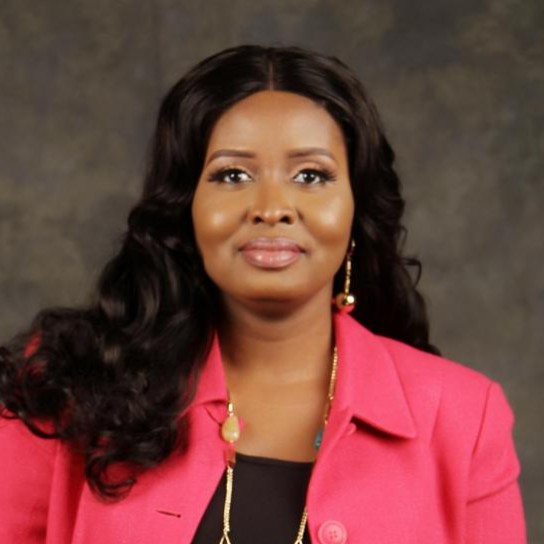
 Dr. Asmau Benzies Leo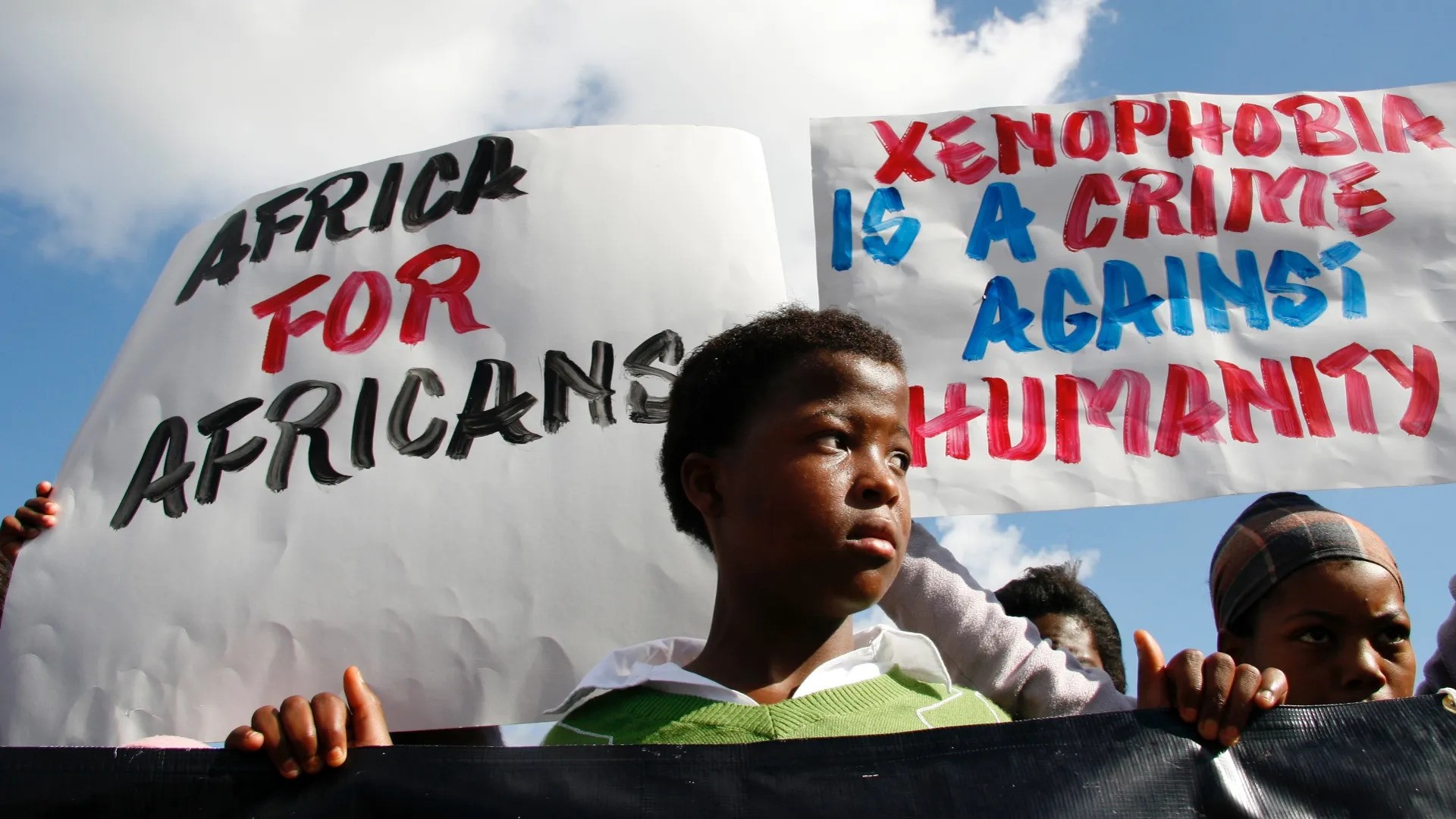
Across parts of South Africa, disturbing images and testimonies are once again emerging, images that strike at the heart of African unity. Videos circulating widely showing foreign women stripped, beaten, and publicly humiliated; children forced out of classrooms; and men particularly from Nigeria, Zimbabwe, and Ghana are targeted, attacked, and in some cases killed. These are not isolated incidents. They are part of a recurring wave of xenophobic and Afrophobic violence that continues to stain the promise of a united Africa.
At its core, this crisis is not only about migration or economic competition, it is about dignity, identity, and the dangerous politics of exclusion. Foreign nationals, many of whom have lived, worked, and contributed to South African society for years, are increasingly framed as scapegoats, blamed for unemployment, crime, and inequality. Yet behind these narratives are real human lives; families torn apart, dreams shattered, and communities living in constant fear.
Women and children are bearing the brunt of this violence in ways that are both visible and deeply hidden. The public stripping and assault of women is not merely an act of physical violence; it is a calculated weaponisation of shame. It seeks to dehumanise, to strip away not just clothing but identity, safety, and worth. For many of these women; traders, mothers, caregivers, the marketplace or street has become a battlefield where their bodies are used as symbols of rejection.
Children, too, are caught in this cruel storm. Reports of foreign children being turned away from schools reveal a troubling erosion of basic rights. Education, which should be a sanctuary and a pathway to hope, is instead becoming another site of exclusion. These children are growing up in fear, internalising messages that they do not belong, that they are less worthy, that their futures are negotiable. The psychological scars of such rejection may last far longer than the violence itself.
For men, particularly young African migrants, the threat is often fatal. They are profiled, hunted, and attacked, their livelihoods destroyed overnight. Shops are looted, homes are burned, and entire communities are displaced. What we are witnessing is not just xenophobia, but a collapse of empathy, a breakdown of African solidarity, and a betrayal of shared humanity.
This makes the situation all the more painful when viewed through the lens of history. During the dark years of Apartheid, many African nations stood firmly with South Africa’s liberation struggle. Nigeria, in particular, played a defining role, providing financial support, diplomatic pressure, and a safe haven for exiled South Africans. Ordinary Nigerians contributed to what came to be known as the “Mandela tax,” which is sacrificing from what little they had to support freedom fighters. Across the continent, there was a shared conviction that the freedom of one African nation was bound to be the freedom of all.
Today, that legacy feels painfully betrayed.
Equally troubling is the slow and muted response from leadership. The silence or near silence of the Nigerian government in the face of these atrocities is as deafening as the violence itself. In moments like this, neutrality is not wisdom; it is complicity. As Martin Luther King Jr. once warned, “In the end, we will remember not the words of our enemies, but the silence of our friends.” To remain quiet in the face of injustice is to take sides with the aggressor.
Nigeria, often described as the “Giant of Africa,” carries not just economic weight but moral responsibility. Its voice matters. Its actions or inaction set a tone for the continent. Diplomatic caution must not become moral paralysis. There is an urgent need for decisive engagement, like summoning envoys, demanding accountability, ensuring the safety of its citizens, and providing immediate support; legal, psychological, and logistical to the victims.
The African Union, too, must rise beyond rhetoric. As the custodian of Africa’s unity and human rights framework, it cannot afford to respond with routine statements while African lives are desecrated in the streets. There is a need for urgent fact-finding missions, enforcement of human rights protocols, and high-level mediation that addresses not just the symptoms but the root causes of xenophobia; economic inequality, political manipulation, and social fragmentation.
But beyond institutions, this moment demands a deeper reckoning. How did Africa arrive at a place where Africans brutalize fellow Africans with such impunity? How did shared histories of oppression and resistance give way to cycles of exclusion and violence?
What we are witnessing is both pitiful and profoundly shameful not only because of the brutality itself, but because it reflects a failure of memory. A failure to remember the solidarity that once defined the continent. A failure to uphold the dignity that liberation struggles were meant to secure.
The images of women stripped in the streets, of children turned away from classrooms, of men hunted and killed. These are not just news stories, they are indictments. They challenge the very idea of African unity and force us to confront an uncomfortable truth: that the dream of a borderless, compassionate Africa remains fragile.
If Africa is to move forward as a community bound by shared destiny, then this moment demands more than outrage. It demands courage; political, moral, and collective. It demands that nations like Nigeria find their voice, that institutions like the African Union find their strength, and that ordinary Africans reclaim their humanity.
Until that is done, the silence will linger, as heavy and as damaging as the violence itself.
Dr. Asmau Benzies Leo is a development practitioner with extensive national and international expertise in gender equality, peace-building, governance, and humanitarian action. She holds a PhD in Public Governance and Leadership, a Master’s degree in Conflict Management and Peace Studies, and executive certifications from leading institutions including Howard University, Harvard University and Glasgow Caledonian University. As Executive Director of the Centre for Non-violence and Gender Advocacy in Nigeria (CENGAIN), she has led ground-breaking advocacy initiatives on women’s political participation, gender-based violence prevention, and security sector reform across multiple World Bank, UN and EU-supported projects.
The IWA Series 15 Conference is Here
Click To Register
Latest Edition of IWA Magazine
October 20, 2026
Meet the Speakers of IWA Series 15 Conference
Latest Posts
-
 Oct 20, 2026 Hard Conversations: The Skill No One Puts on a CV
 -
 Oct 20, 2026 5 Africa Women Listed as 2026 Forbes Icons
 -
 Oct 20, 2026 You Are Wealthier Than You Think