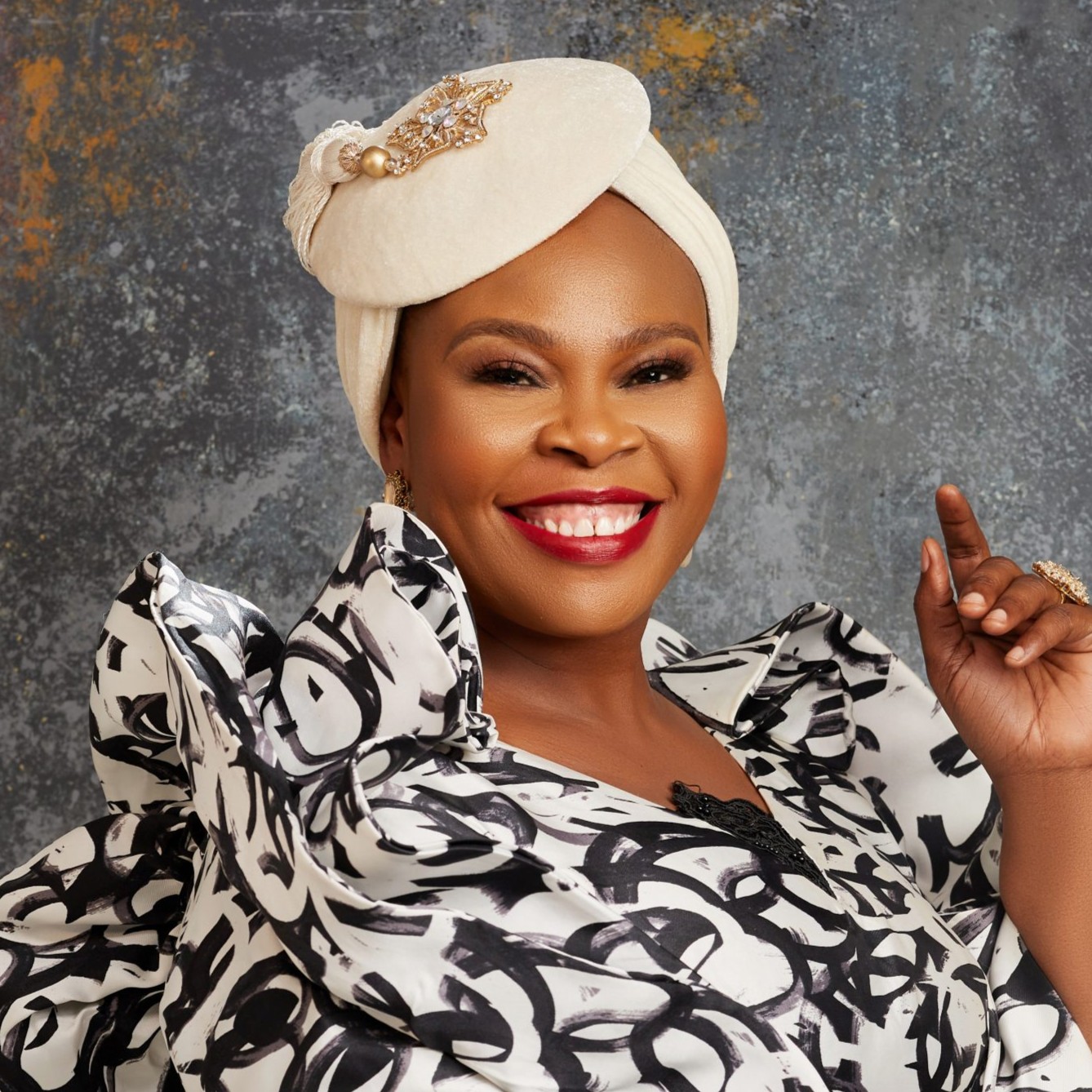
 Dr. Maymunah Yusuf Kadiri
In an age where wellness has been reduced to routines, supplements, and solo self-improvement, we are missing one of the most powerful forces that determine how long and how well we live: human connection. Health is not built in isolation. It is shaped in conversations, sustained in communities, and restored in relationships.
In the heart of Lagos lived a woman named Amina, whose life quietly reflected this truth. She was not wealthy, nor did she have access to elite healthcare systems. What she had was something far more powerful—deep, meaningful relationships. Her days were filled with shared meals, laughter, and a strong sense of belonging. She was surrounded by people who knew her, cared for her, and showed up for her. When illness came, as it inevitably does, it did not meet her alone.
Amina’s diagnosis was serious. A persistent cough had evolved into a severe lung infection requiring urgent medical attention. But what shaped her recovery was not just the treatment she received; it was the presence of people. Her friend Nkechi stood by her side, not just as a visitor, but as emotional strength. Her community rallied around her, offering meals, prayers, and support. In that moment, care became collective and that changed everything.
Modern medicine often focuses on prescriptions, procedures, and protocols. Yet, growing scientific evidence continues to reveal a deeper truth: relationships are as critical to health as diet, exercise, and medication. A landmark meta-analysis published in PLOS Medicine found that individuals with strong social relationships have a 50% increased likelihood of survival compared to those with weaker social ties. This is not anecdotal, it is evidence-based.
Social connection regulates stress, strengthens the immune system, and improves cardiovascular health. People who feel supported tend to have lower blood pressure, healthier coping mechanisms, and better recovery outcomes. Conversely, chronic loneliness has been linked to increased risks of depression, anxiety, heart disease, and even early mortality.
Beyond biology, relationships shape behaviour. We do not live in isolation. Our habits are influenced by the people around us. When we are embedded in communities that prioritise healthy living, whether through shared meals, physical activity, or emotional openness, we are more likely to adopt those behaviours ourselves. Health, in this sense, becomes contagious.
Equally important is the role relationships play in how we cope with life’s inevitable stressors. The ability to share burdens, to be heard without judgment, and to receive reassurance during uncertainty is not a luxury, it is a psychological necessity. Without it, stress accumulates, silently eroding both mental and physical health.
Yet, despite this knowledge, modern lifestyles are increasingly disconnecting us. Urbanisation, digital dependence, and the pursuit of individual success have created a paradox, we are more connected than ever, yet deeply alone. Many people now have wide networks but few meaningful relationships. And it is the depth, not the number, of connections that truly matters.
Holistic living demands a shift in perspective. It requires us to see health not as a personal project, but as a shared experience. It calls for intentional investment in relationships, not just when things go wrong, but as a daily practice.
This means showing up for people. It means building communities where vulnerability is not punished but embraced. It means creating environments—at home, at work, and in society where people feel safe, valued, and supported.
The implications extend beyond individuals to systems. Policymakers, organisations, and community leaders must begin to recognise social connection as a public health priority. From urban planning that encourages interaction to workplace cultures that foster belonging, the structures we build must support the relationships that sustain us.
Amina’s story is not just about recovery. It is about revelation. She discovered that her greatest asset was not her treatment plan, but her people. And in a world searching for the next breakthrough in health, perhaps the answer has been here all along.
Connection is not a luxury. It is not optional. It is essential. This is because in the end, the quality of your life will not only be determined by what you eat, how you exercise, or how often you rest. It will be shaped by who walks the journey with you…. And that is the true foundation of holistic health.
Dr. MAYMUNAH YUSUF KADIRI (aka DR. MAY) popularly referred to as “The Celebrity Shrink,” is a multiple award winning Mental Health Physician, Advocate & Coach. She is the convener of “The Mental Health Conference” and the Medical Director and Psychiatrist-In-Chief at Pinnacle Medical Services, Dr. Kadiri is a dynamic Consultant Neuro-Psychiatrist and a Fellow of the National Post Graduate Medical College of Nigeria (FMCPsych) with almost 20 years’ experience as a practicing Physician.
Latest Edition of IWA Magazine
September 15, 2026
Didi Esther Walson-Jack, OON, mni — Appointed to Lead, Legacy Built, Service Completed
Latest Posts
-
 Sep 15, 2026 The Battles You Win by Refusing to Fight