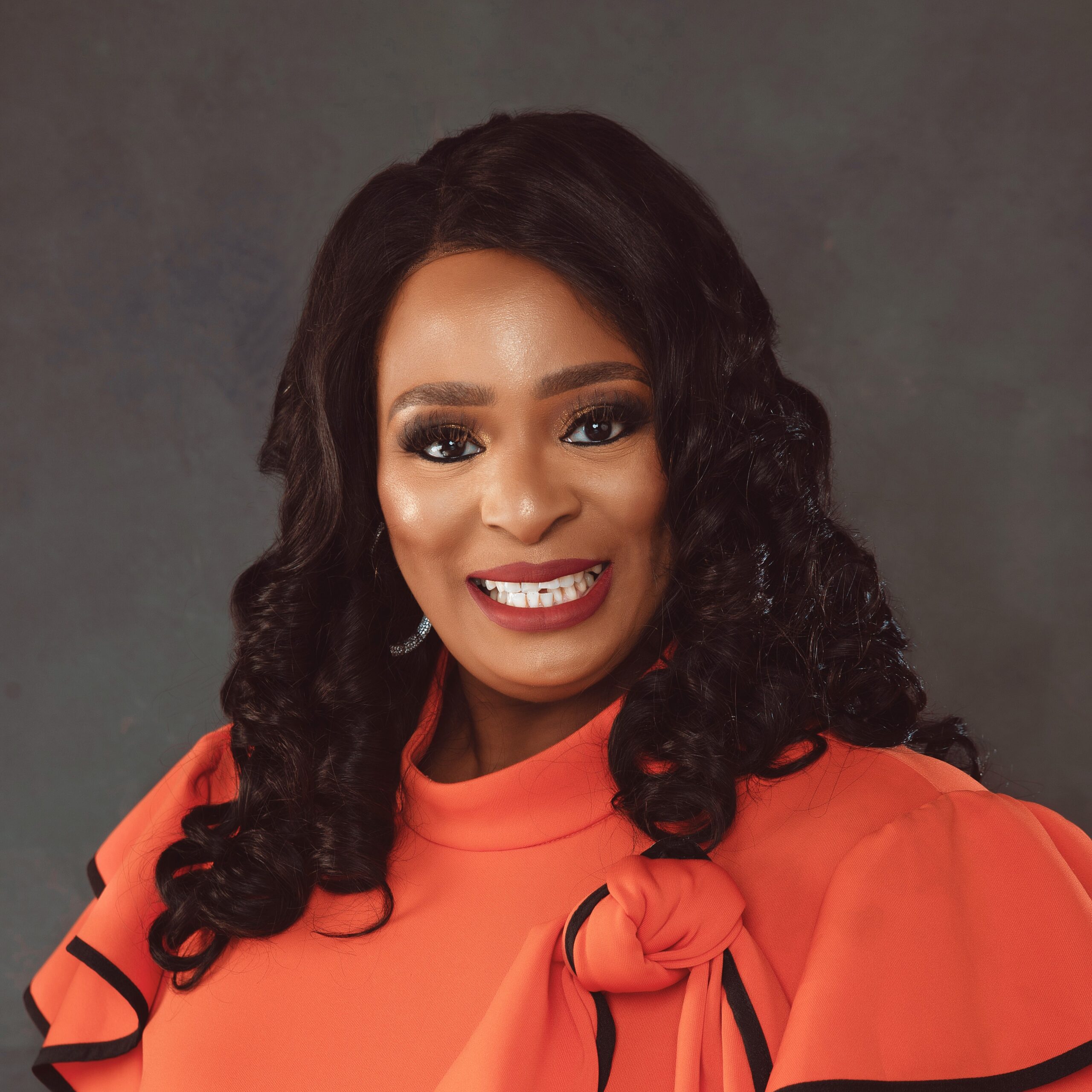
 Chinyere Okorocha
One of the most common conversations I have with women seeking career growth goes something like this:
“Once I become a manager, I’ll start thinking more strategically.”
“When I become a director, I’ll become more visible.”
“When I get promoted, I’ll take on bigger responsibilities.”
My response is usually the same:
“No. Start now.”
One of the biggest mistakes professionals make, particularly women, is waiting for the title before they begin operating at the next level.
The reality is that promotions rarely work that way.
Most organisations do not promote people based on what they hope they will become. They promote people based on evidence of what they are already doing.
In other words, if you want the next role, you must begin demonstrating your ability to perform at that level before the title arrives.
This is one of the most important career lessons I have learned over the course of my professional journey.
The Promotion Trap
Many talented women become trapped in a cycle of waiting.
They wait for recognition.
They wait for permission.
They wait for someone to notice their potential.
They wait for the promotion before stretching themselves.
Meanwhile, the professionals who advance most quickly are often those who are already thinking, behaving, and contributing at the level above their current position.
They understand that promotions are not usually awarded for potential alone. They are awarded when decision-makers have confidence that the individual can already handle the responsibilities of the next role.
That confidence is built through observation.
People need to see you doing it before they trust you with it.
A Lesson I Learned Early
Early in my career, I noticed something interesting about the people who advanced fastest.
They were not necessarily the smartest people in the room.
Nor were they always the most experienced.
What set them apart was that they approached their work differently.
While others focused only on completing assigned tasks, they thought about the bigger picture.
They anticipated problems.
They proposed solutions.
They took ownership.
They contributed beyond the narrow boundaries of their job descriptions.
Long before they received leadership titles, they had already started behaving like leaders.
That observation stayed with me throughout my career.
As opportunities arose, I consciously tried to look beyond the immediate task in front of me and understand the broader objectives of the team, the client, the organisation, or the project.
Over time, that mindset opened doors to leadership opportunities that may otherwise have taken much longer to materialise.
Think Like the Person You Want to Become
If you aspire to become a manager, start thinking like one.
Don’t simply focus on your own workload. Learn how decisions affect the wider team.
Take an interest in budgets, strategy, planning, stakeholder management, and problem-solving.
If you aspire to become a director, begin developing an enterprise-wide perspective.
Understand how the business makes money.
Learn how different departments interact.
Pay attention to industry trends and organisational priorities.
If you aspire to sit on boards, begin developing governance skills, strategic thinking, and the ability to see beyond day-to-day operations.
The higher you rise, the less your value is defined by technical execution alone and the more it is defined by judgment, influence, leadership, and strategic thinking.
Start building those muscles now.
Raise Your Hand Before You Feel Ready
One pattern I have observed repeatedly among women is the tendency to wait until they feel completely ready before volunteering for new opportunities.
Men, on the other hand, often raise their hands when they are only partially ready.
As women, we sometimes underestimate our capabilities and overestimate the qualifications required.
The result is that we miss valuable opportunities to grow.
Some of the most significant opportunities in my own career arrived before I felt fully prepared.
International speaking engagements.
Leadership positions.
Board appointments.
Industry roles.
Had I waited until I felt completely ready, I might still be waiting.
Growth rarely happens within the comfort zone.
Very often, confidence follows action, not the other way around.
Five Ways to Start Operating at the Next Level
First, take ownership beyond your job description. Look for problems to solve, not just tasks to complete.
Second, become more strategic. Ask yourself not just “What am I doing?” but “Why does this matter?”
Third, improve your communication skills. Senior leaders are expected to influence, persuade, and communicate effectively.
Fourth, seek visibility. Share ideas, contribute to discussions, and make your expertise known.
Fifth, invest in continuous learning. The next level often requires skills you have not yet developed.
Become the Obvious Choice
The professionals who advance most consistently are rarely surprises.
When promotion discussions take place, their names emerge naturally because decision-makers have already seen evidence that they can perform at the next level.
They have become the obvious choice.
That should be your goal.
Do not wait for the title before acting like a leader.
Do not wait for permission before demonstrating initiative.
Do not wait for someone else to recognise your potential before you start living up to it yourself.
The most successful careers are built when preparation meets opportunity.
And preparation begins long before the promotion letter arrives.
So, if there is one piece of big-sister advice I would leave you with, it is this:
Stop asking yourself whether you are ready for the next level.
Instead, ask yourself this question:
“What would someone at the next level be doing today?”
Then start doing it.
Because the fastest way to get promoted is often to become the person the promotion is looking for before it arrives.
About Author
Chinyere Okorocha
With over three decades of experience as a trailblazer in the legal profession, Chinyere Okorocha has established herself as a leading voice in law, leadership, and career growth for women. As a partner in one of the most prestigious law firms in the country, she has not only navigated the complexities of a competitive industry but has consistently broken barriers to become a sought-after leader, mentor, and advocate for women in the workplace. A devoted wife and proud mother of three, her career development platform, Heels & Ladders, is dedicated to mentoring and guiding women who aspire to redefine success, achieve career mastery, and lead with purpose.
Latest Edition of IWA Magazine
September 8, 2026
Surviving the Genocide Against the Tutsi in Rwanda: ASSUMPTA NUMUKOBWA and DIMITRIE SISSI MUKANYILIGIRA Turned Pain to Purpose
Latest Posts
-
 Sep 8, 2026 You Cannot Lead From a Broken Vessel