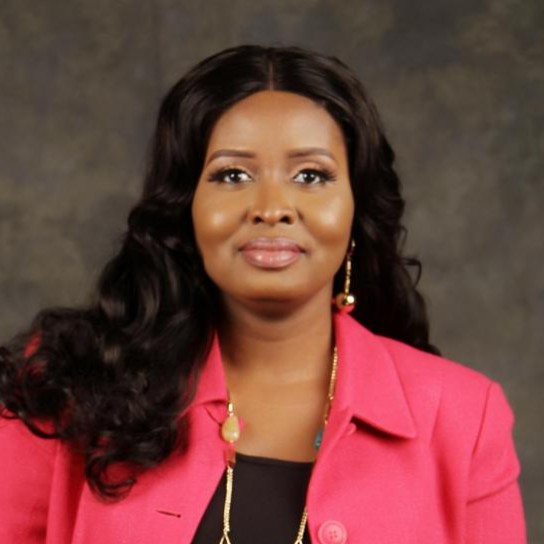
 Dr. Asmau Benzies Leo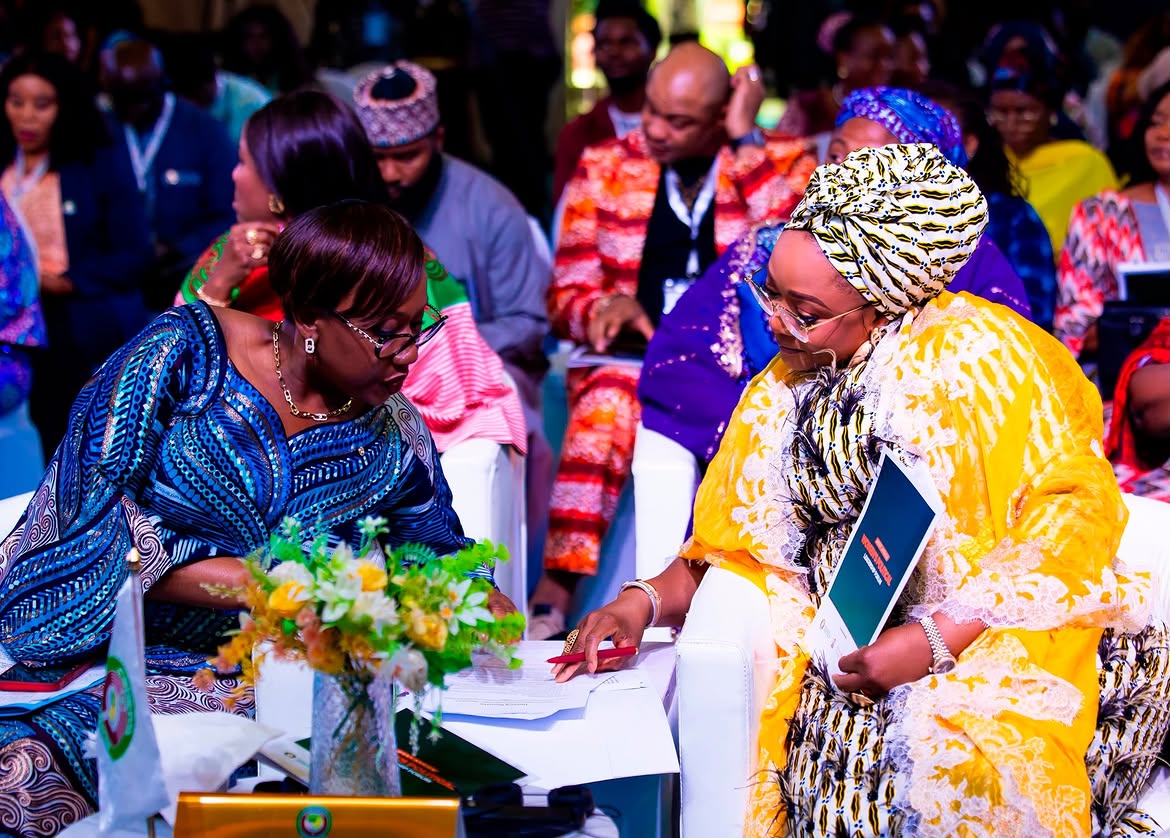
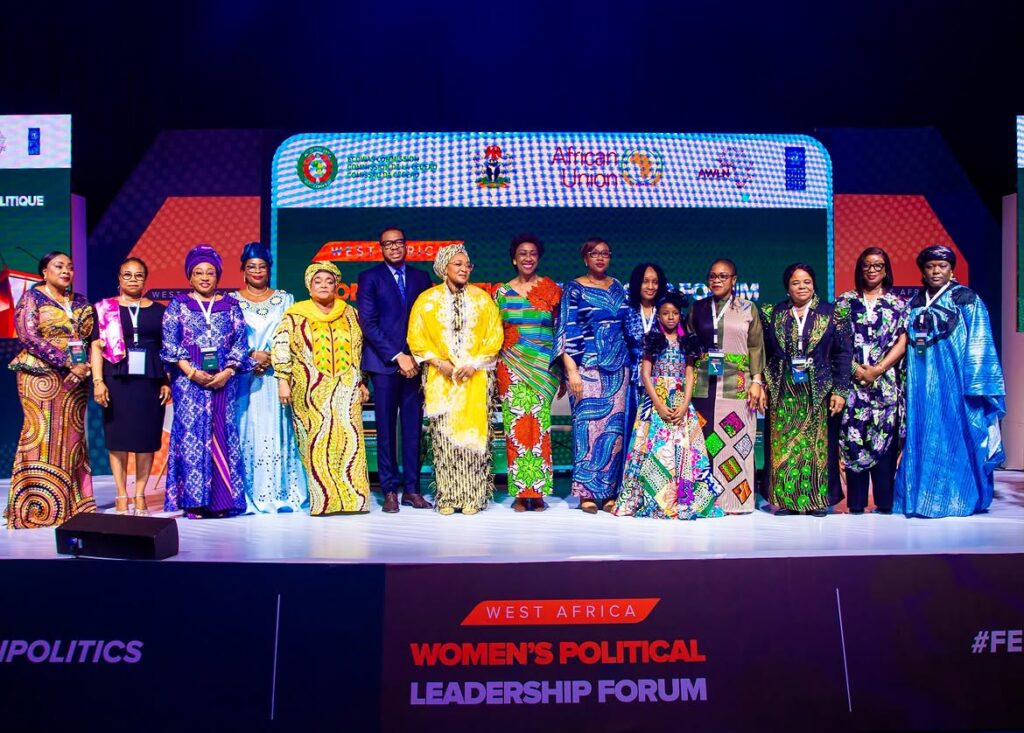
In a defining moment for gender equality across West Africa, a formidable coalition of women leaders, high level policymakers, and international development partners gathered in Nigeria’s capital city for a two-day summit with a singular, uncompromising objective: to dismantle systemic barriers and transform decades of symbolic rhetoric into tangible political power for women.
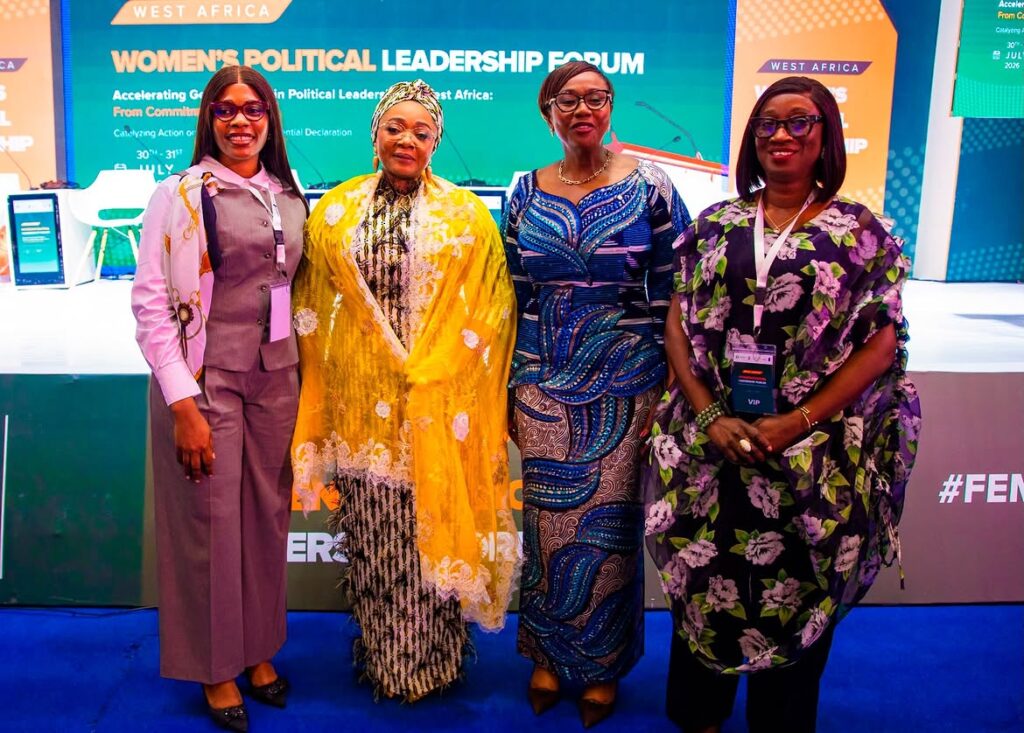
Held from July 30 to 31, 2026, the High Level Women’s Political Leadership Forum convened by the African Women Leadership Network (AWLN) under the theme, Accelerating Gender Parity in Political Leadership in West Africa: From Commitments to Action.” Organised against a backdrop of complex political transitions and social challenges across the sub-region, the forum culminated in the unanimous adoption of a landmark regional roadmap, the Abuja Regional Action Agenda, designed to fast-track women’s inclusion in governance and decision making architecture across all West African nations.
Addressing a packed auditorium of delegates at the Transcorp Hotel Abuja, Nigeria’s Minister of Women Affairs, H.E Imaan Sulaiman-Ibrahim, delivered a sharp critique of current democratic governance structures that continue to sideline half their populace:
“A democracy that governs with half its talent is not simply unjust, it is underperforming.” Imaan said.
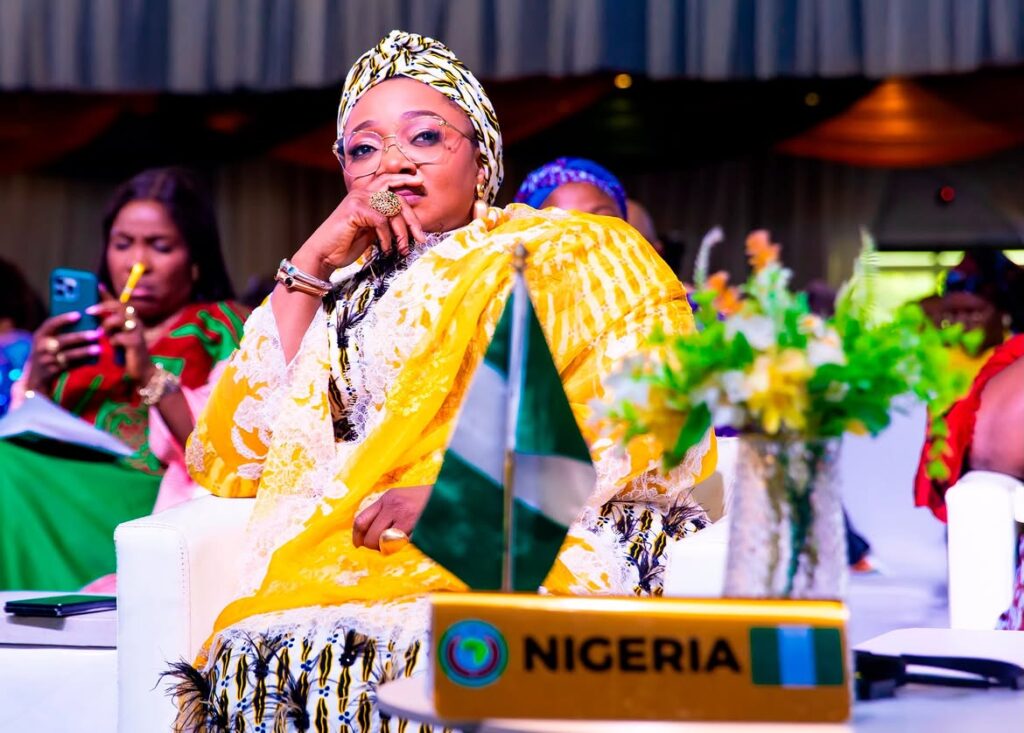
Her statement captured the sobering statistical reality that framed every panel discussion and working session throughout the forum. Despite decades of international treaties, regional protocols, and advocacy campaigns, women’s political representation in West Africa remains alarmingly low:
• 18.4% of parliamentary seats in West Africa are held by women.
• Less than 10% of elective offices in Nigeria are occupied by women.
What emerged unequivocally from the proceedings is that gender inequality in politics can no longer be dismissed as merely a social or women’s issue. Instead, delegates framed it as an active development crisis that directly impairs economic growth, public trust, and political stability across the region.
The forum brought together an influential assembly of the region’s most prominent female actors and advocates, including:
Marie-Louise Mwange, representative of the African Women Leaders Network (AWLN) Co-Convener Bineta Diop, Damtien Tchintchibidja, Vice-President of the ECOWAS Commission, Chantal Fanny, President of the ECOWAS Female Parliamentarians Association, Catherine Touré, representing the AWLN Private Sector Coalition.
From passionate keynote addresses to pragmatic policy breakouts, these leaders spoke with one clear message: the era of decorative commitments, token appointments, and unfulfilled pledges is over.
Research presented during the forum reinforced the concrete benefits of balanced governance. Empirical evidence across regional and global case studies showed that countries with higher female political representation consistently achieve:
1. Stronger Institutional Accountability: Lower rates of public corruption and greater fiscal transparency.
2. Inclusive Policymaking: Legislation that prioritises healthcare, public education, social safety nets, and family welfare among others.
3. Better Social Outcomes: Improved human development indicators and more durable post-conflict peacebuilding processes.
Breaking Down the Barriers:
Achieving parity requires confronting the deep-seated obstacles that historically keep women off the ballot. Delegates systematically identified five persistent barriers stifling progress:
1. Weak Enforcement of Quotas: A lack of legal teeth behind existing gender equity guidelines.
2. Patriarchal Social Norms: Deep seated cultural biases that frame political leadership as an exclusively male domain.
1. Political Violence: Targeted physical, emotional, and digital harassment designed to intimidate female candidates.
2. High Cost of Political Participation: Hyper-monetized campaign environments that disproportionately exclude women.
5. Exclusionary Party Systems: Opaque candidate selection processes controlled by internal political gatekeepers.
As host, Nigeria stood at the center of both leadership and intense scrutiny. Despite boasting of comprehensive policy frameworks on paper, Nigeria’s progress has stalled due to heavily monetized political systems, repeated failures of constitutional reform amendments aimed at creating special seats for women, and delayed gender equality bills in the National Assembly. However, hosting the forum signaled a renewed national willingness to confront these political bottlenecks head-on.
To bridge the gap between promises and implementation, the summit unveiled the Abuja Regional Action Agenda, an eight-point strategic blueprint designed to bind governments, political parties, and civil society to concrete action:
1. Enforce Gender Quotas: Establish legally mandated quotas for elective and appointive posts, complete with enforcement mechanisms for non-compliant political parties.
2. Reform Political Parties: Internalise gender equity within party constitutions and nomination structures.
3. Fund Women’s Participation: Create public and private campaign finance networks and subsidies for female candidates.
4. Address Political Violence: Enact strict legal protections and rapid-response frameworks to shield women from electoral violence and online harassment.
5. Build Leadership Pipelines: Invest in continuous political education, candidate incubators, and mentorship.
6. Improve Gender Data Systems: Build regional databases to track gender metrics in appointments, elections, and voting patterns in real time.
7. Strengthen Regional Accountability: Establish monitoring frameworks through ECOWAS to hold member states accountable to their commitments.
8. Drive Public Advocacy: Mobilise community-level campaigns to shift cultural mindsets and dismantle patriarchal stereotypes.
This is no longer about inclusion, it is about transformation.
Investing in the Next Generation
Recognising that long-term political equality requires early investment, the forum placed significant emphasis on young women leaders. A key highlight was the announcement of the upcoming African Academy for Women in Political Leadership in Kigali, Rwanda. Designed as a regional training ground, the academy will focus on:
•Training emerging female political leaders in campaign management and media strategy.
•Providing direct mentorship from seasoned women parliamentarians and ministers.
•Building cross-border political networks to support female candidates across Africa.
As the High-Level Forum drew to a close, one crucial question lingered among delegates and observers alike: Will West African governments move swiftly to implement these decisions, or will this become another forgotten declaration stored on regional shelves?
Participants made it clear that civil society, regional bodies, and women’s coalitions will actively monitor implementation. The true measure of the summit will not be found in the eloquence of its speeches, but in the political legal reforms adopted in the months ahead.
For millions of women across West Africa, the Abuja summit offers more than policy promises, it presents a tangible blueprint of possibility. For the sub-region as a whole, converting these commitments into political action may well be the historic turning point governance has been waiting for.
About Author
Asmau Benzies Leo
Dr. Asmau Benzies Leo is a development practitioner with extensive national and international expertise in gender equality, peace-building, governance, and humanitarian action. She holds a PhD in Public Governance and Leadership, a Master’s degree in Conflict Management and Peace Studies, and executive certifications from leading institutions including Howard University, Harvard University and Glasgow Caledonian University. As Executive Director of the Centre for Non-violence and Gender Advocacy in Nigeria (CENGAIN), she has led ground-breaking advocacy initiatives on women’s political participation, gender-based violence prevention, and security sector reform across multiple World Bank, UN and EU-supported projects.
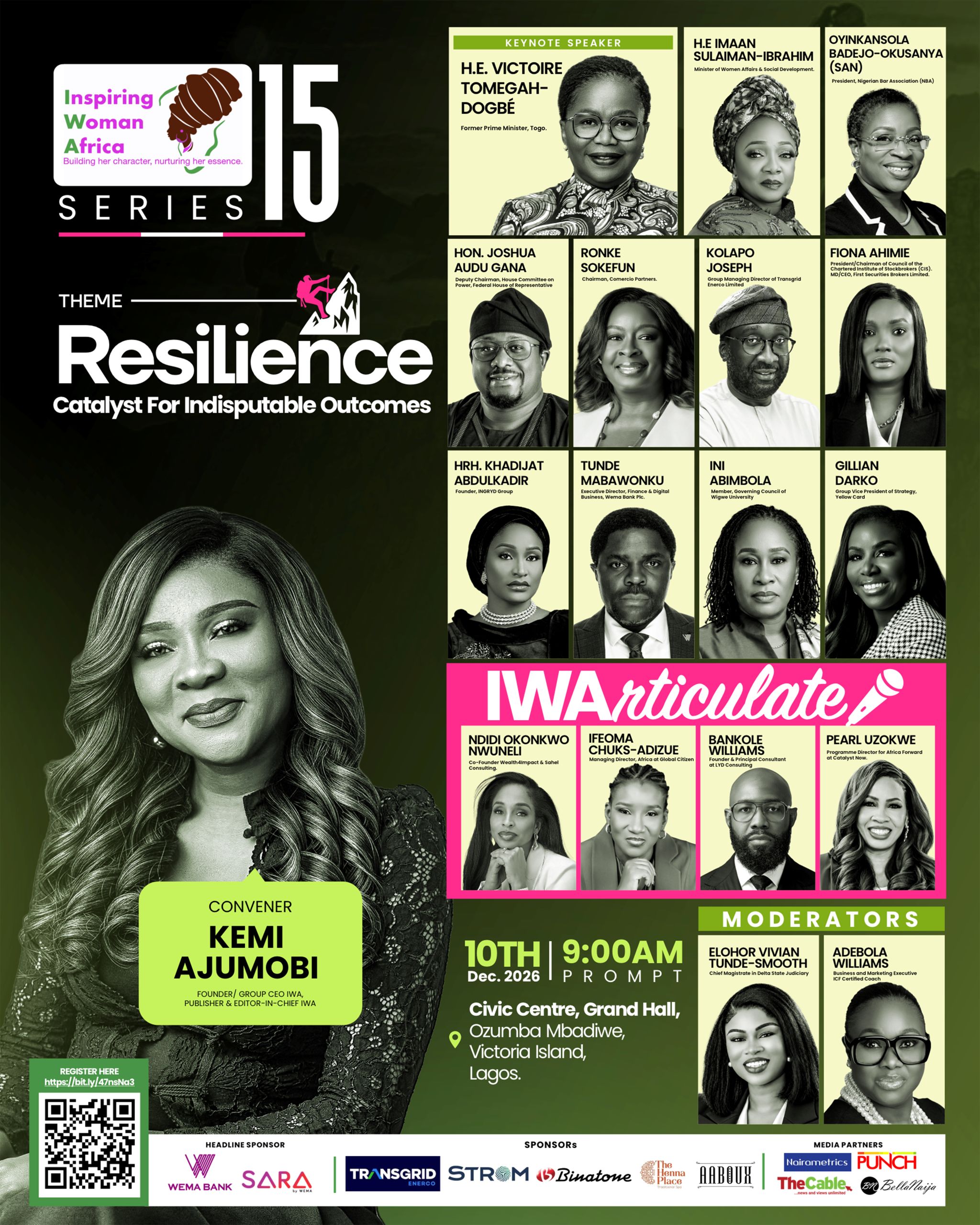
The IWA Series 15 Conference is Here
Click To Register
Latest Edition of IWA Magazine
October 20, 2026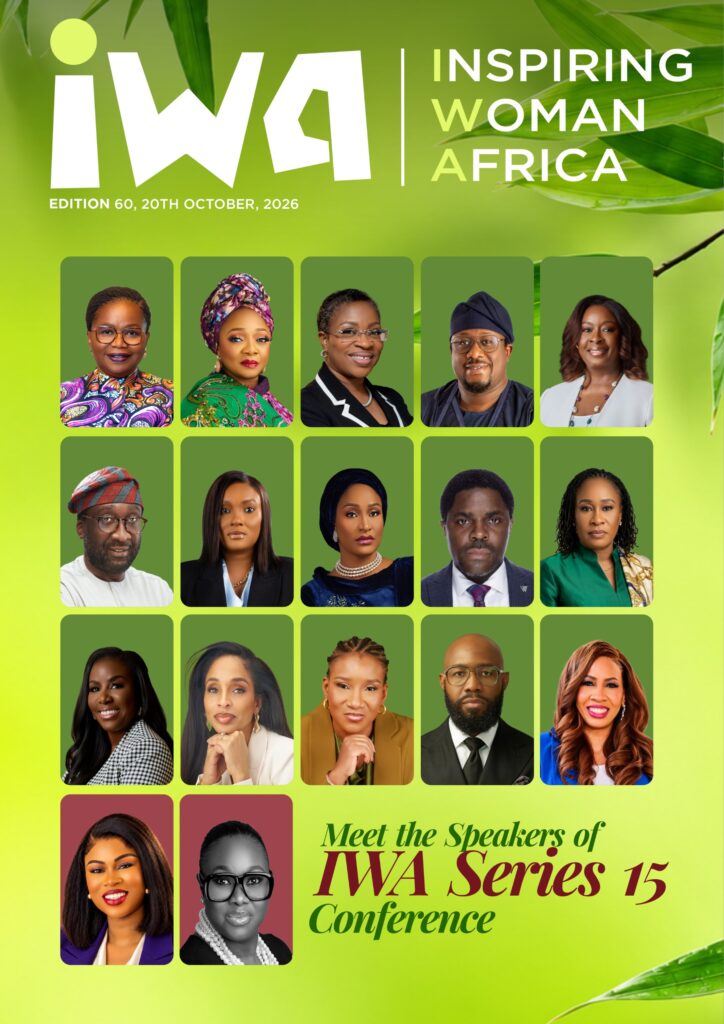
Meet the Speakers of IWA Series 15 Conference
Latest Posts
-
 Oct 20, 2026 Hard Conversations: The Skill No One Puts on a CV
 -
 Oct 20, 2026 5 Africa Women Listed as 2026 Forbes Icons
 -
 Oct 20, 2026 You Are Wealthier Than You Think